The Monpa of Bhutan: Keeping the Golden Mirror Bright
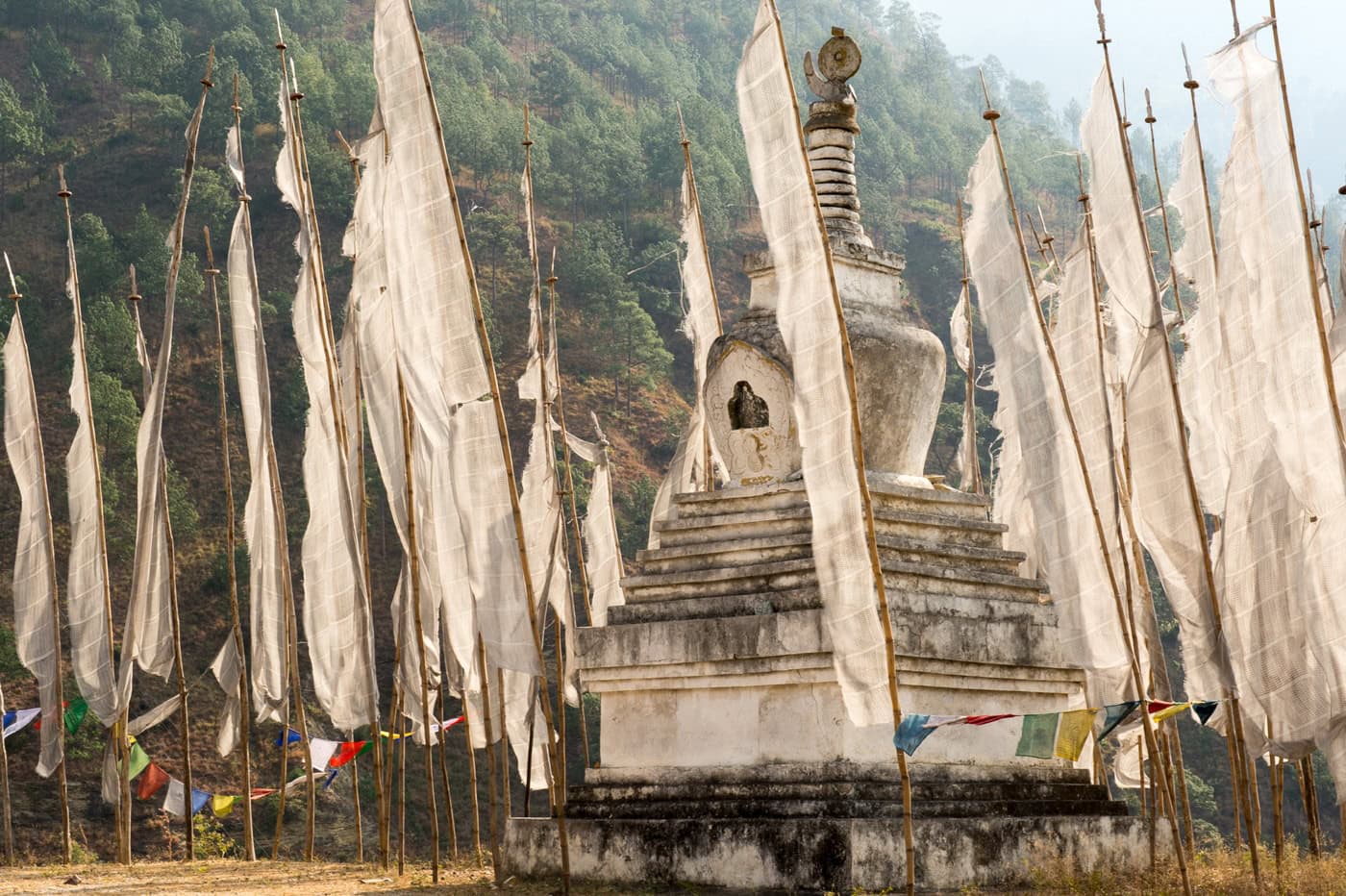
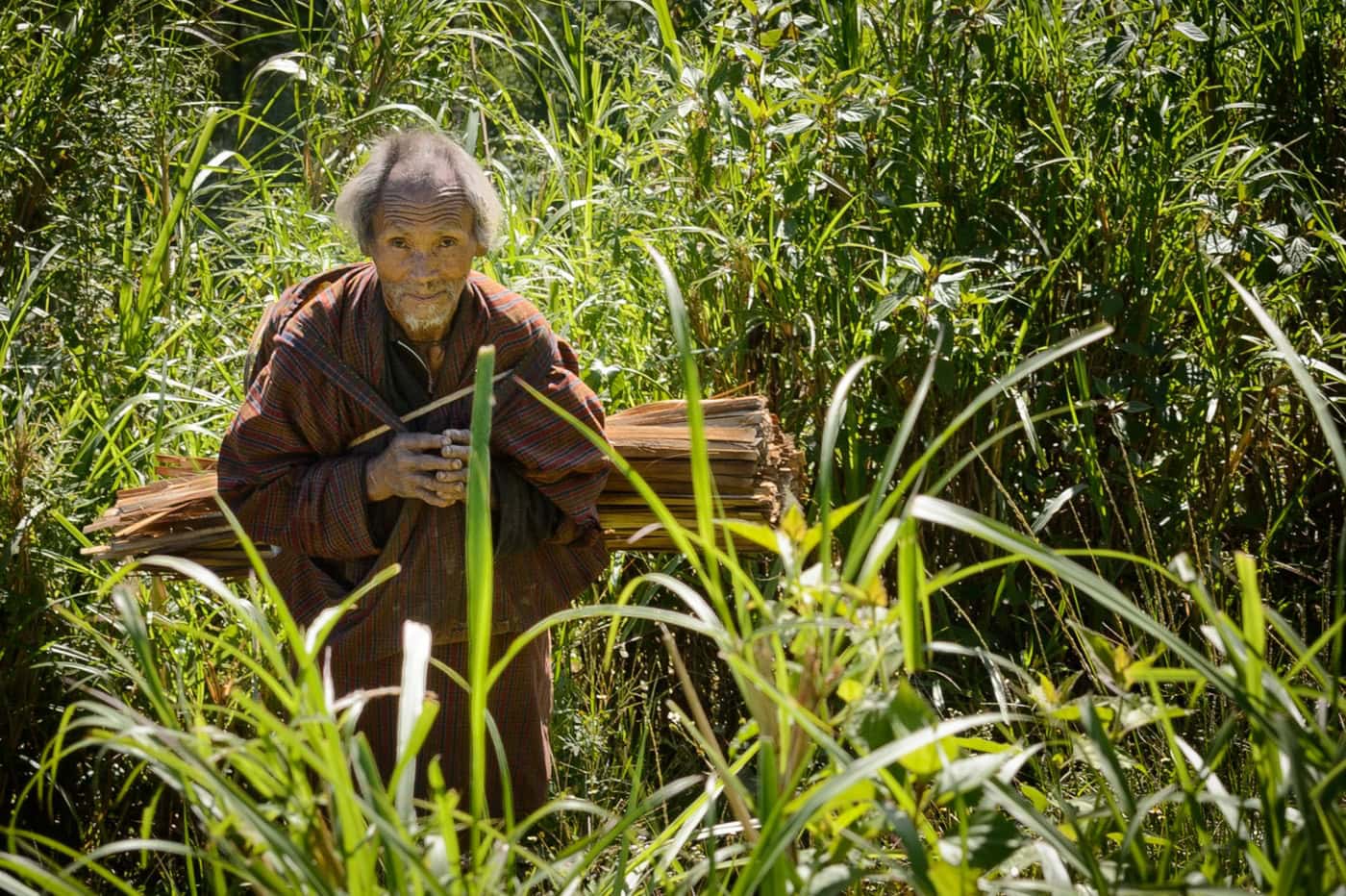
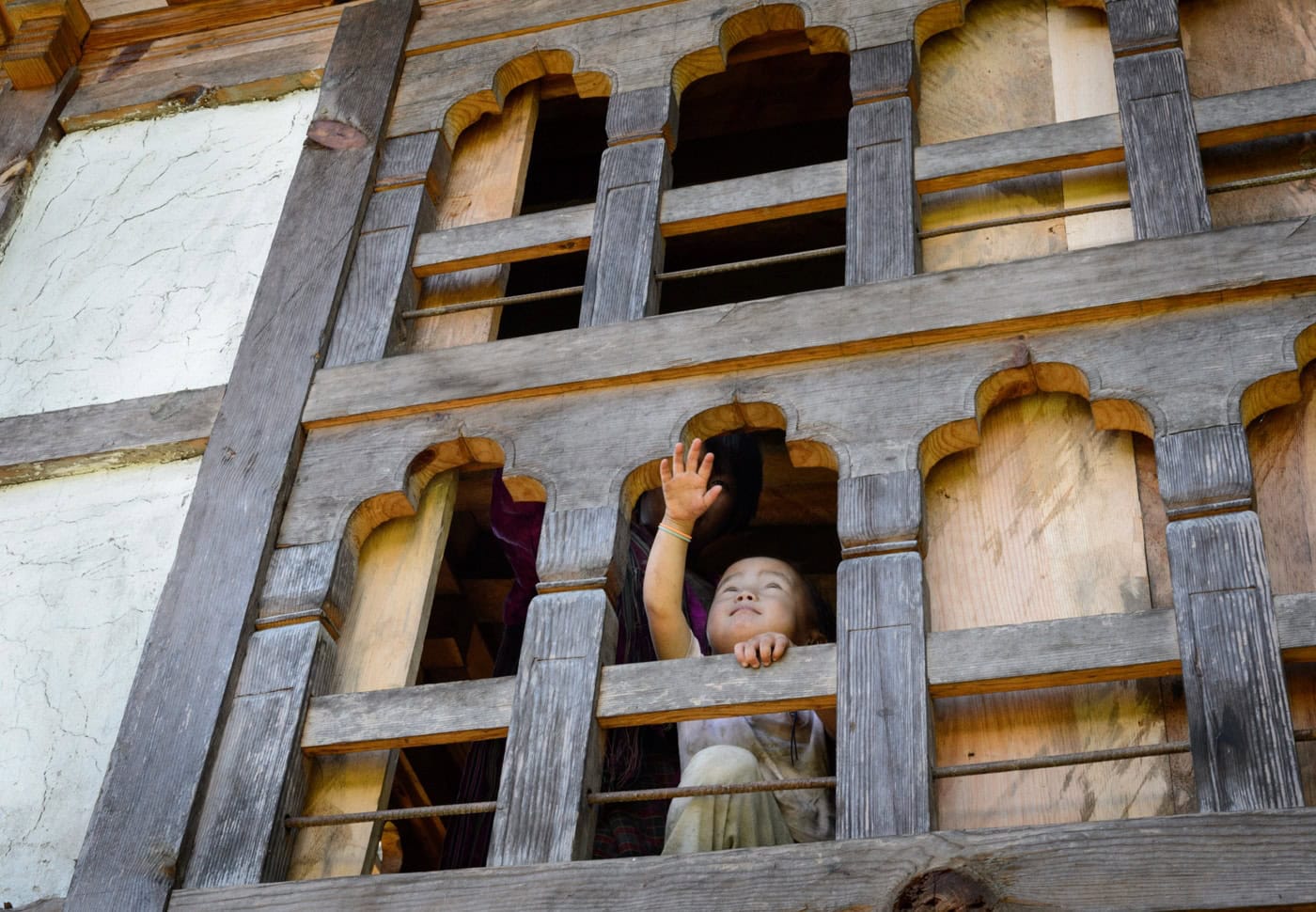
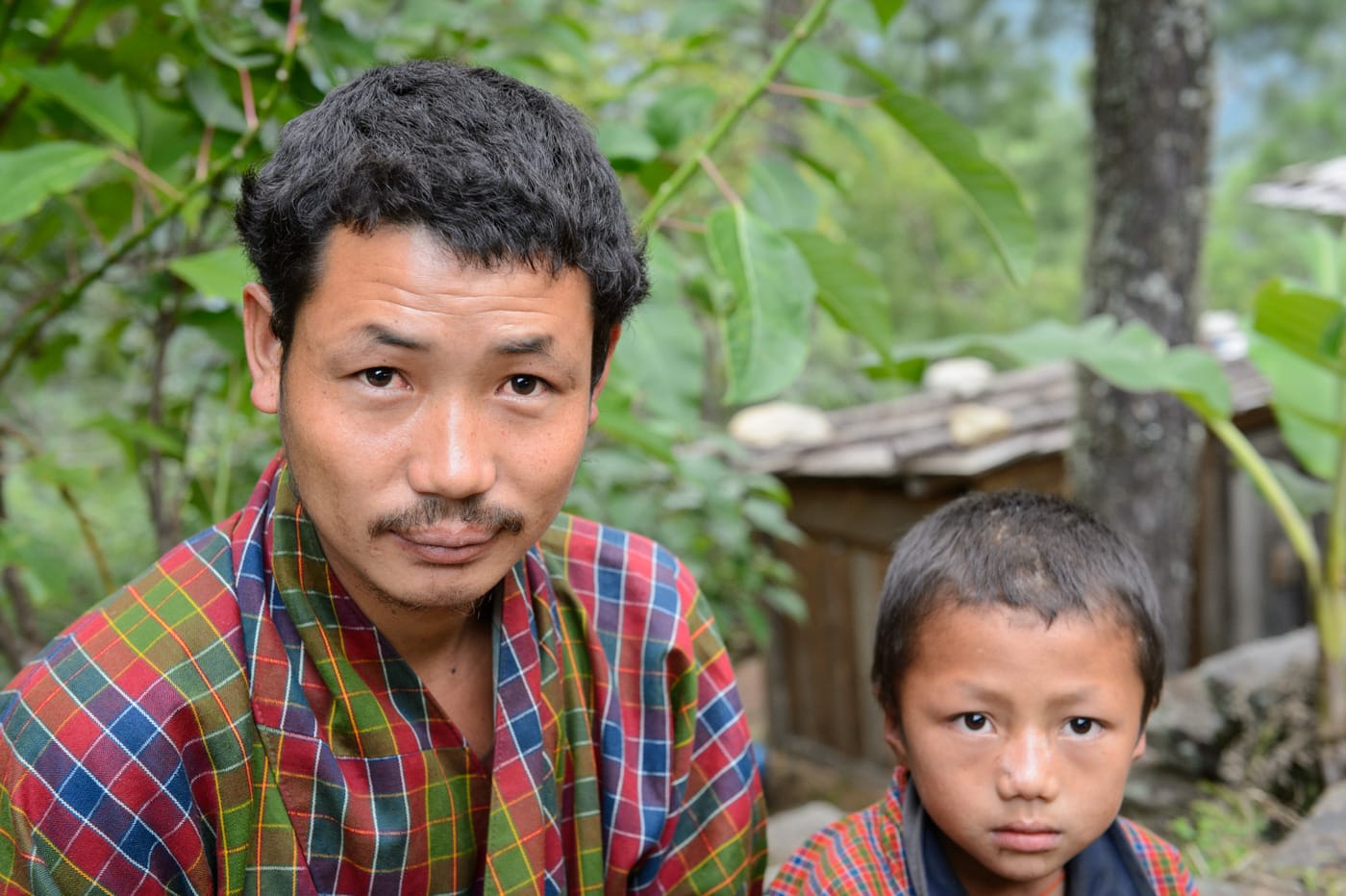
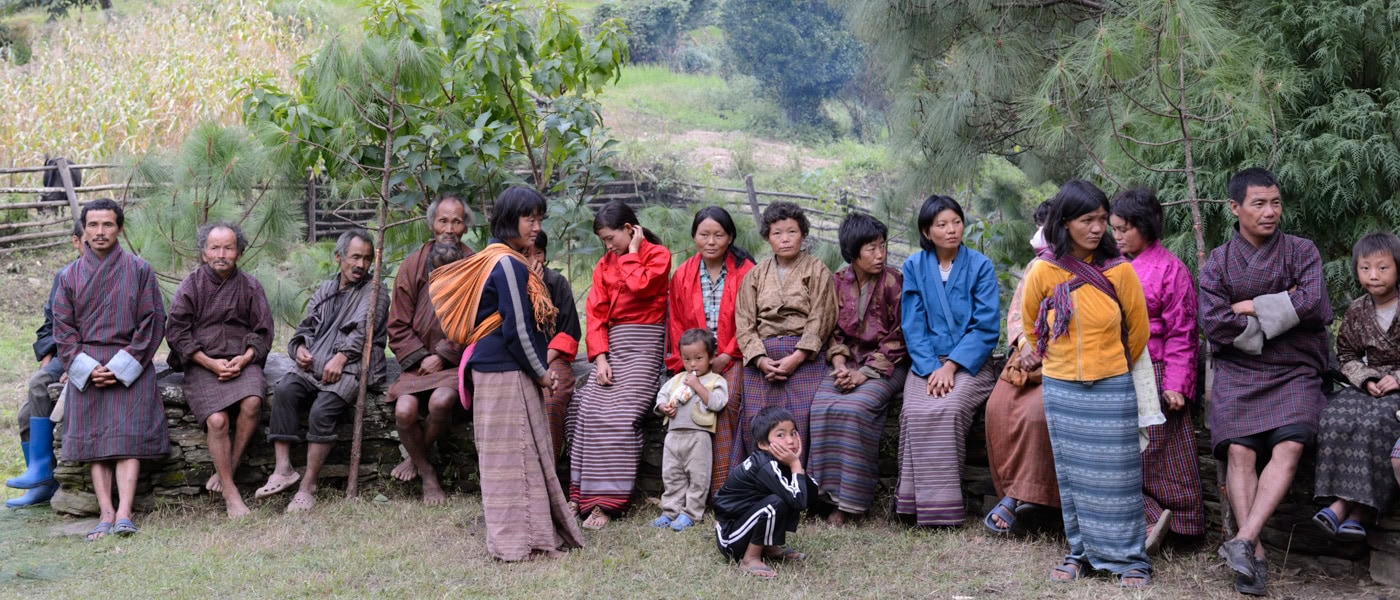
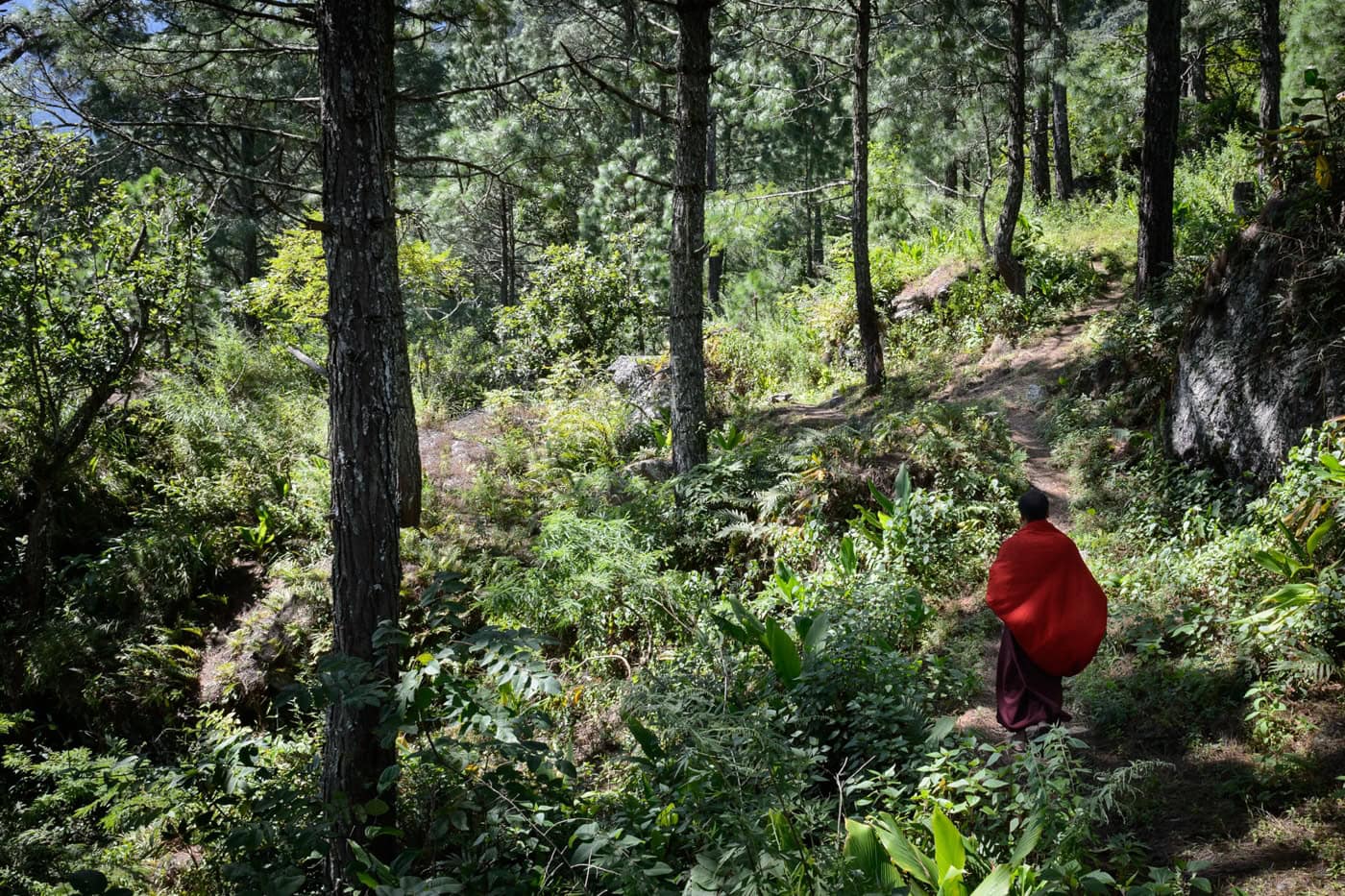
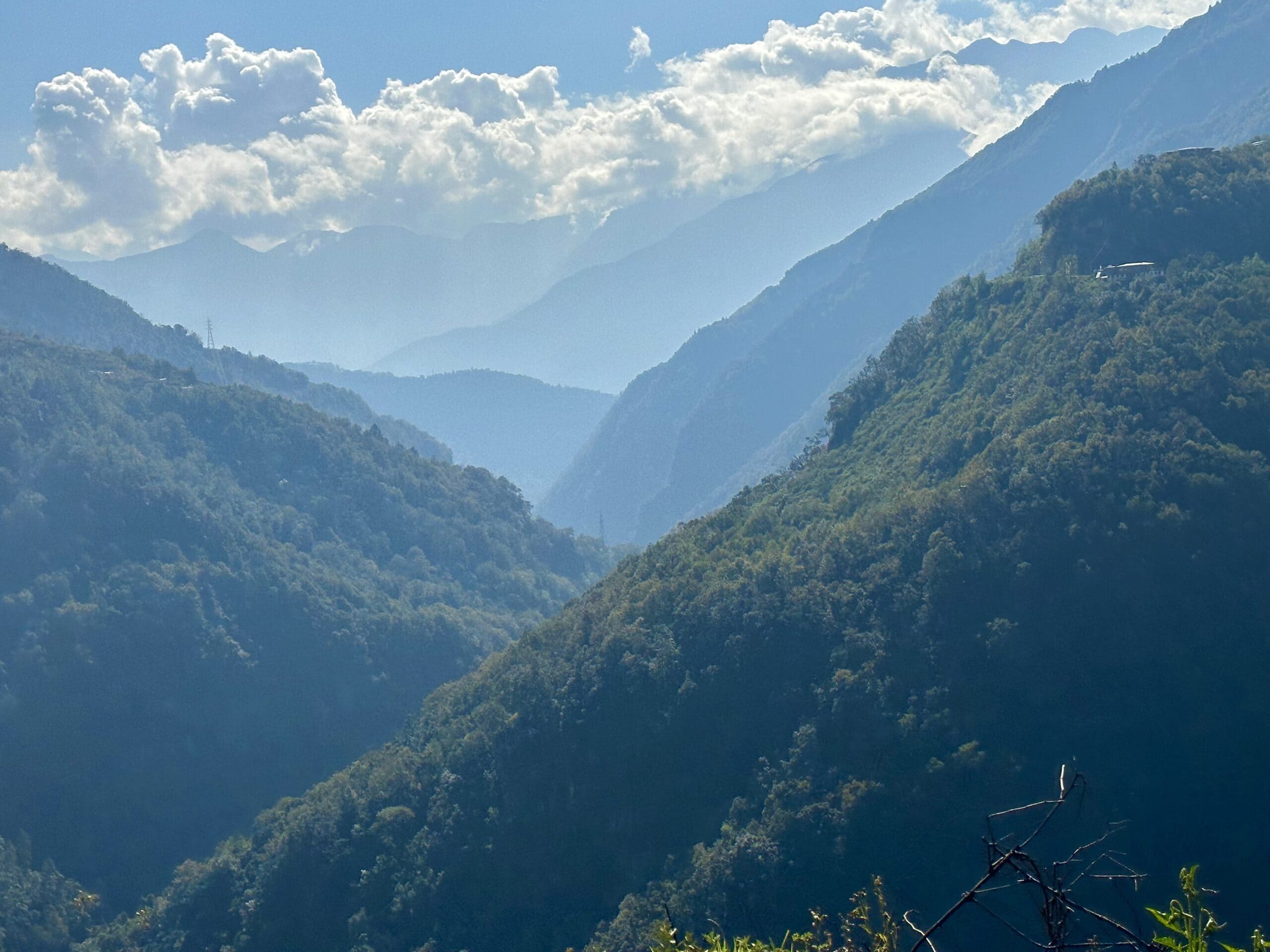
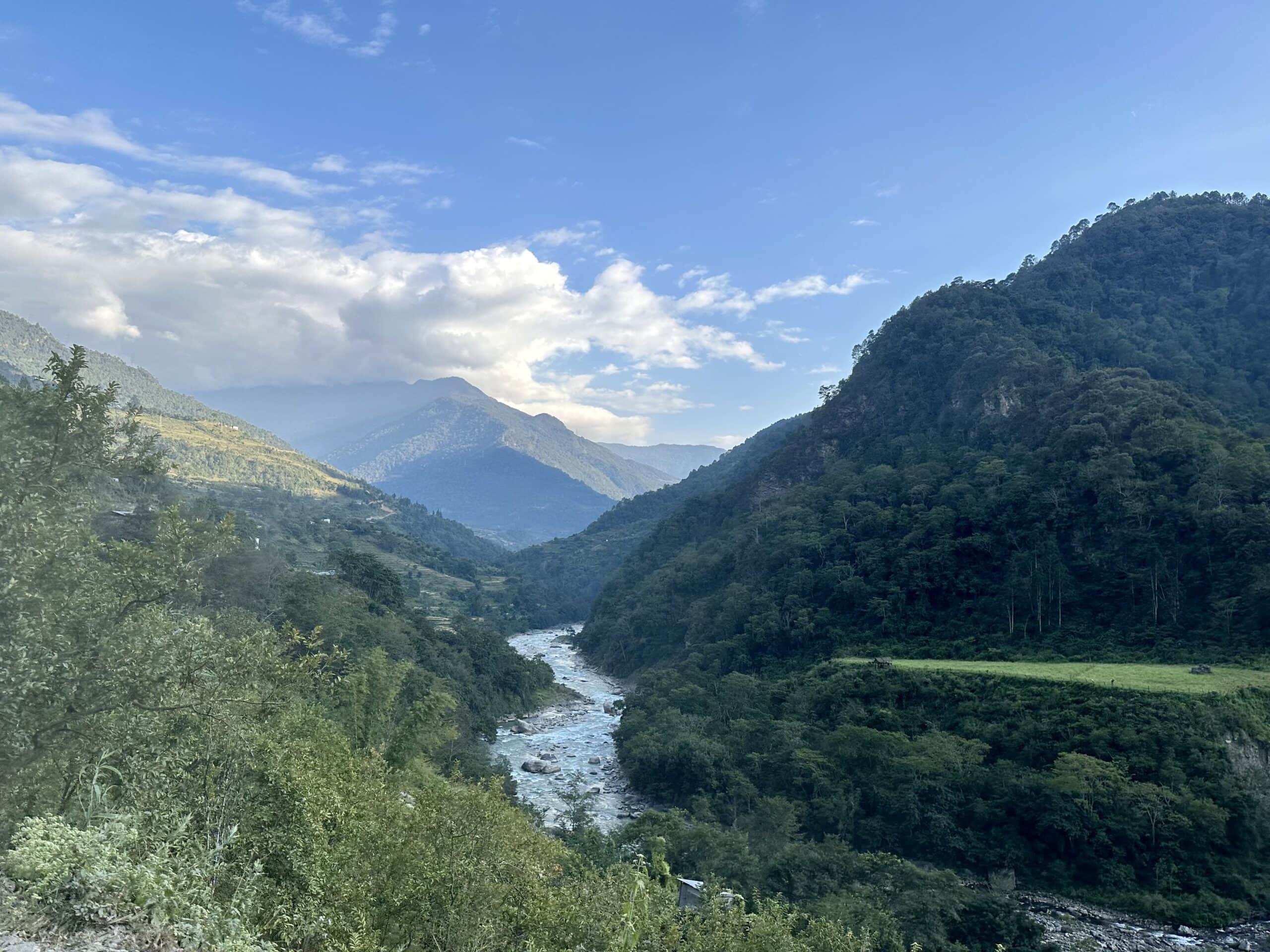
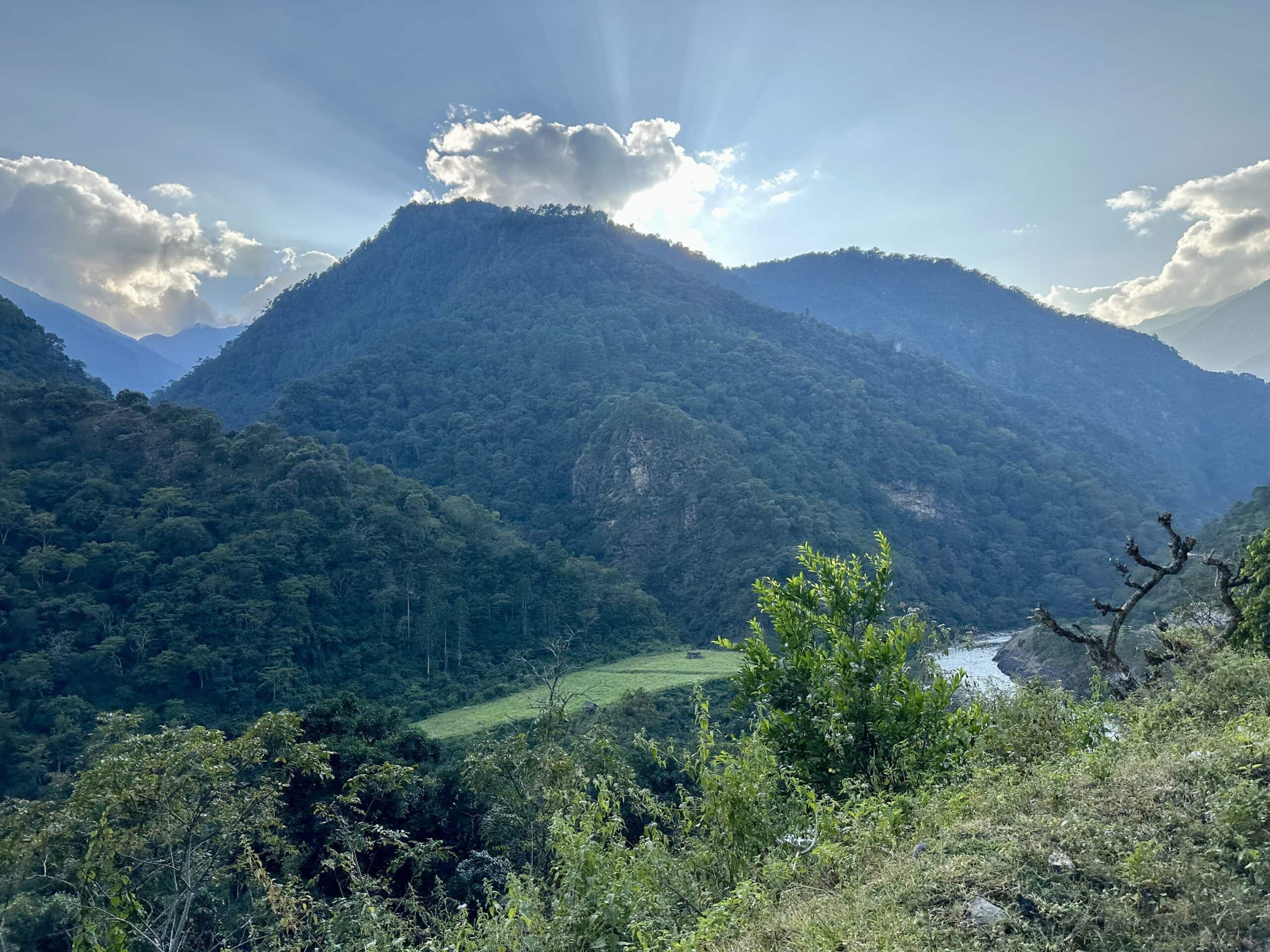
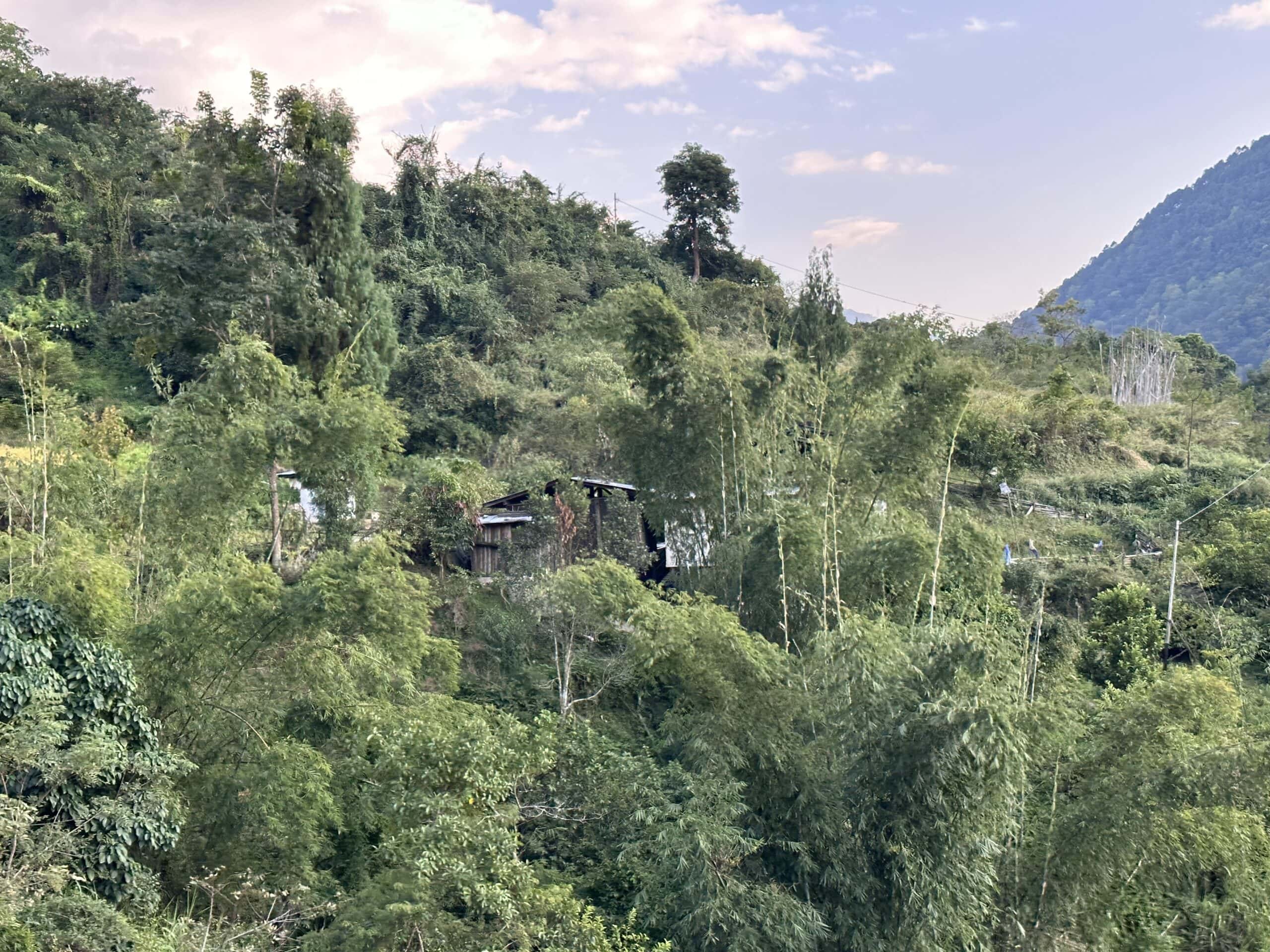
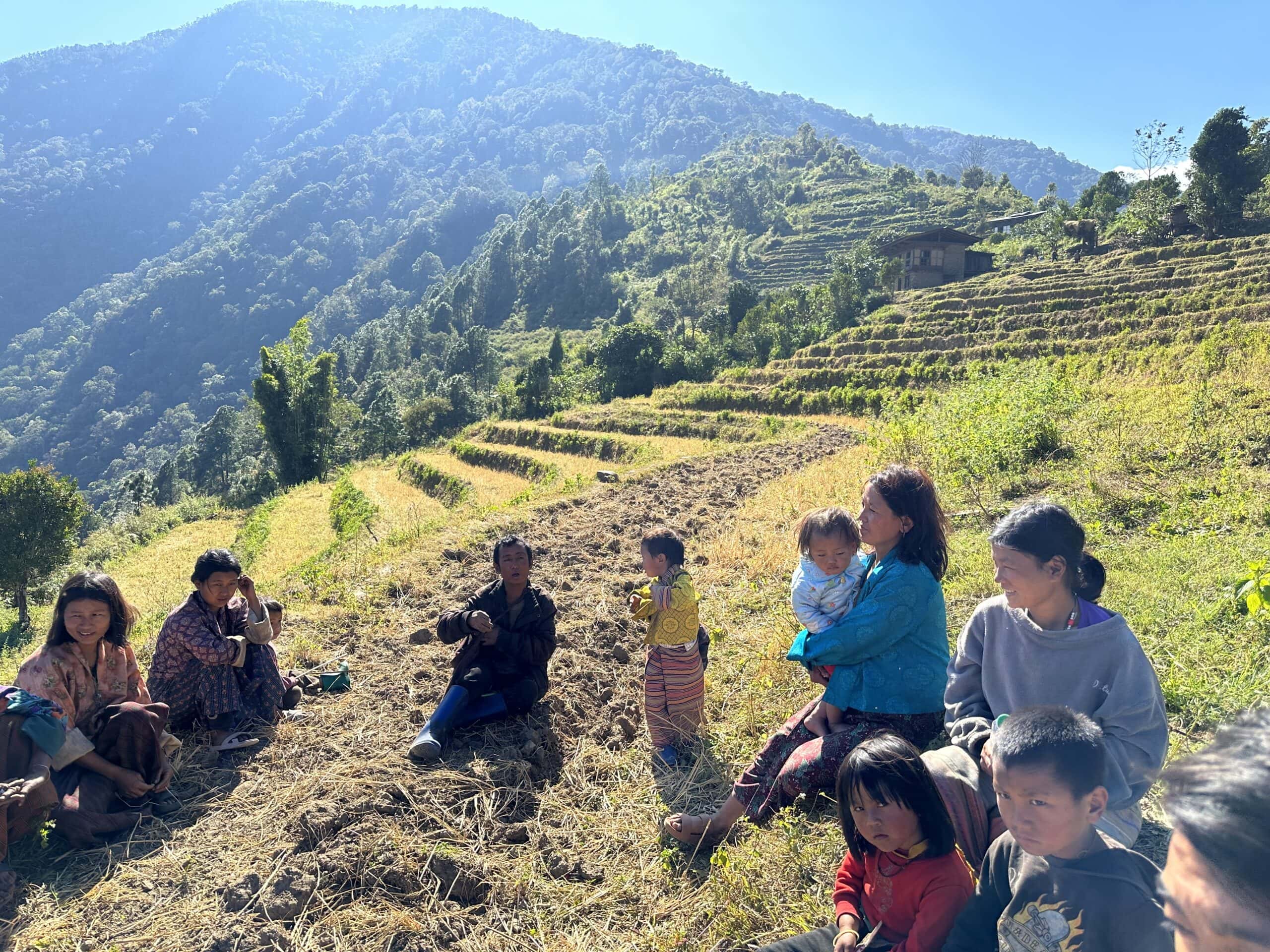
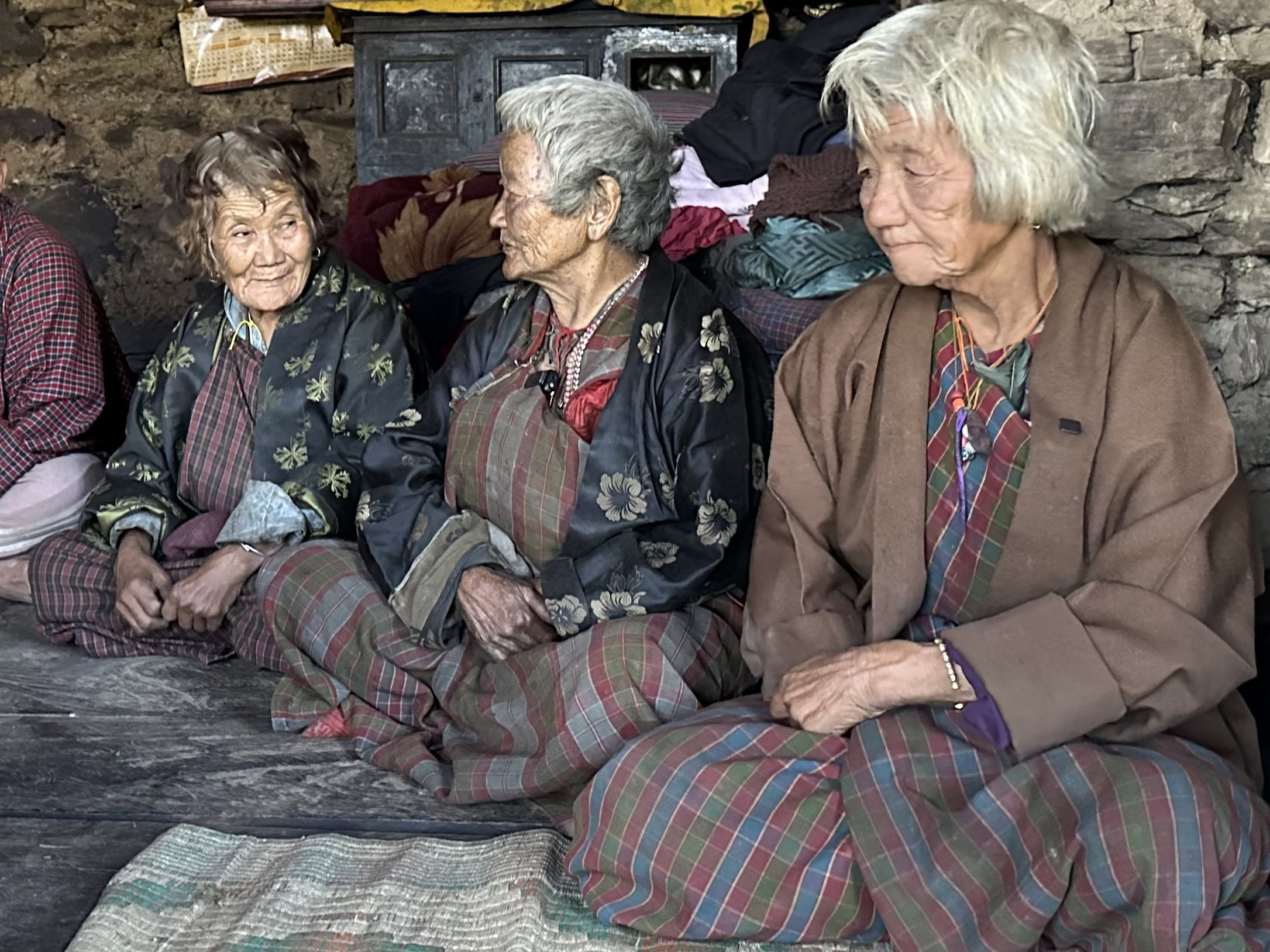
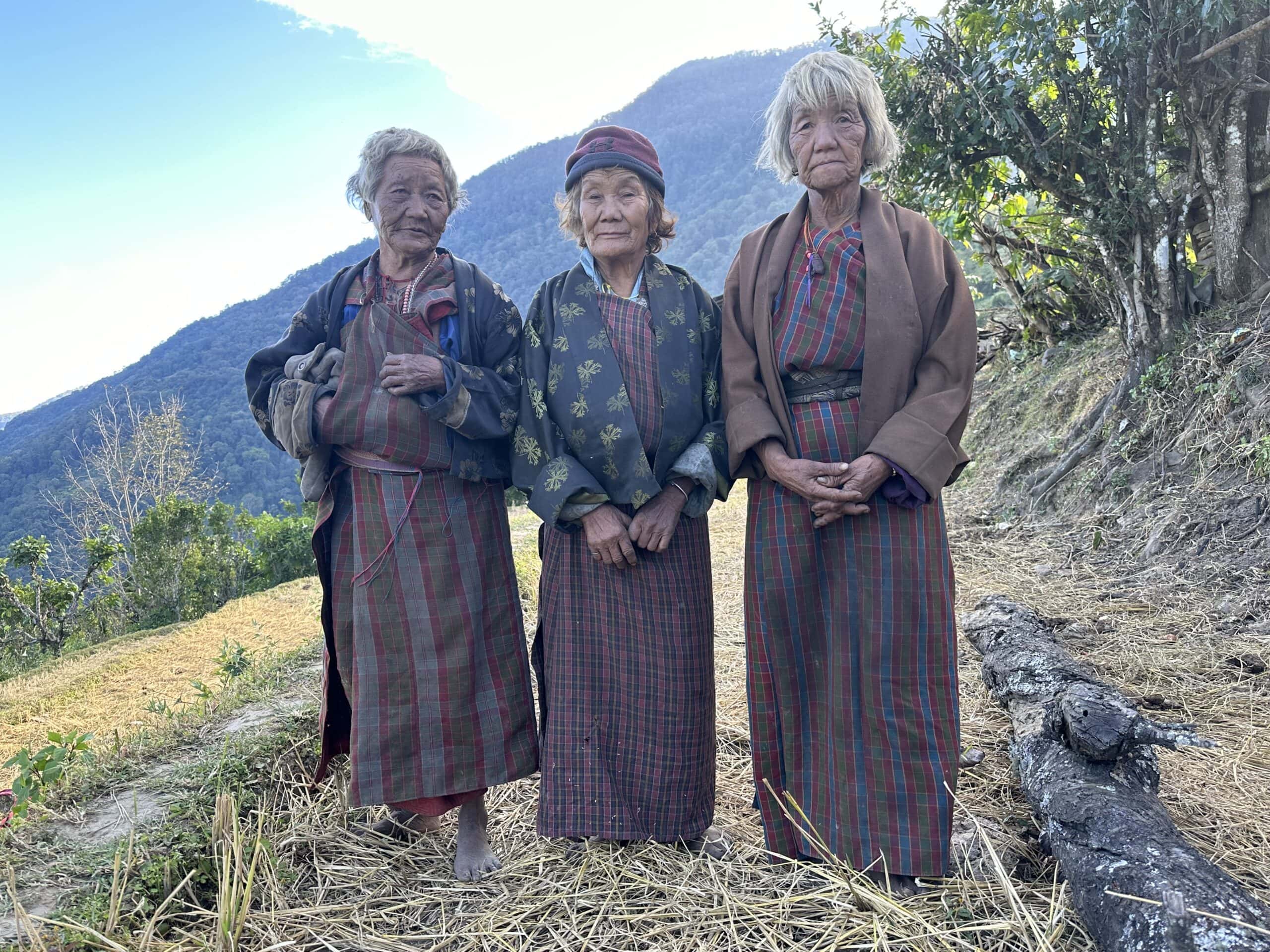
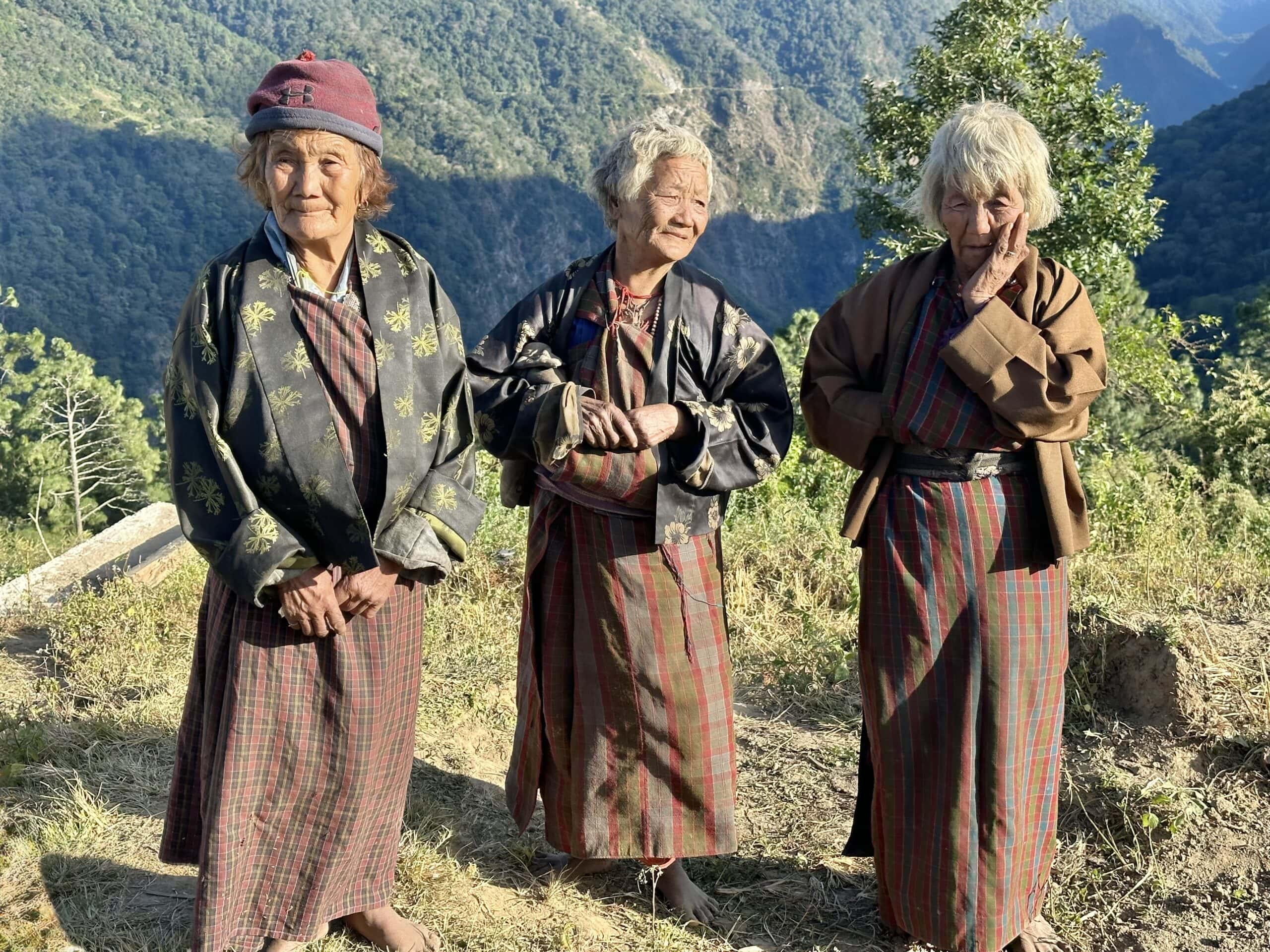
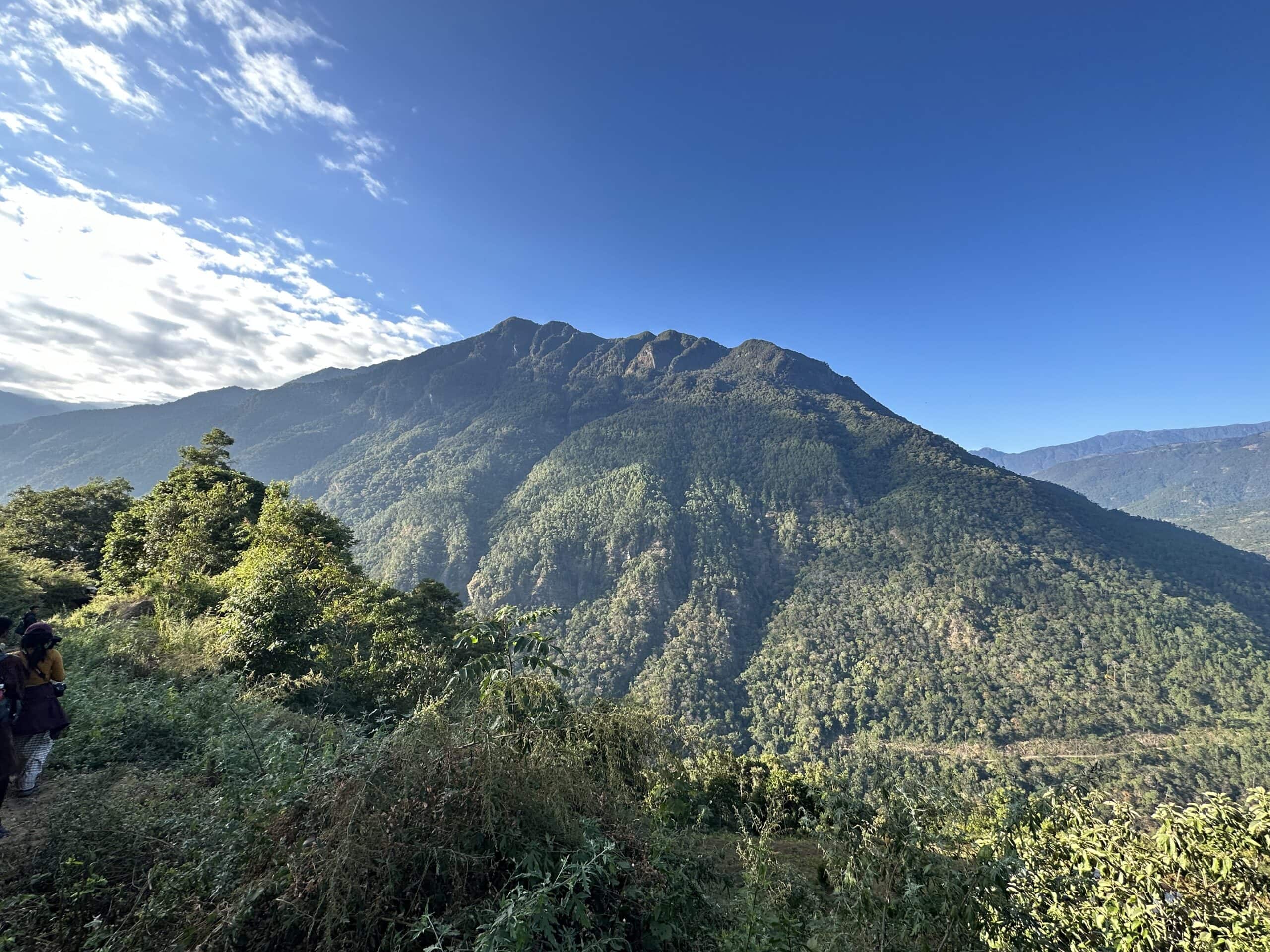
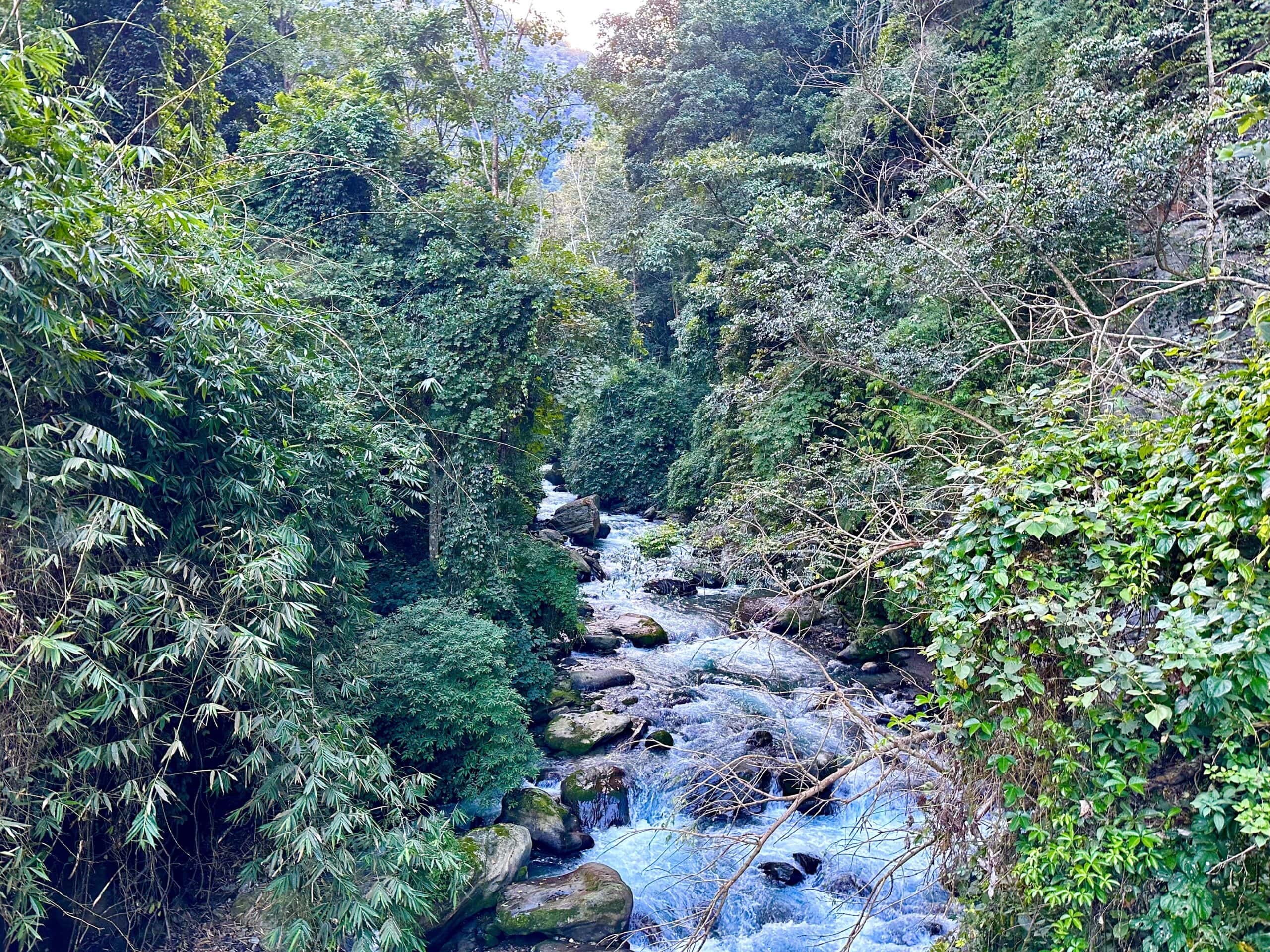
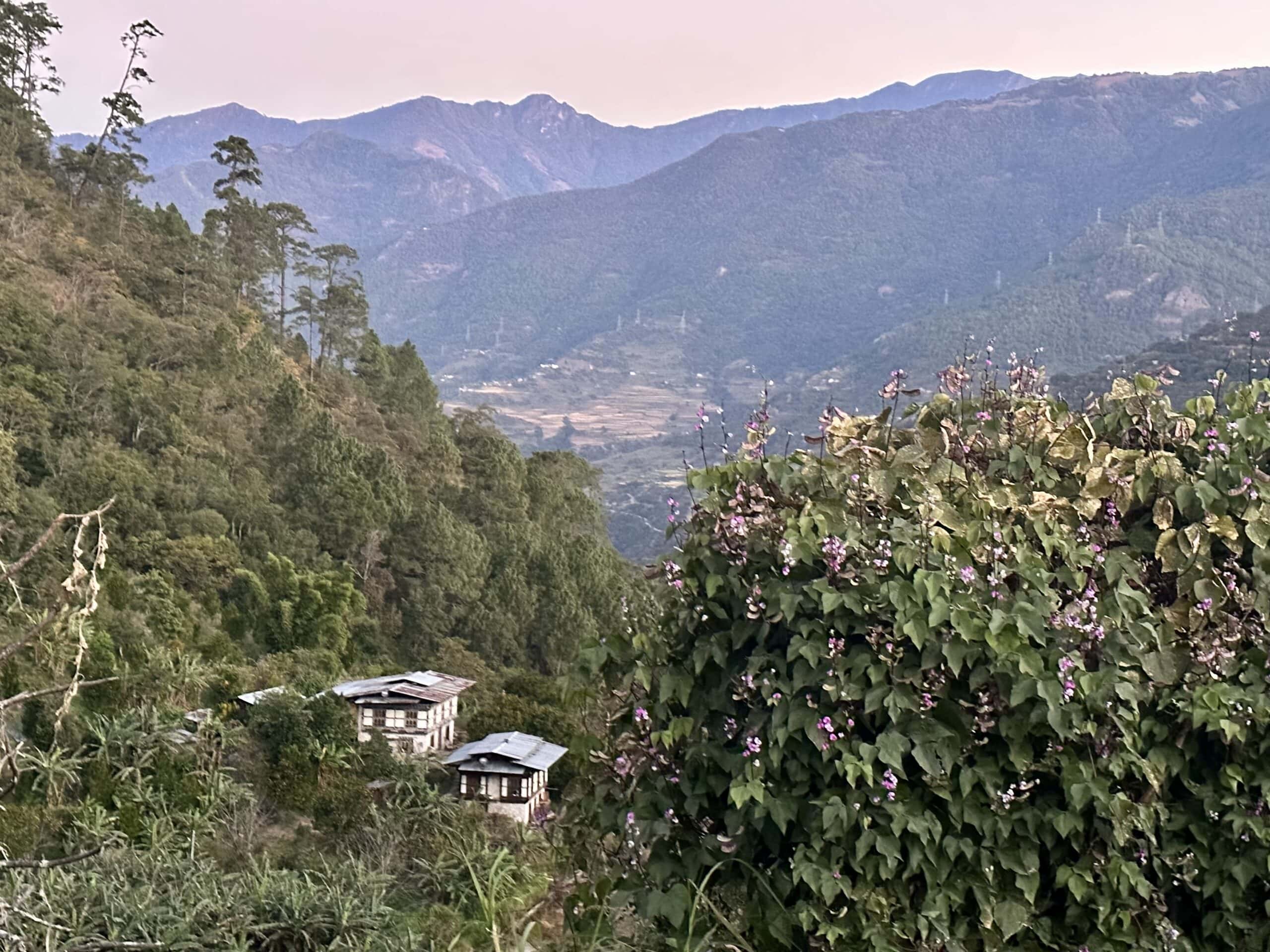
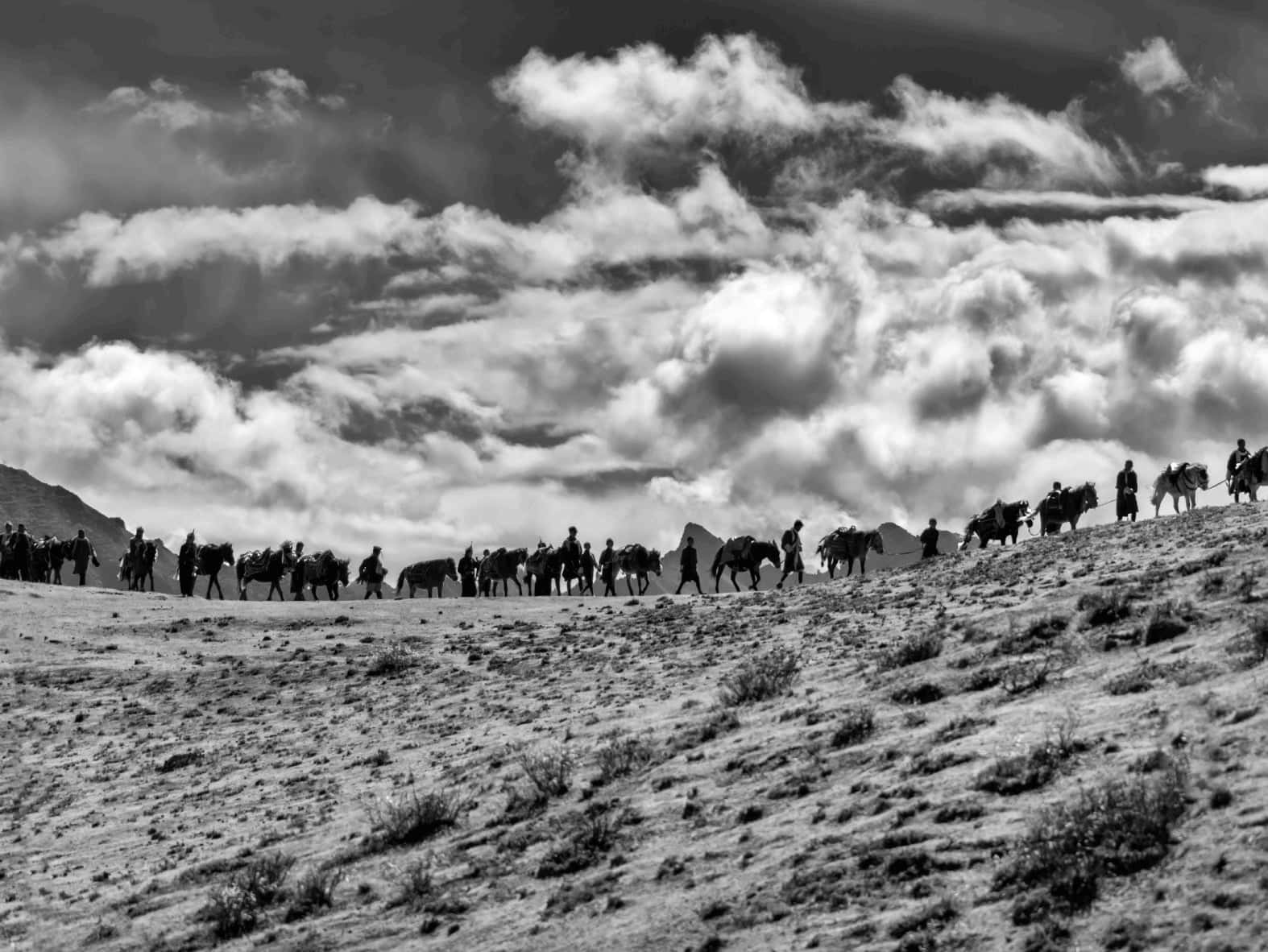
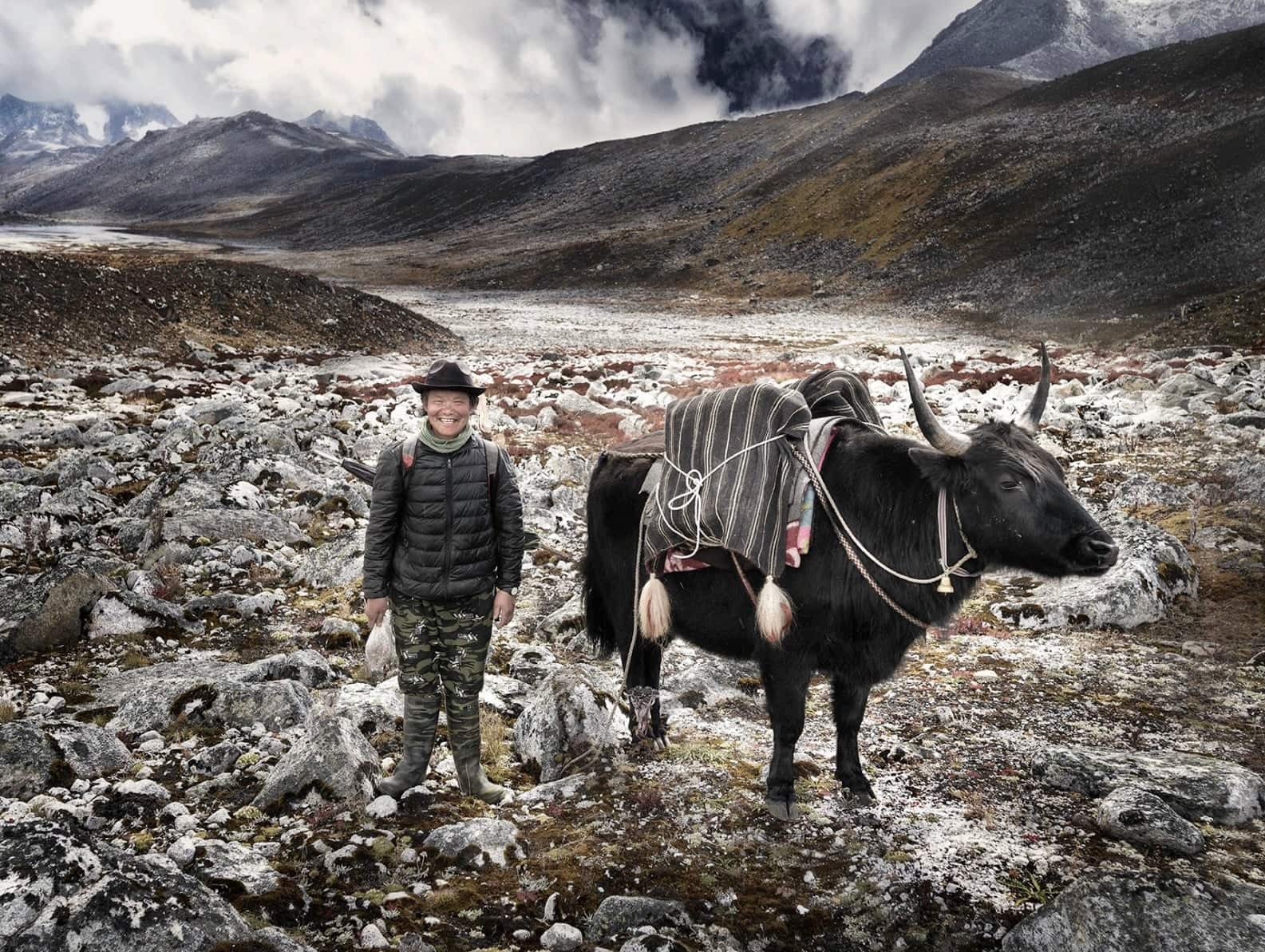
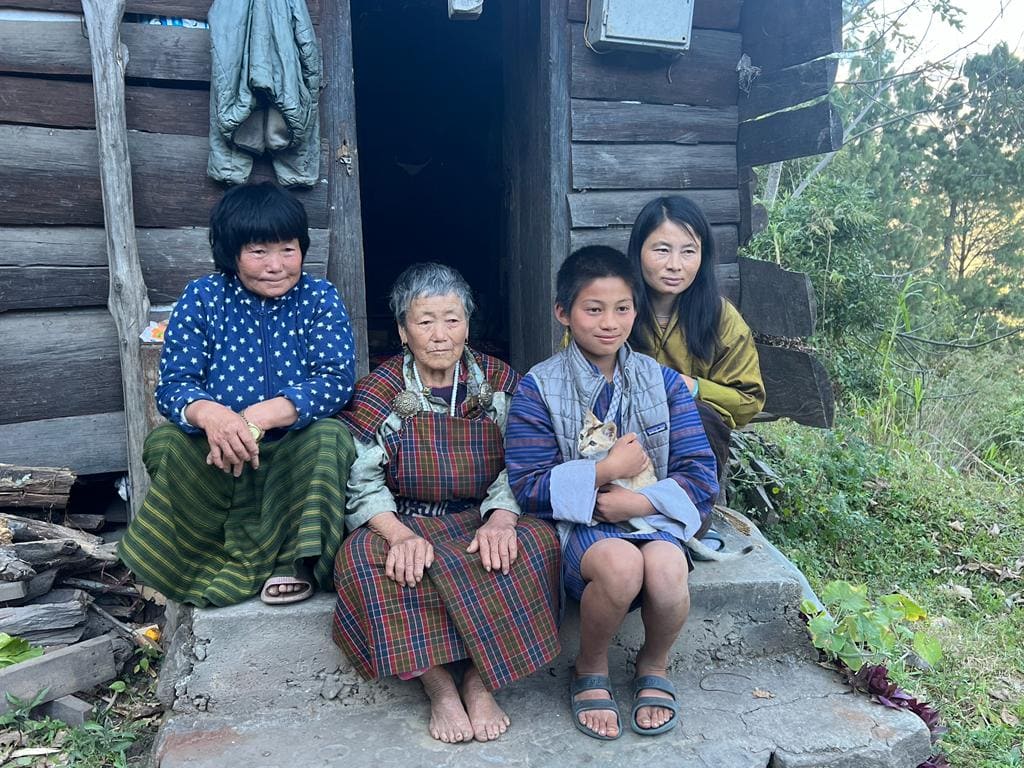
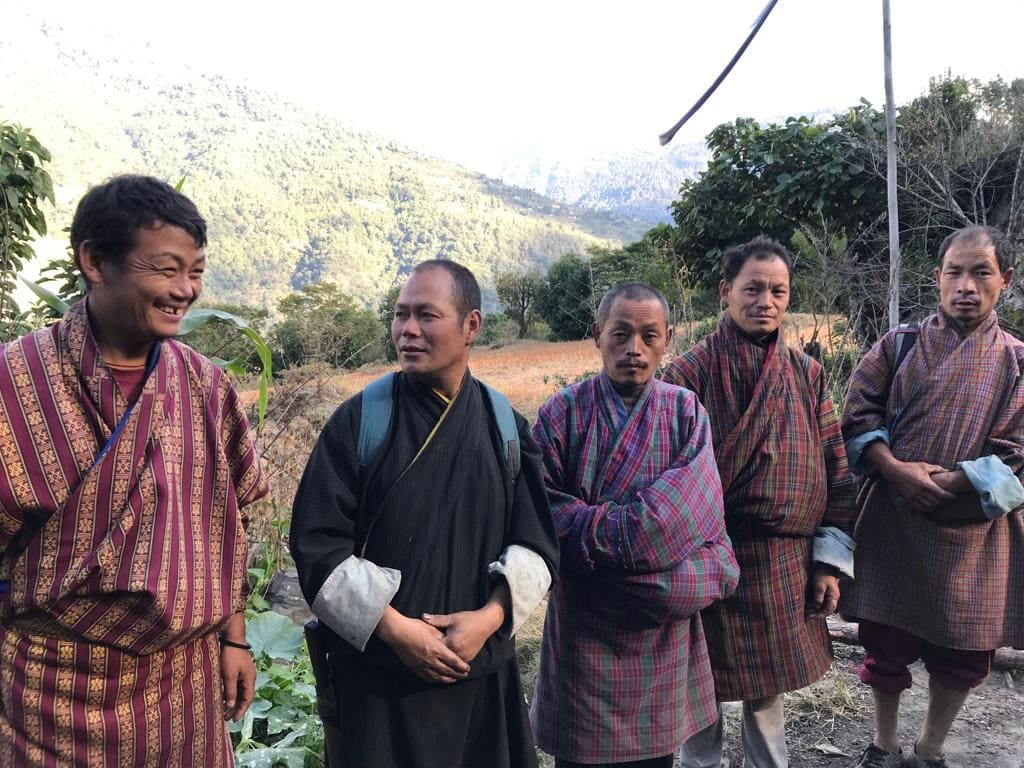
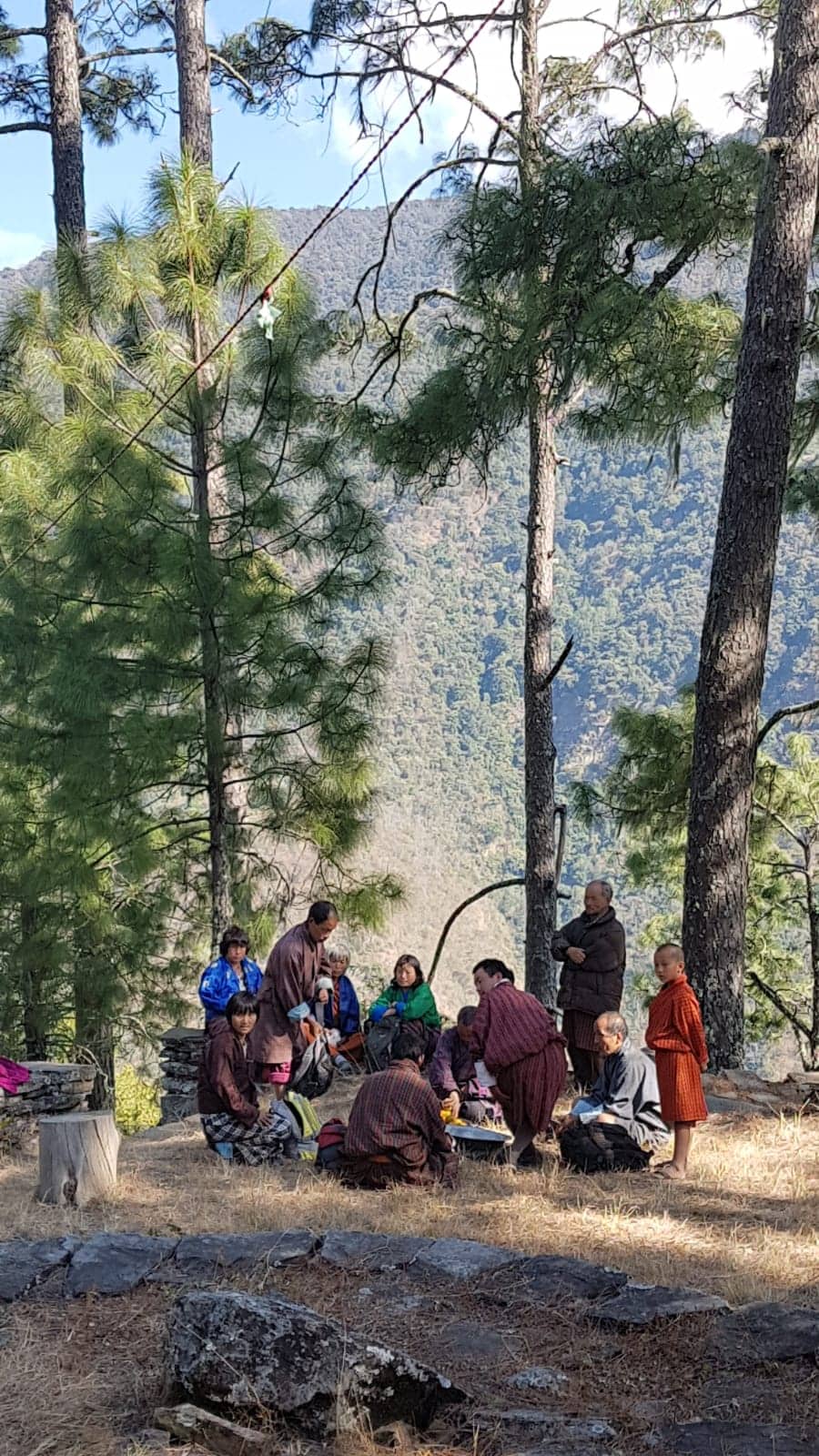
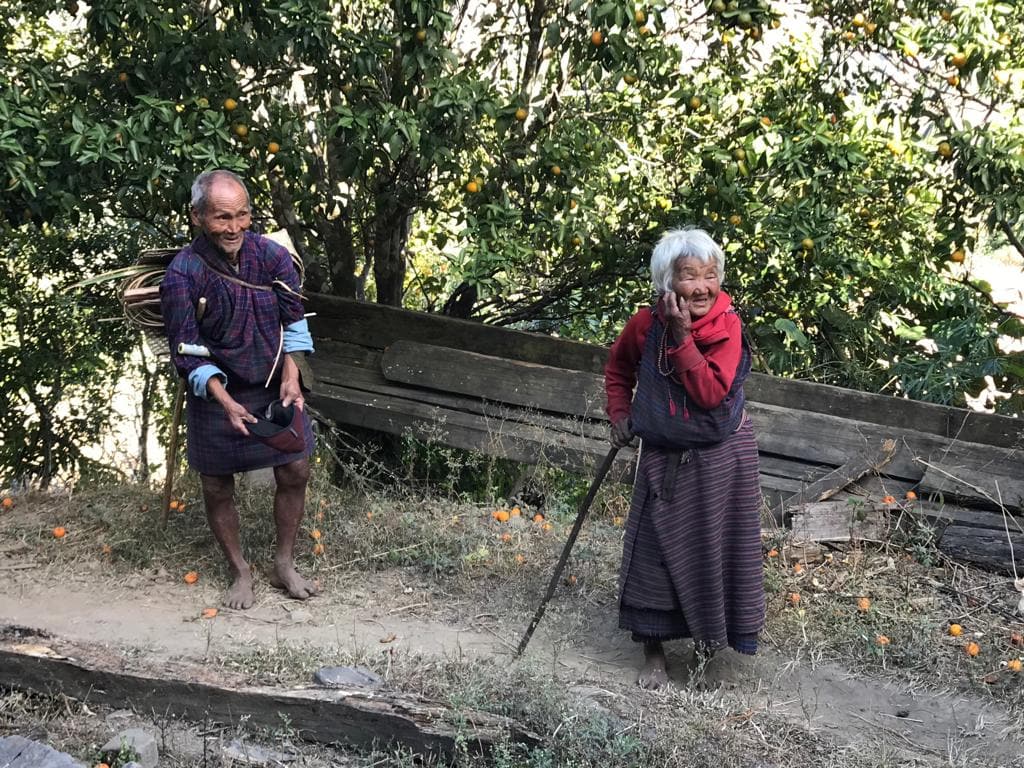
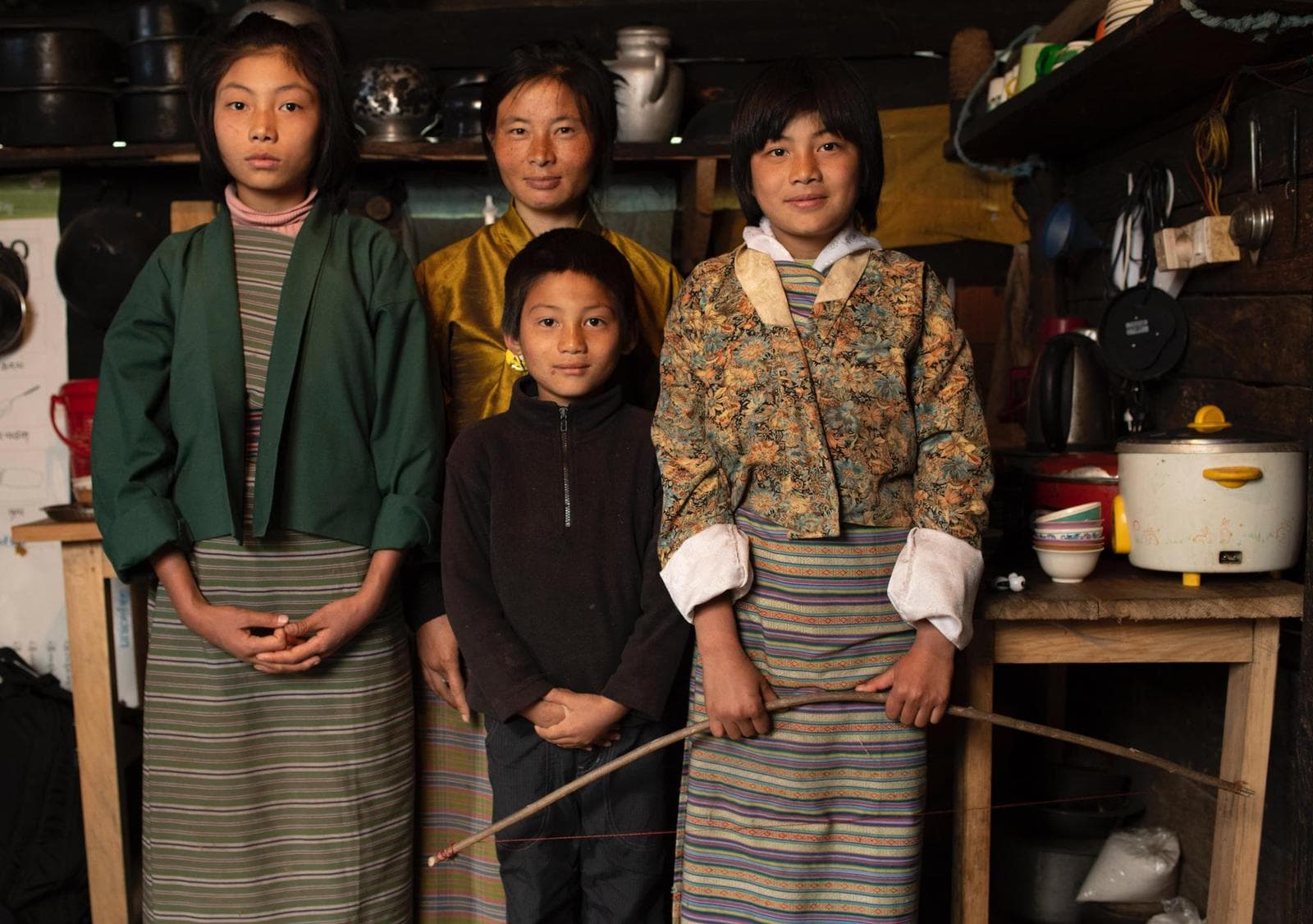
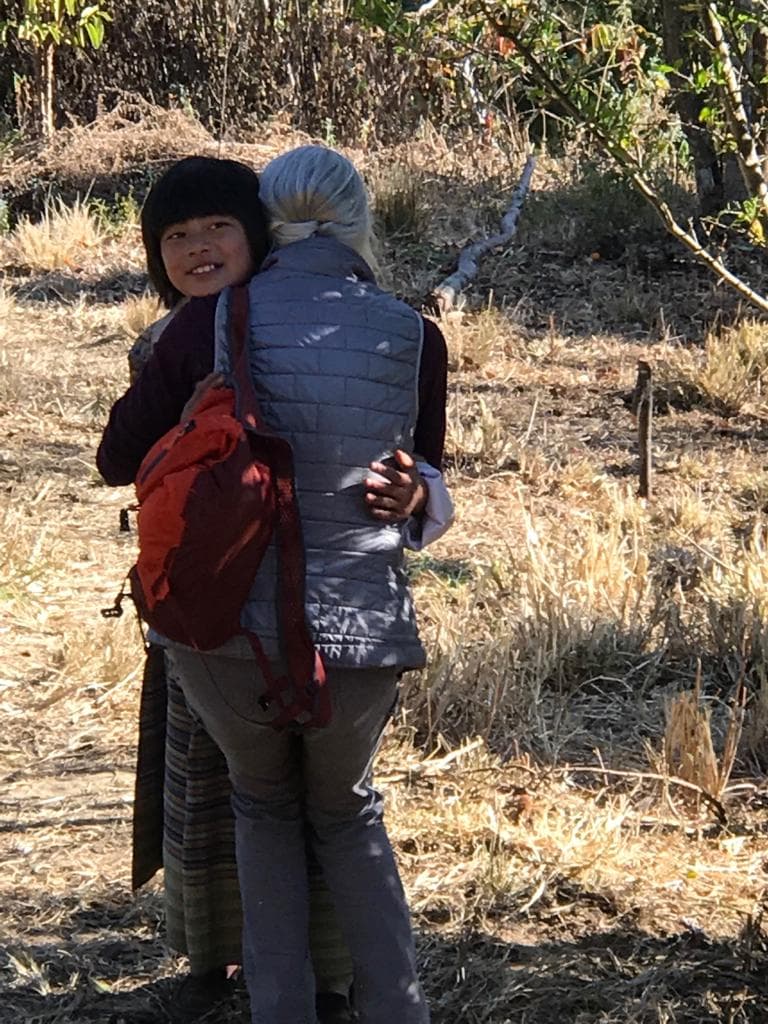
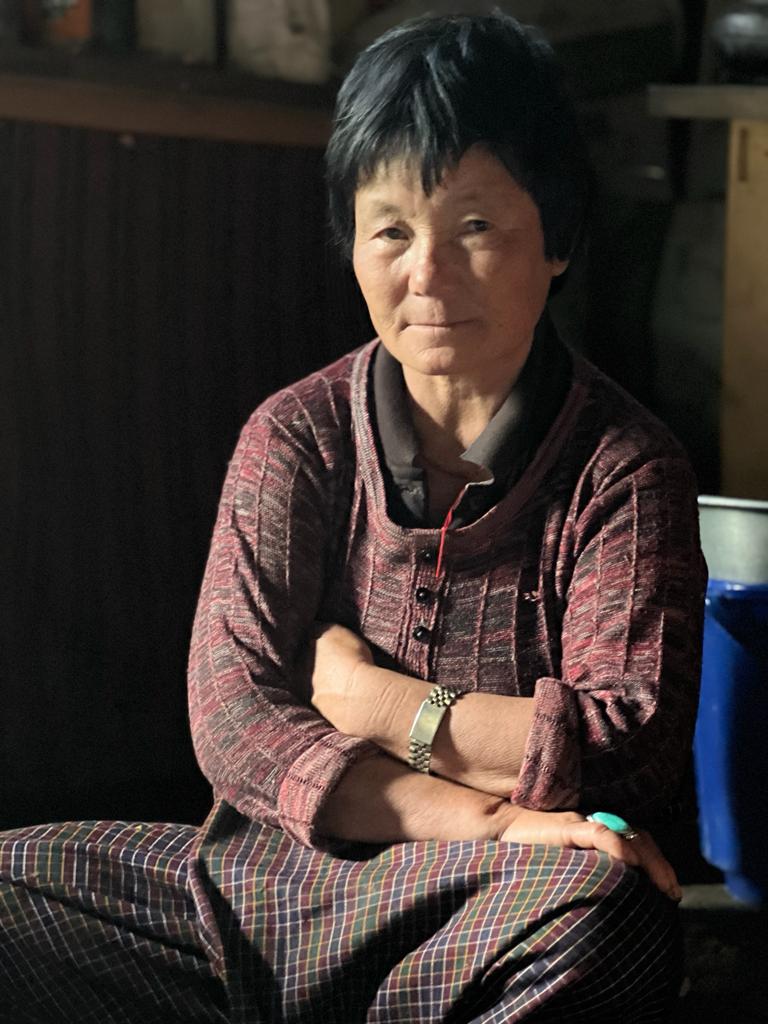
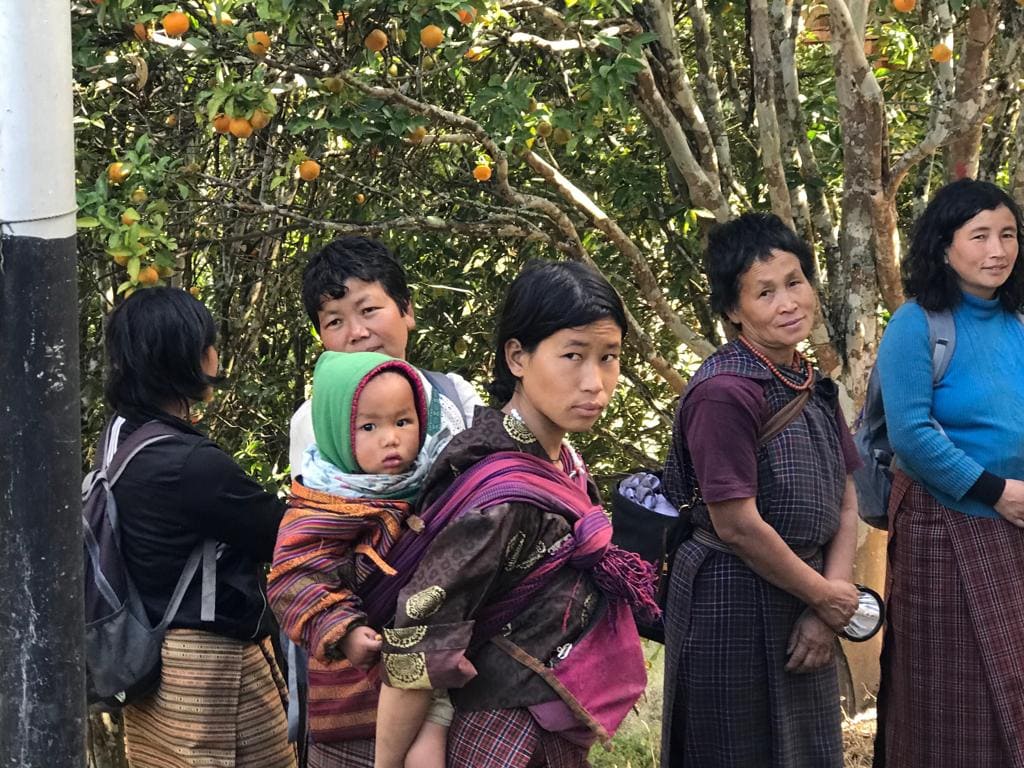
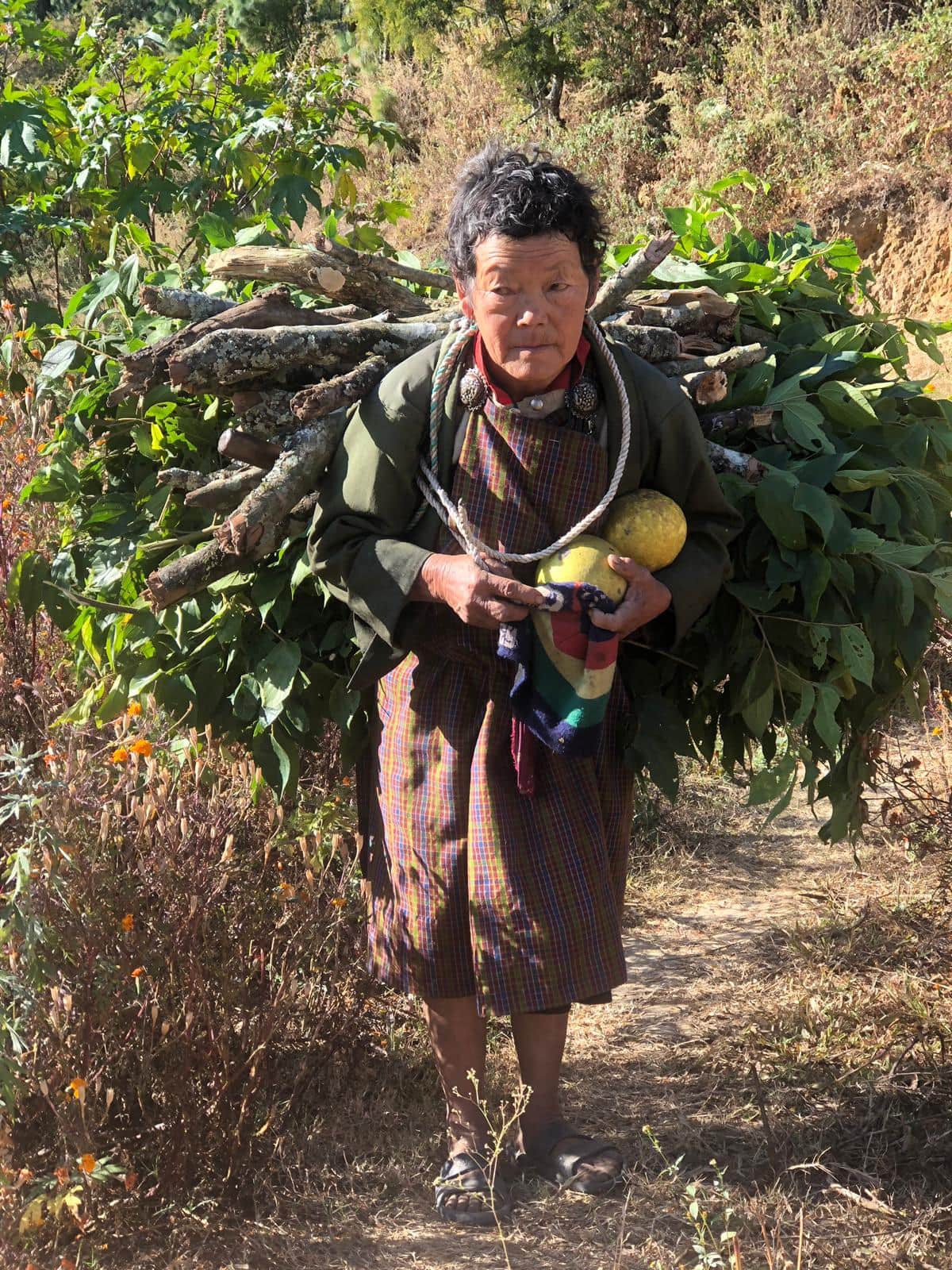
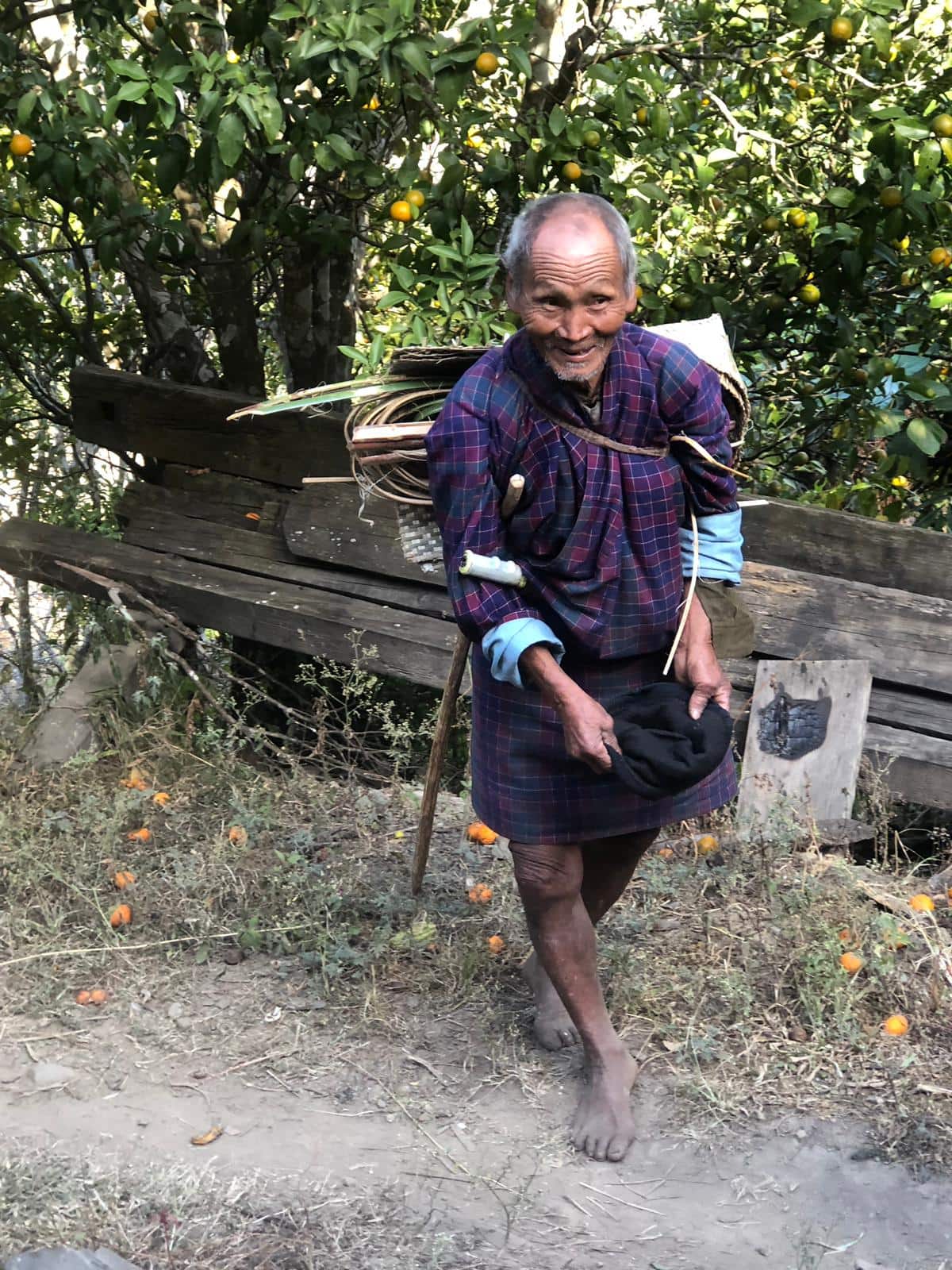
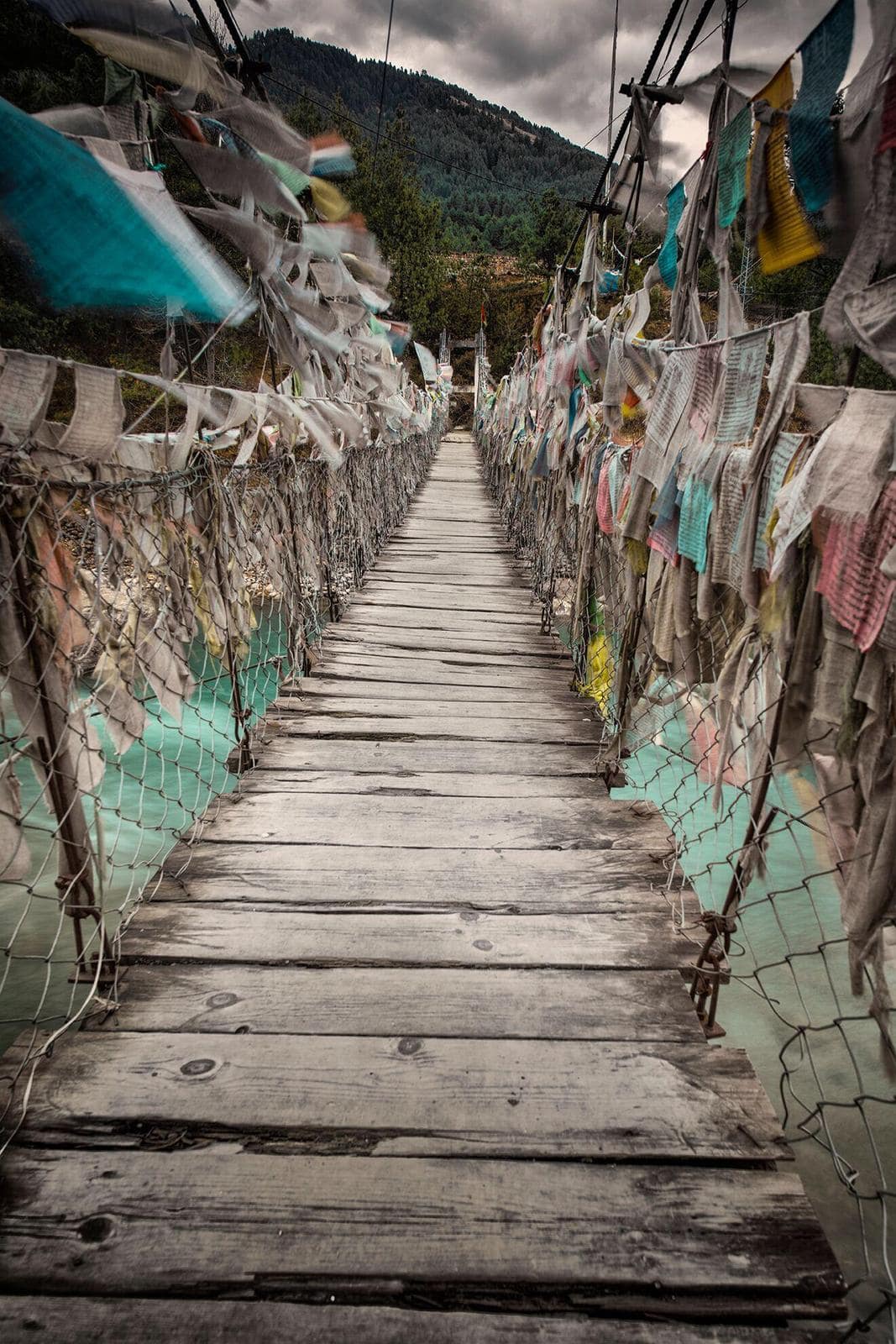
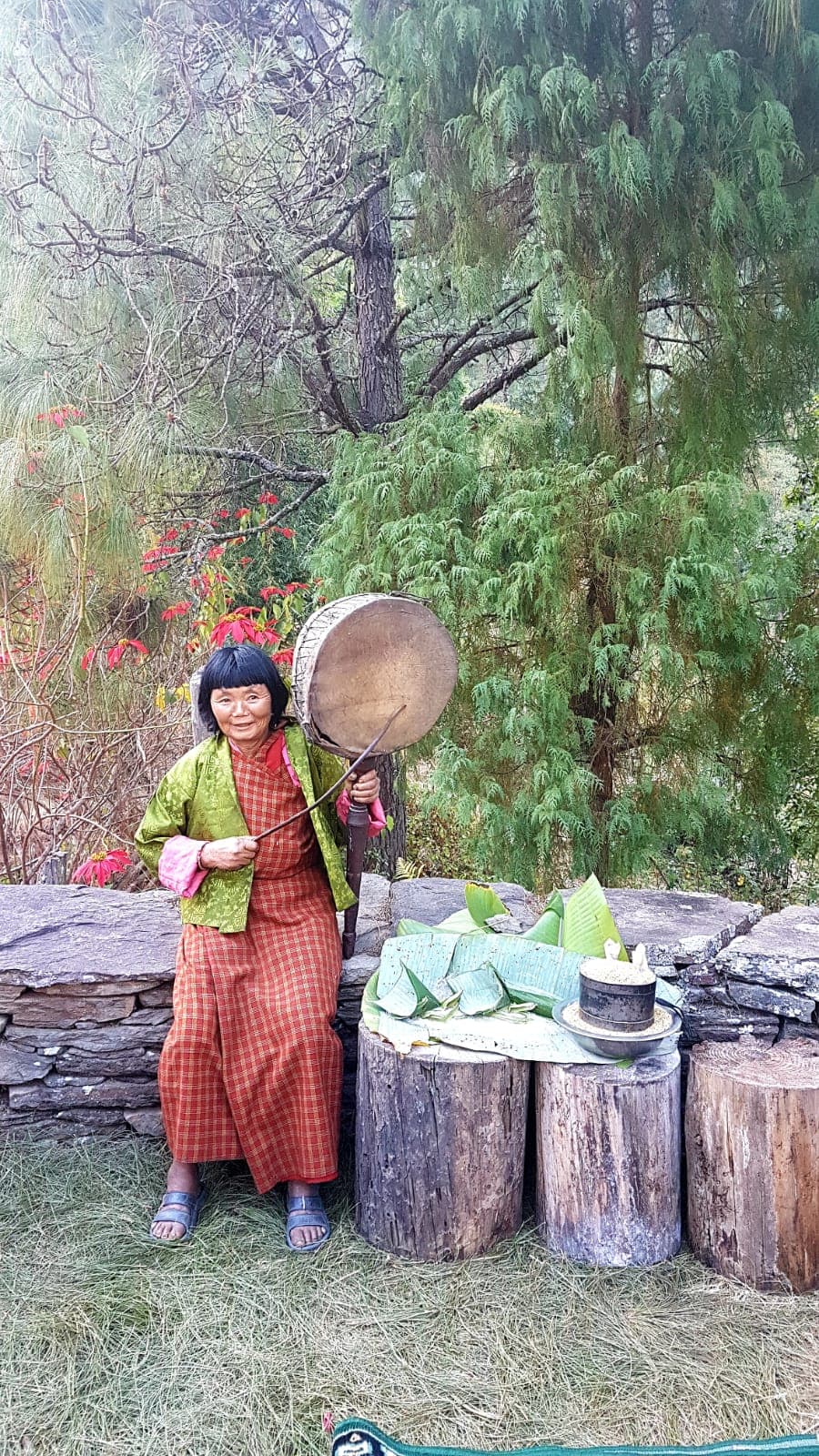
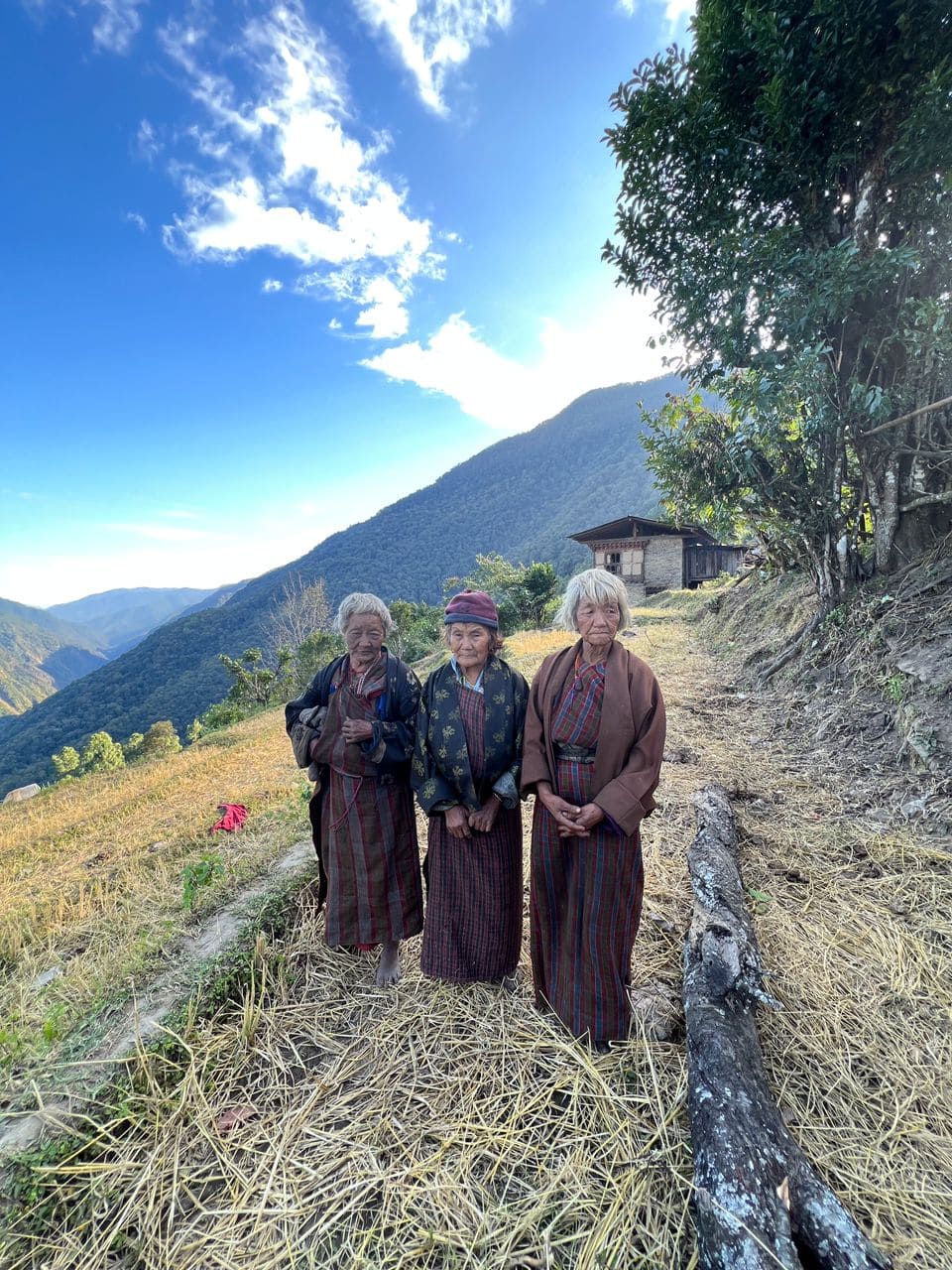
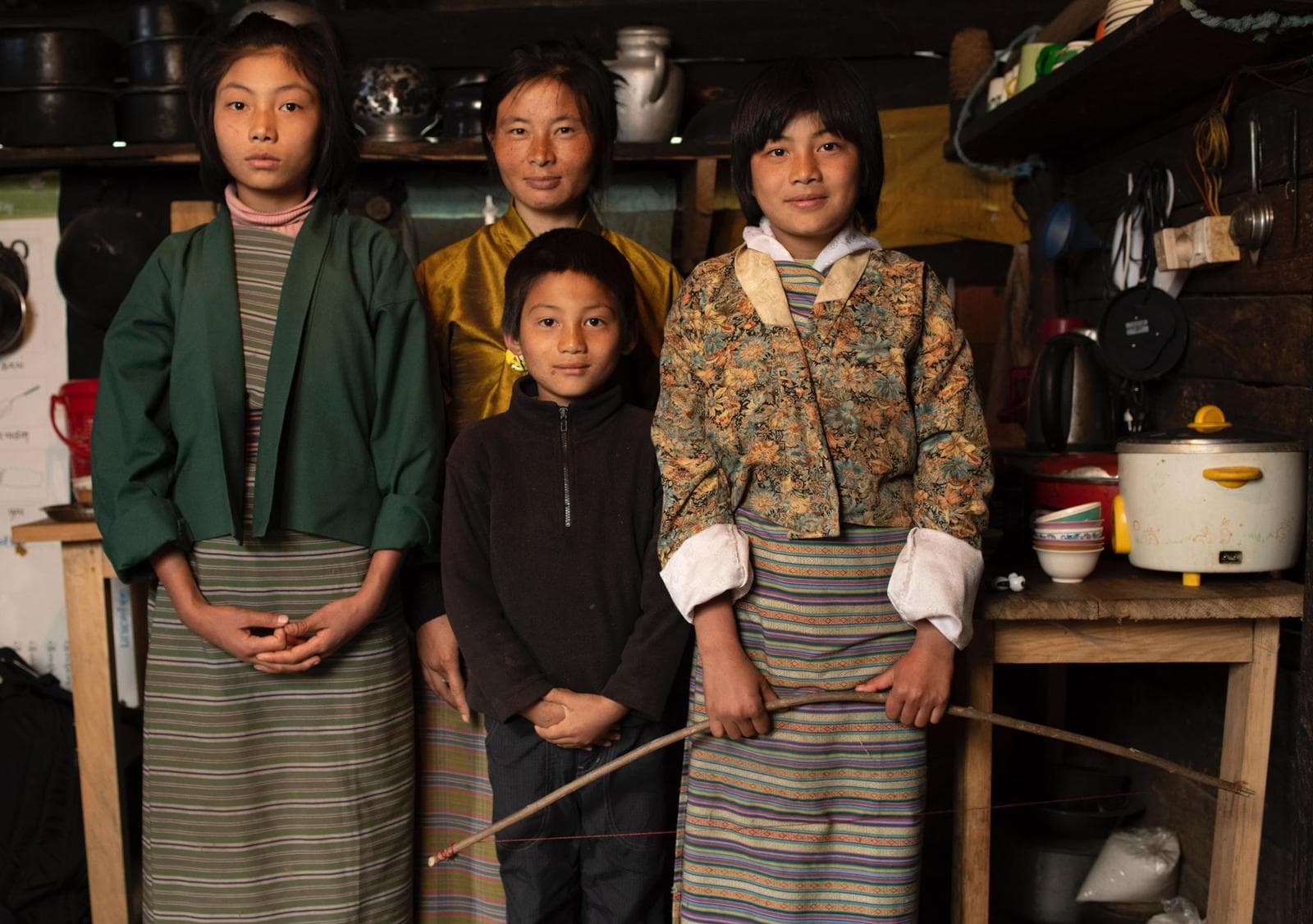
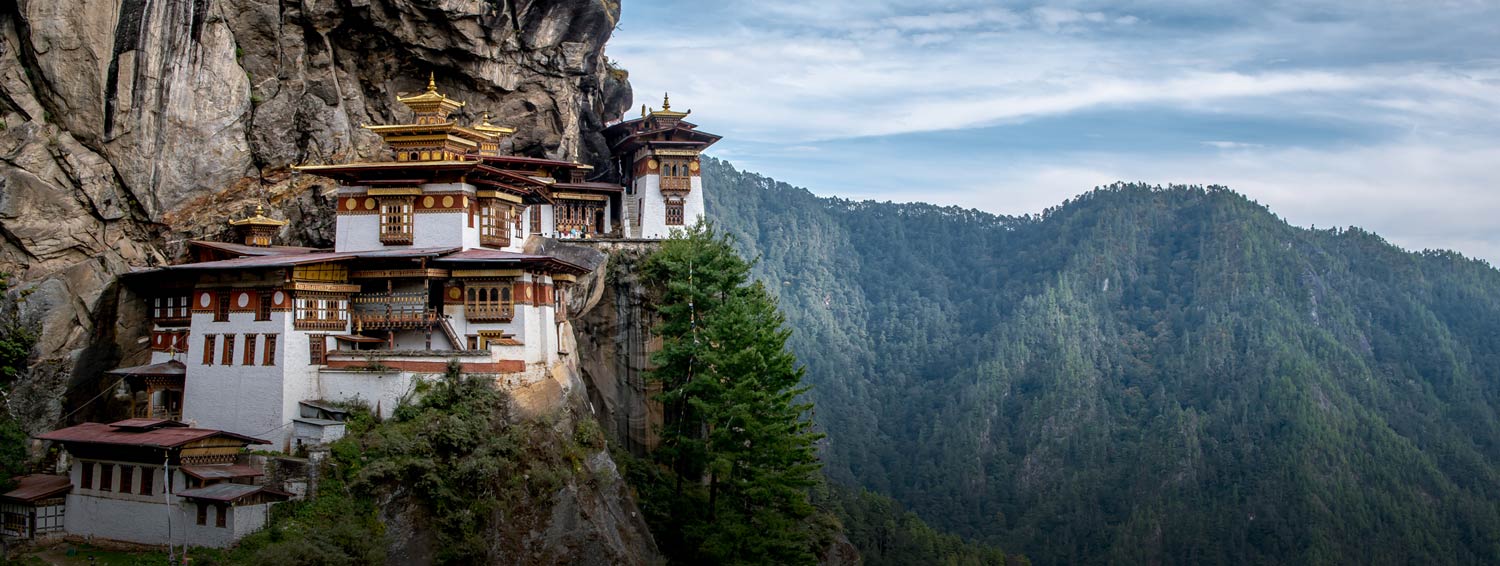
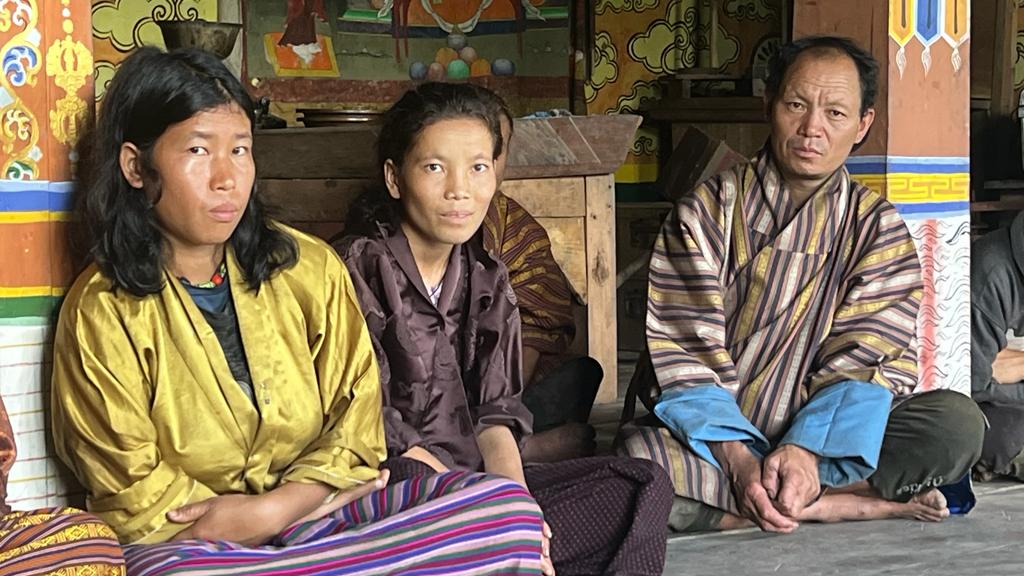
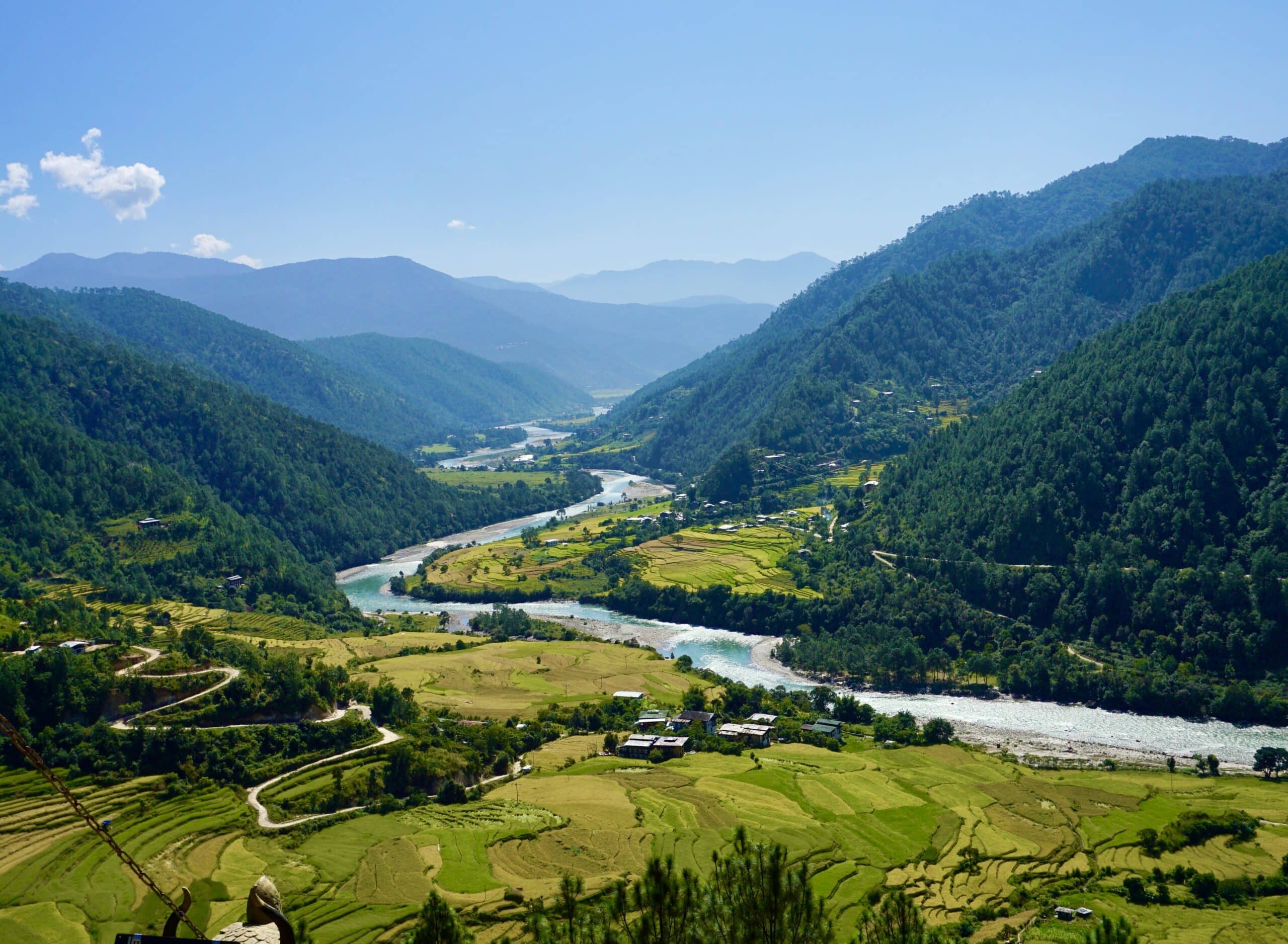
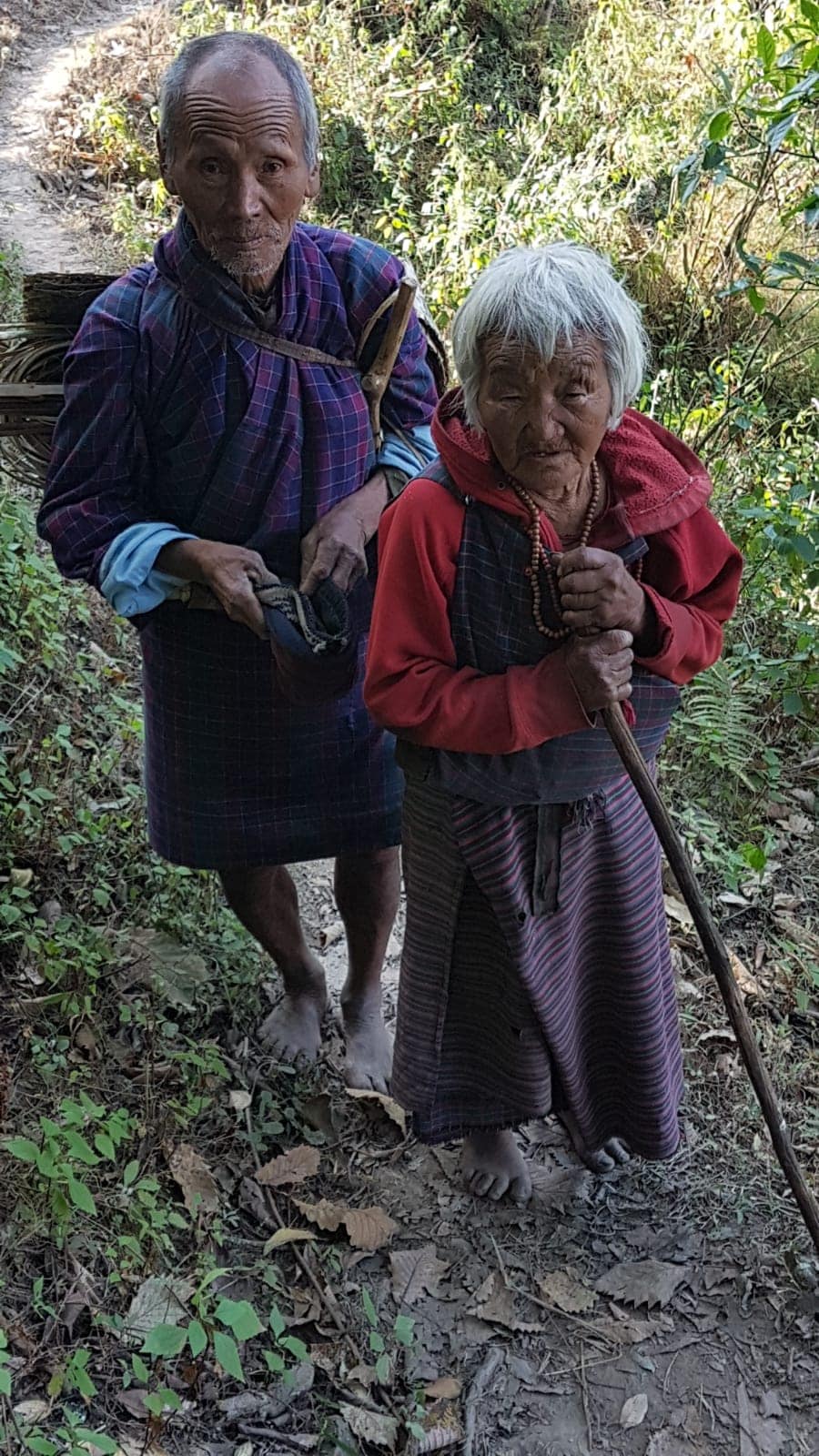
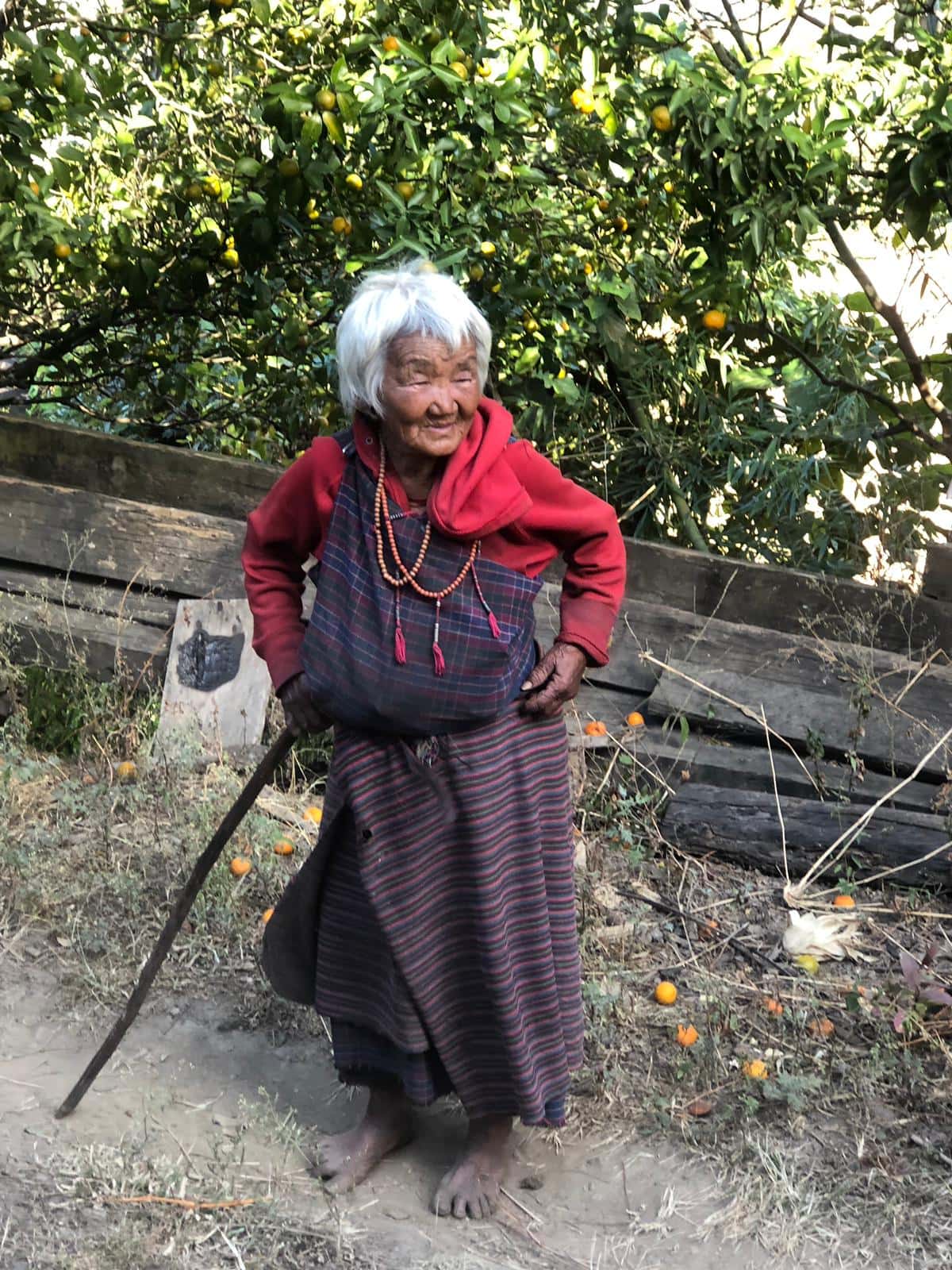
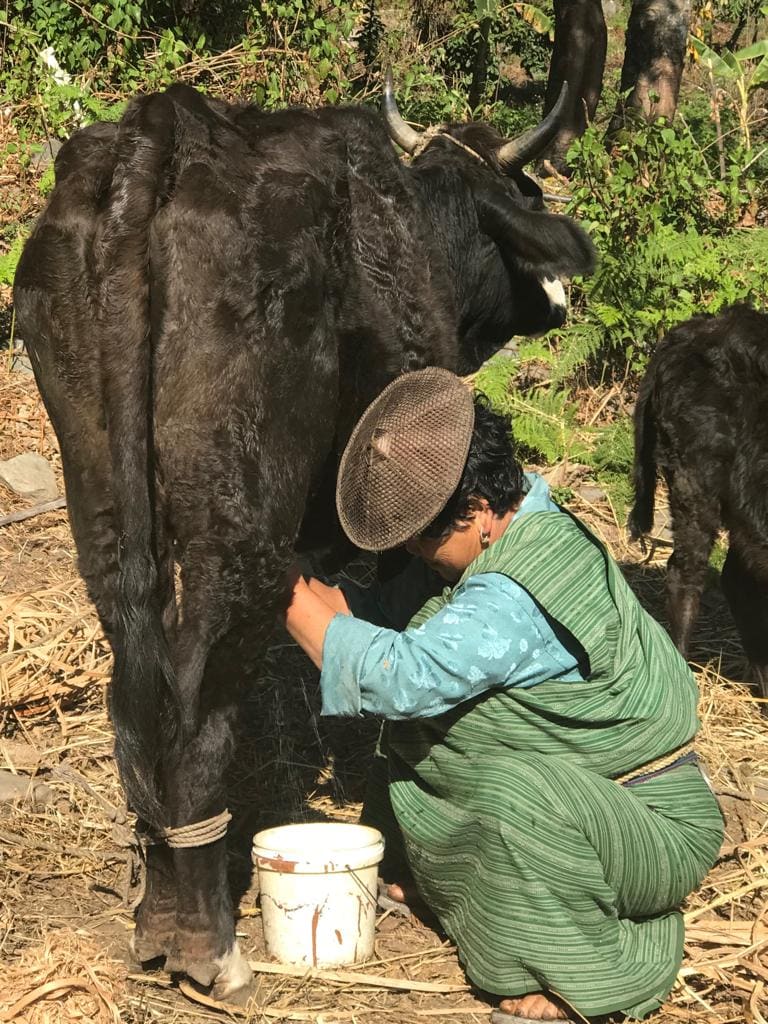
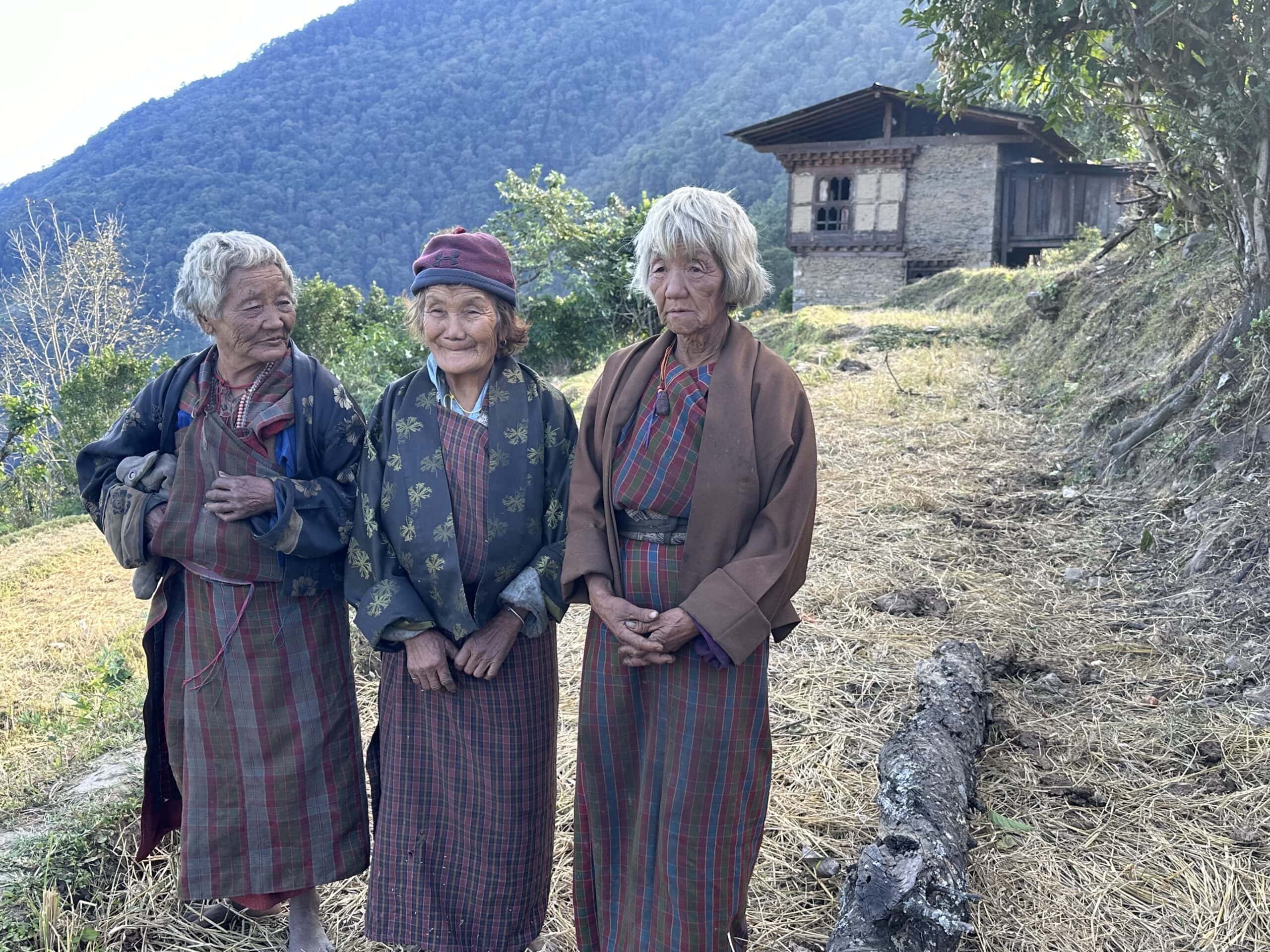
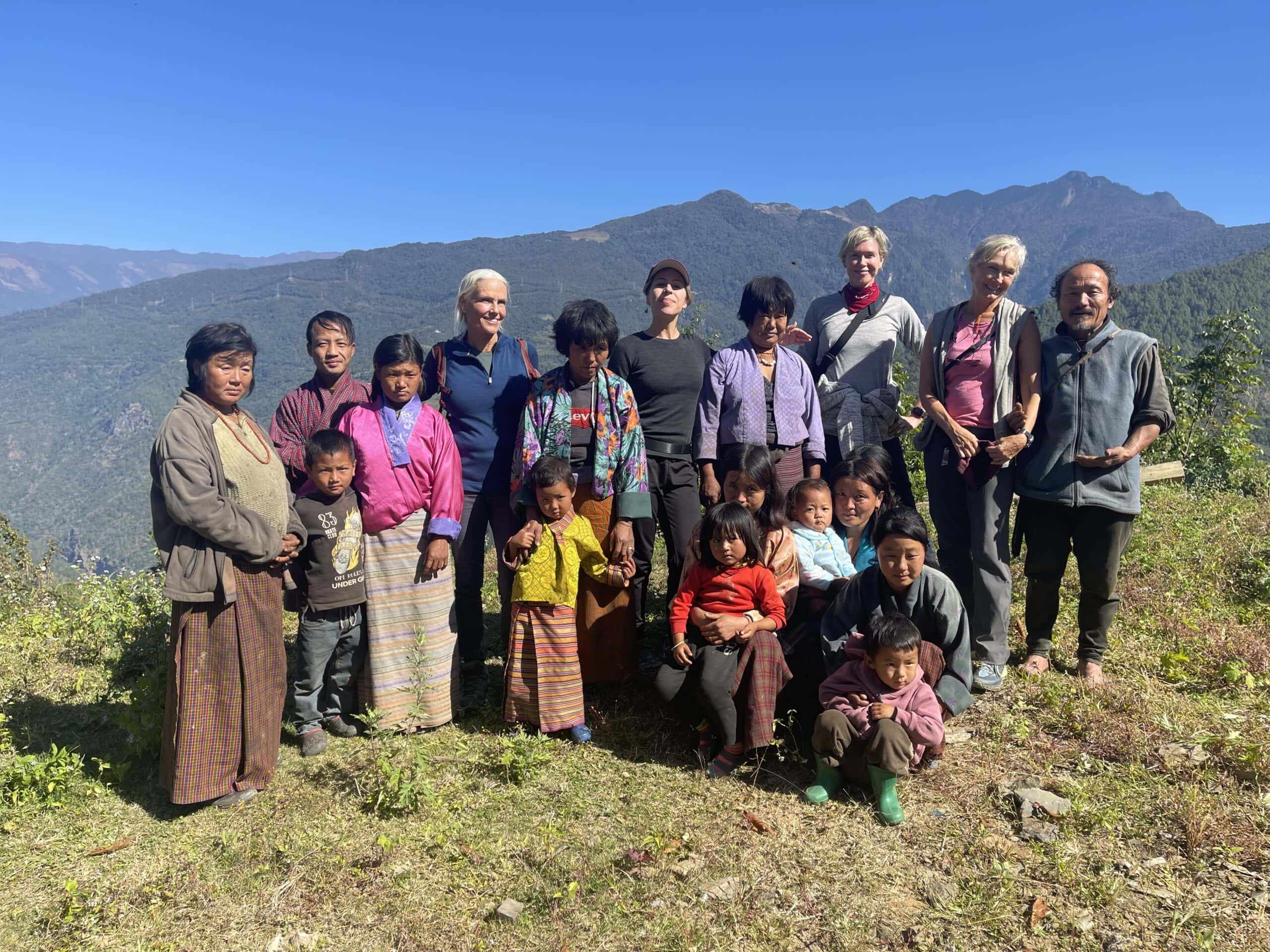
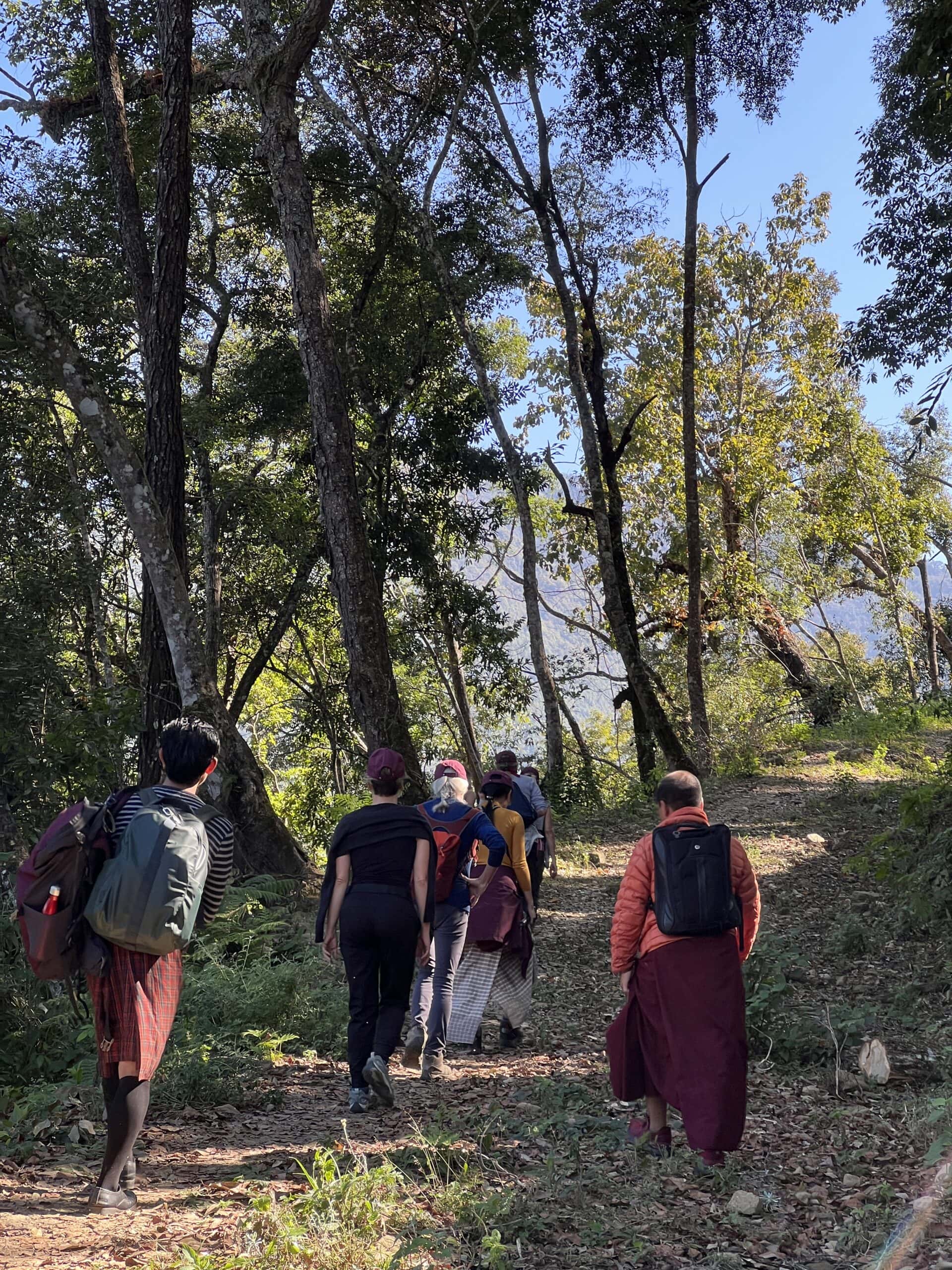
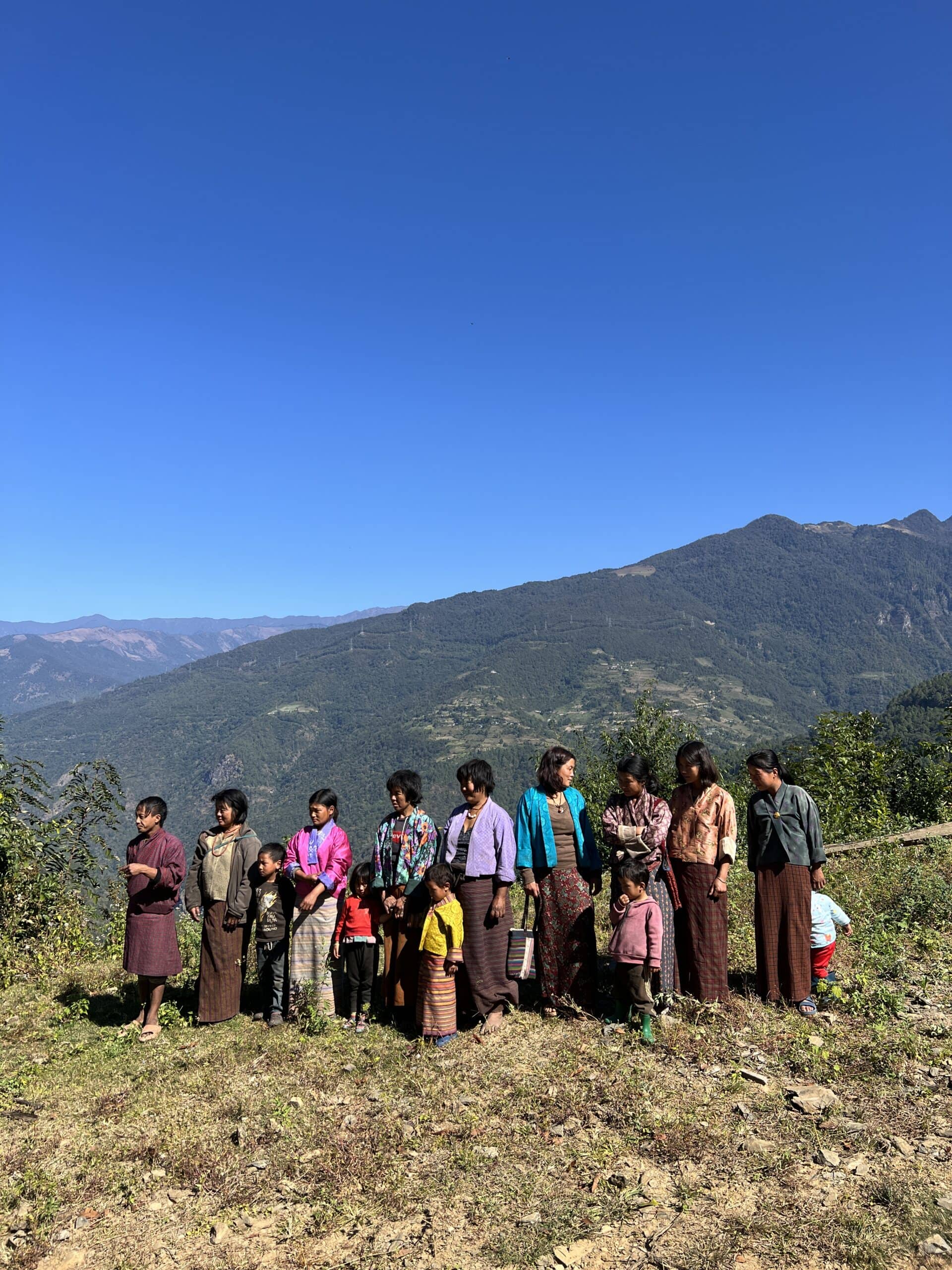
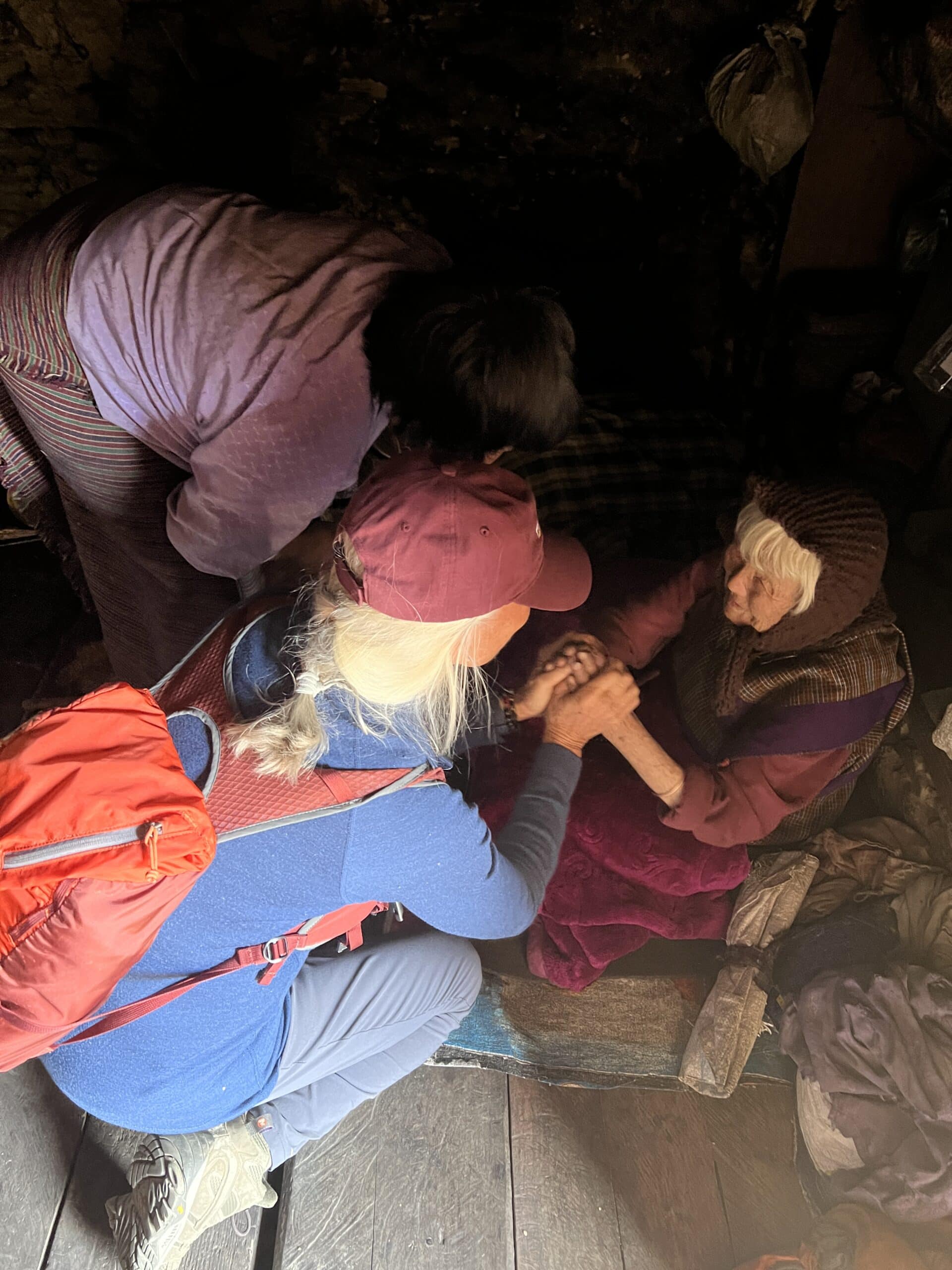
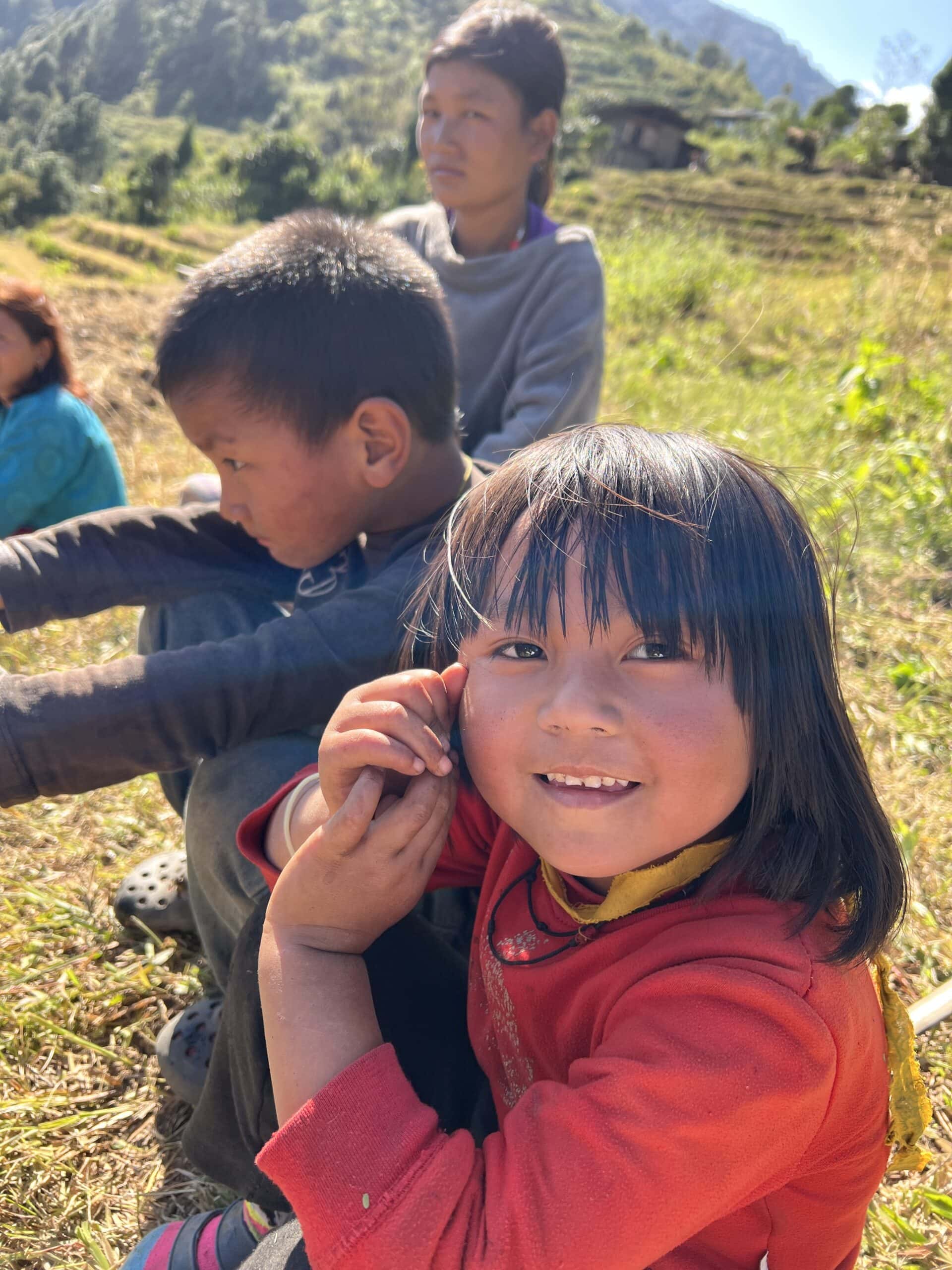
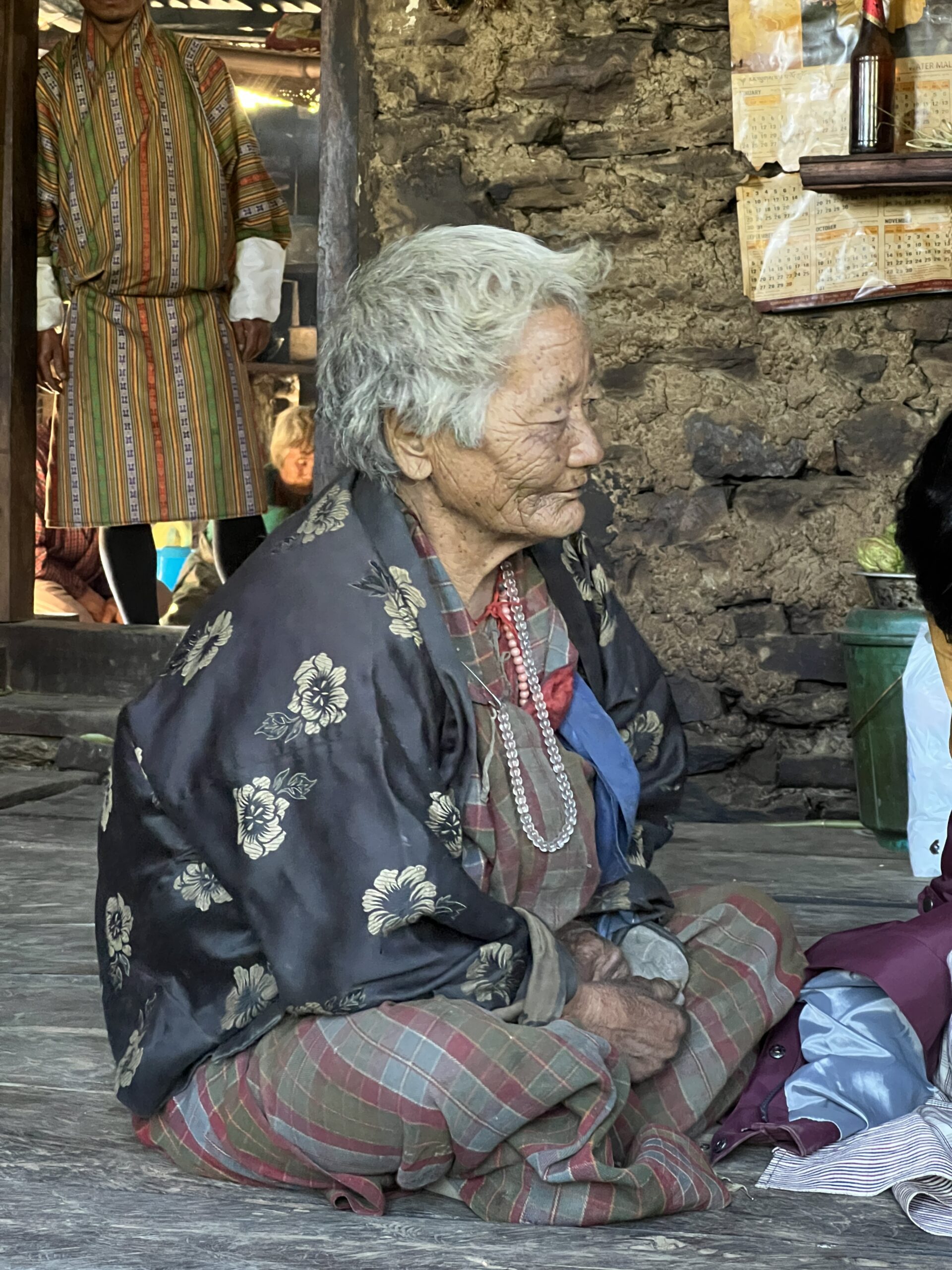
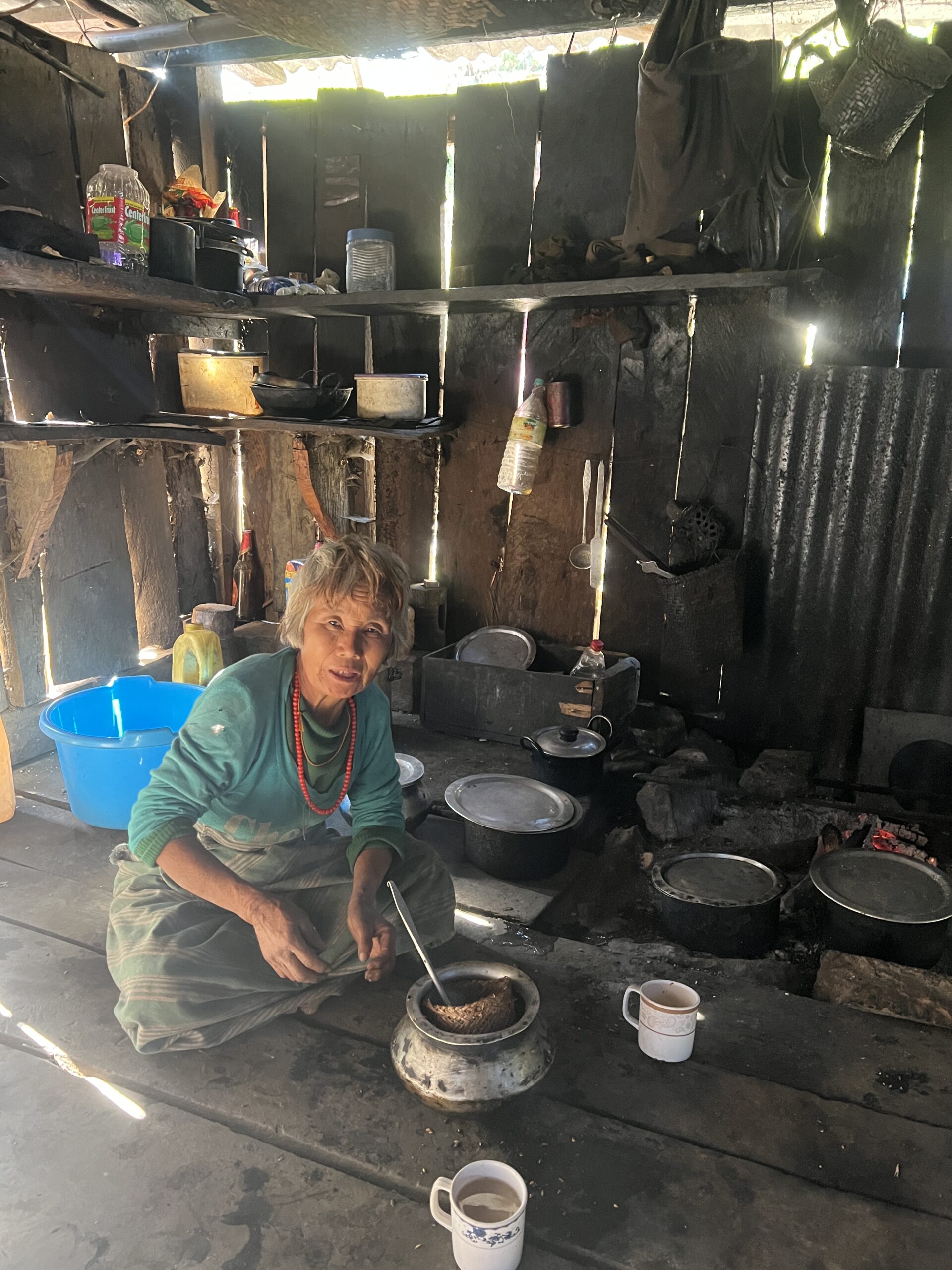
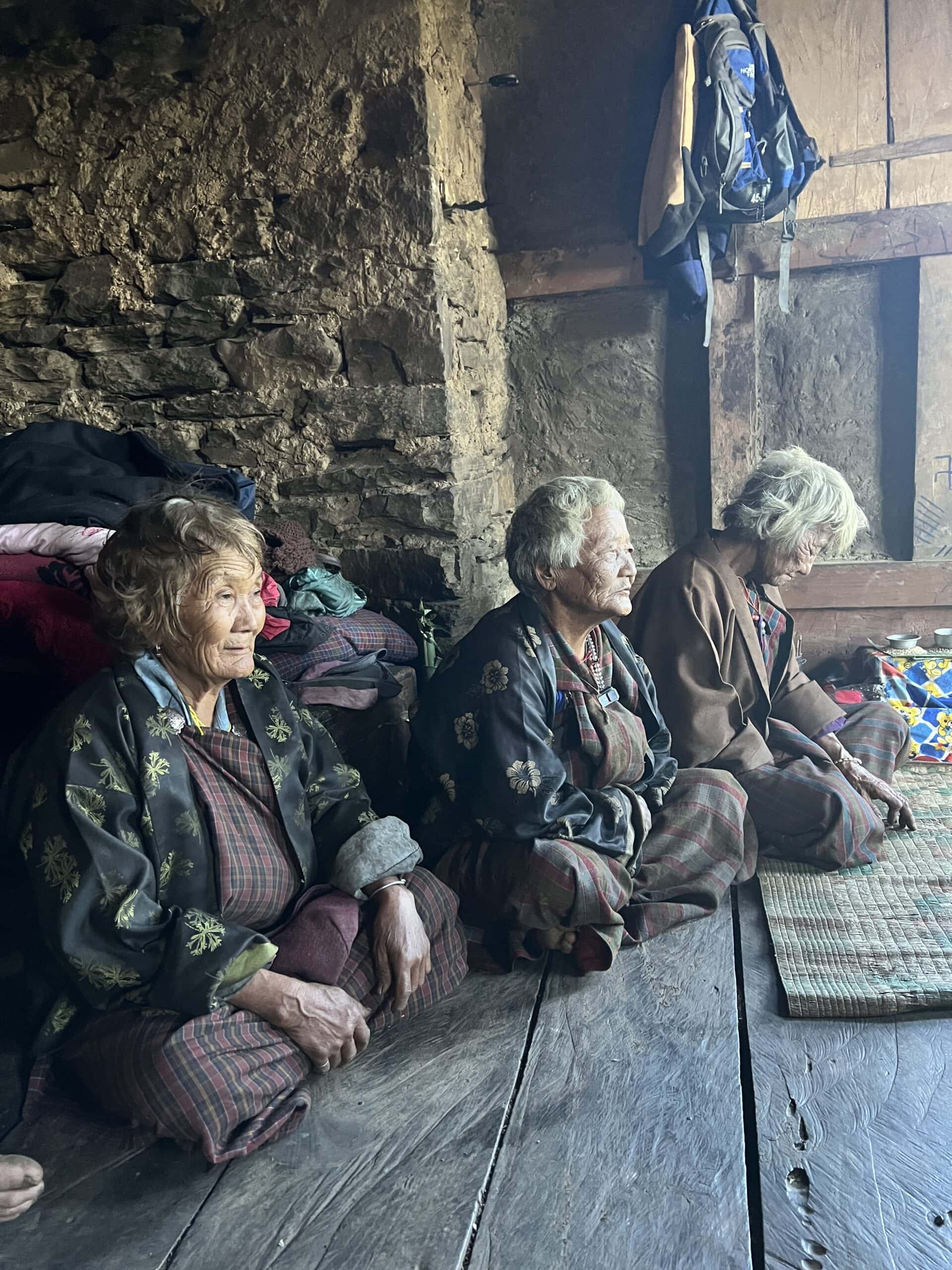
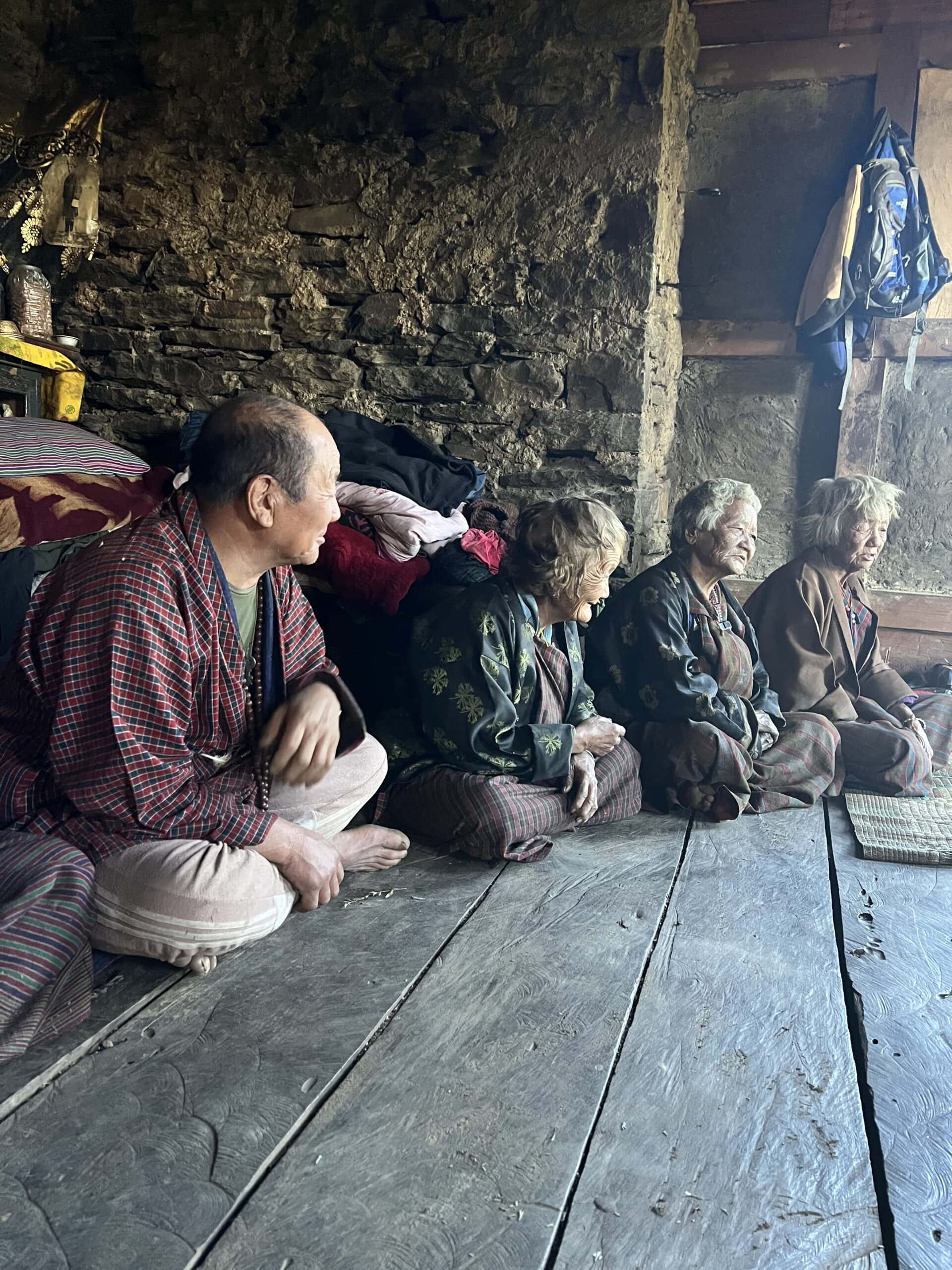
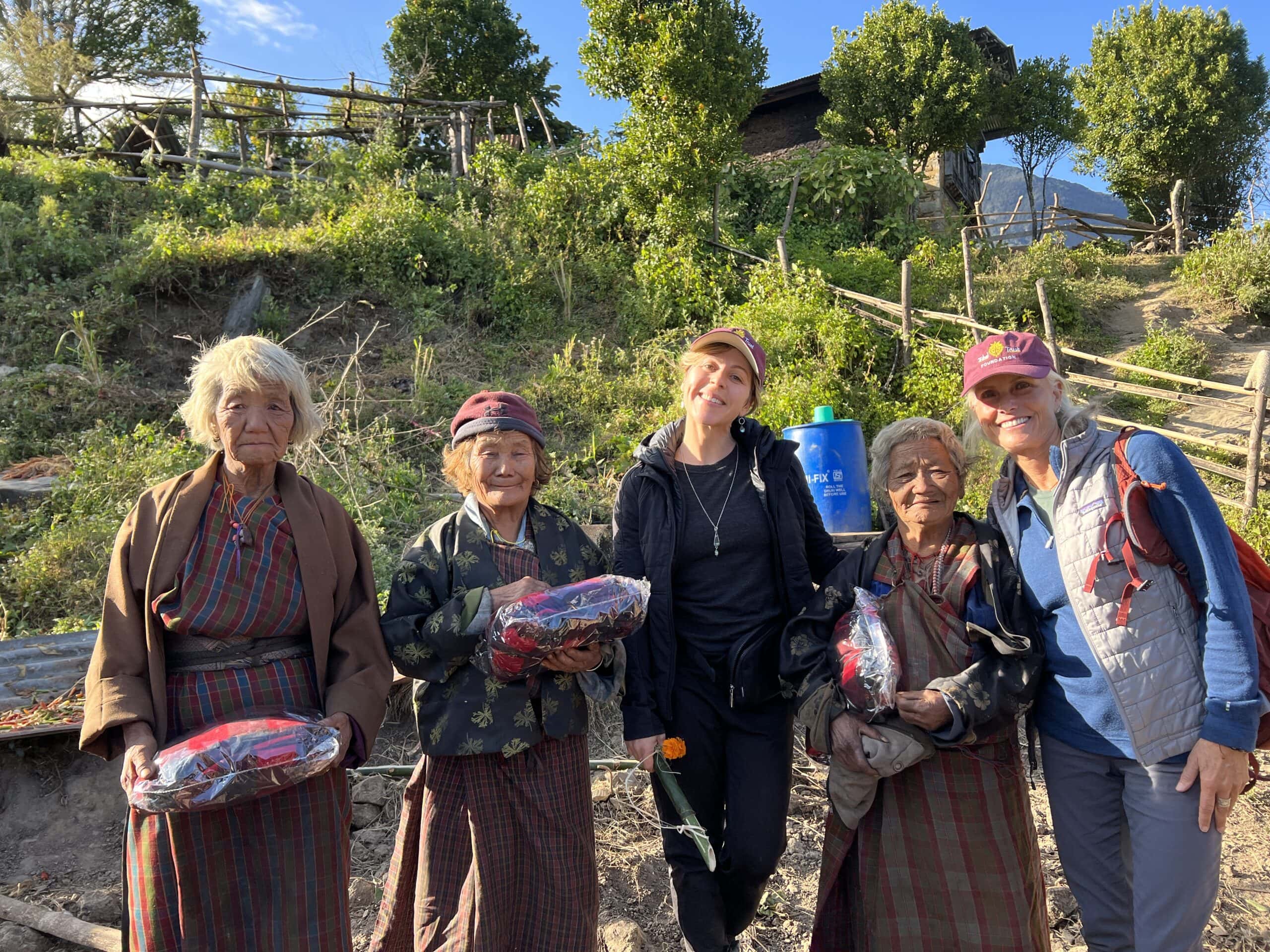
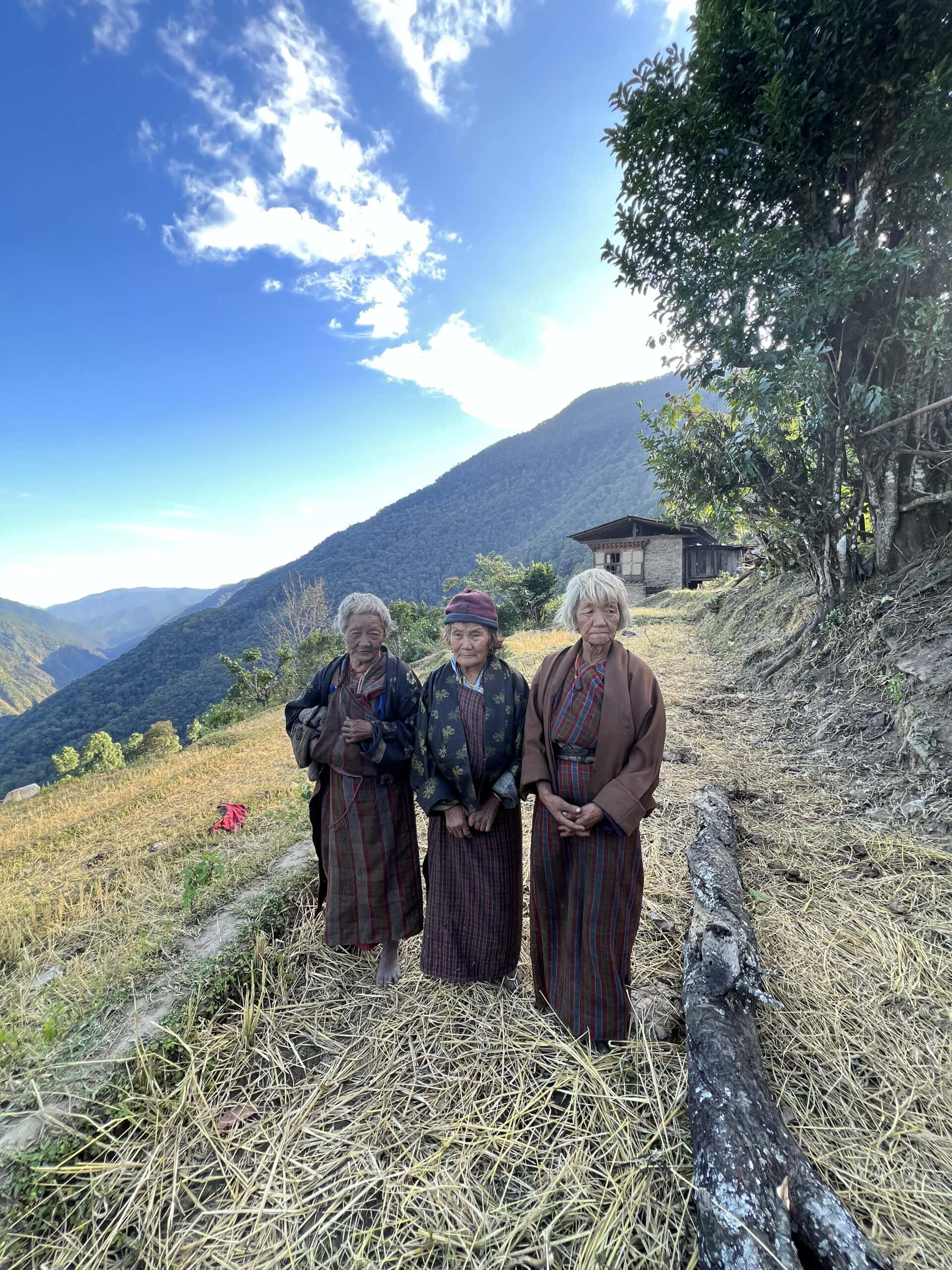
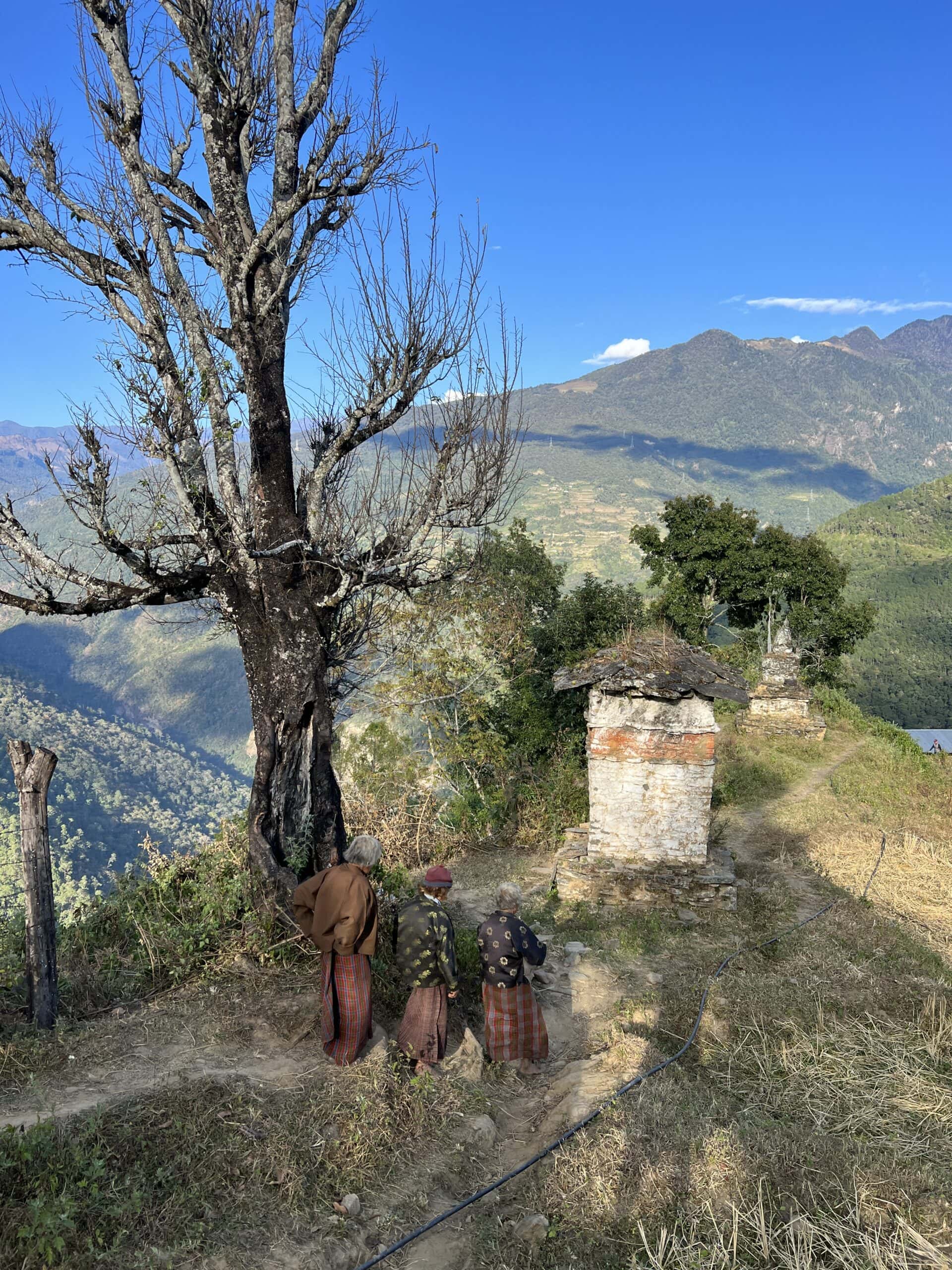
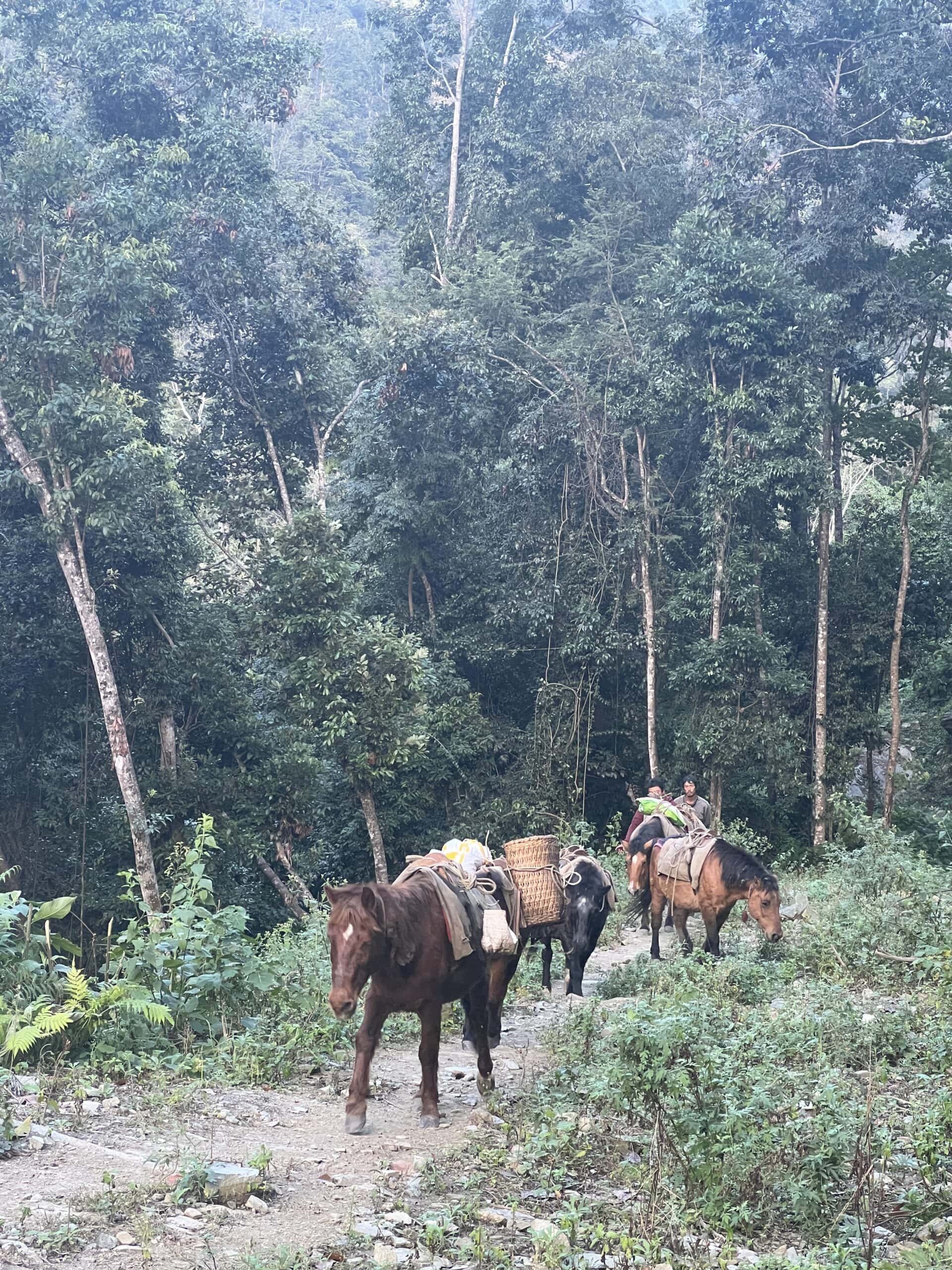
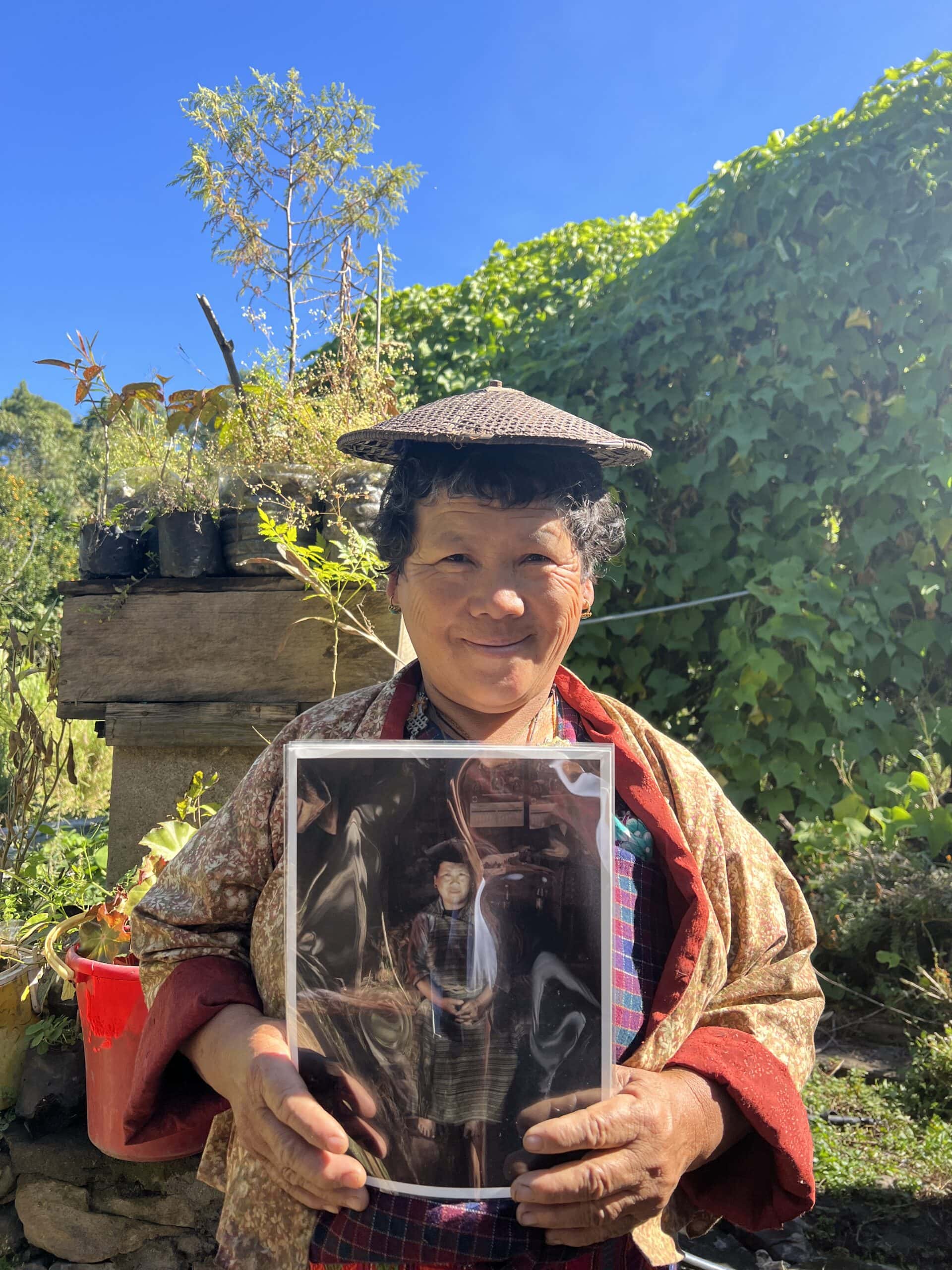
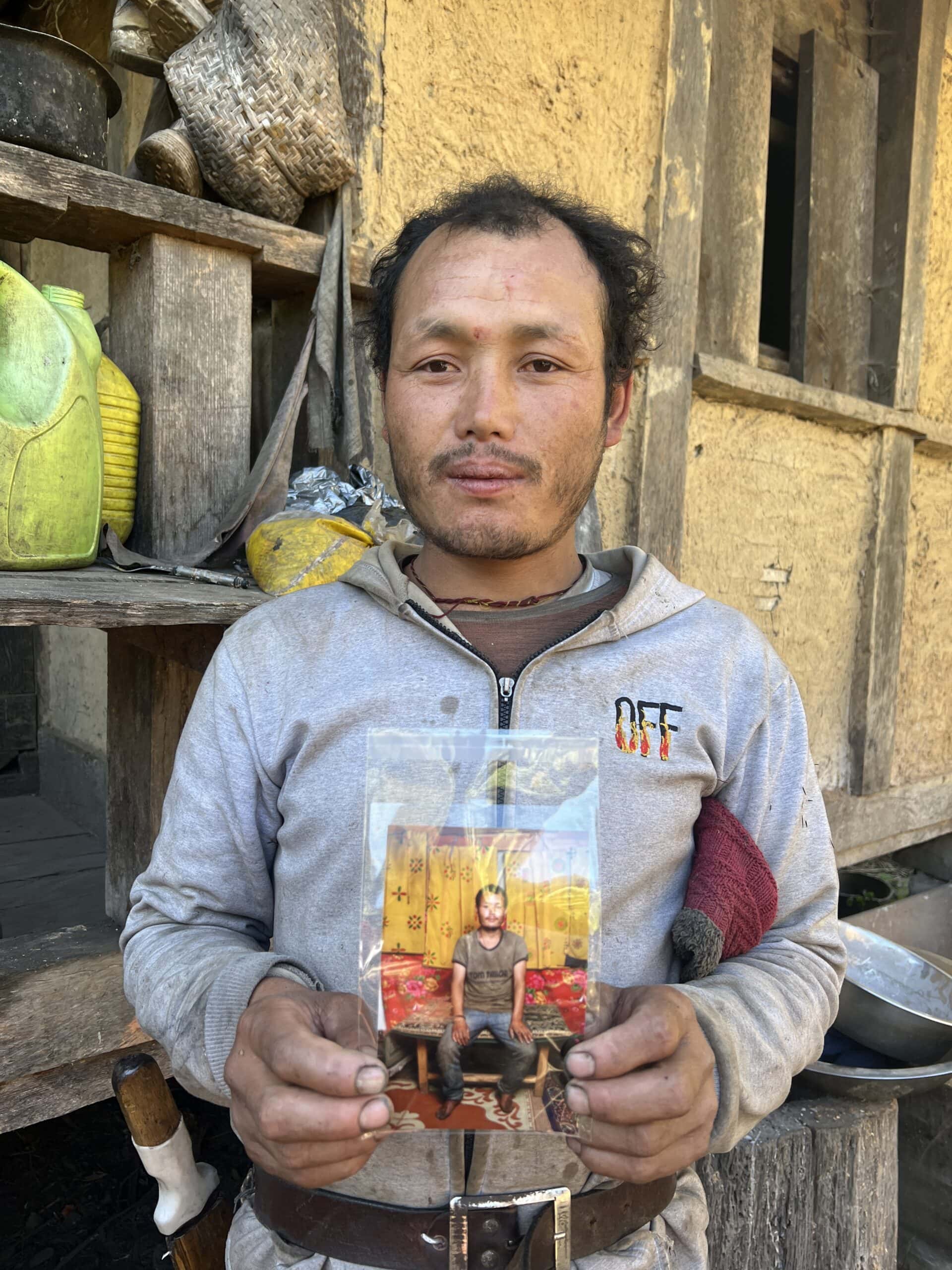
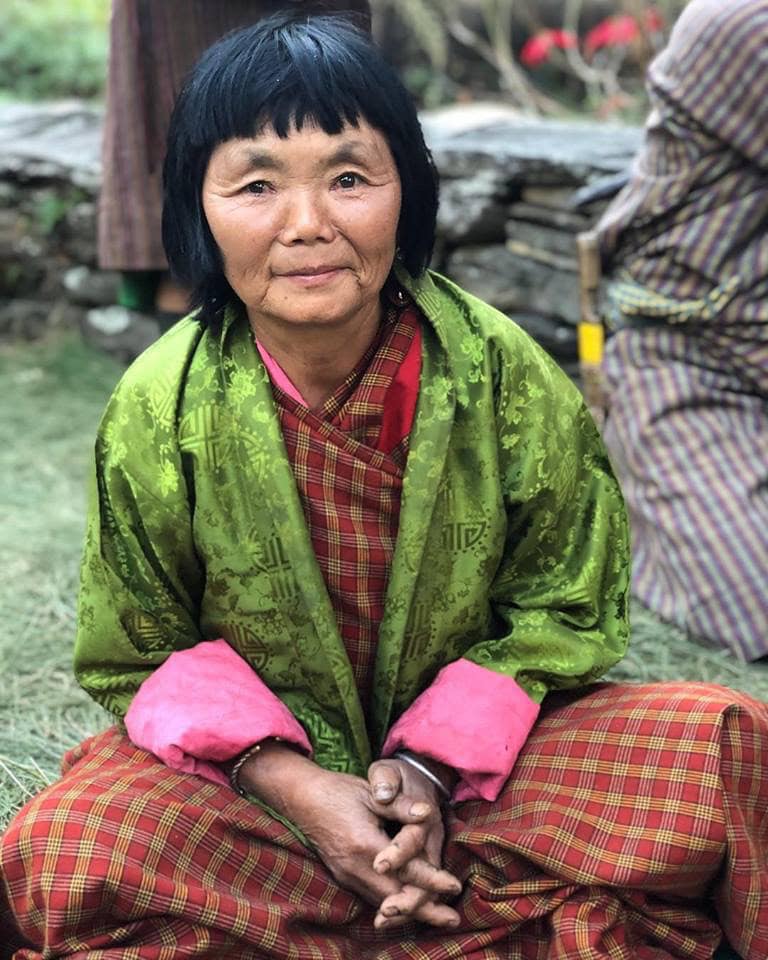
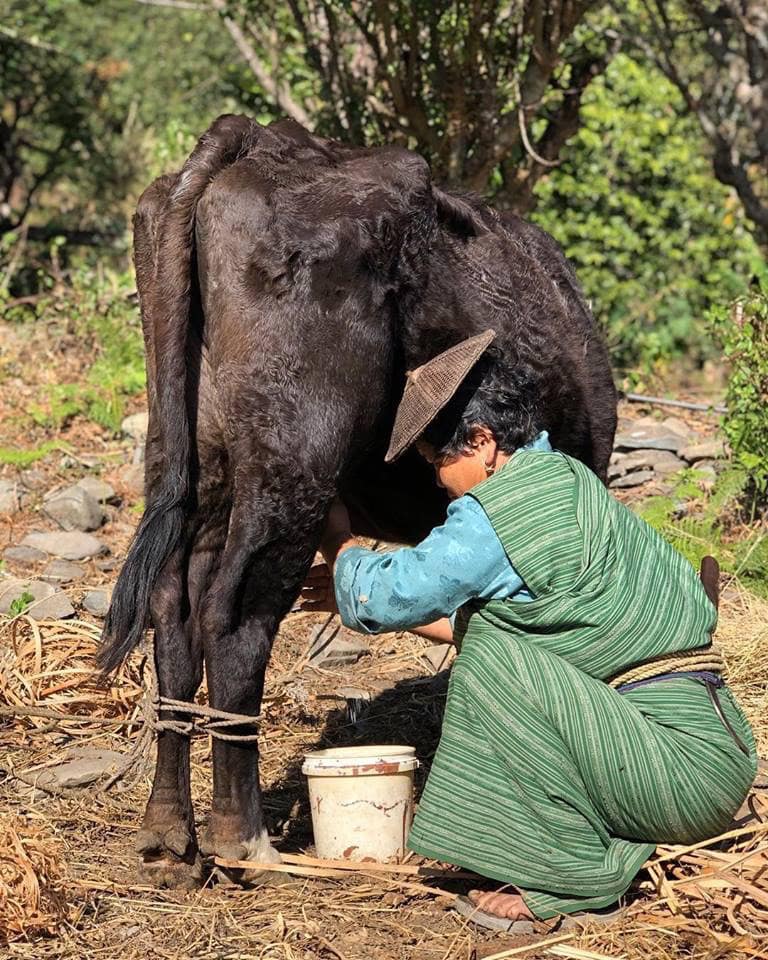
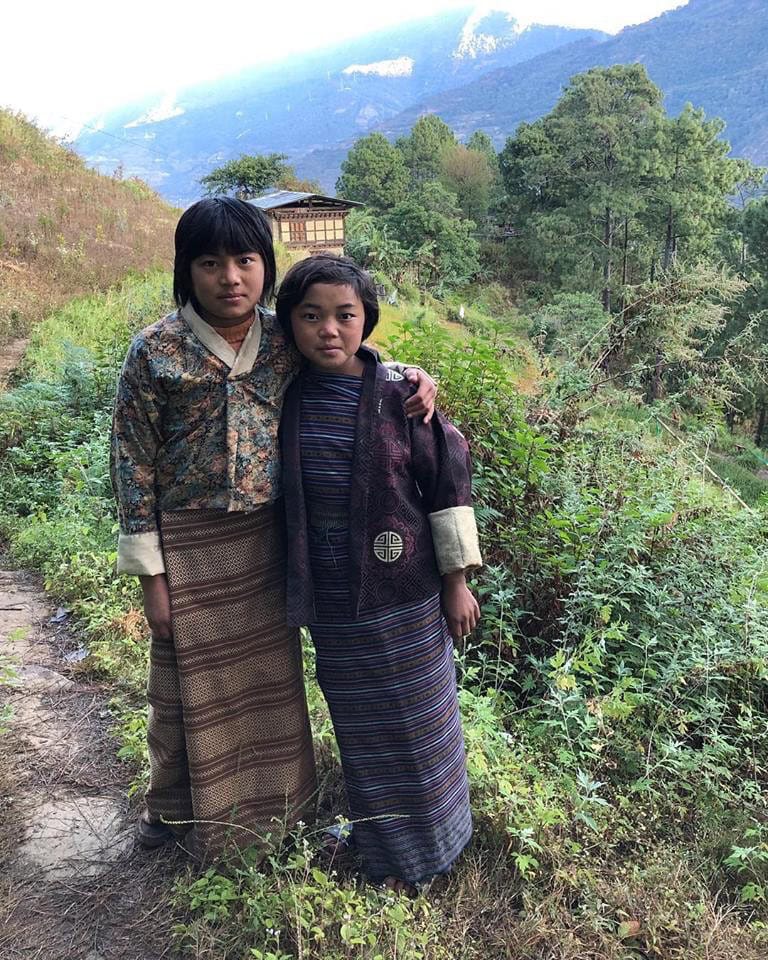
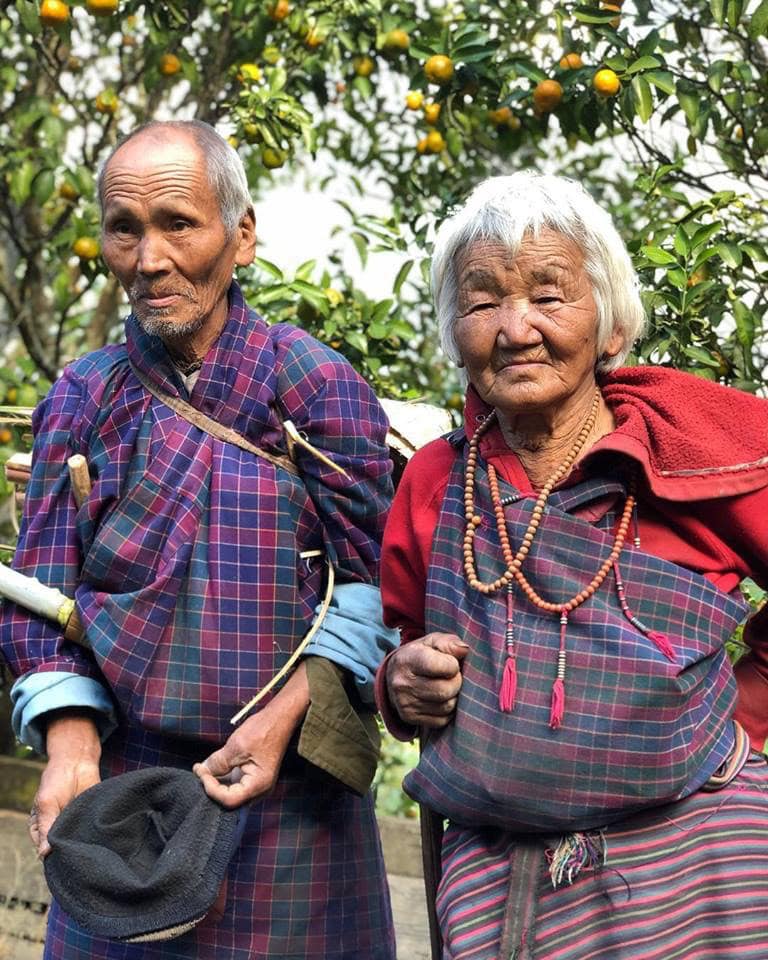
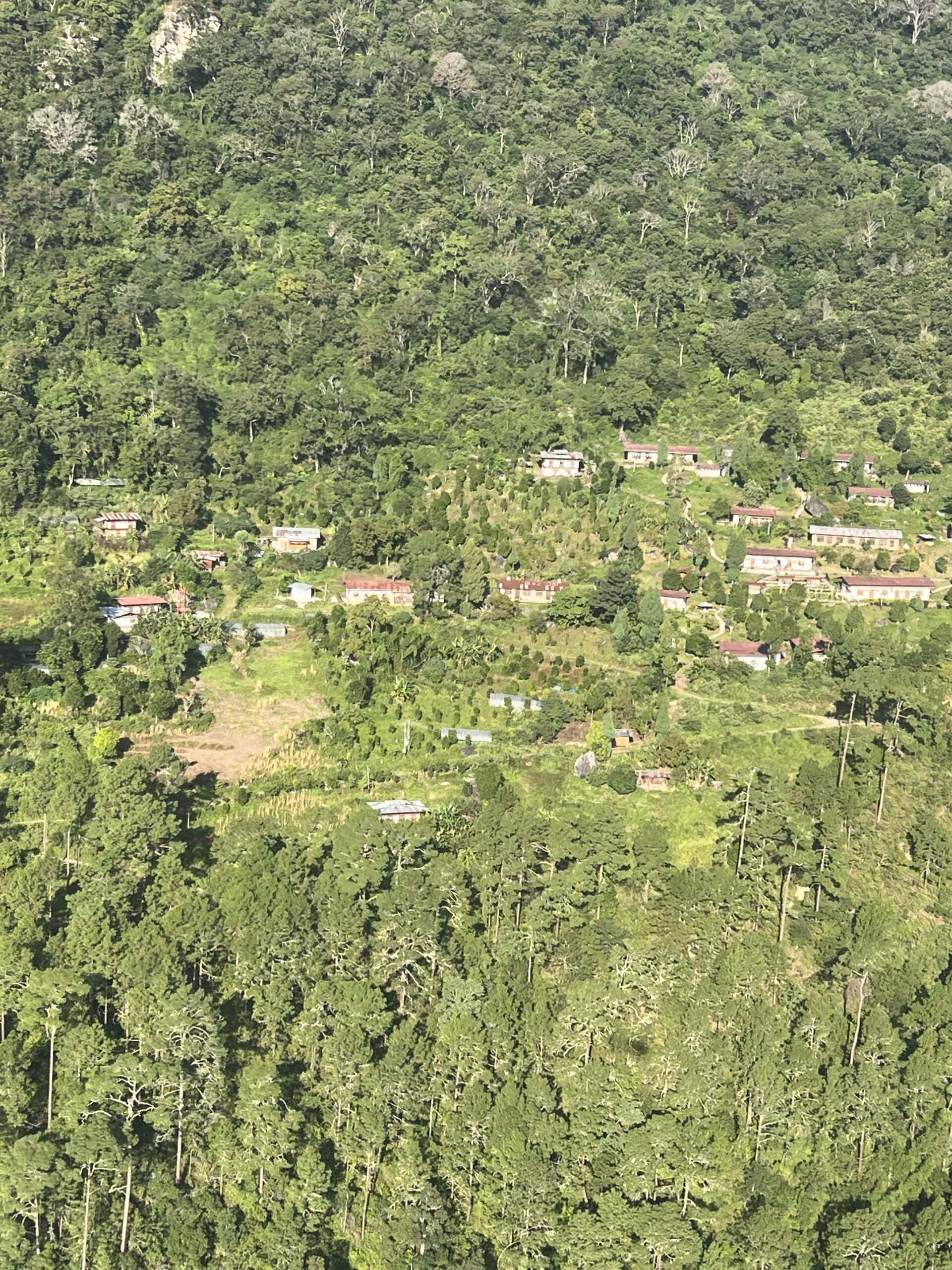
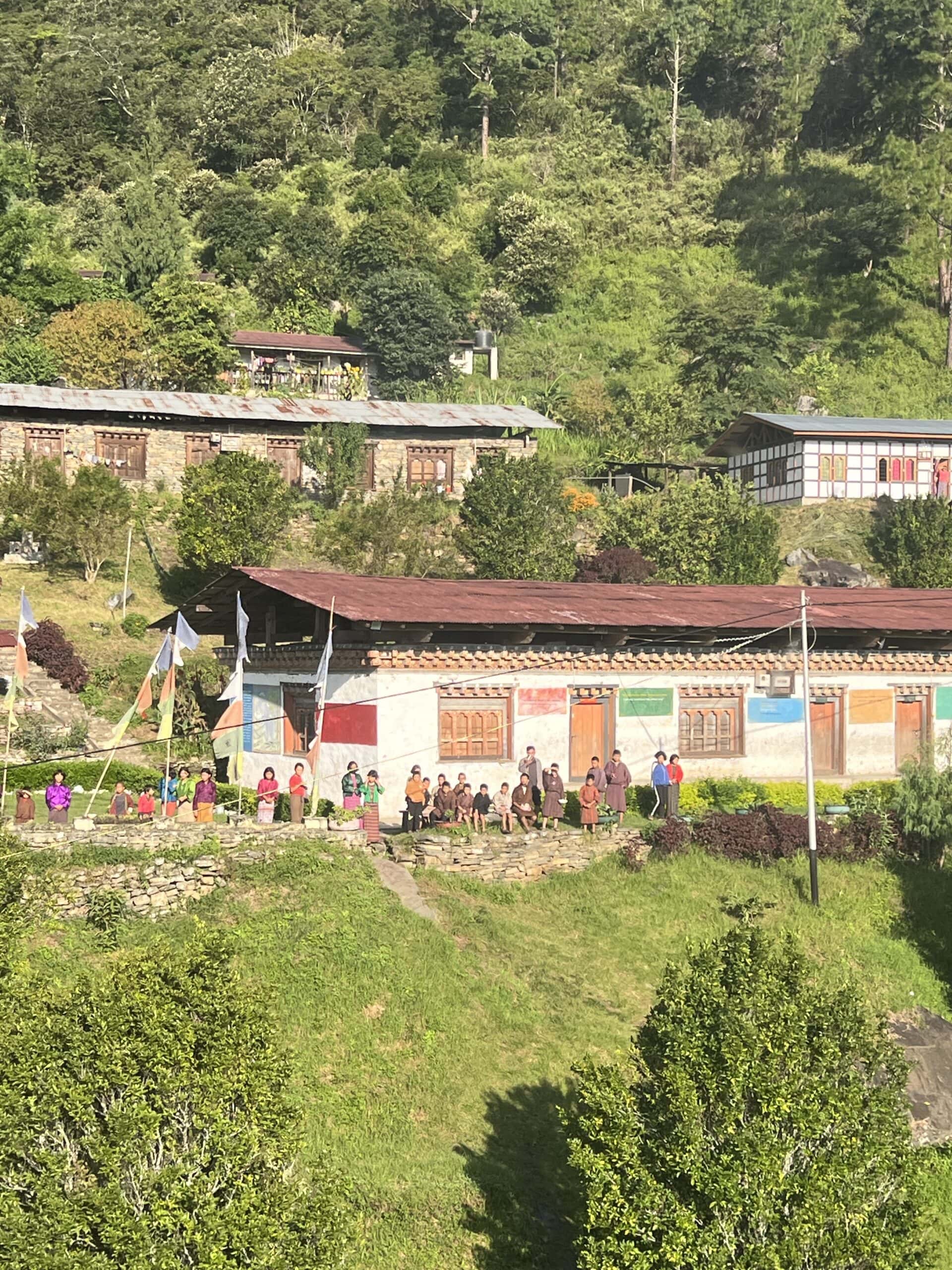
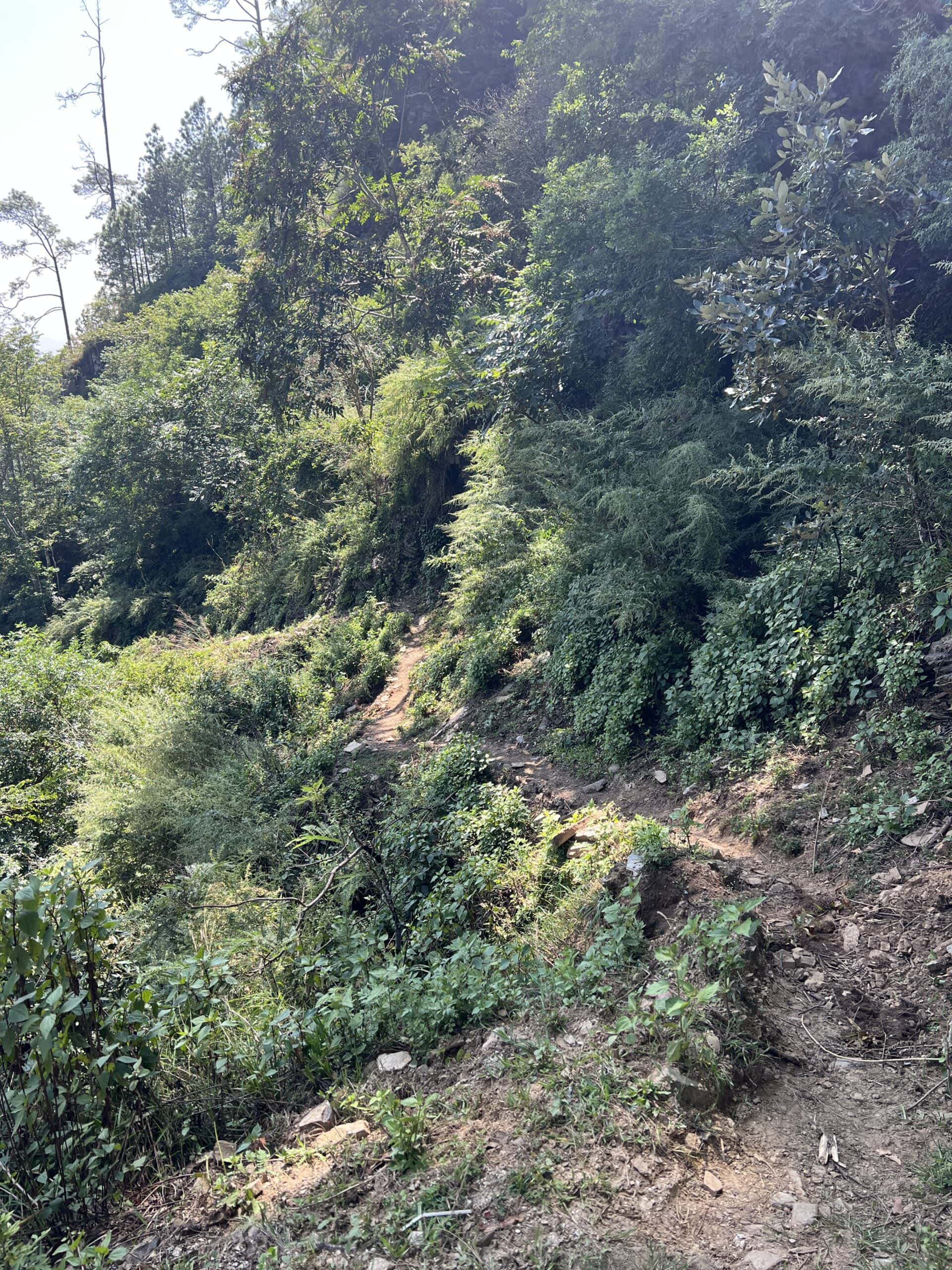
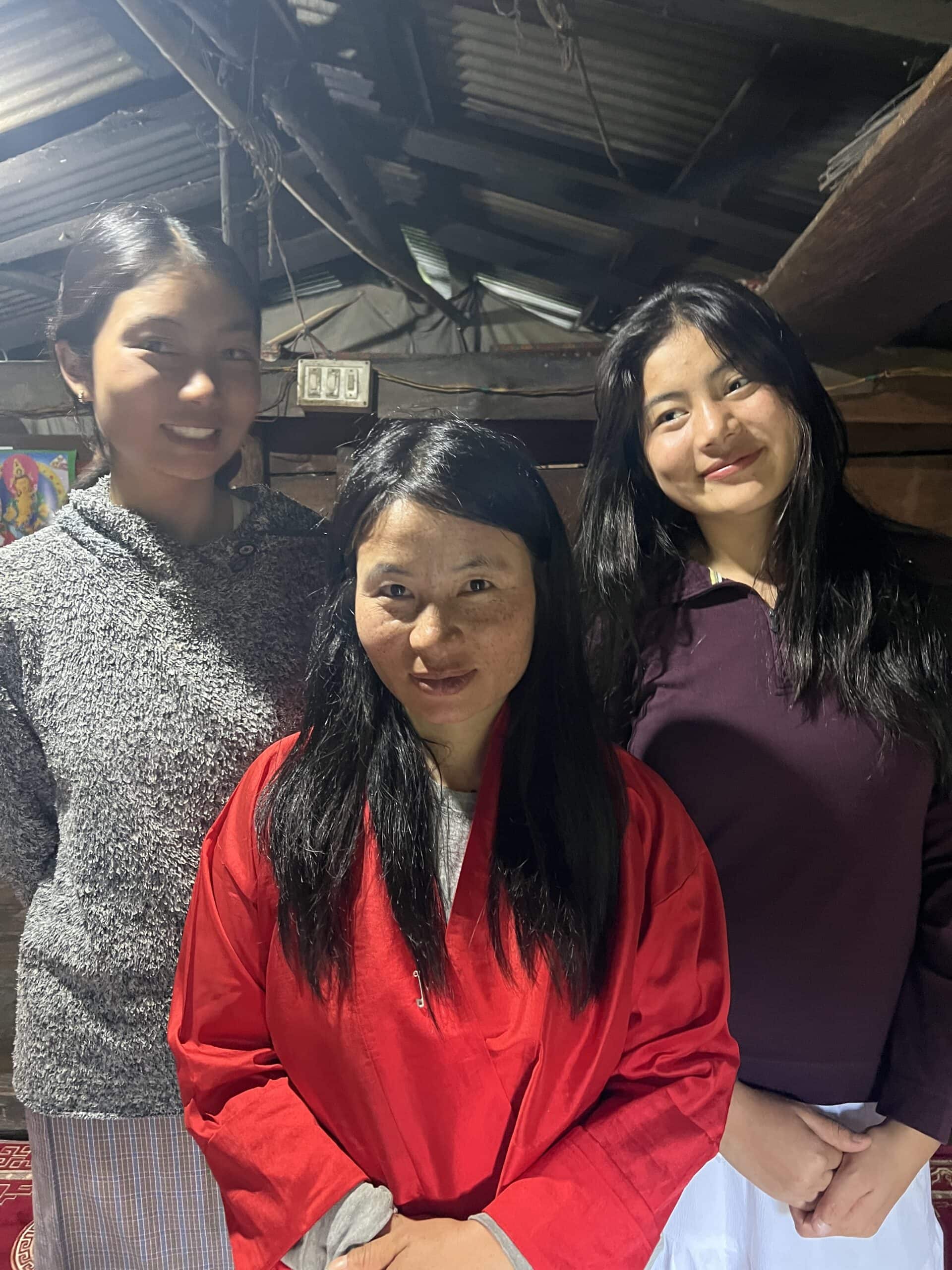
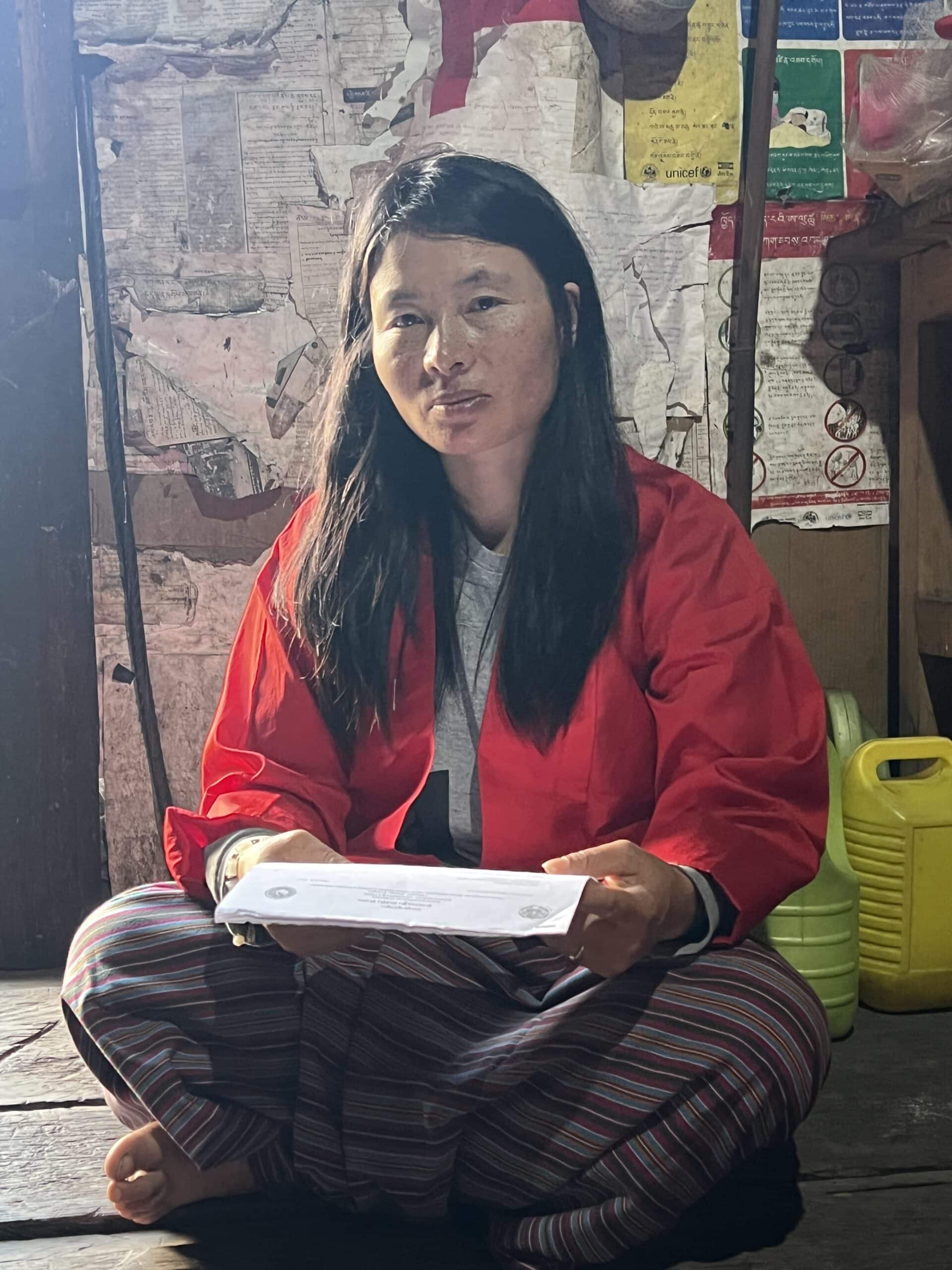
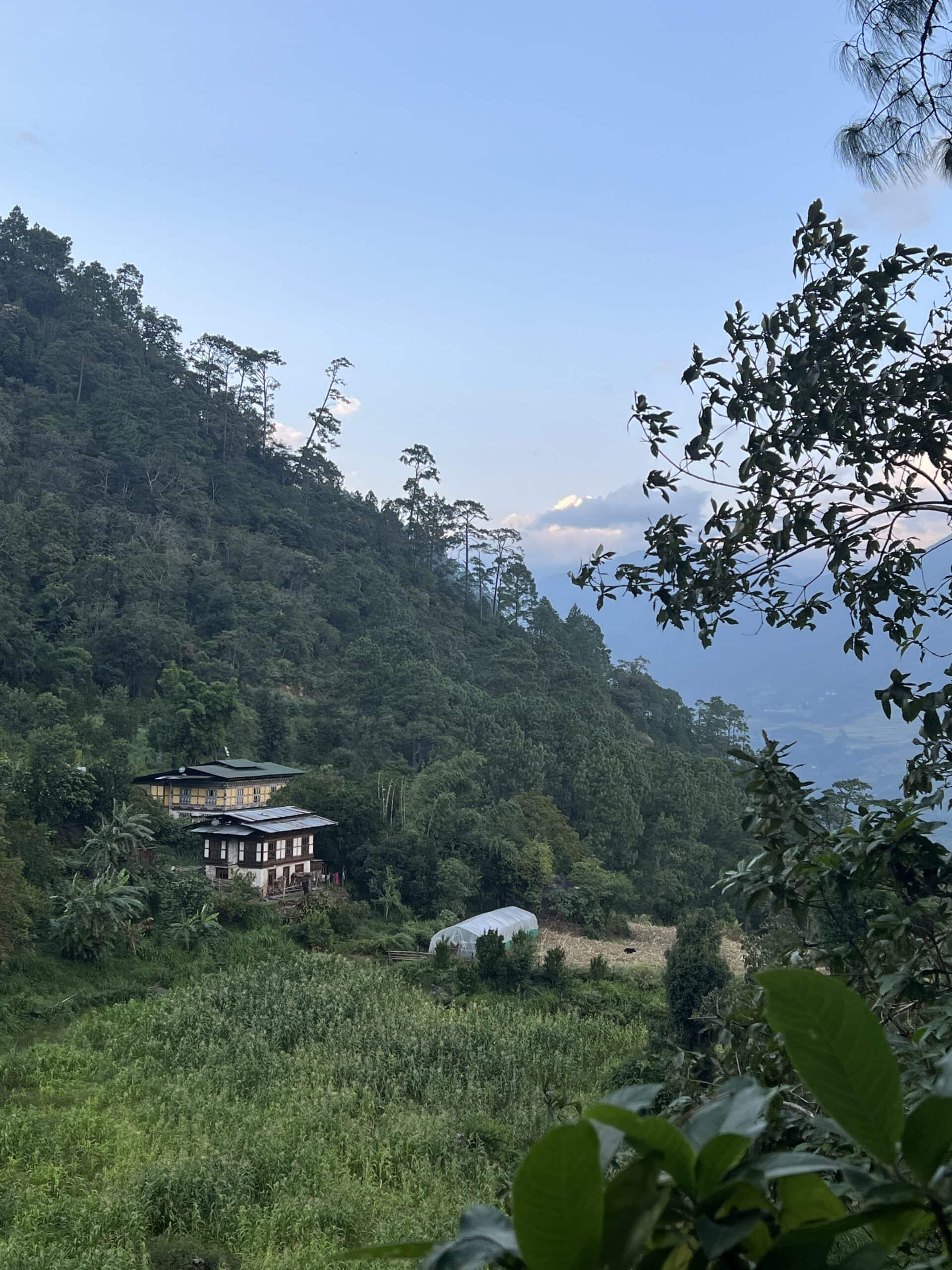
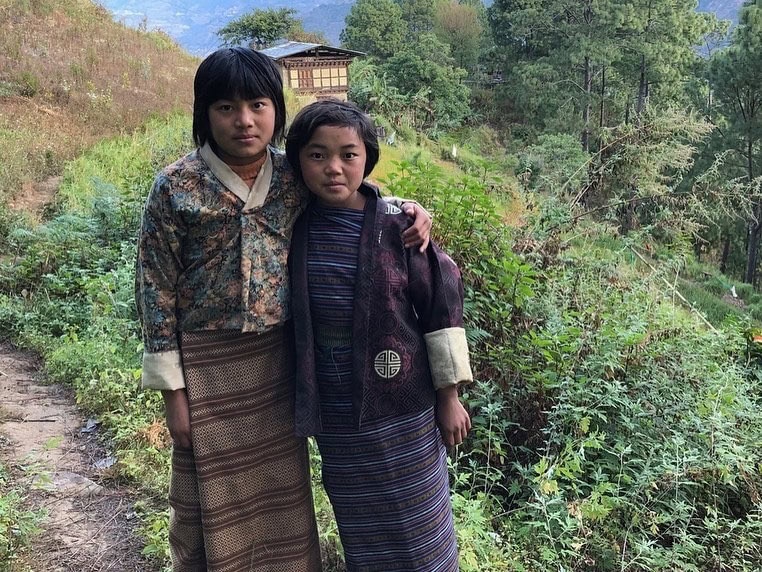
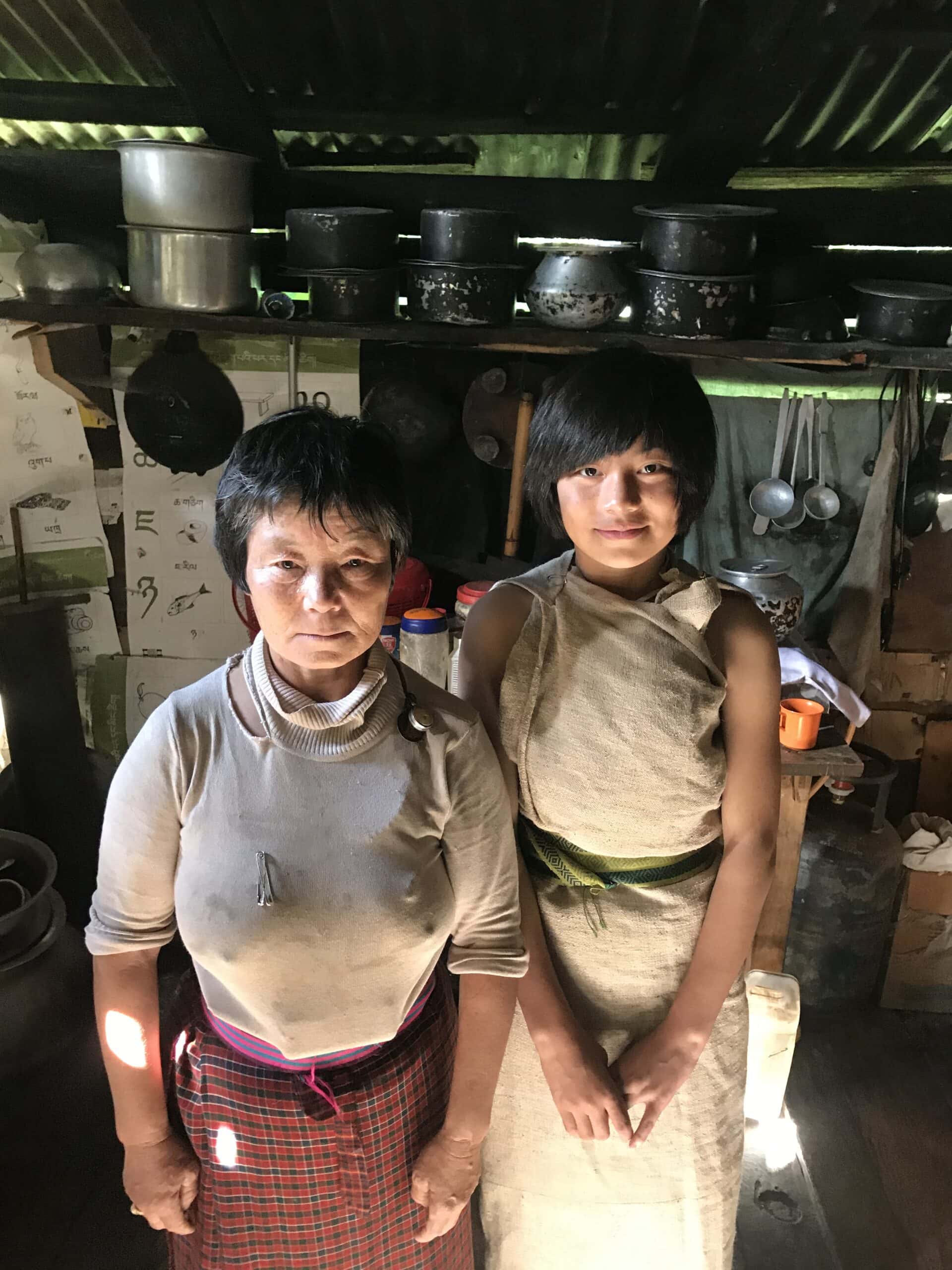
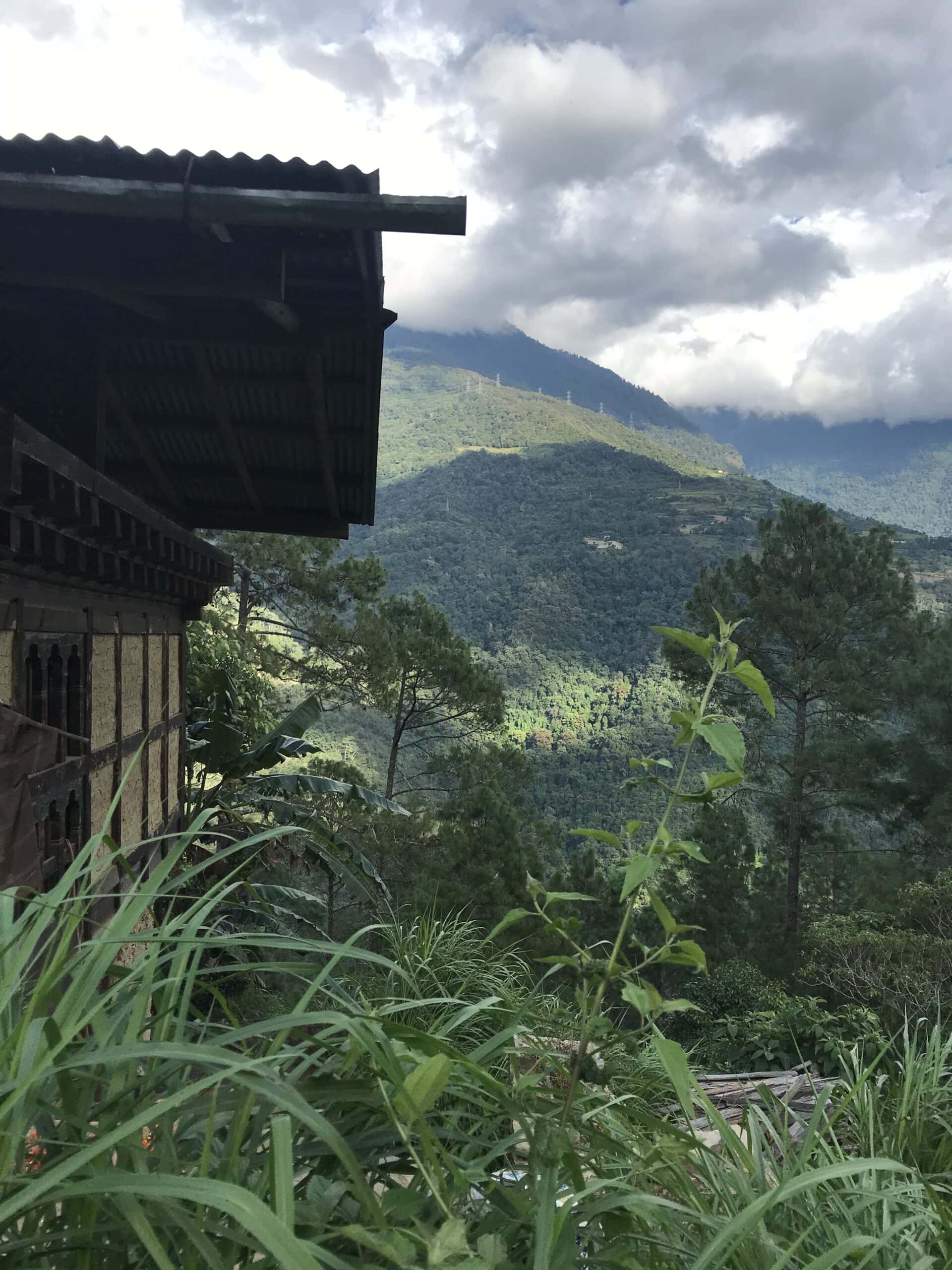
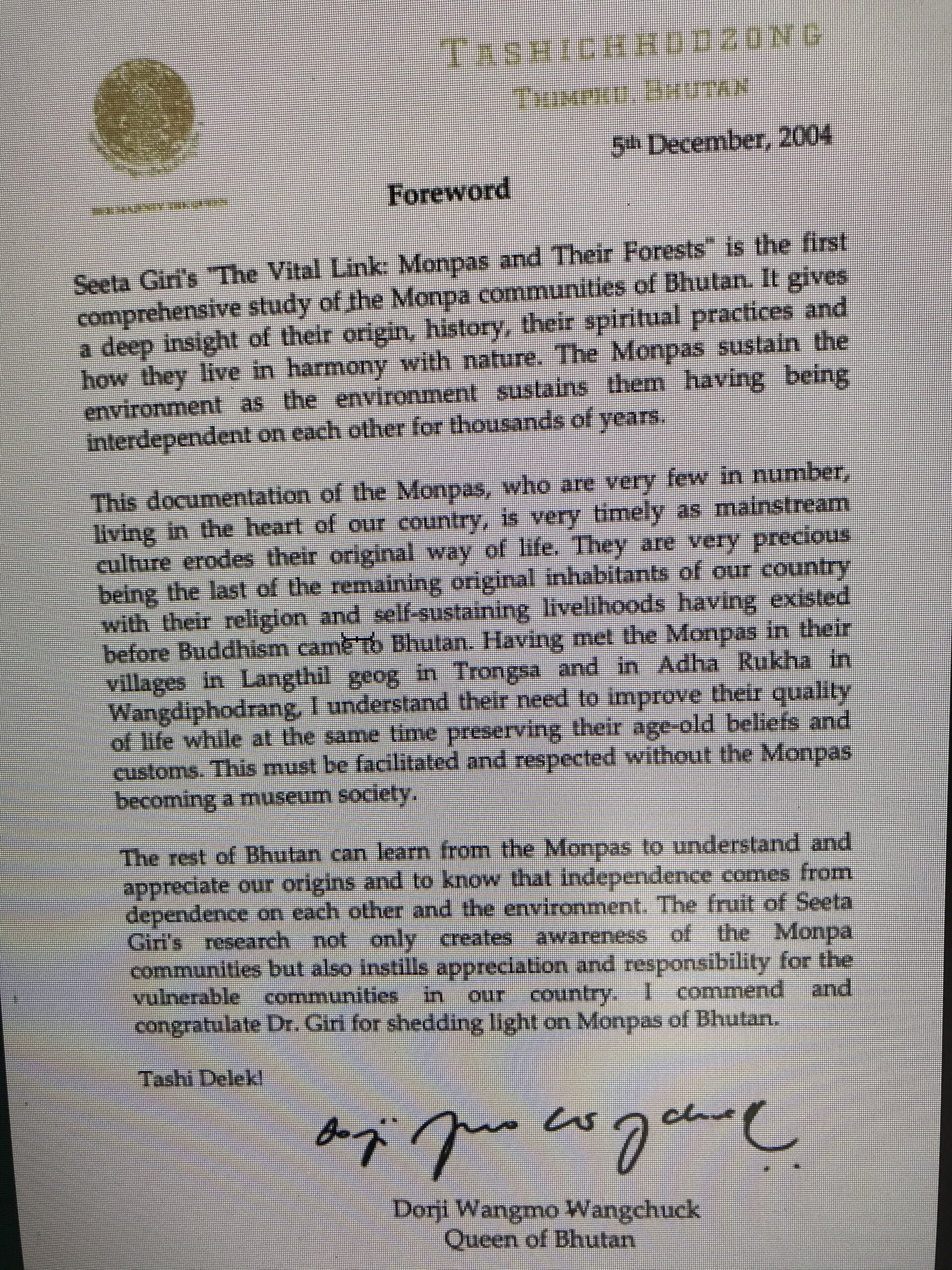
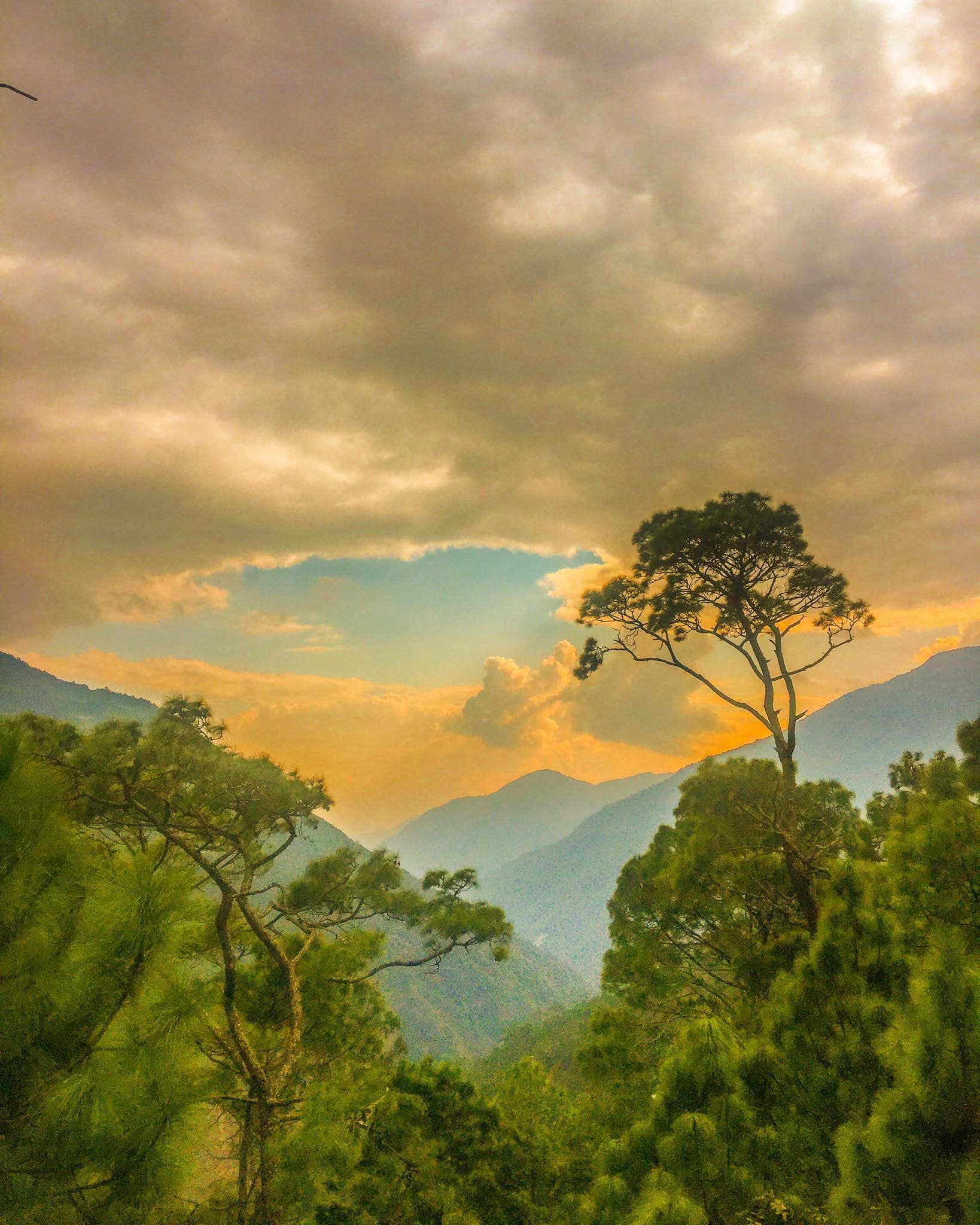
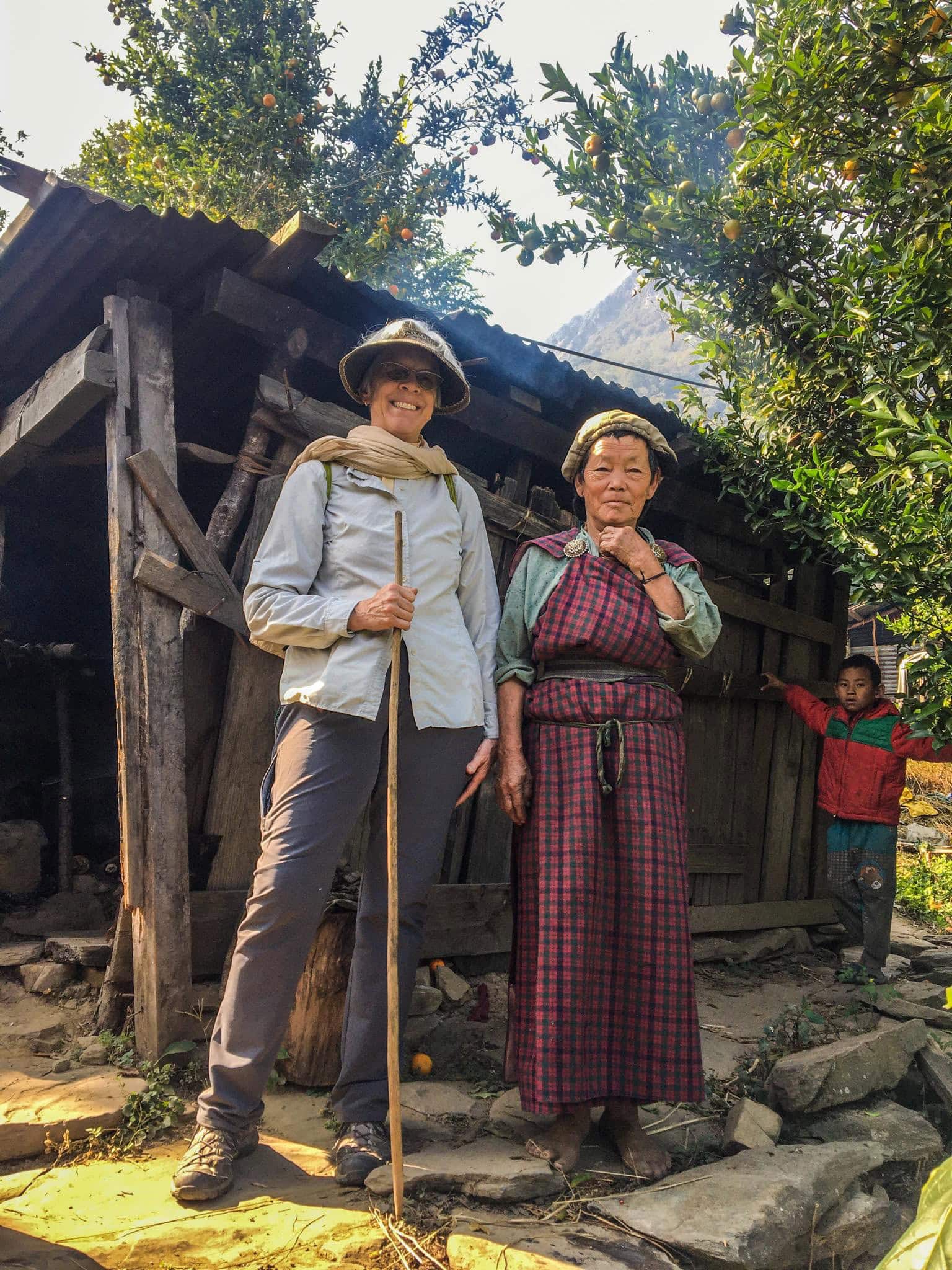
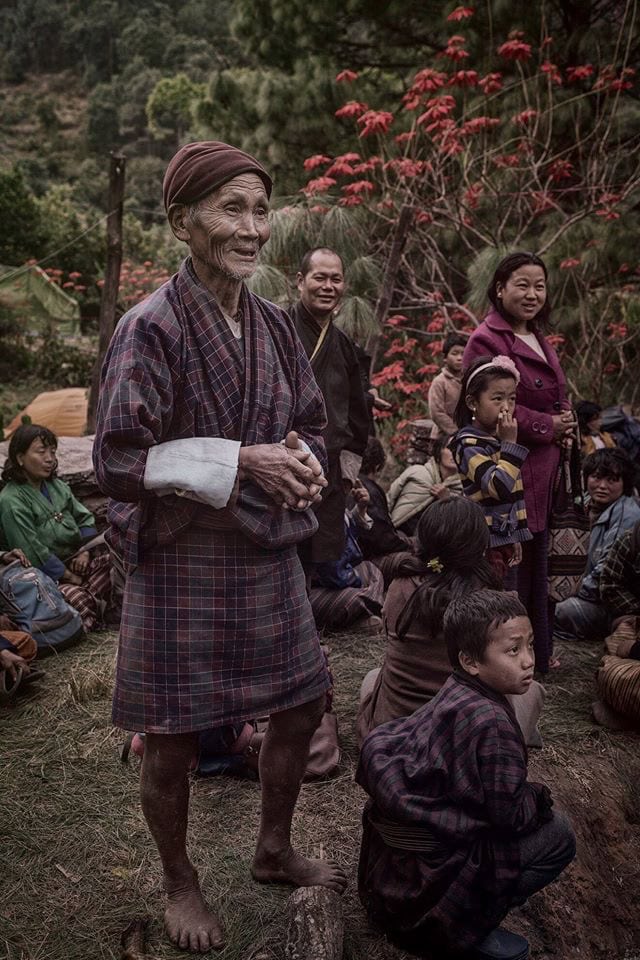
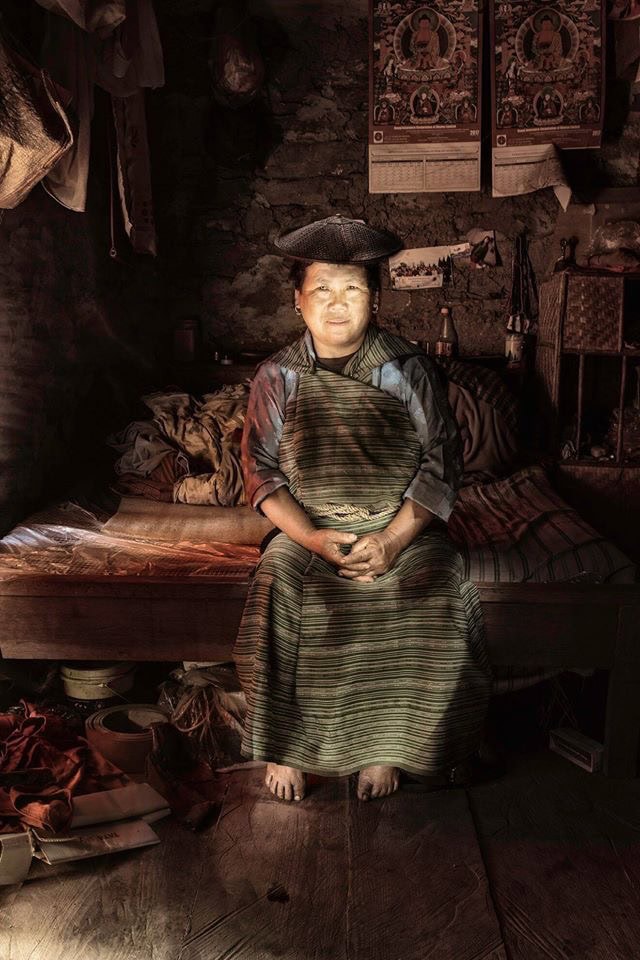
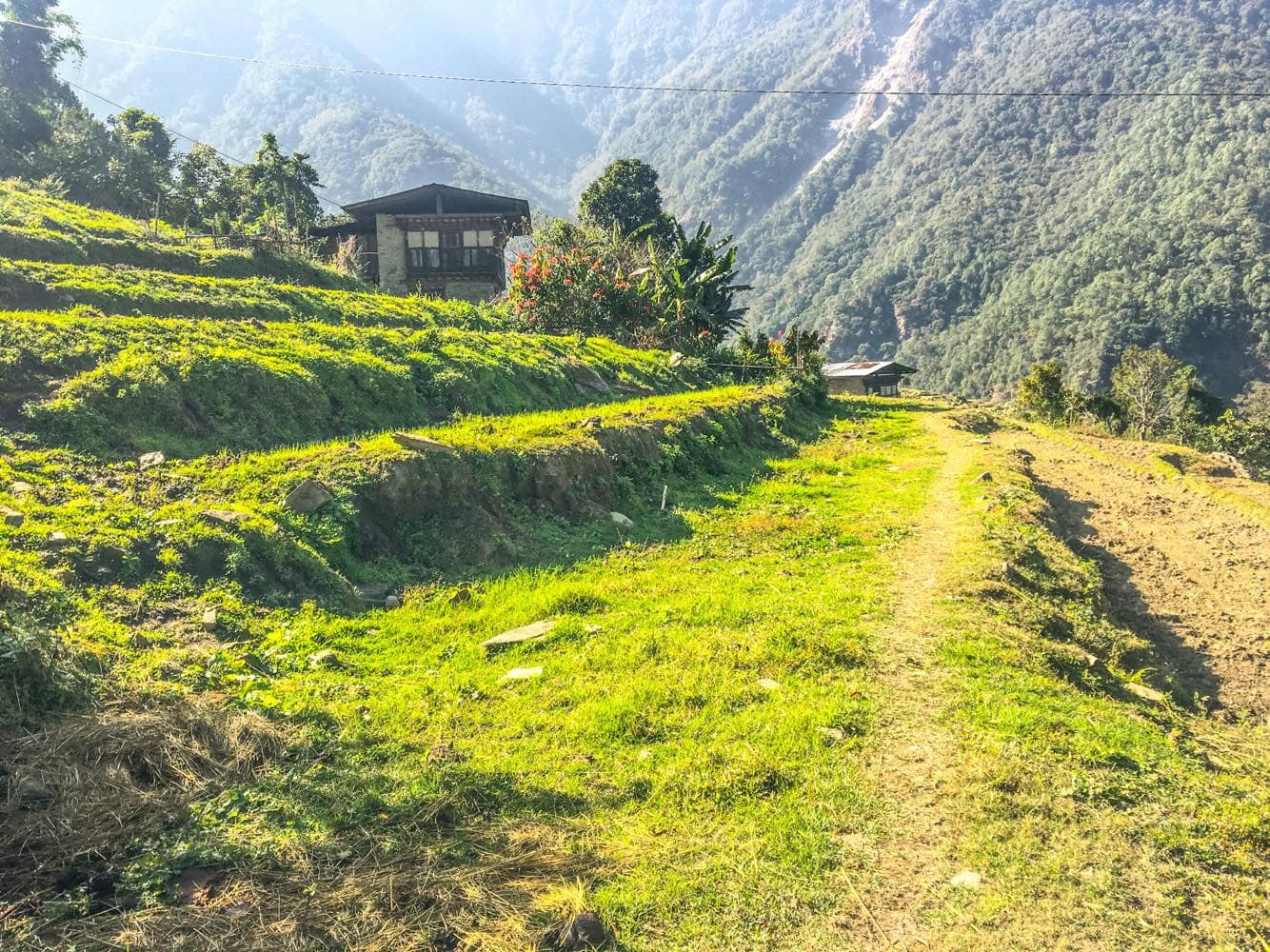
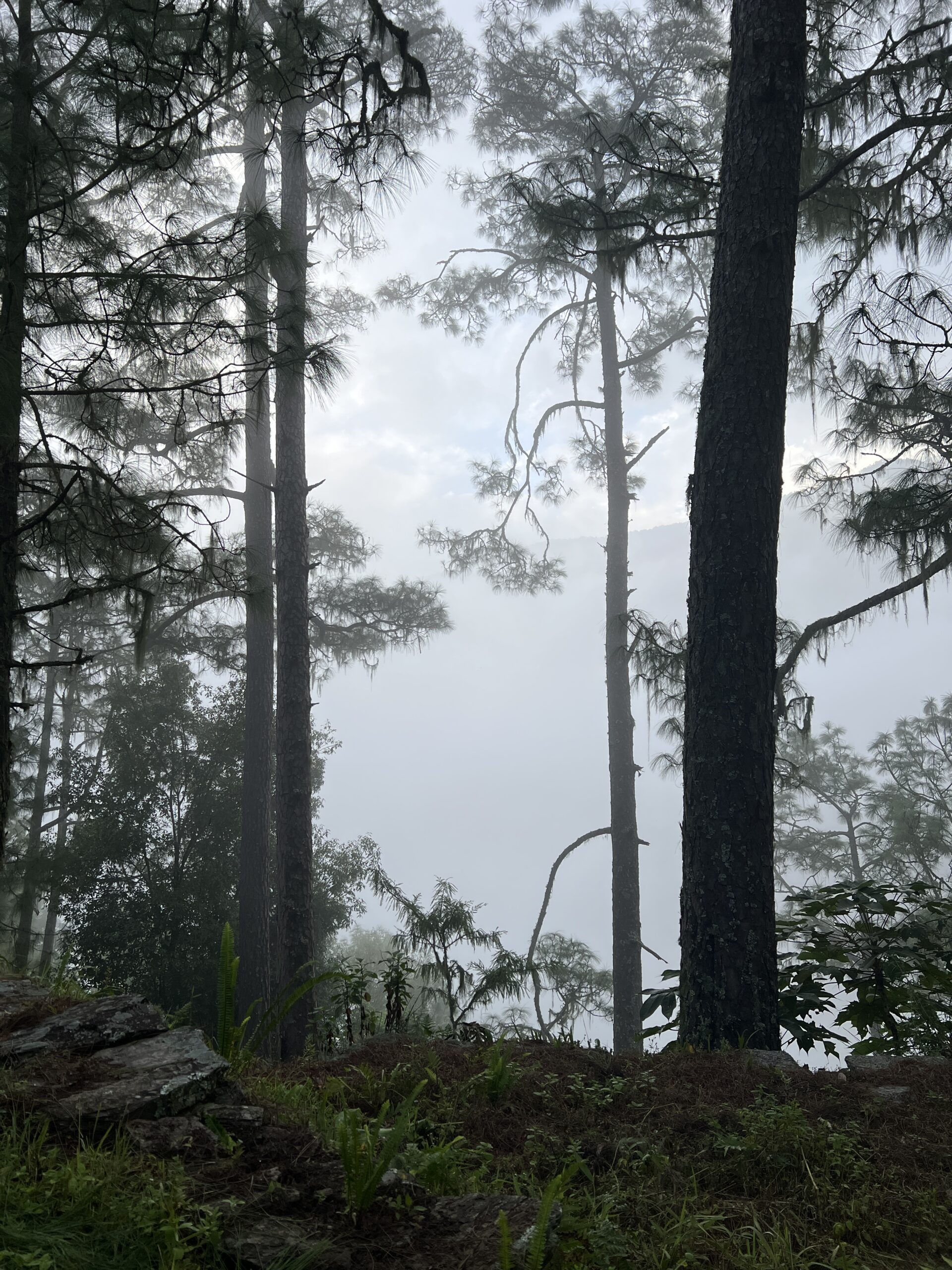
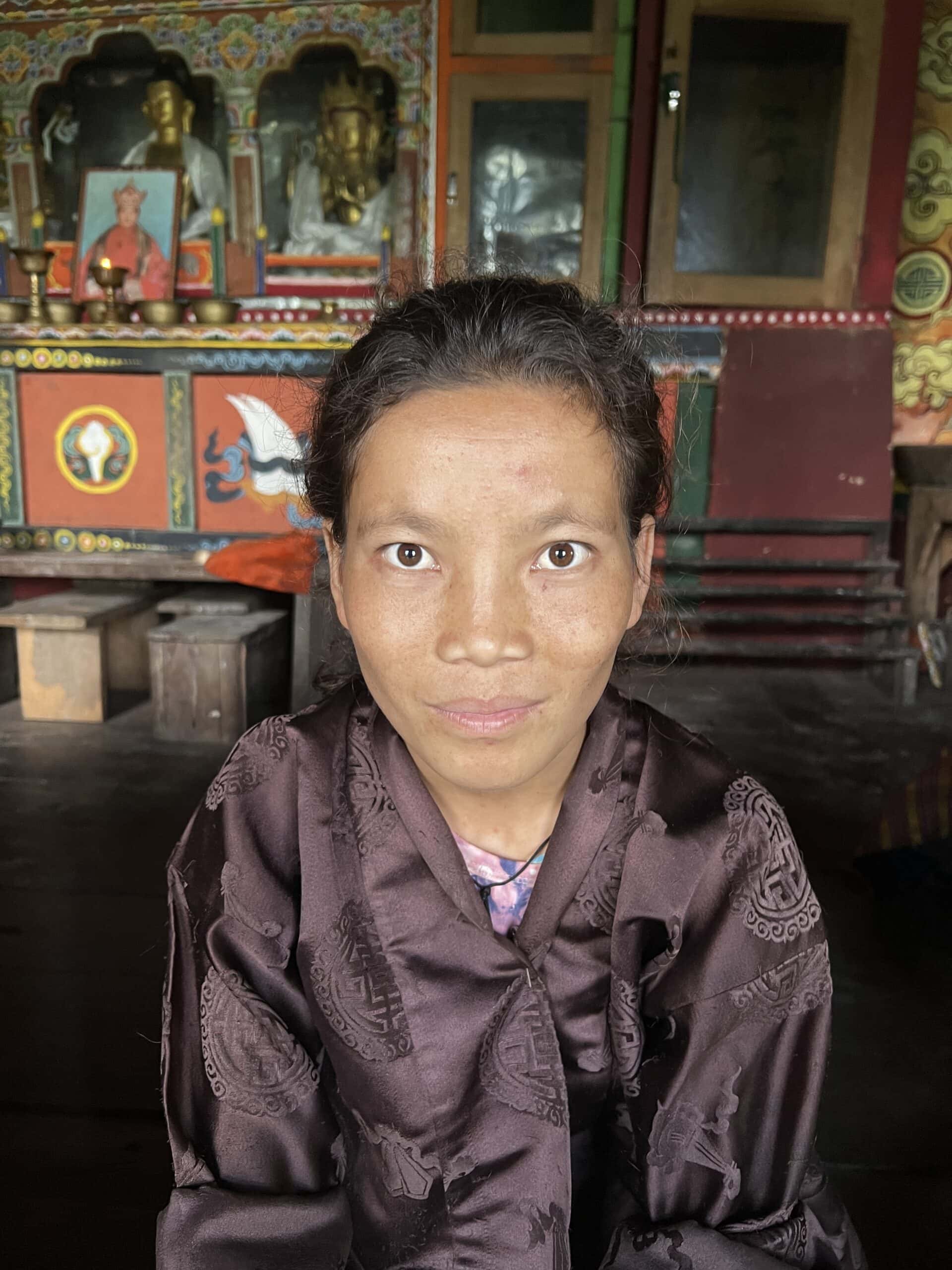
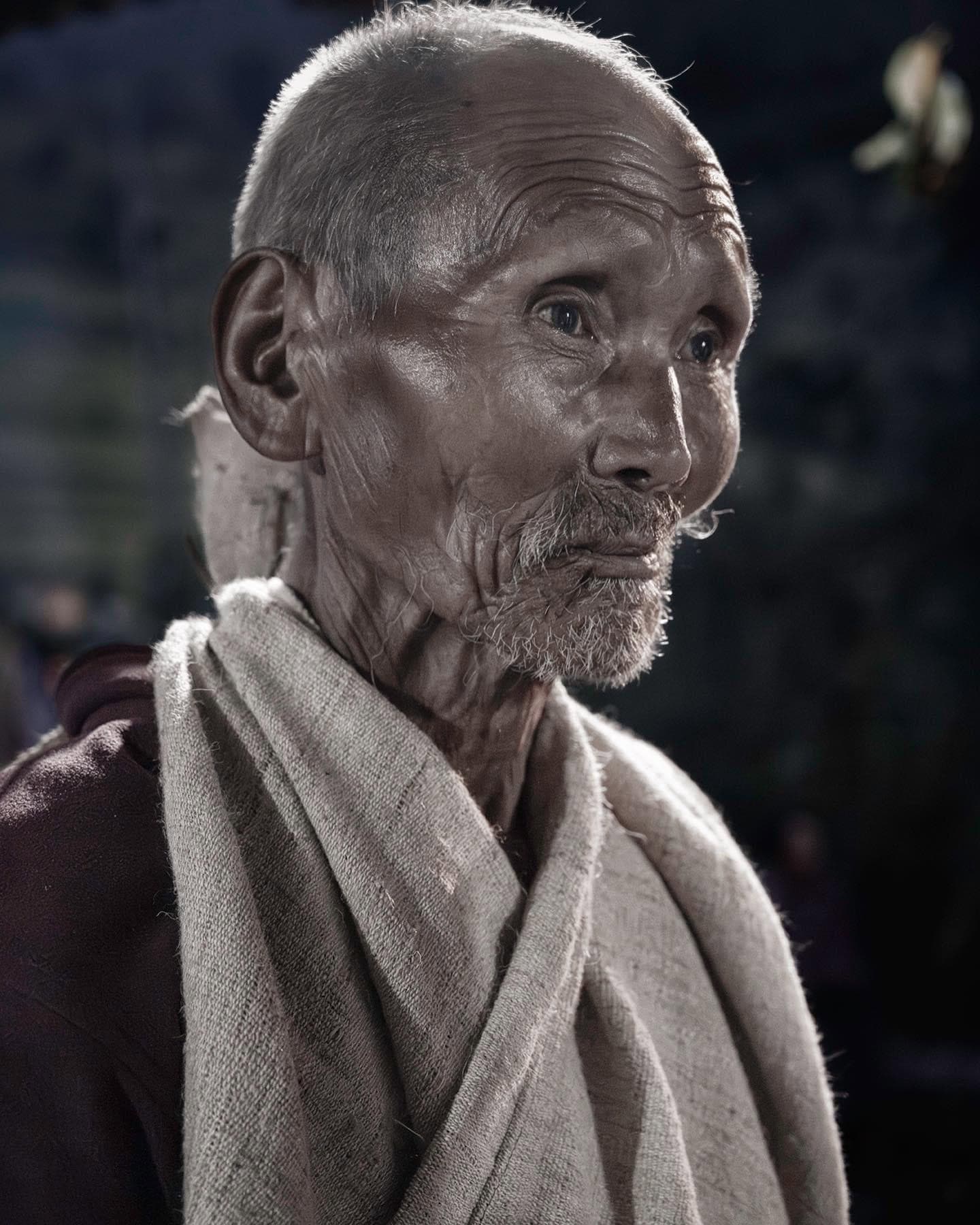
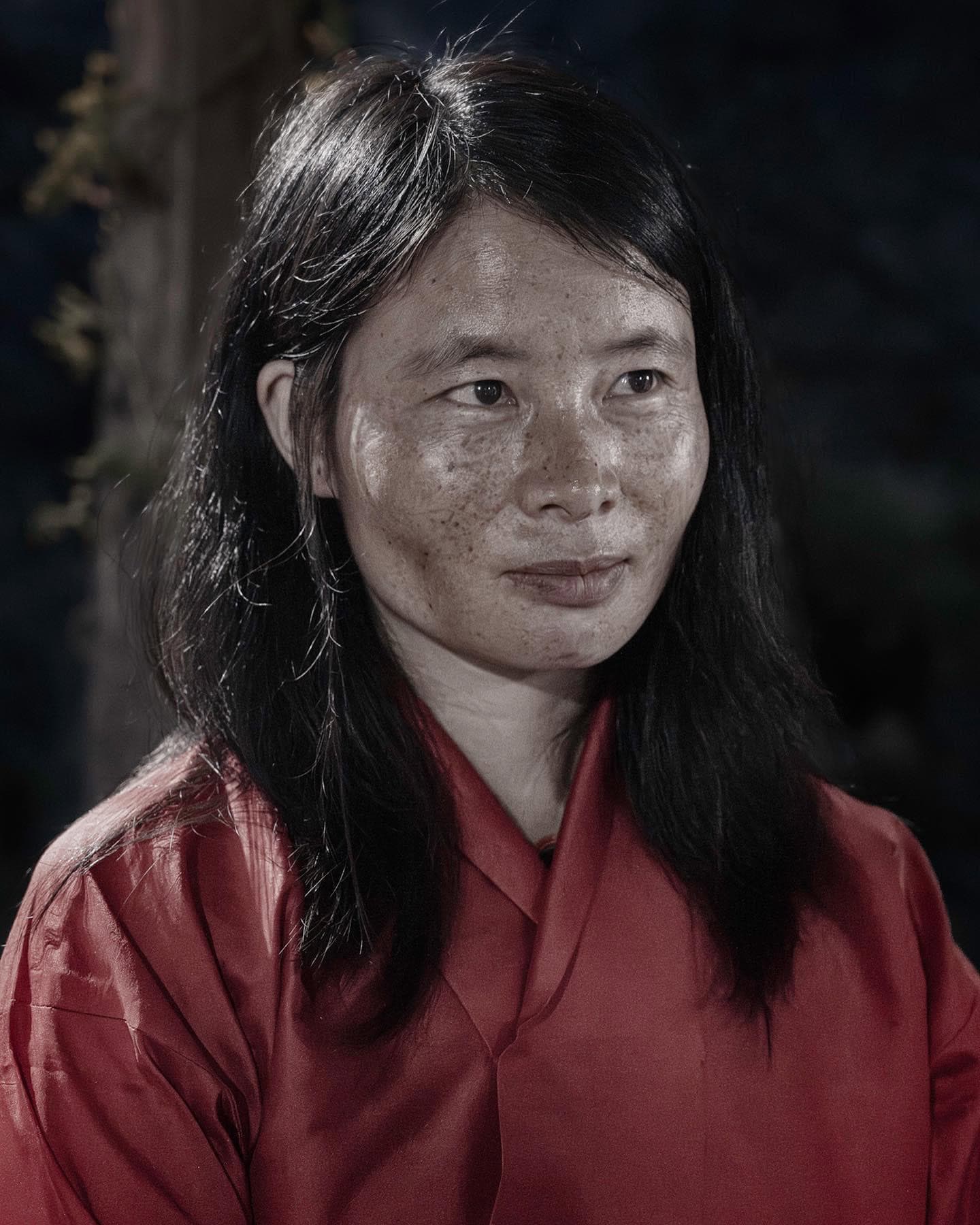
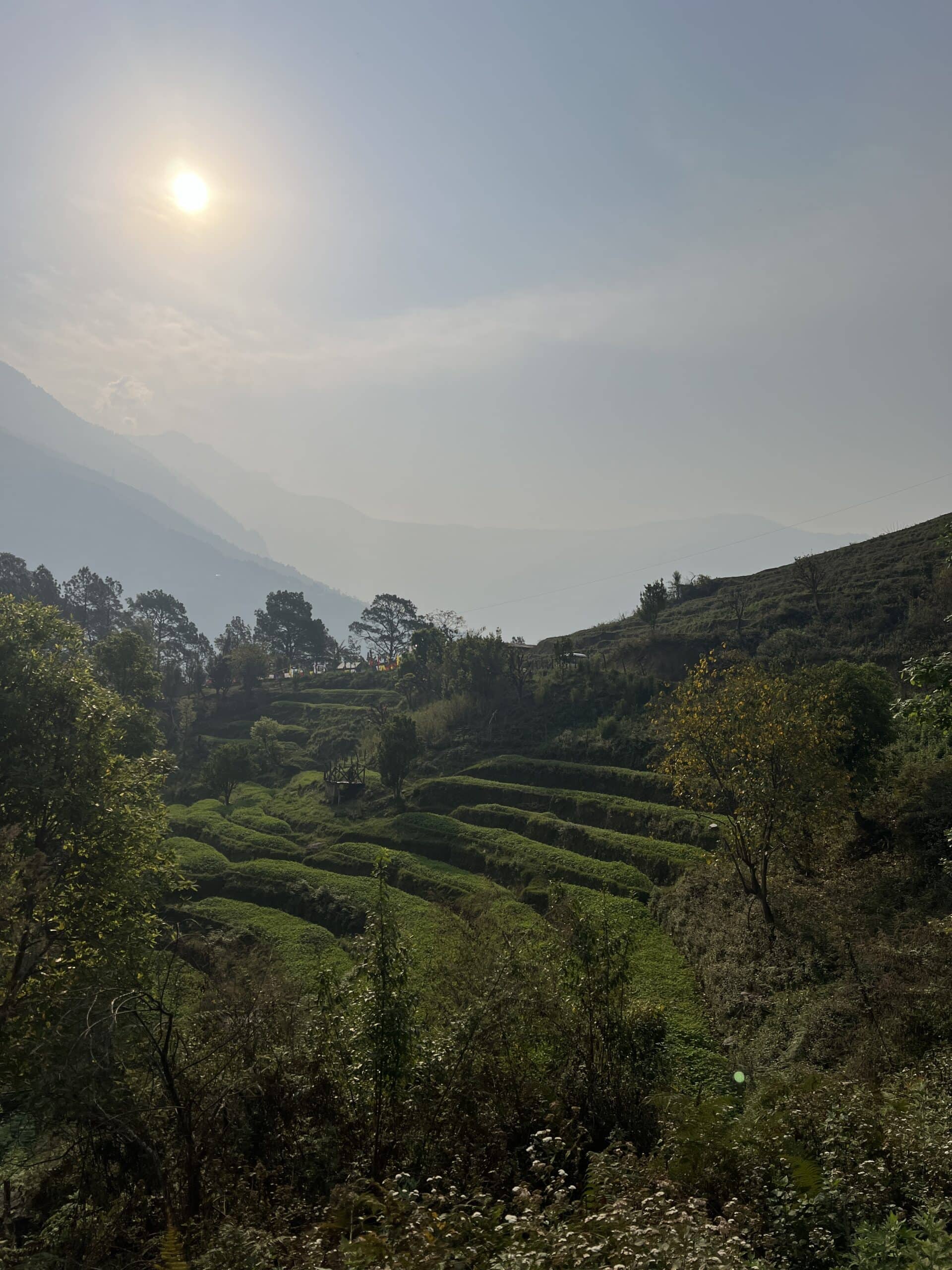
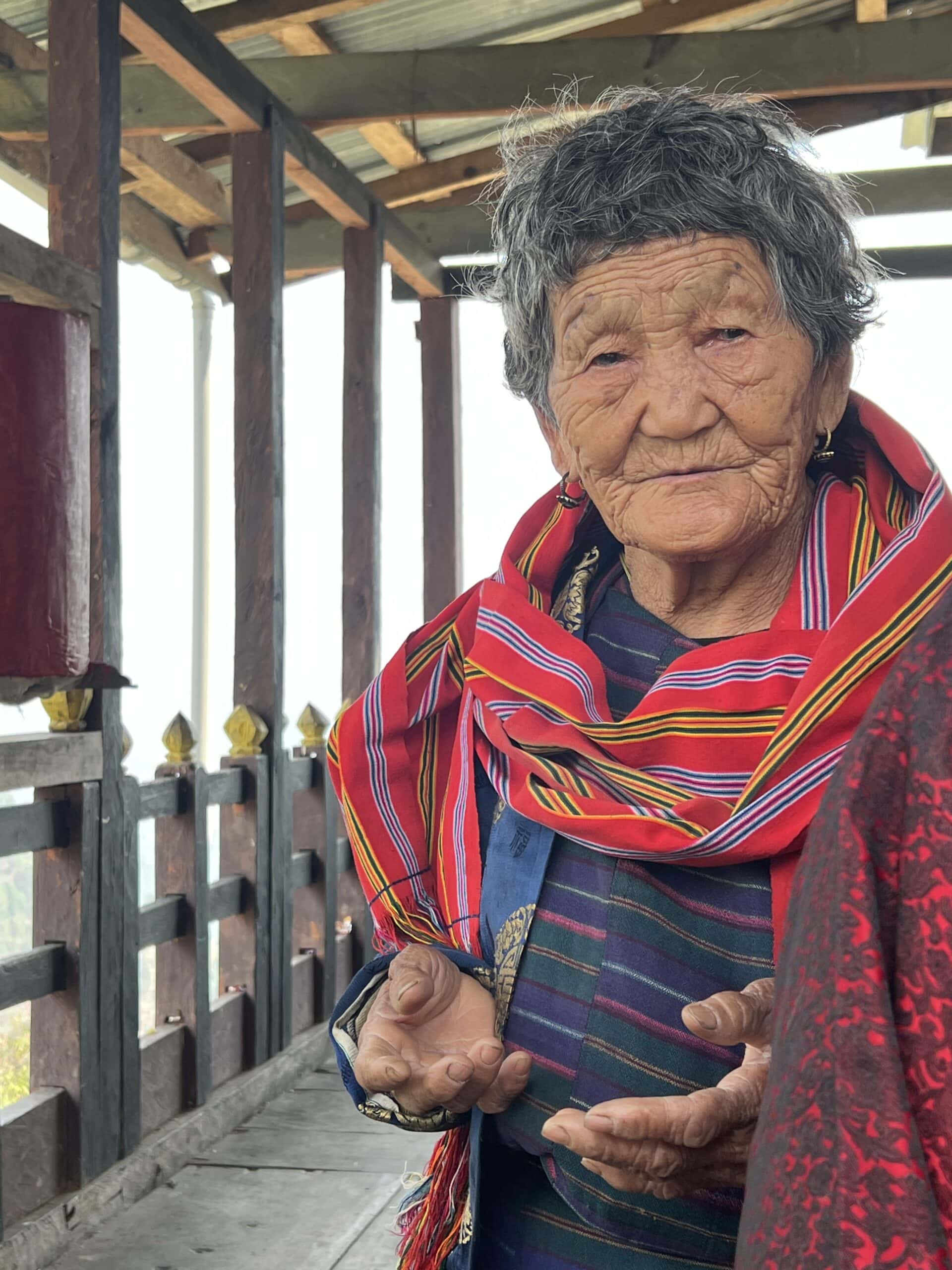
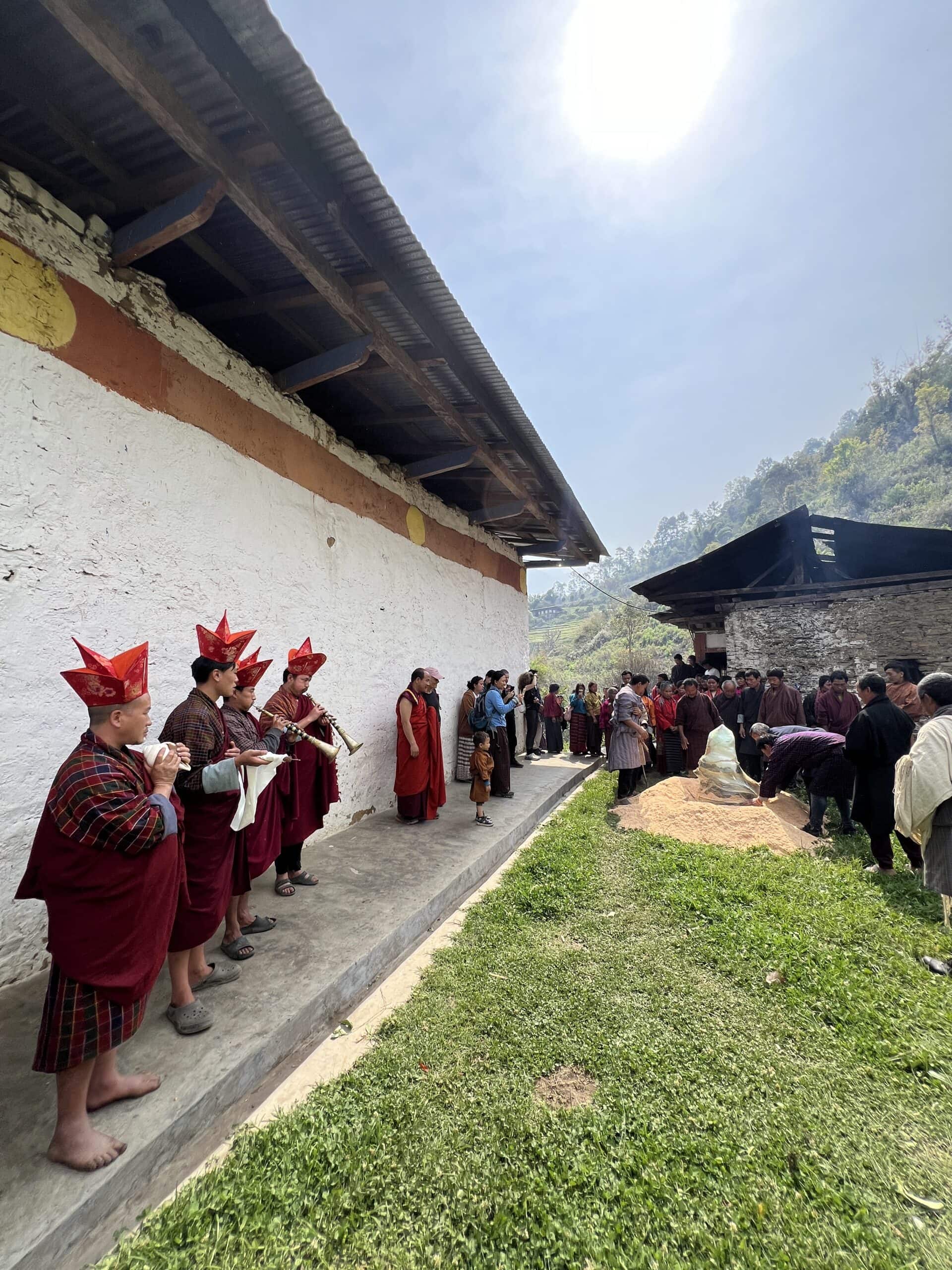
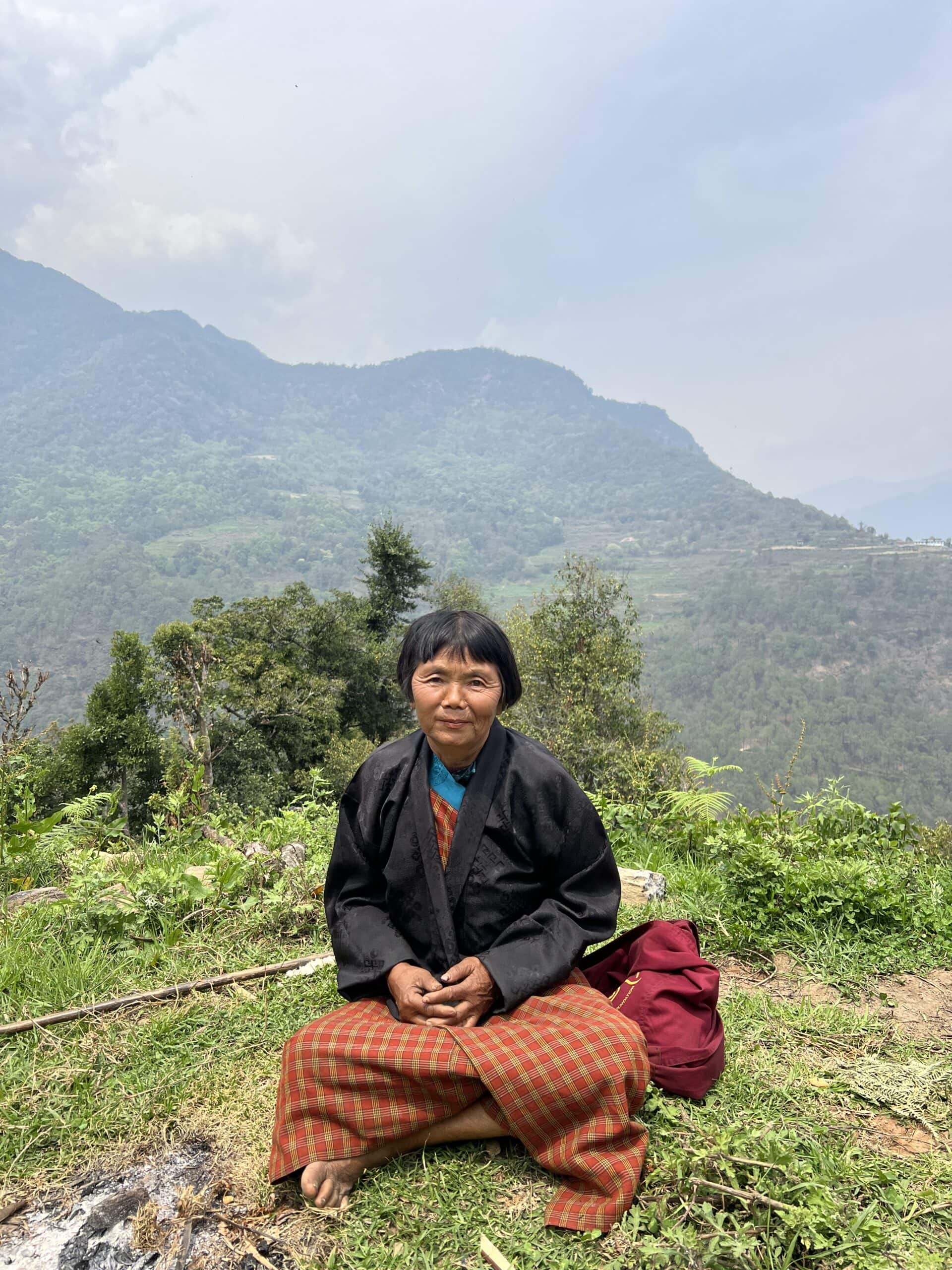
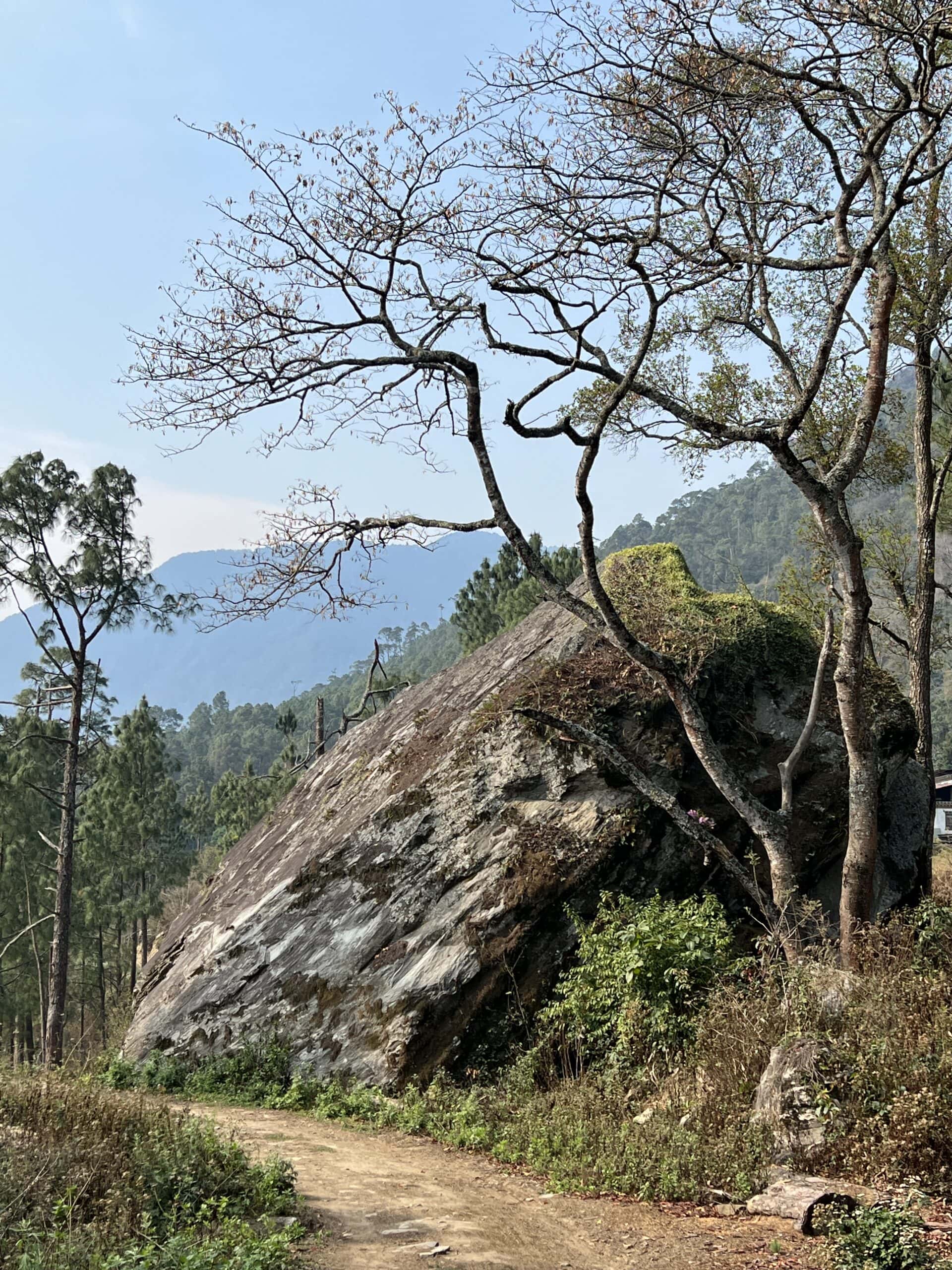
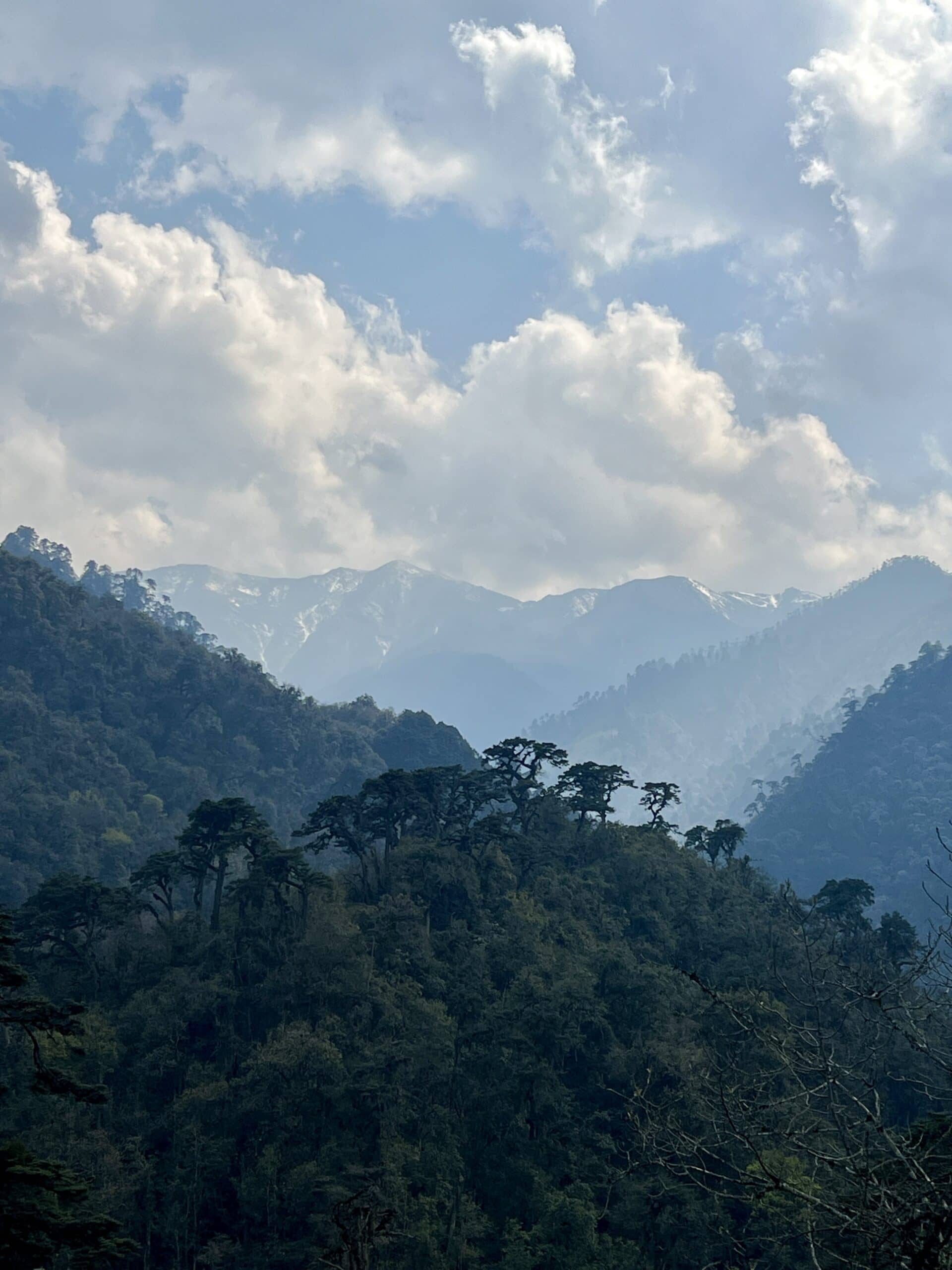
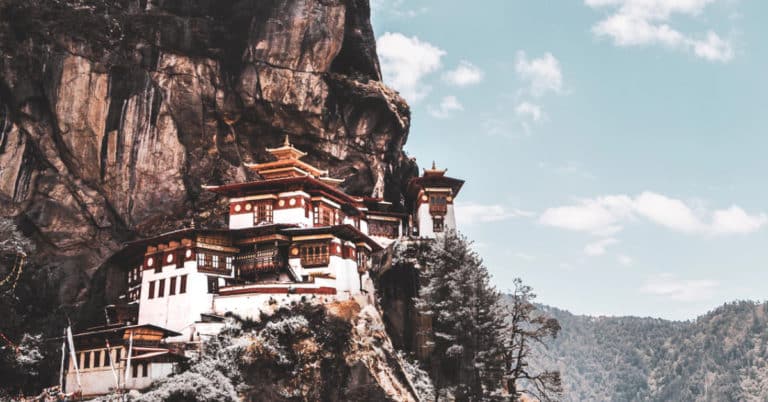
Within Bhutan, a small Kingdom in the Himalayas, hidden away in the forests of the Black Mountain, live the Monpa, the Indigenous people considered the country’s first inhabitants. Their culture is rooted in living in harmony with the land and one another. As young people leave for schooling and work in the cities, Monpa Elders have watched their language, healing knowledge, and ceremonies come under threat of disappearing.
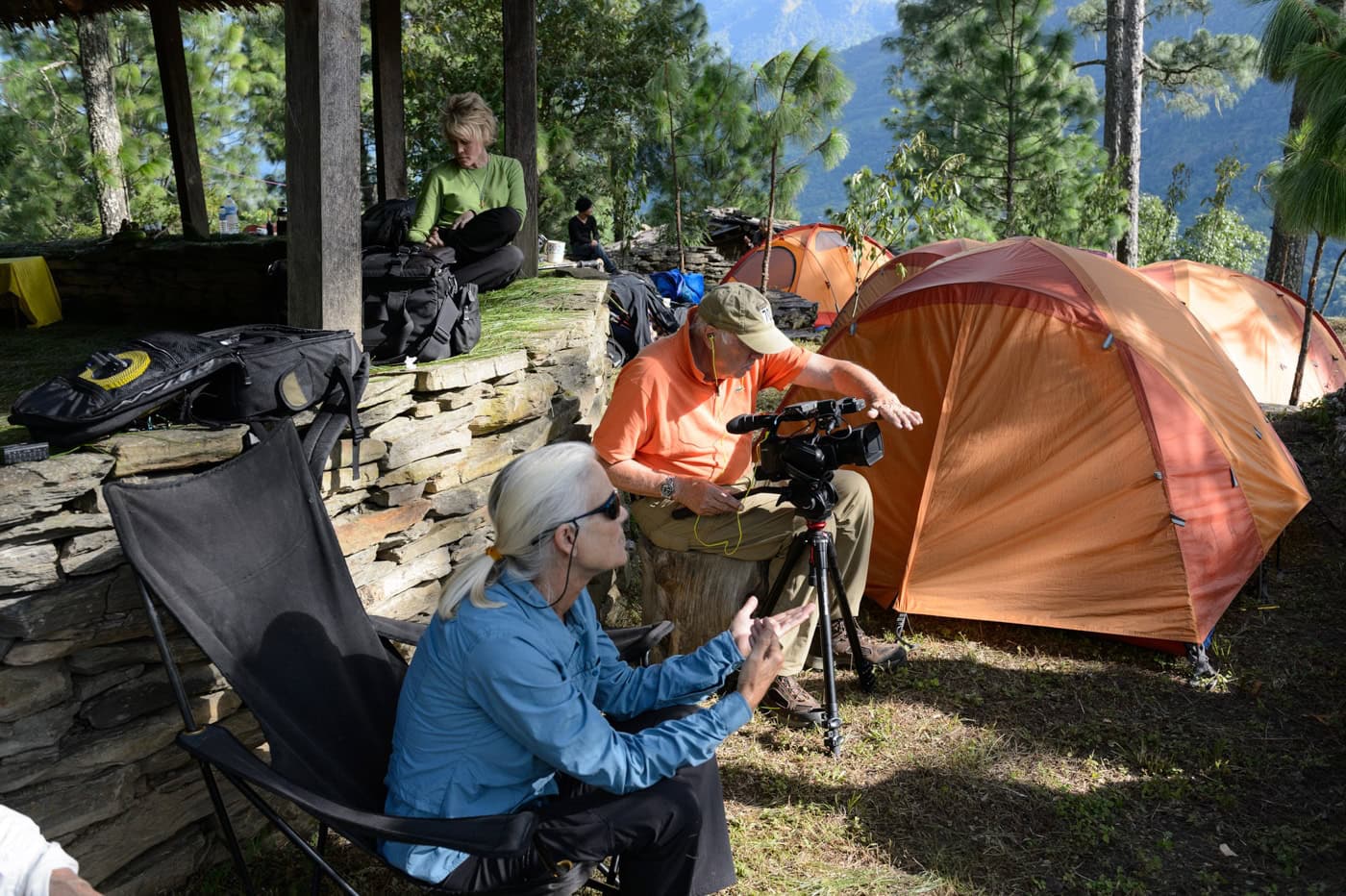
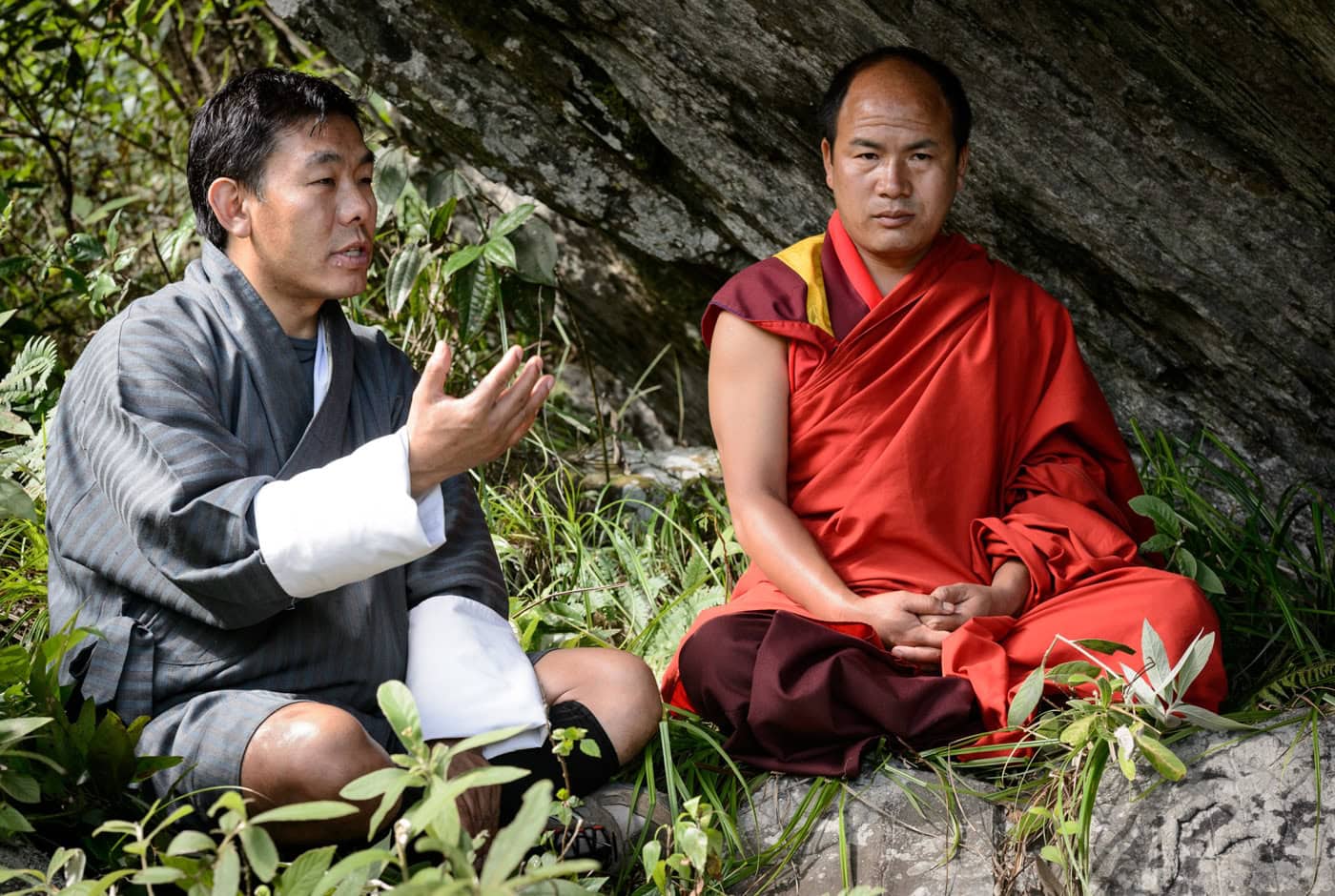
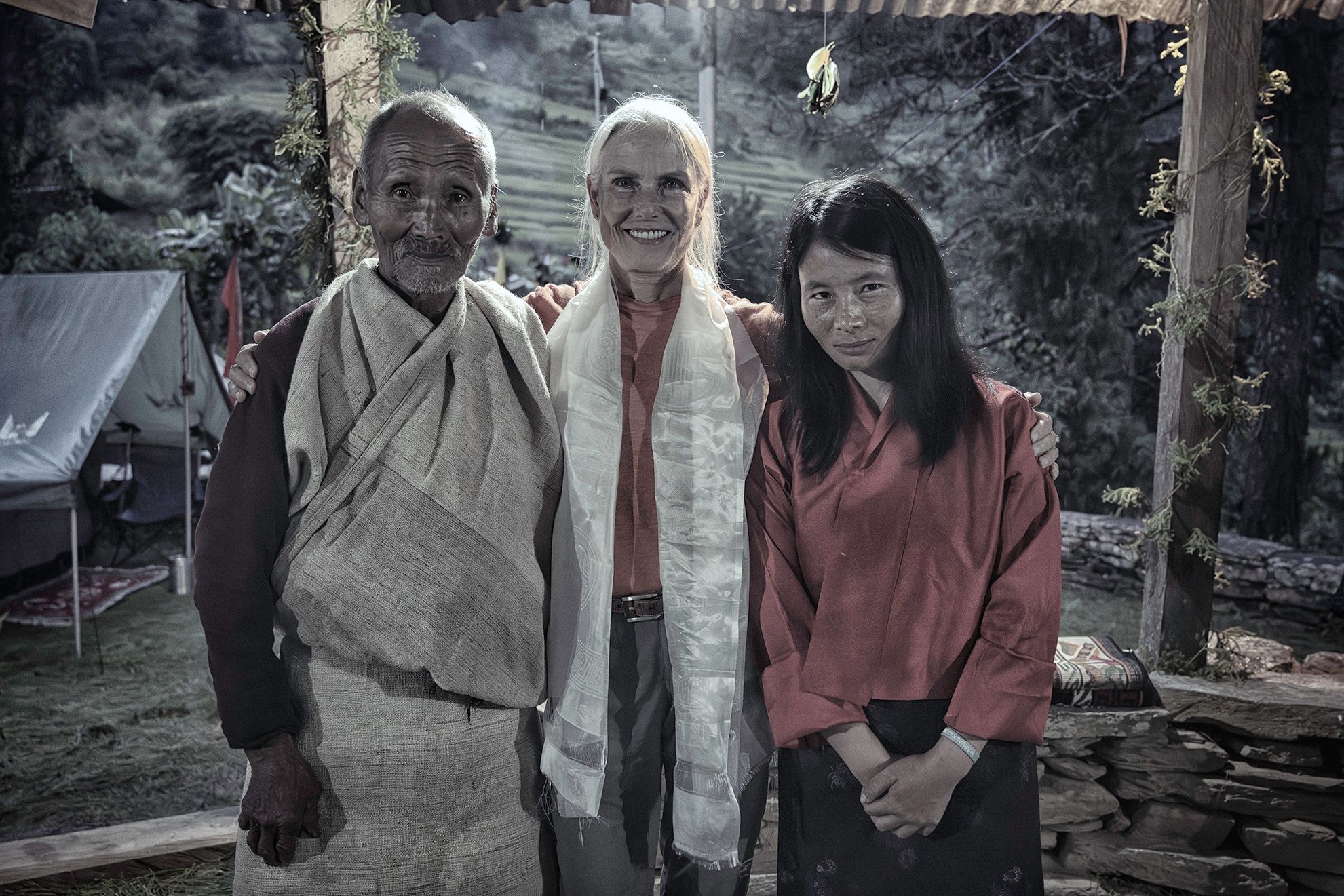
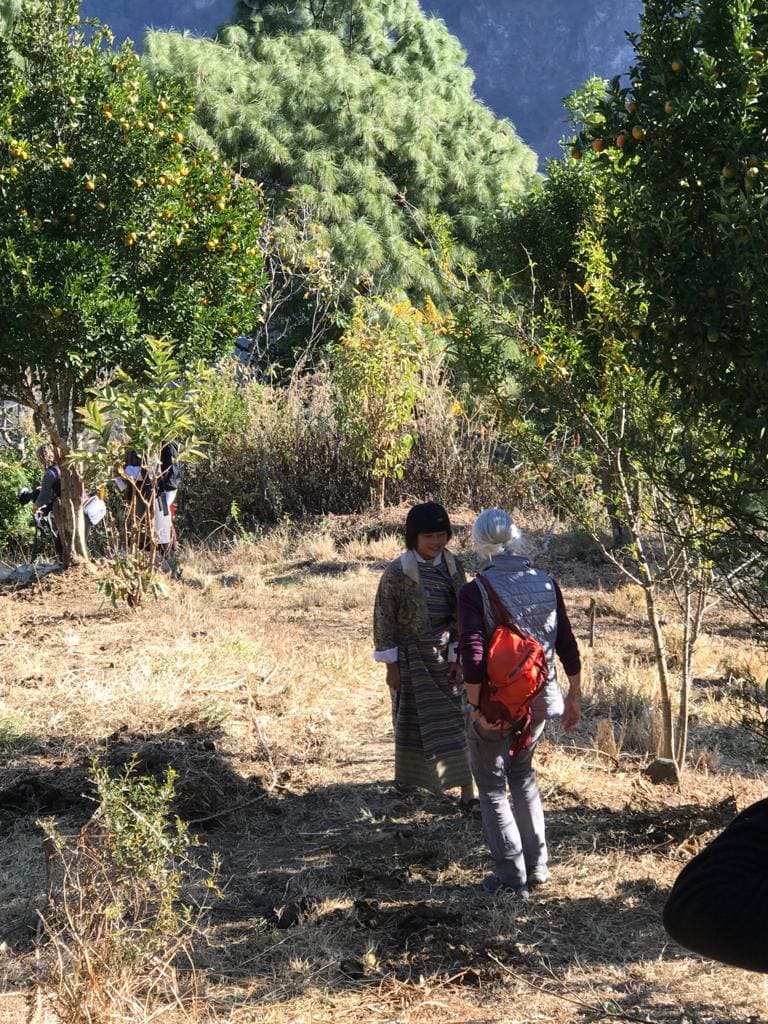
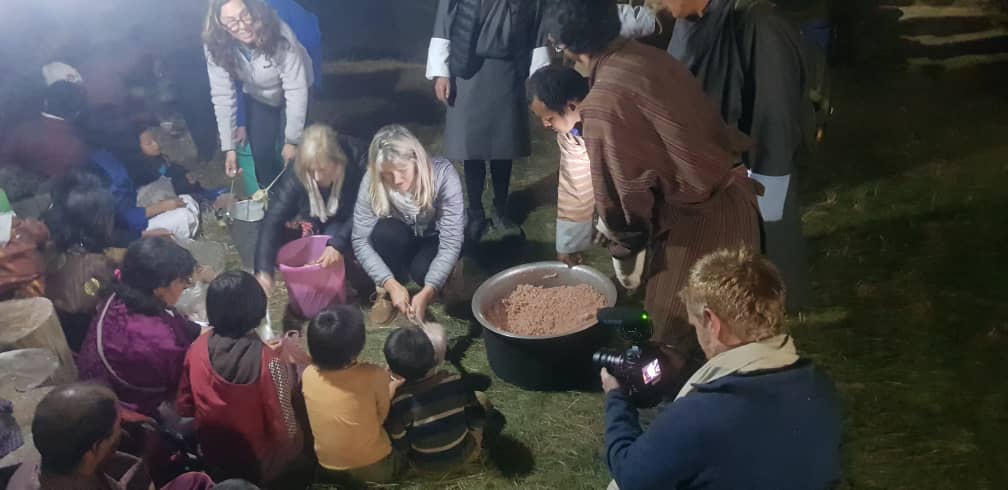
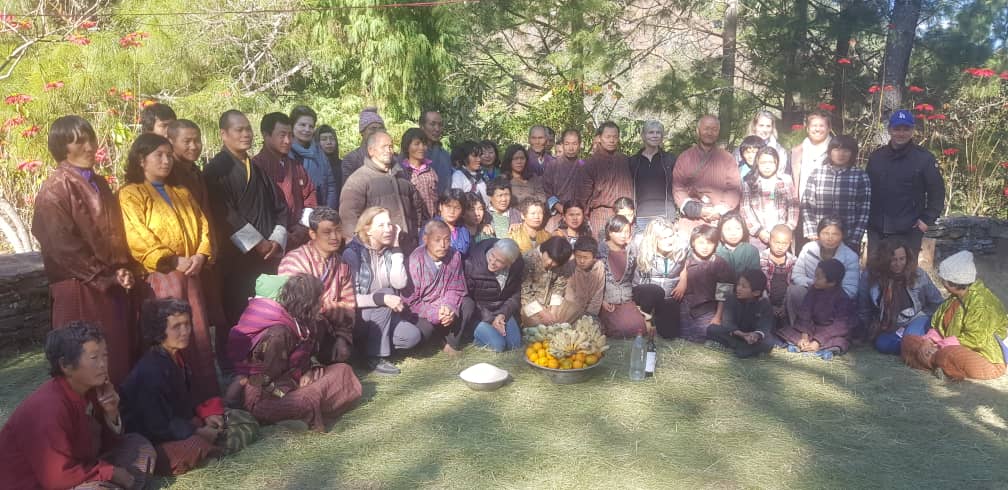
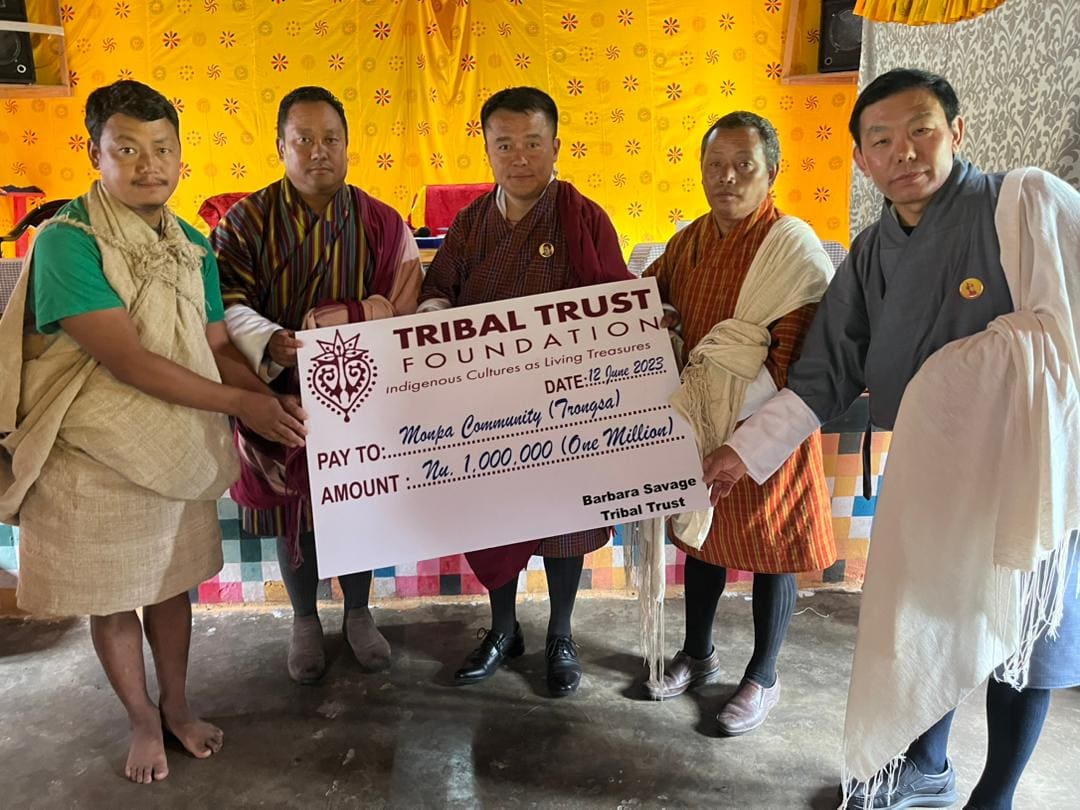
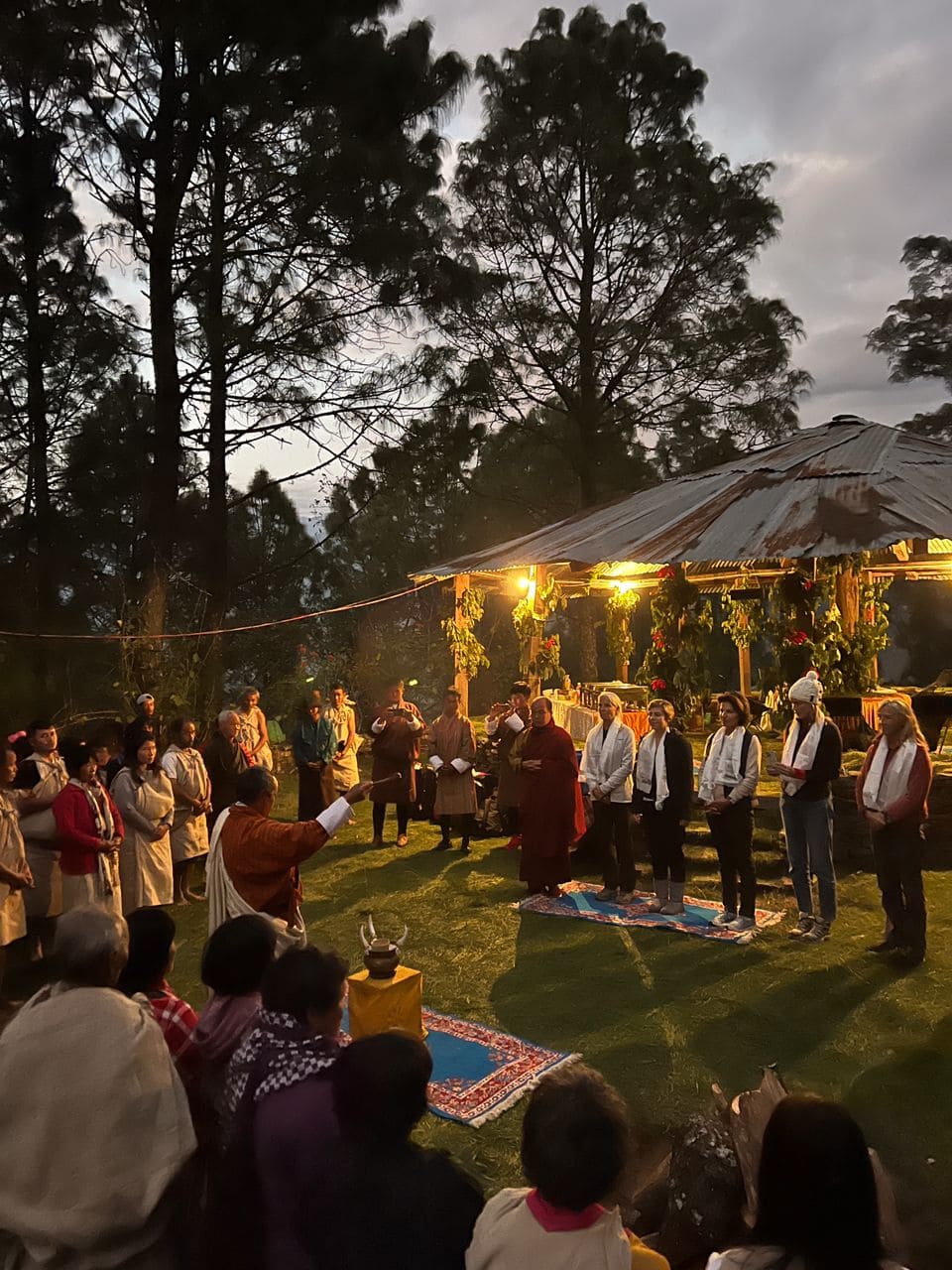
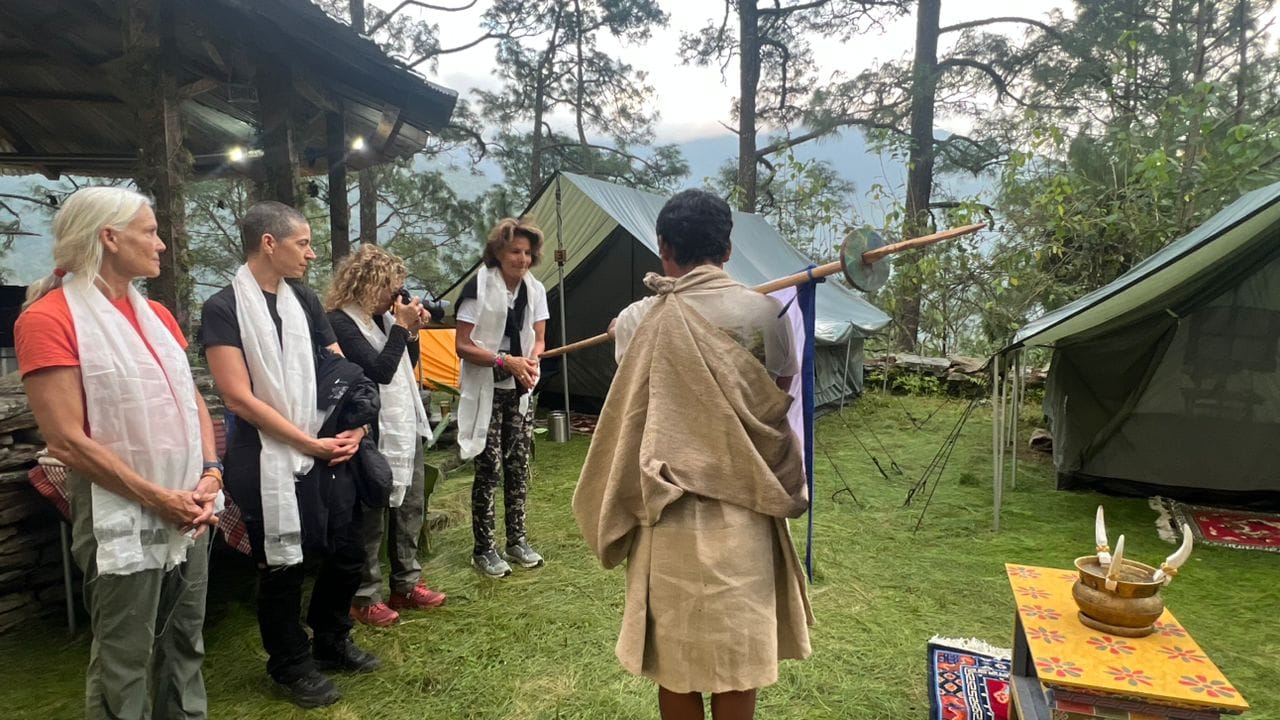
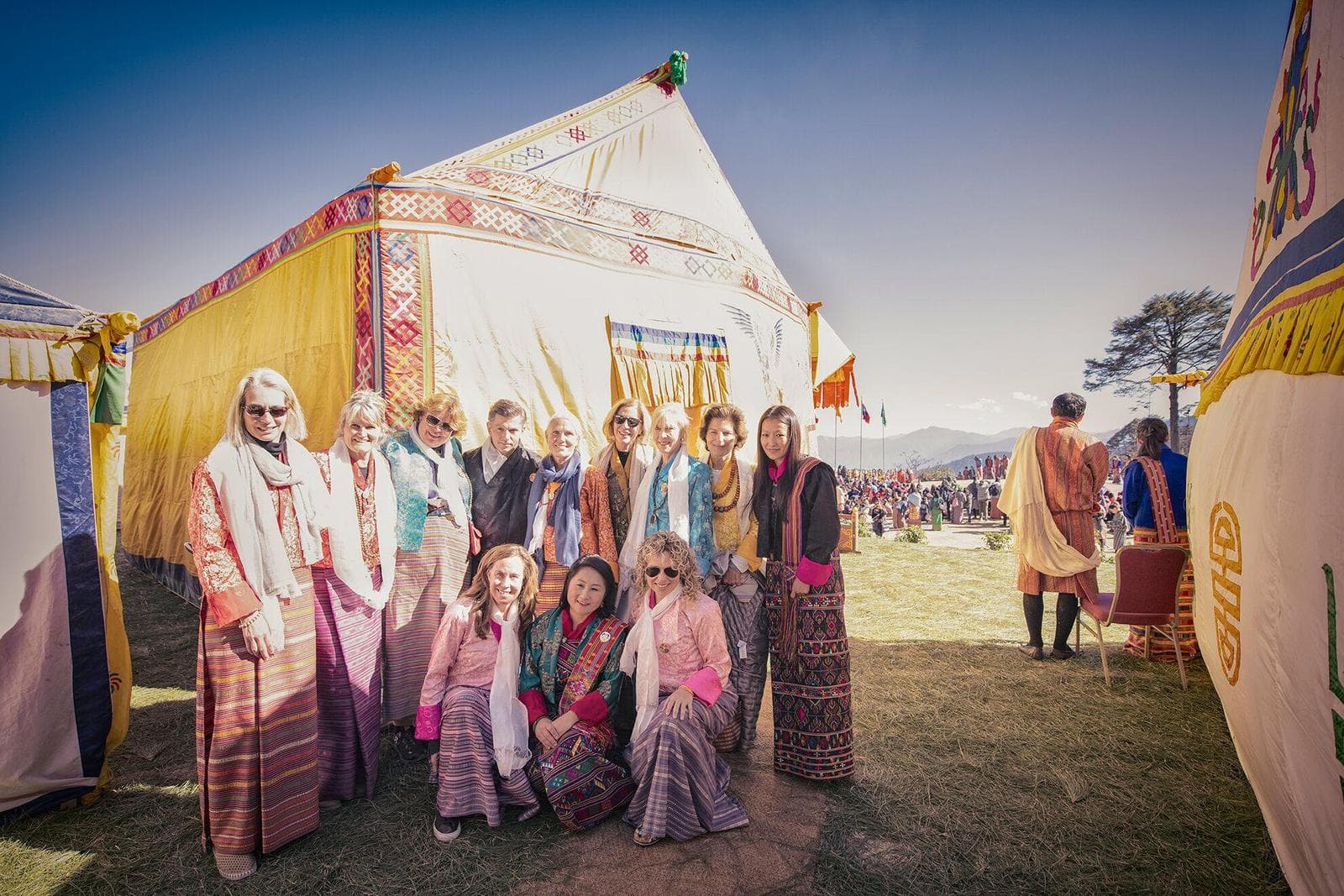
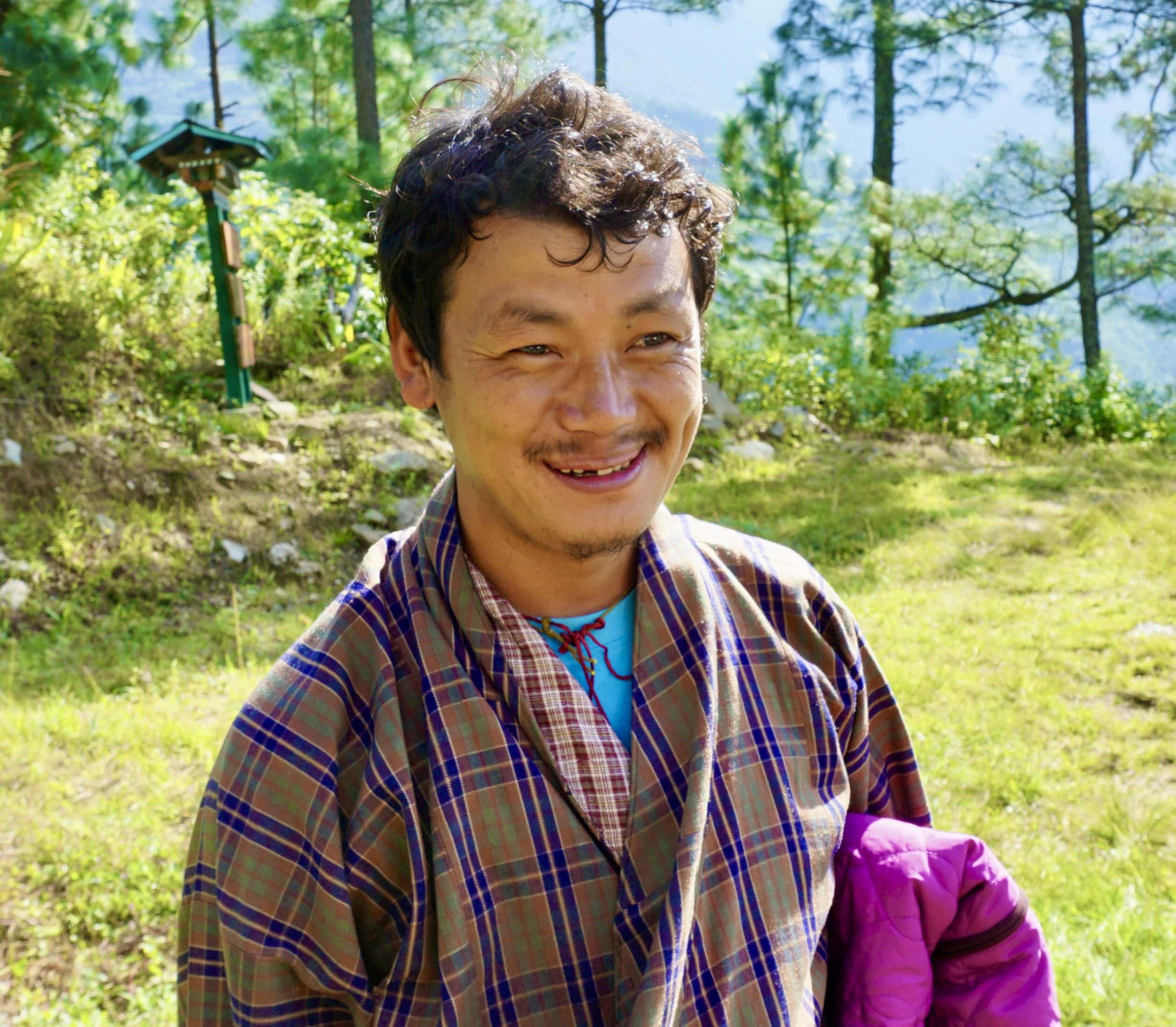
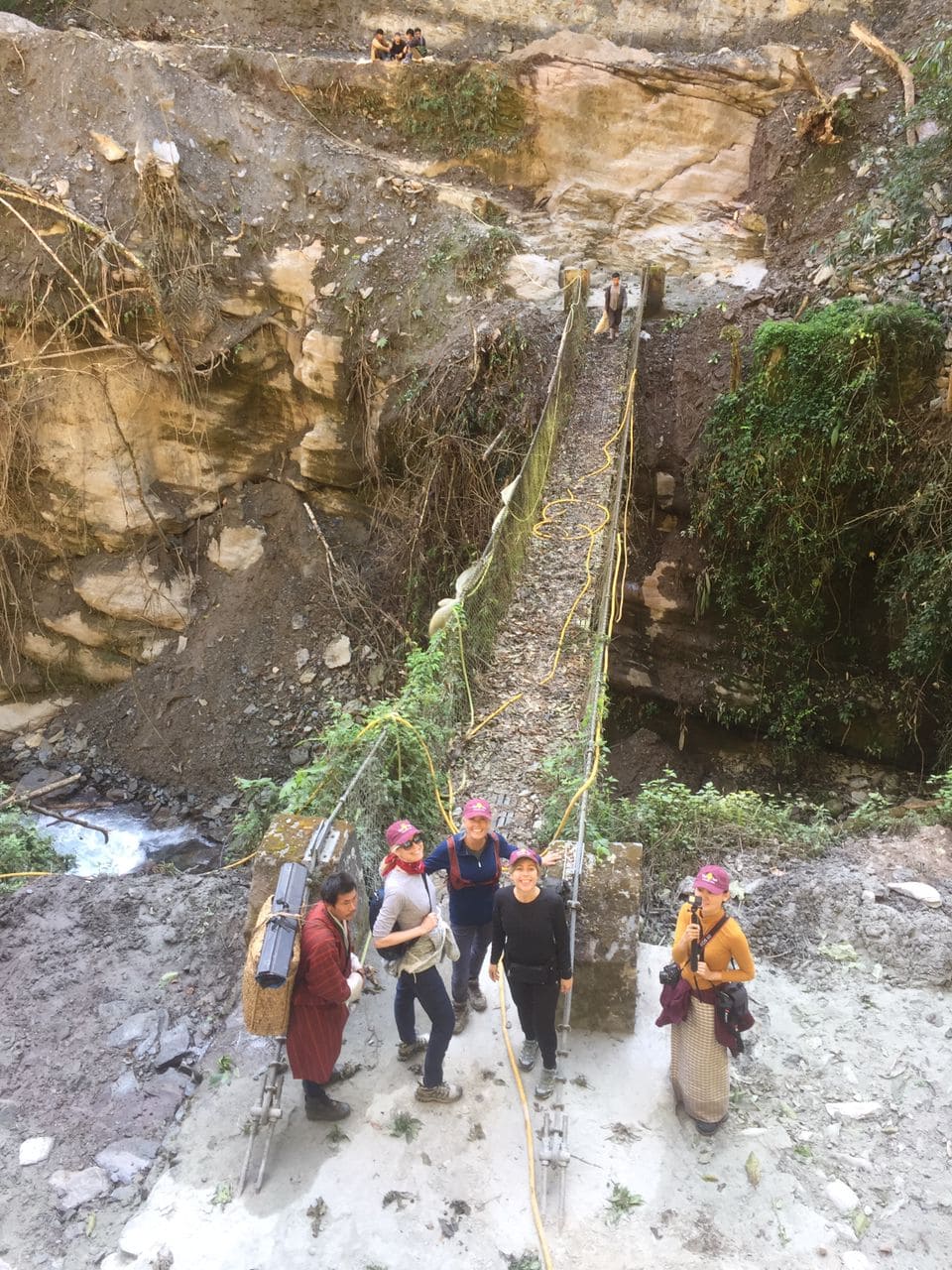
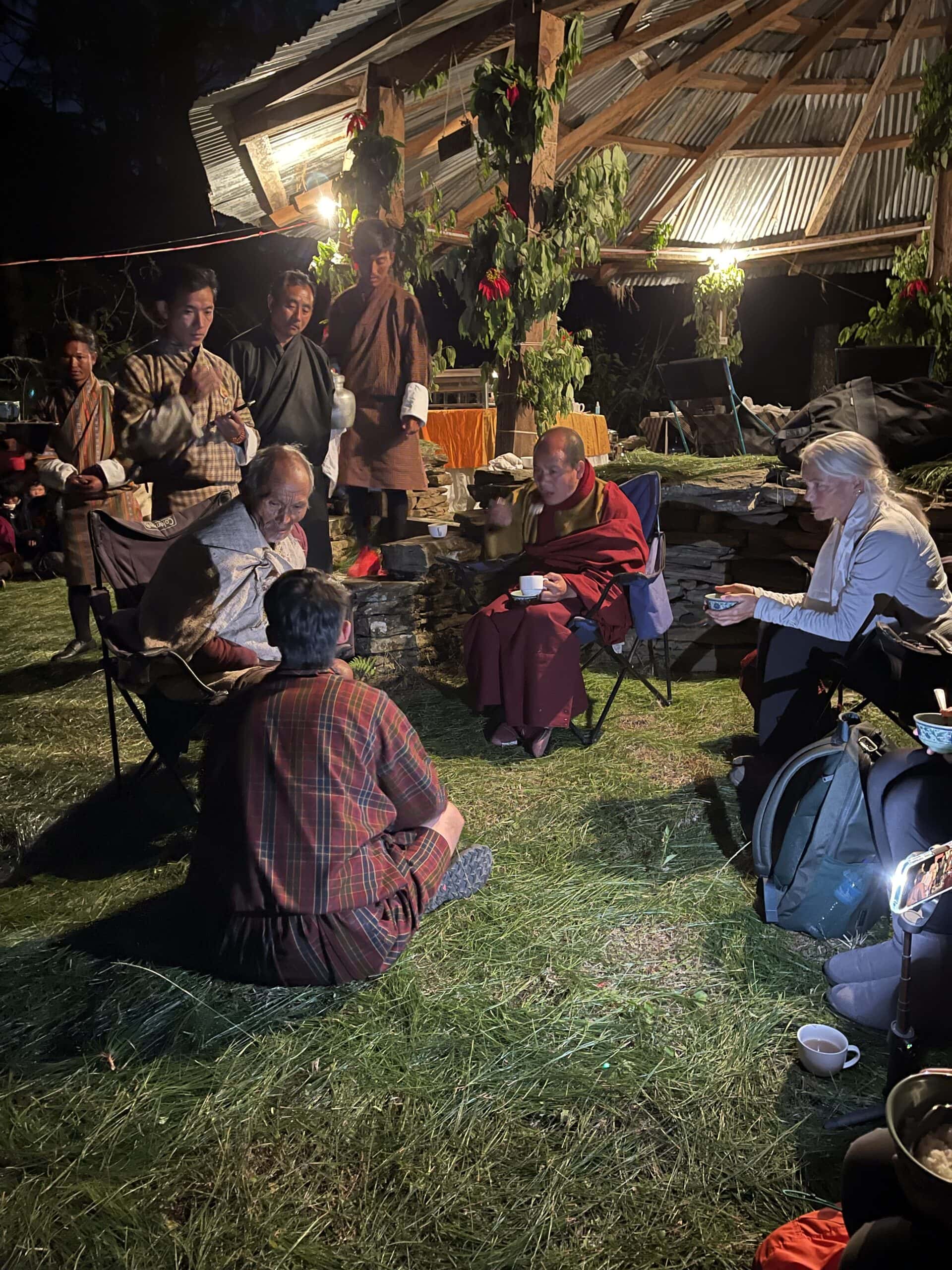
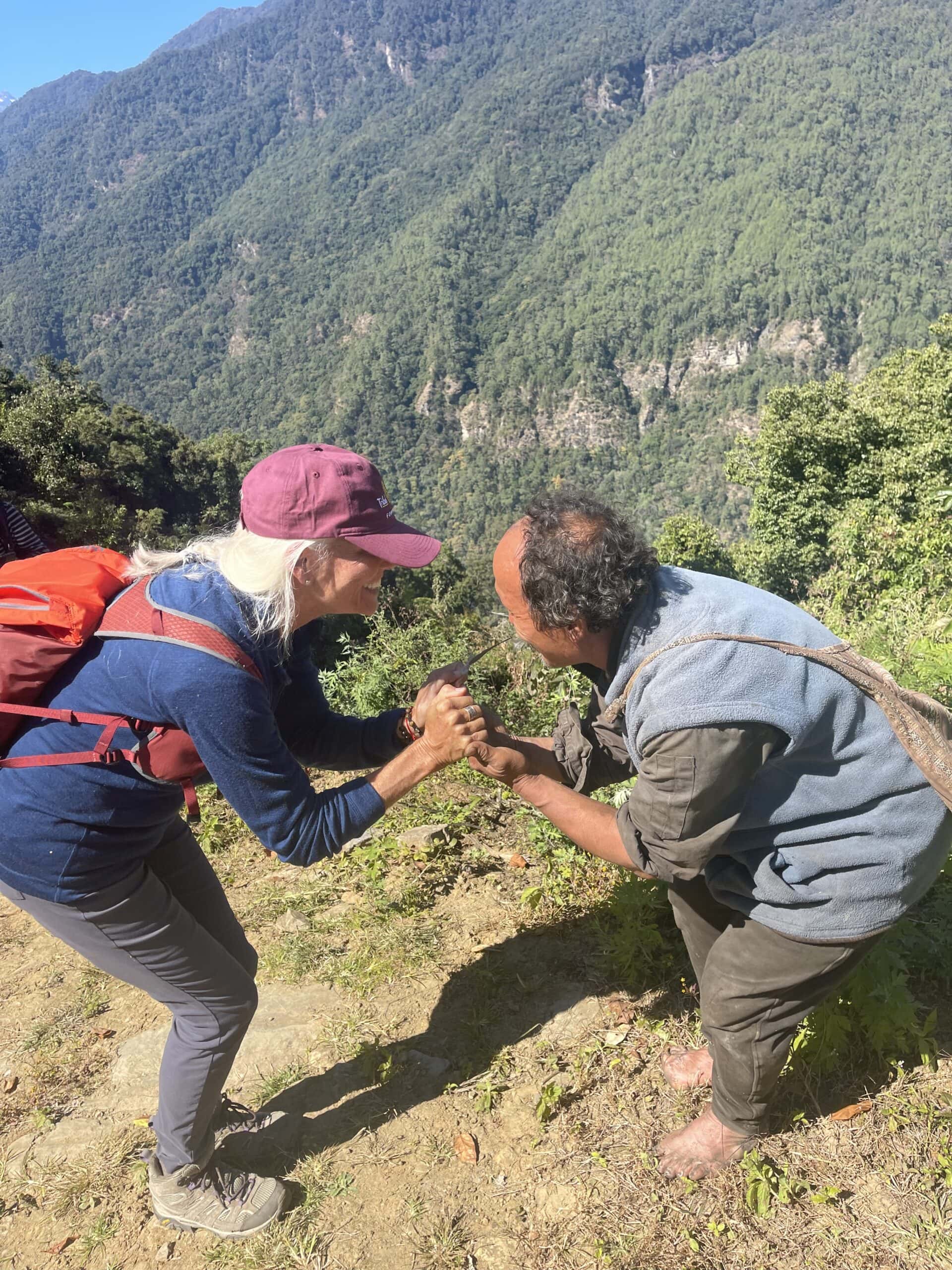
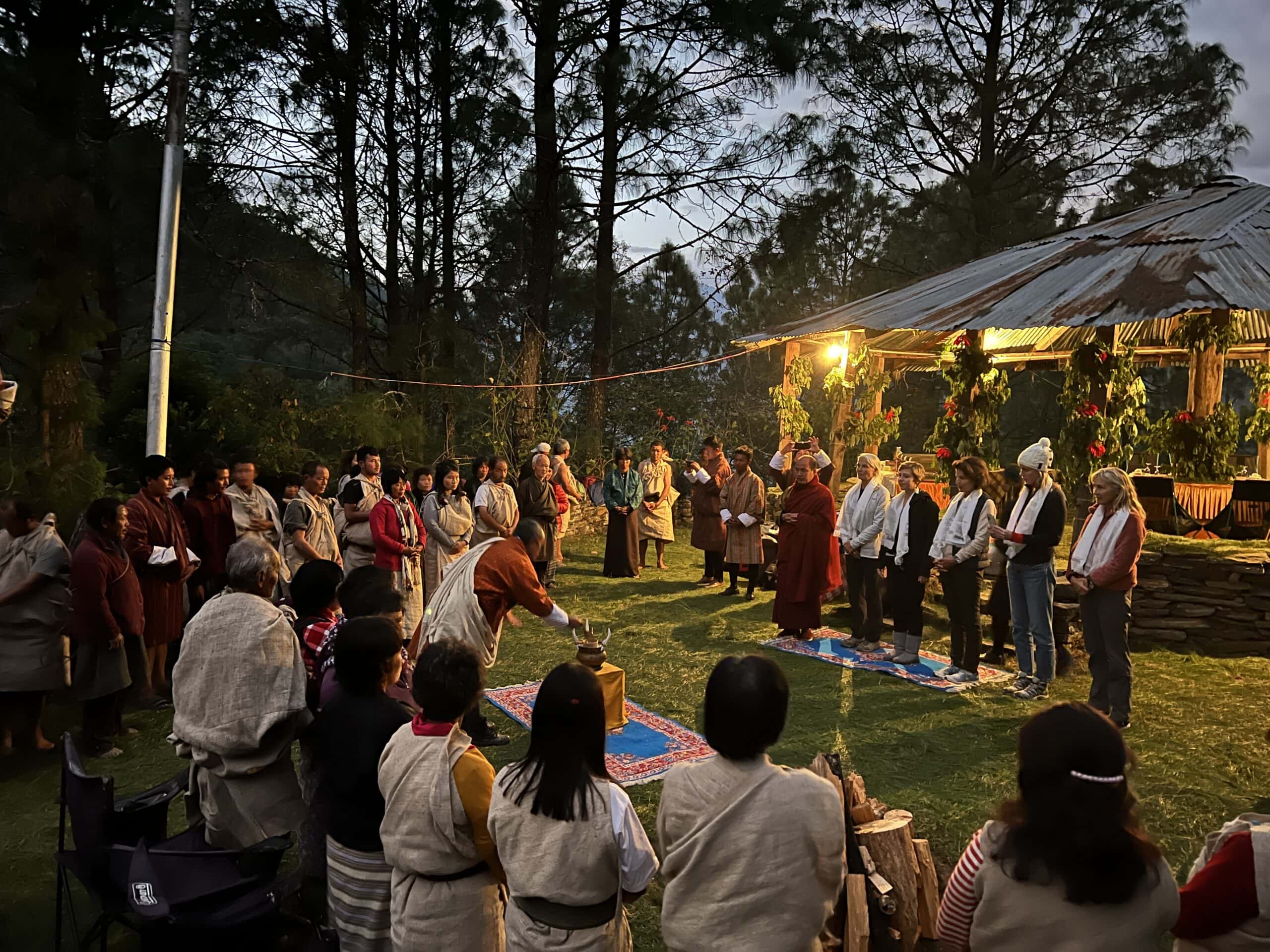
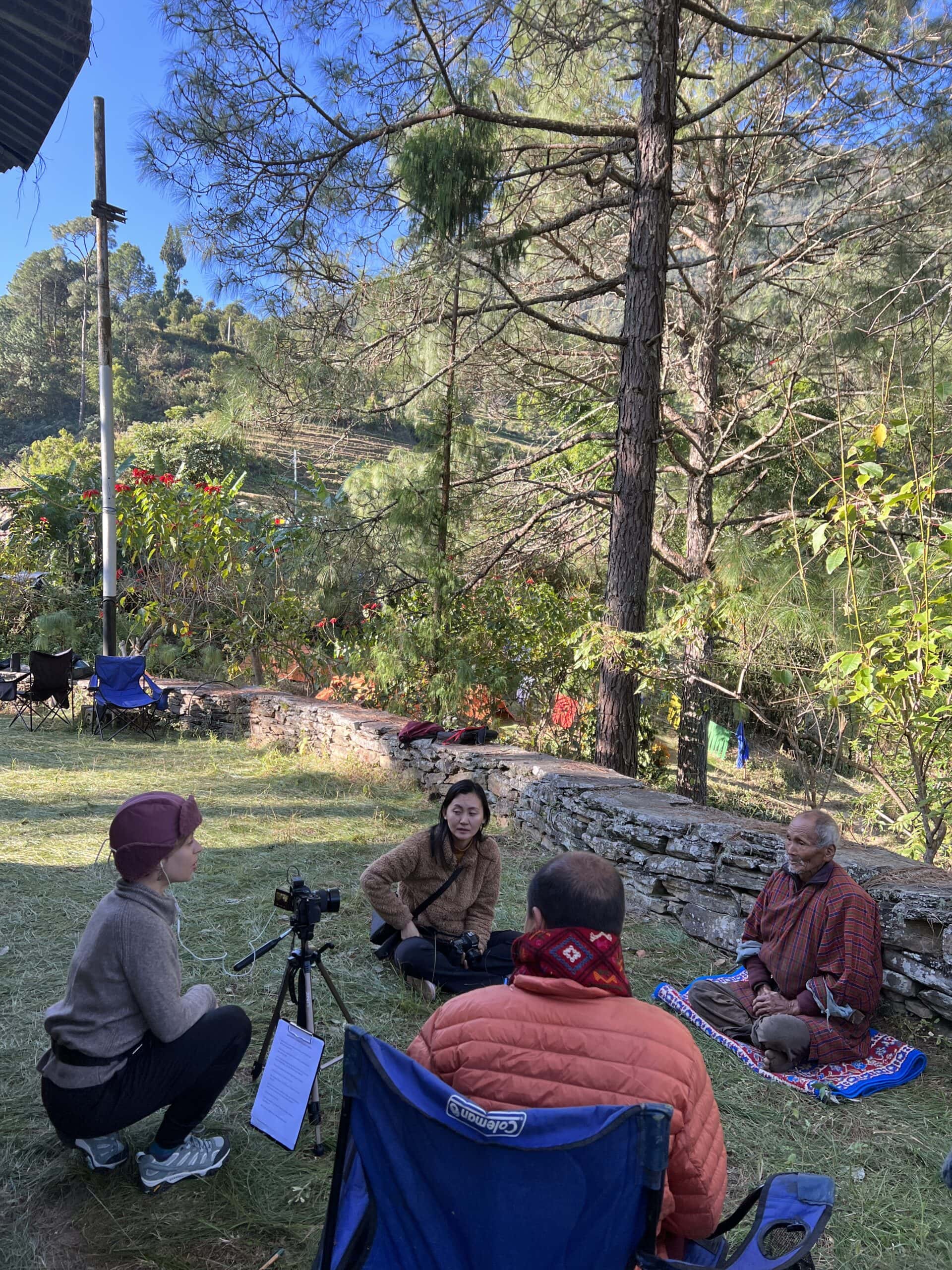
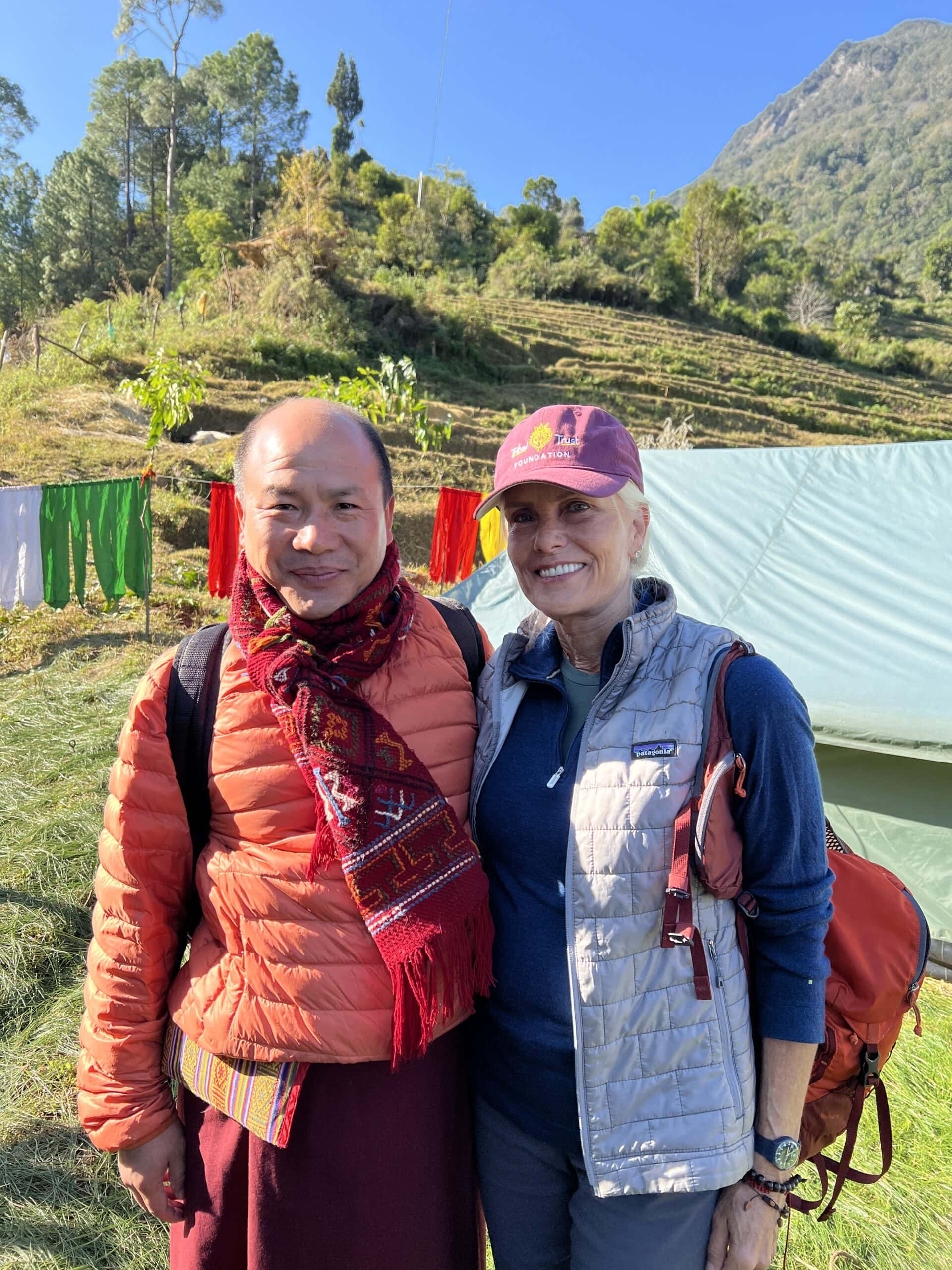
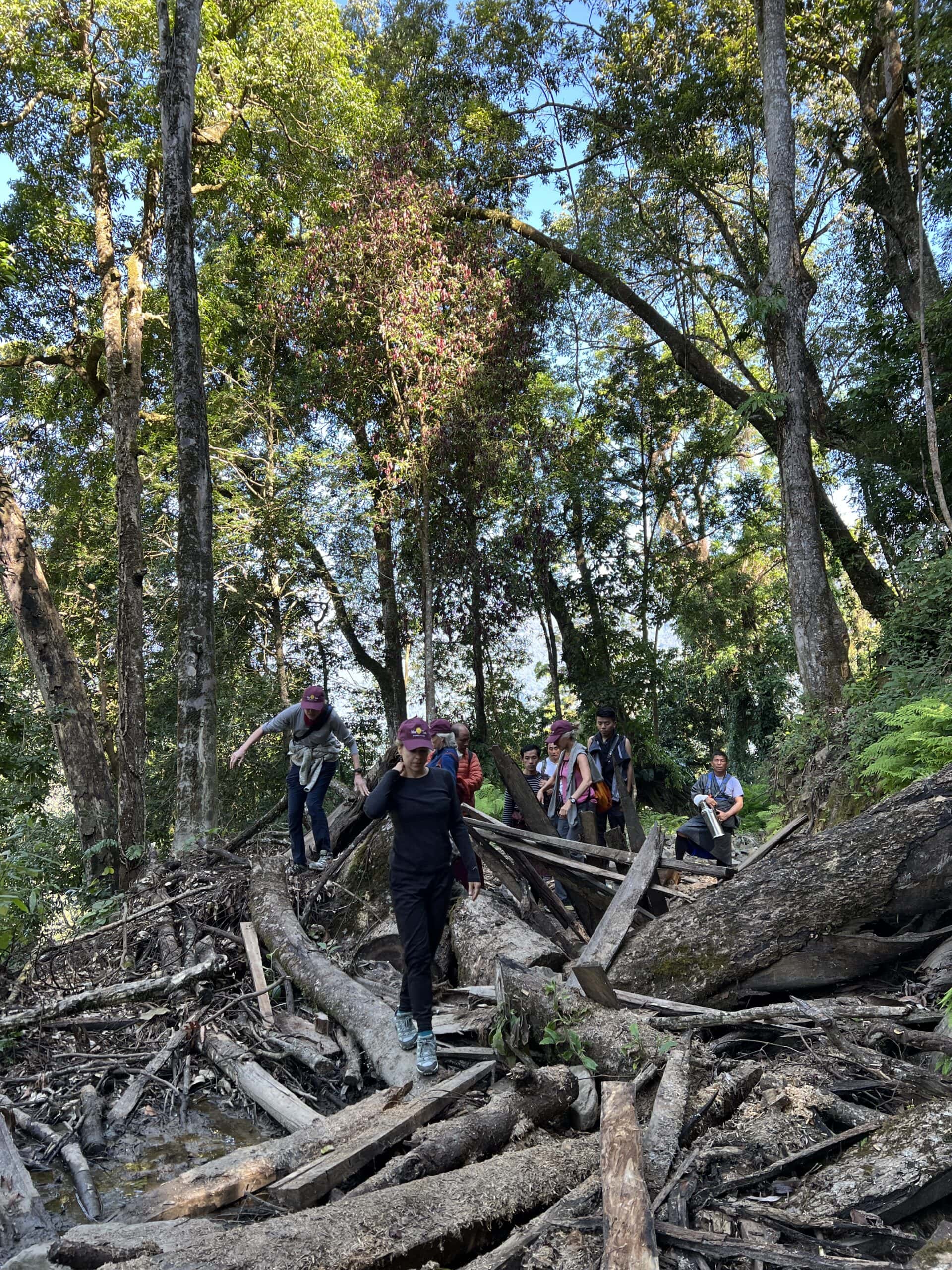
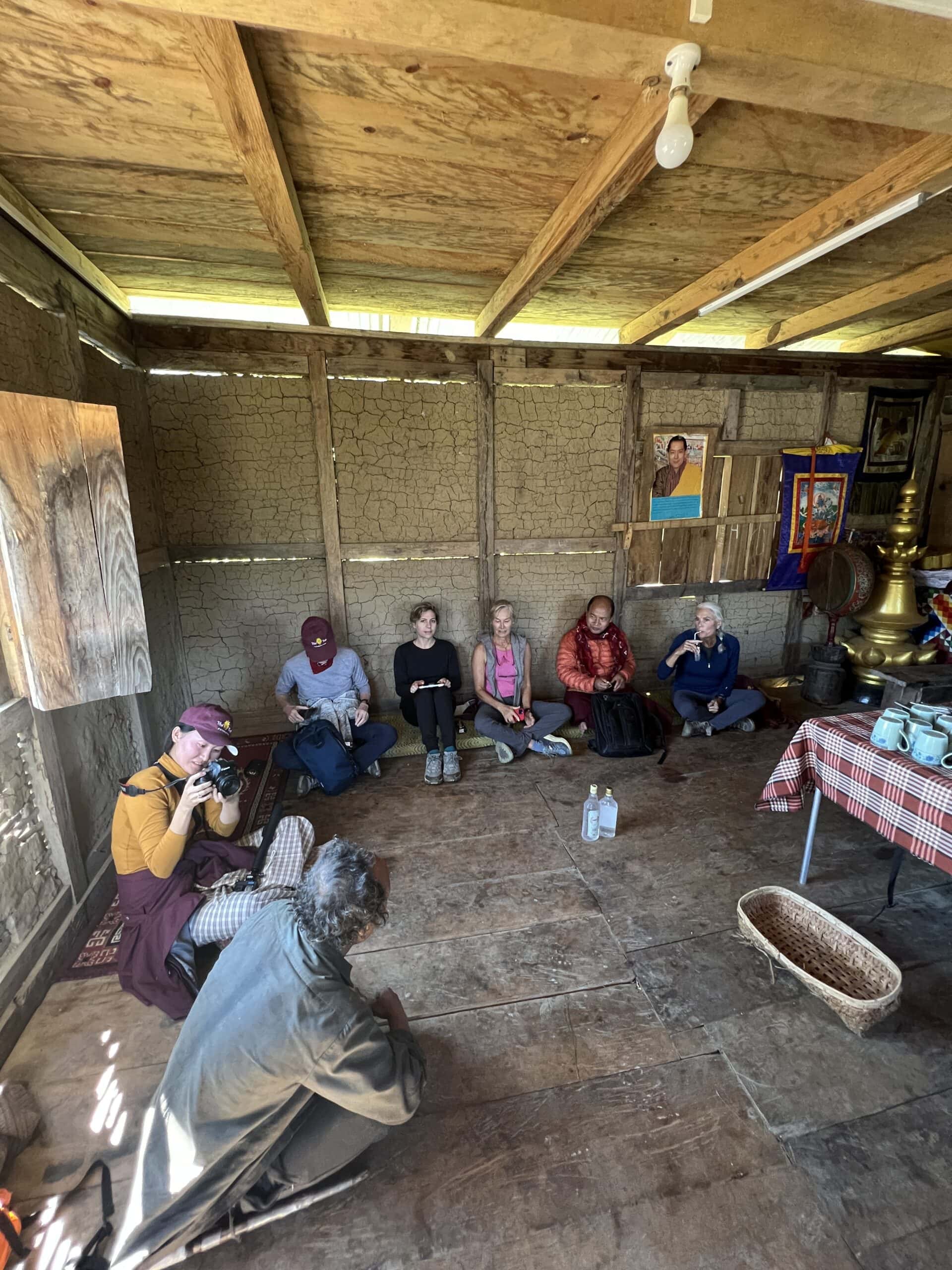
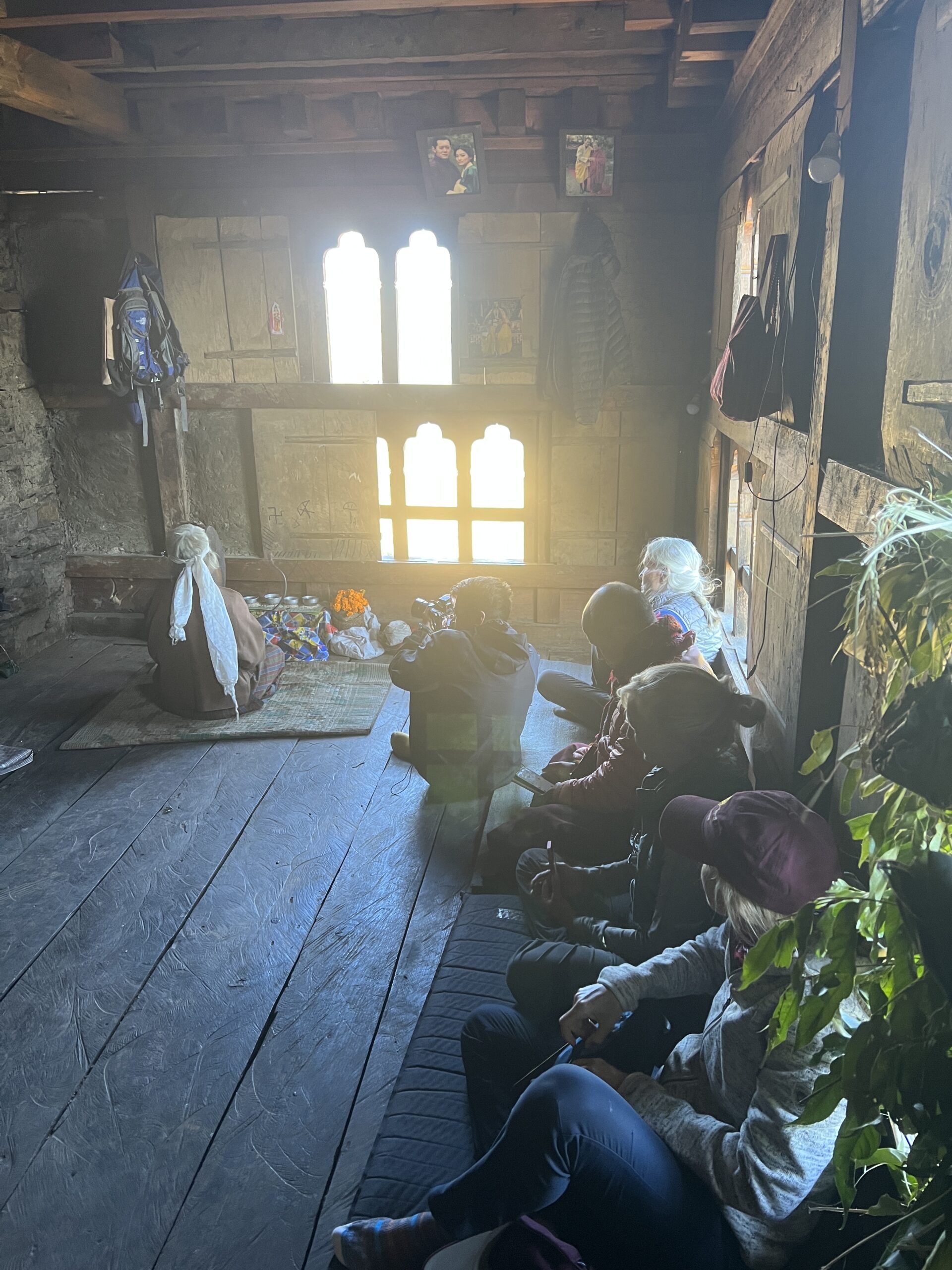
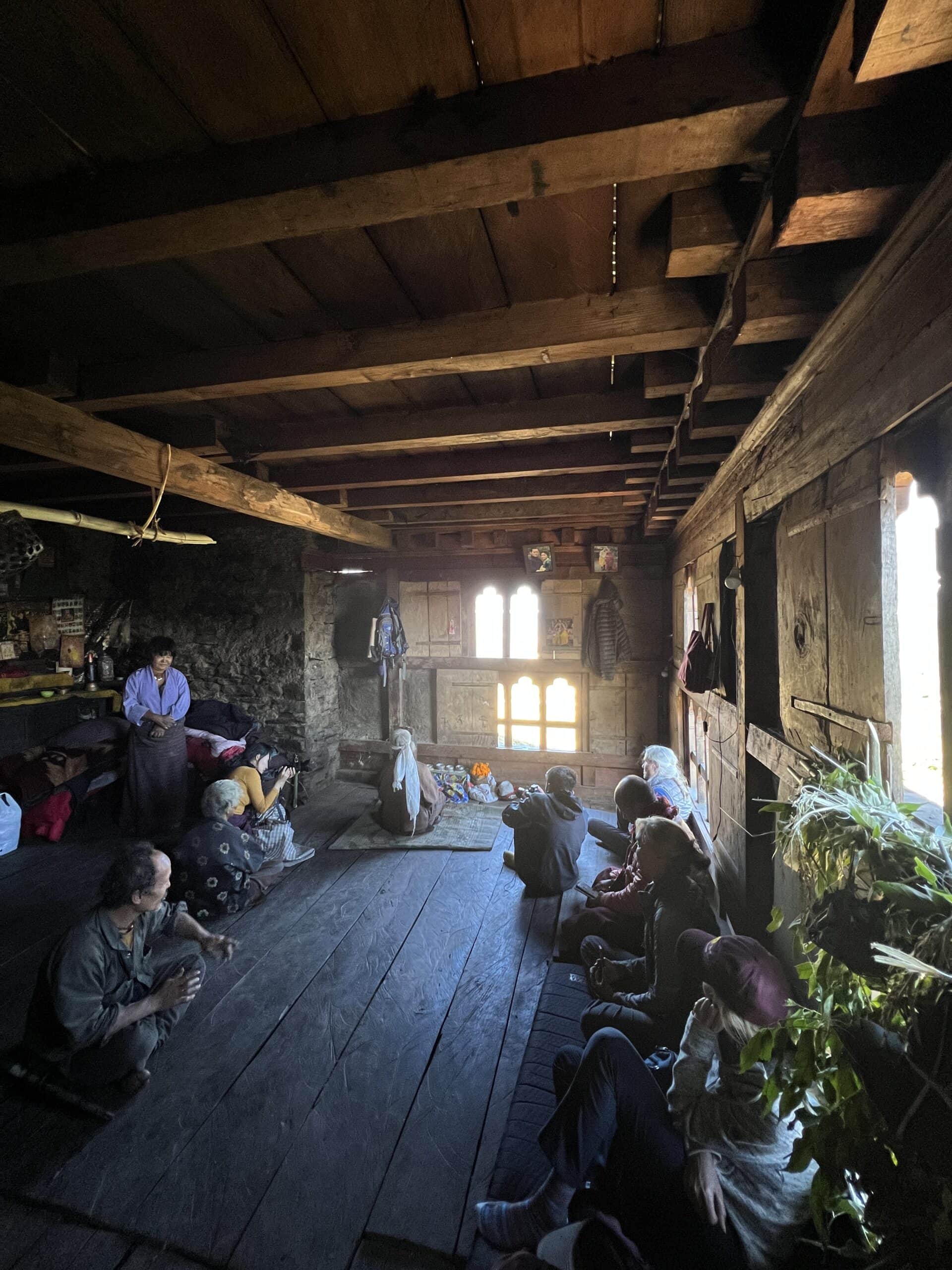
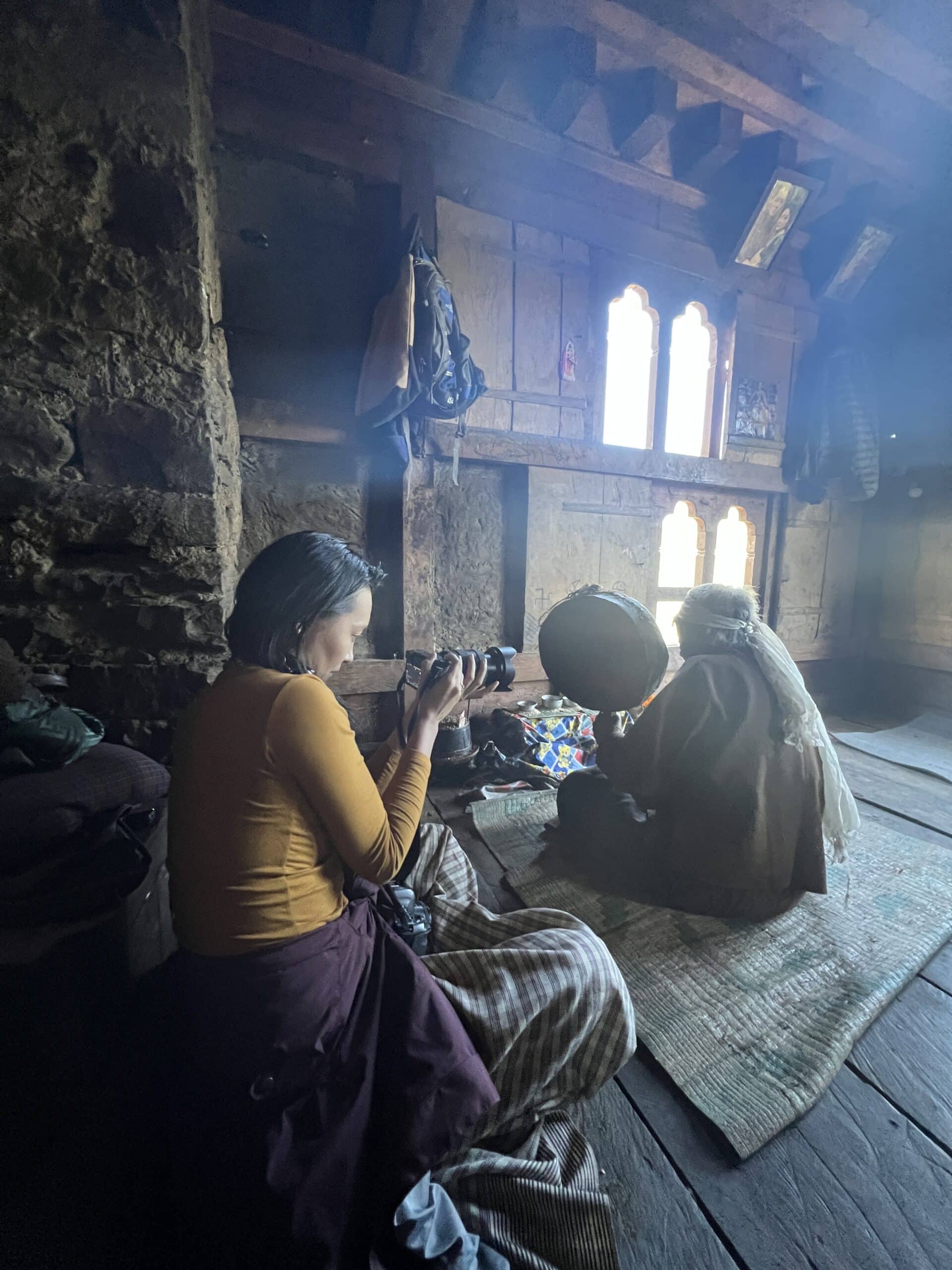
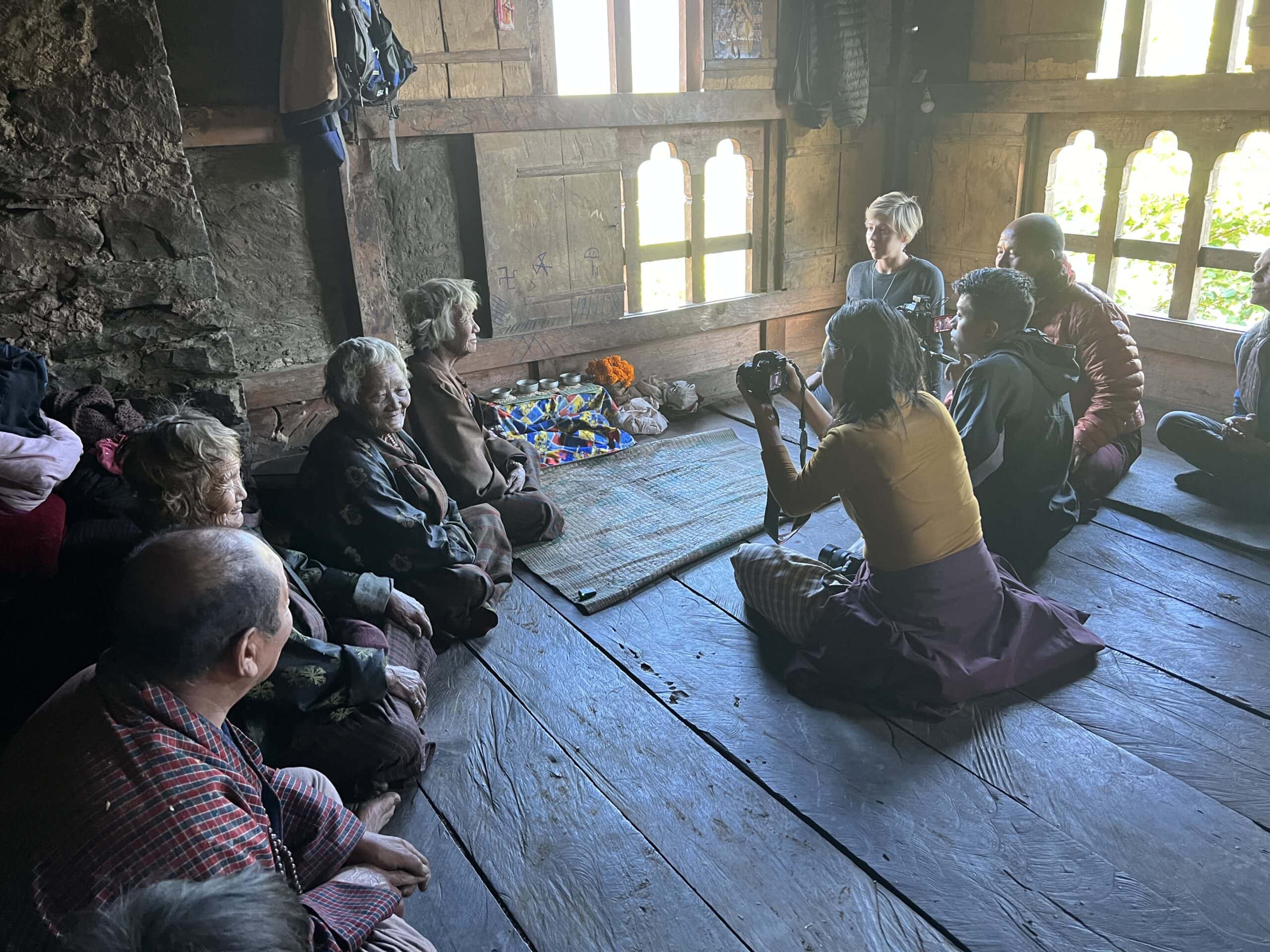
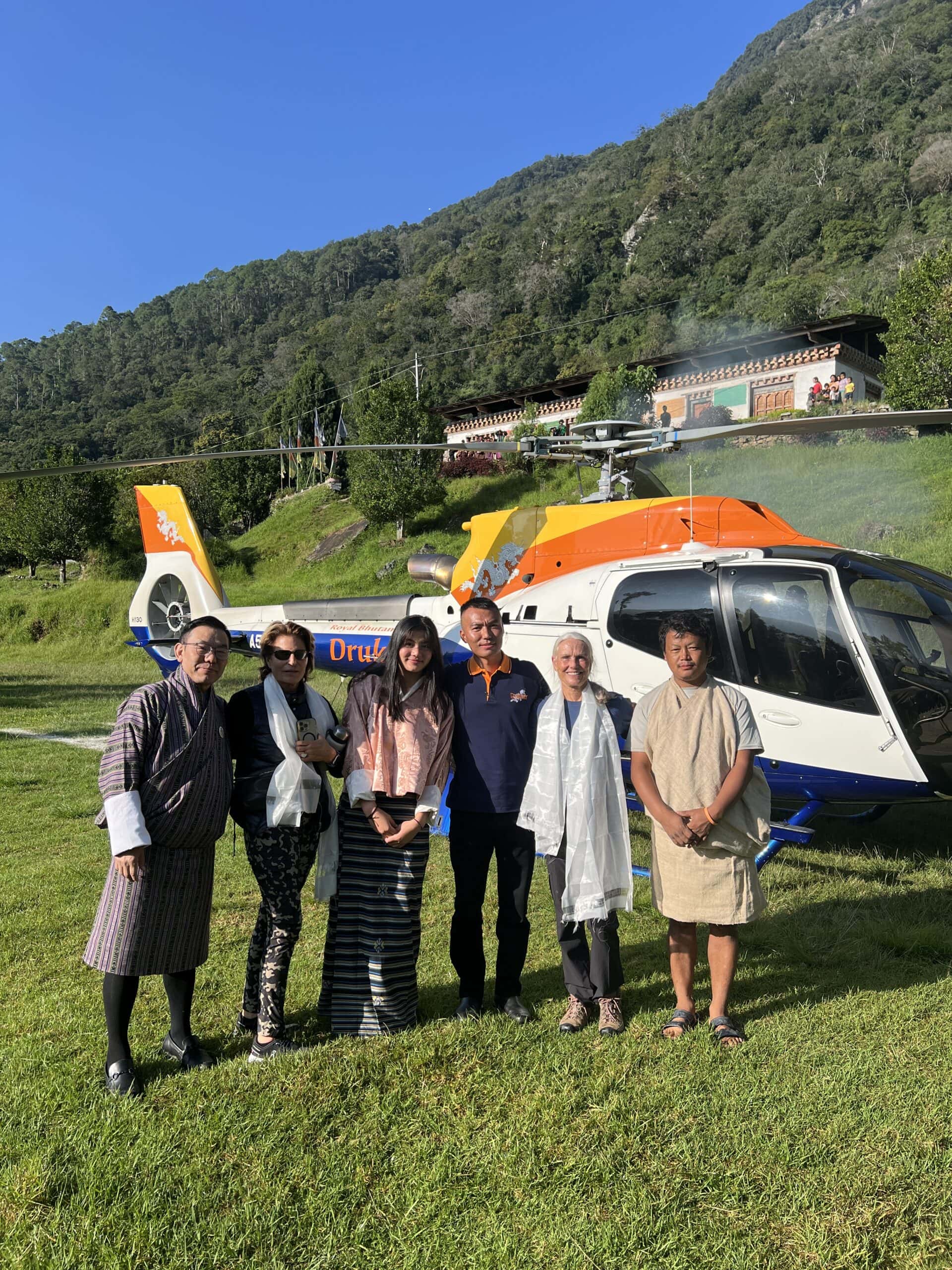
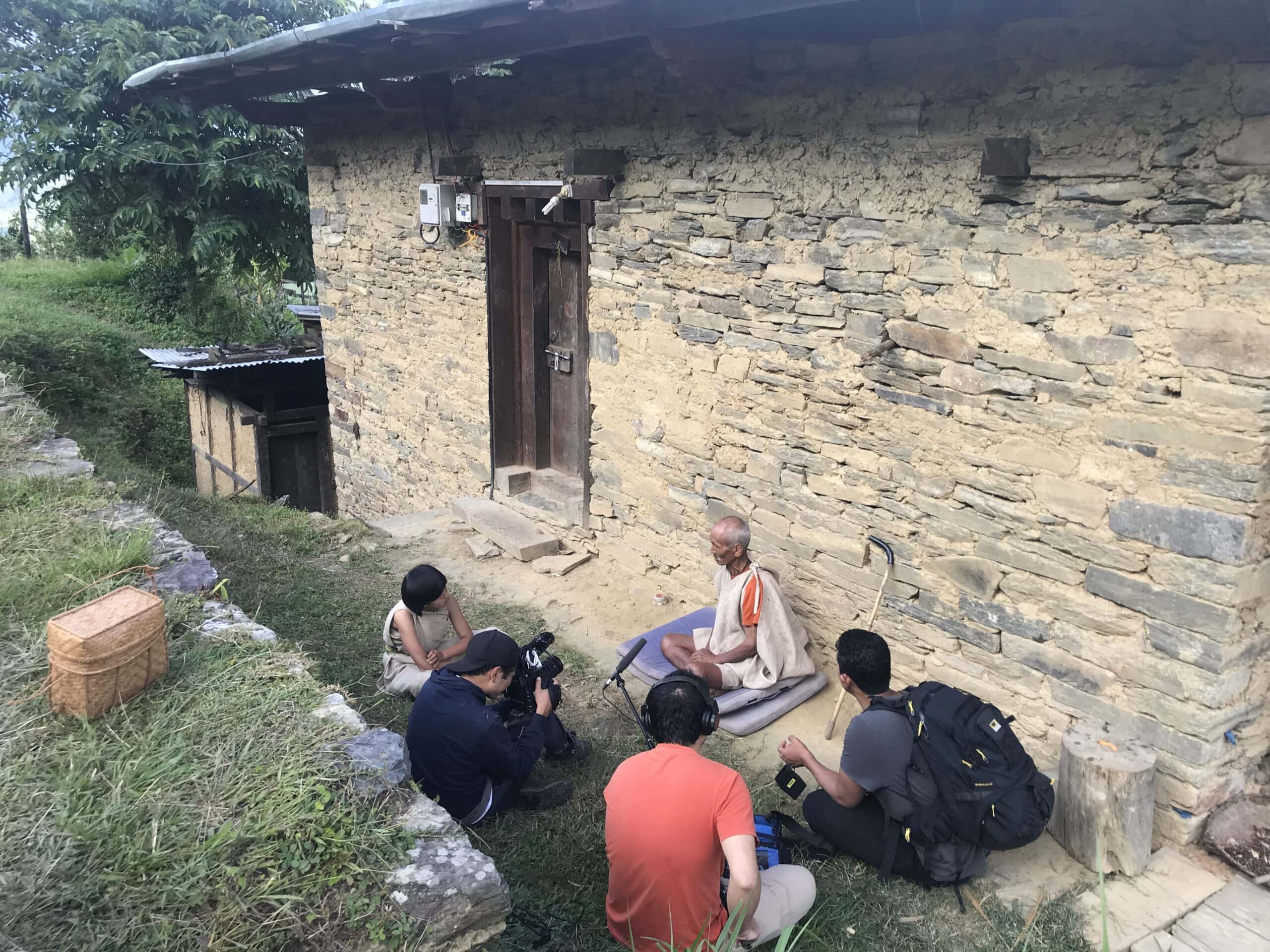
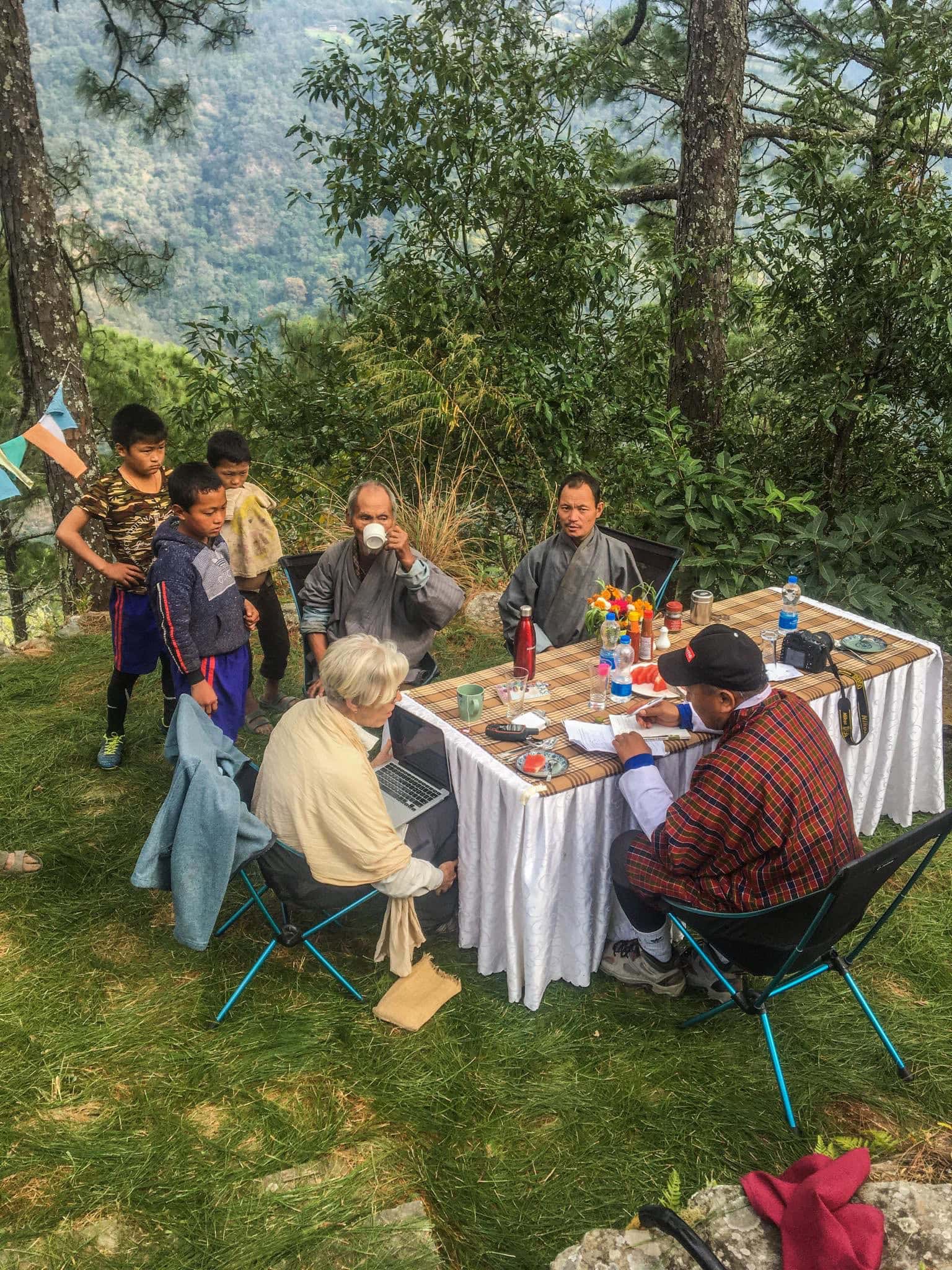
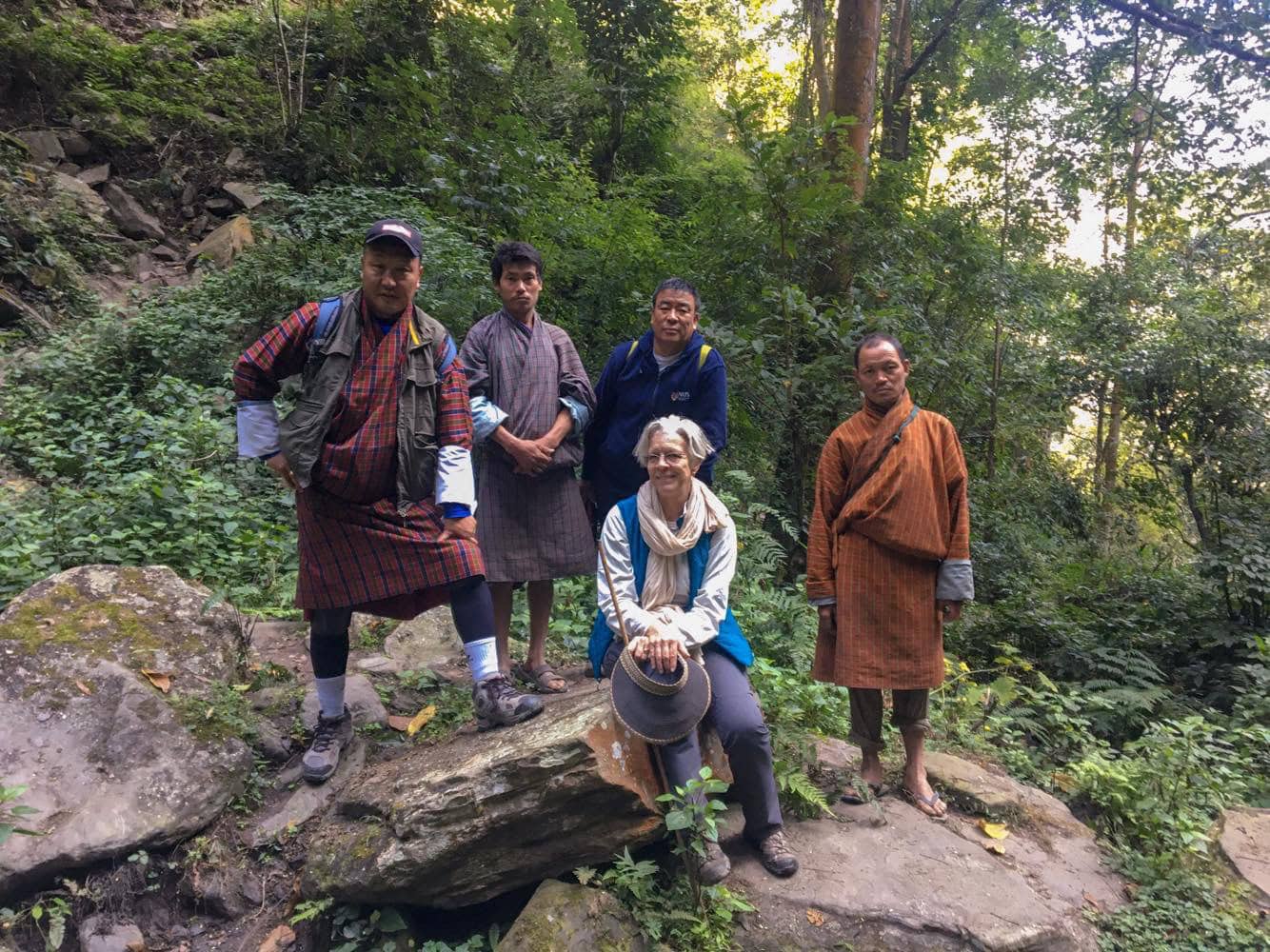
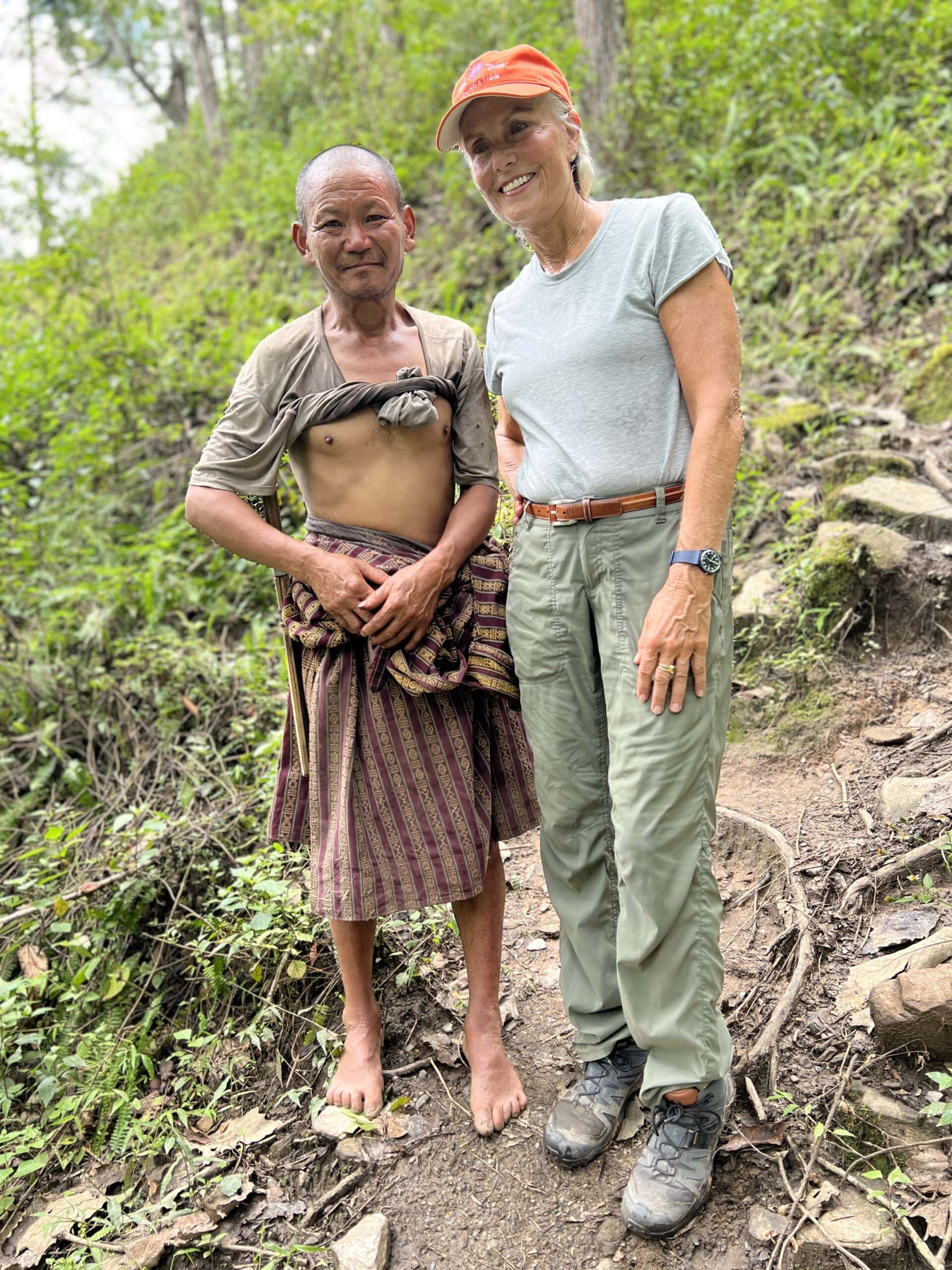
Dorji, a Monpa shaman, asked the Tribal Trust Foundation to help. He was concerned that his community would be traumatized by the rapid assimilation into the dominant culture and would lose their Indigenous knowledge and traditional way of life. Our partnership began in October 2014 in Jangbi, on the Black Mountain, with community members from all three Monpa villages — and TTF became the first organization to support their cultural preservation initiatives.
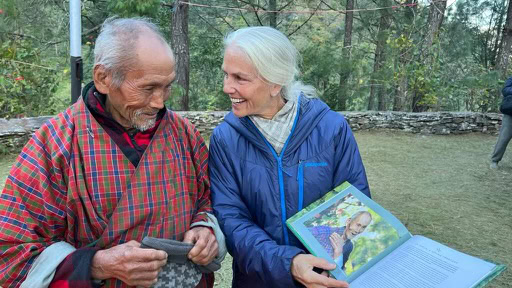
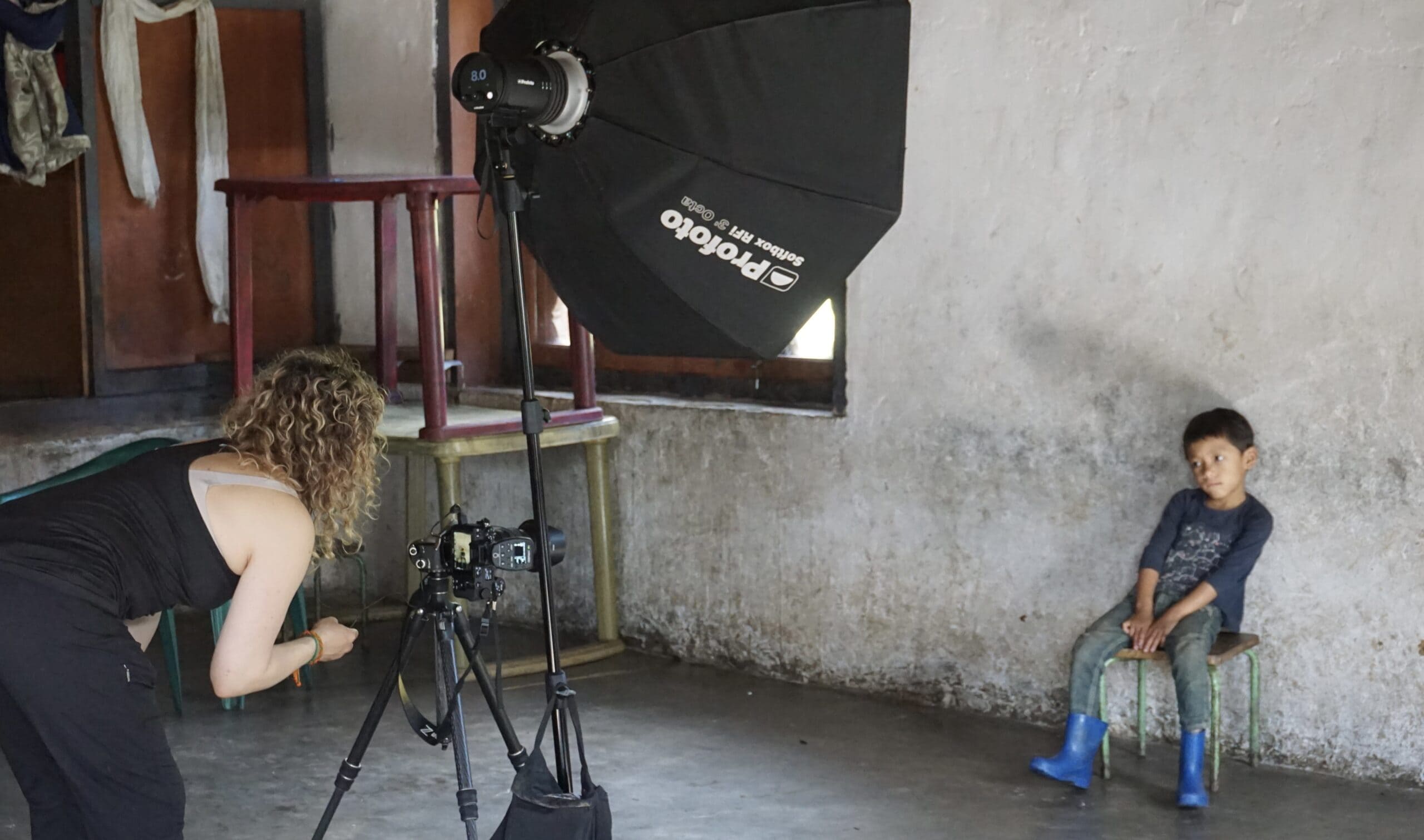
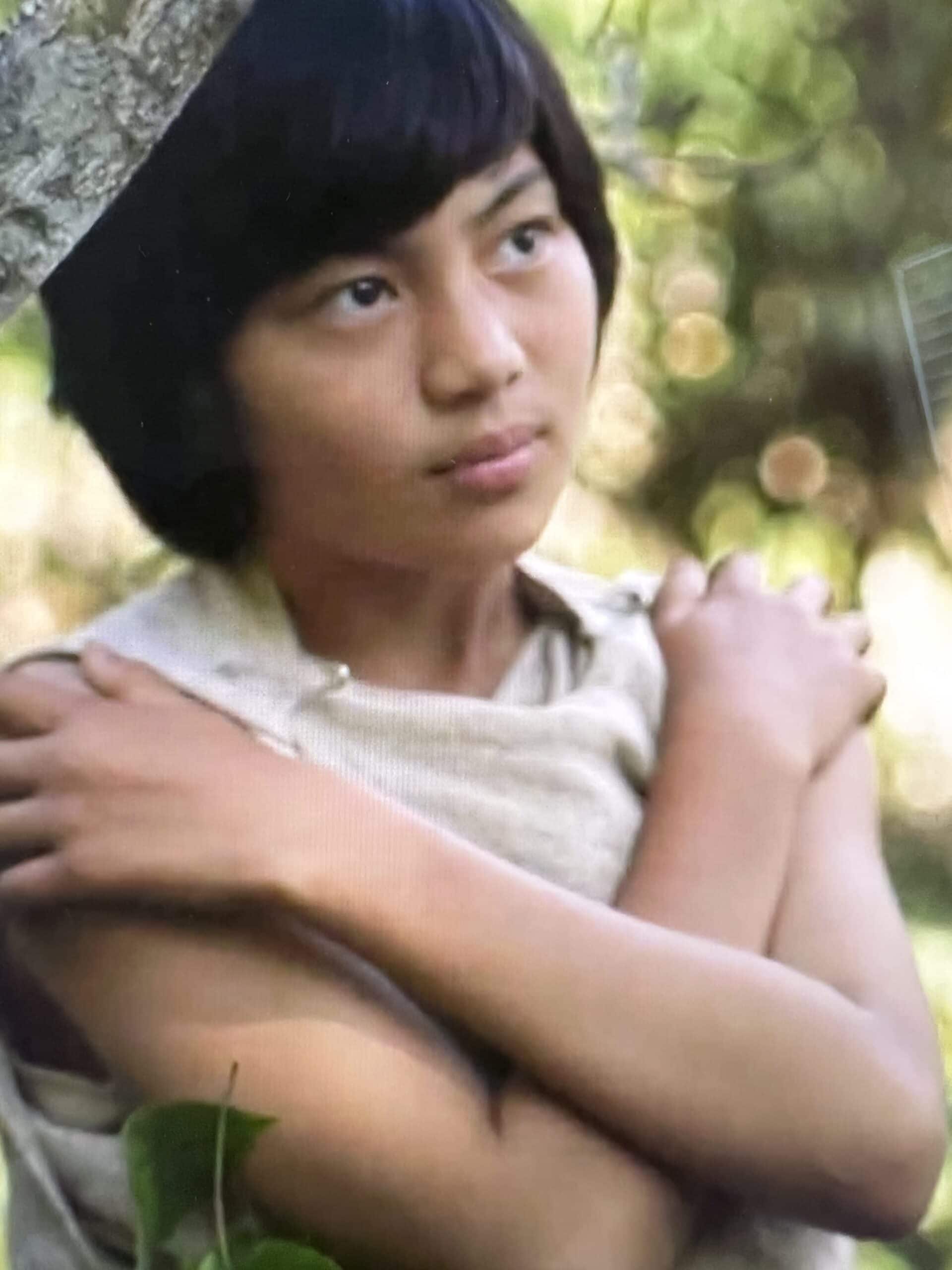
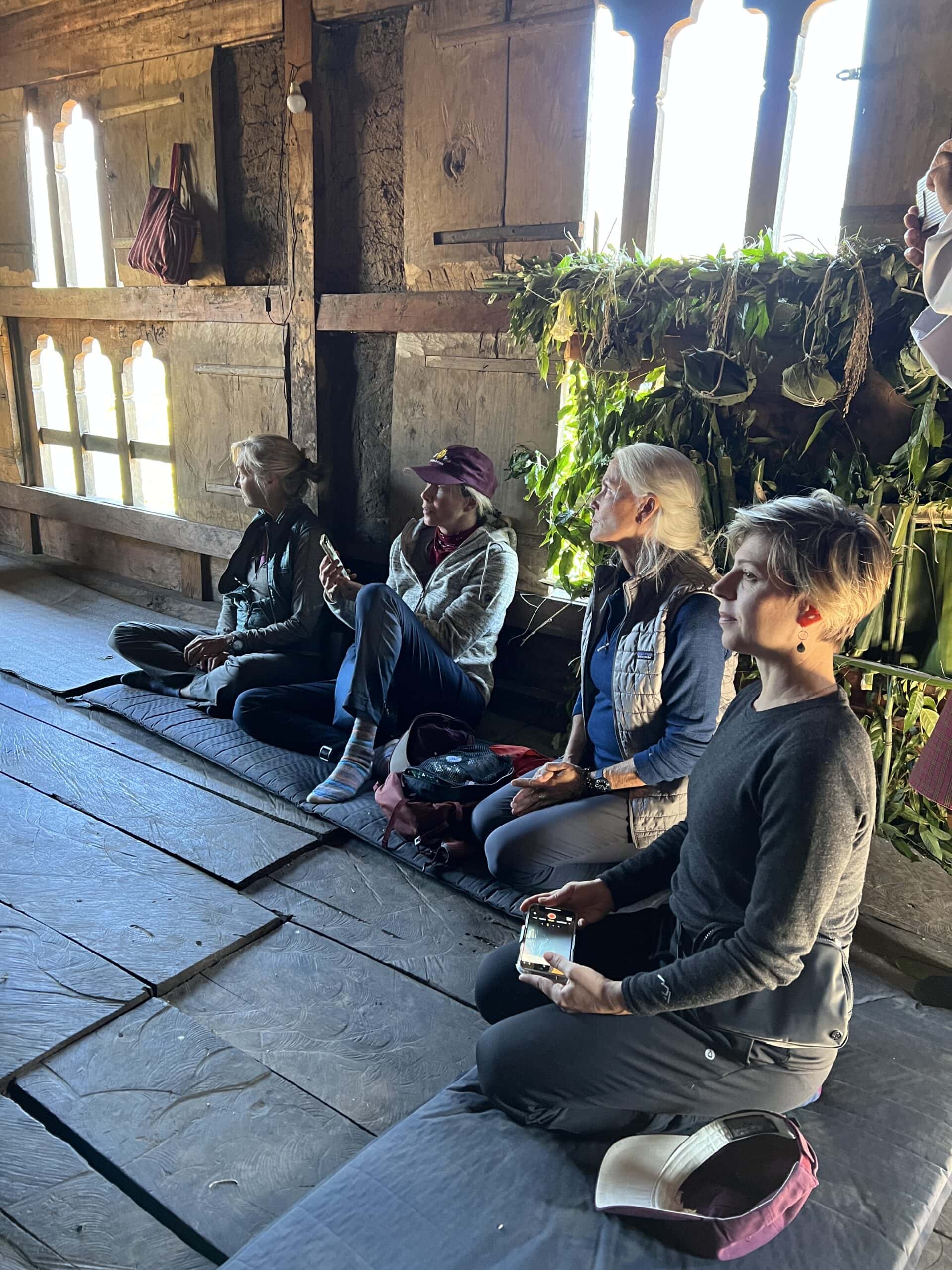
That first documentation journey recorded the Monpa creation story, produced a short film, and inspired one of the photographers to publish a book featuring the Monpa people, Echoes of Bhutan. Just as important, community members described a renewed sense of self as Indigenous people.
Why we partnered
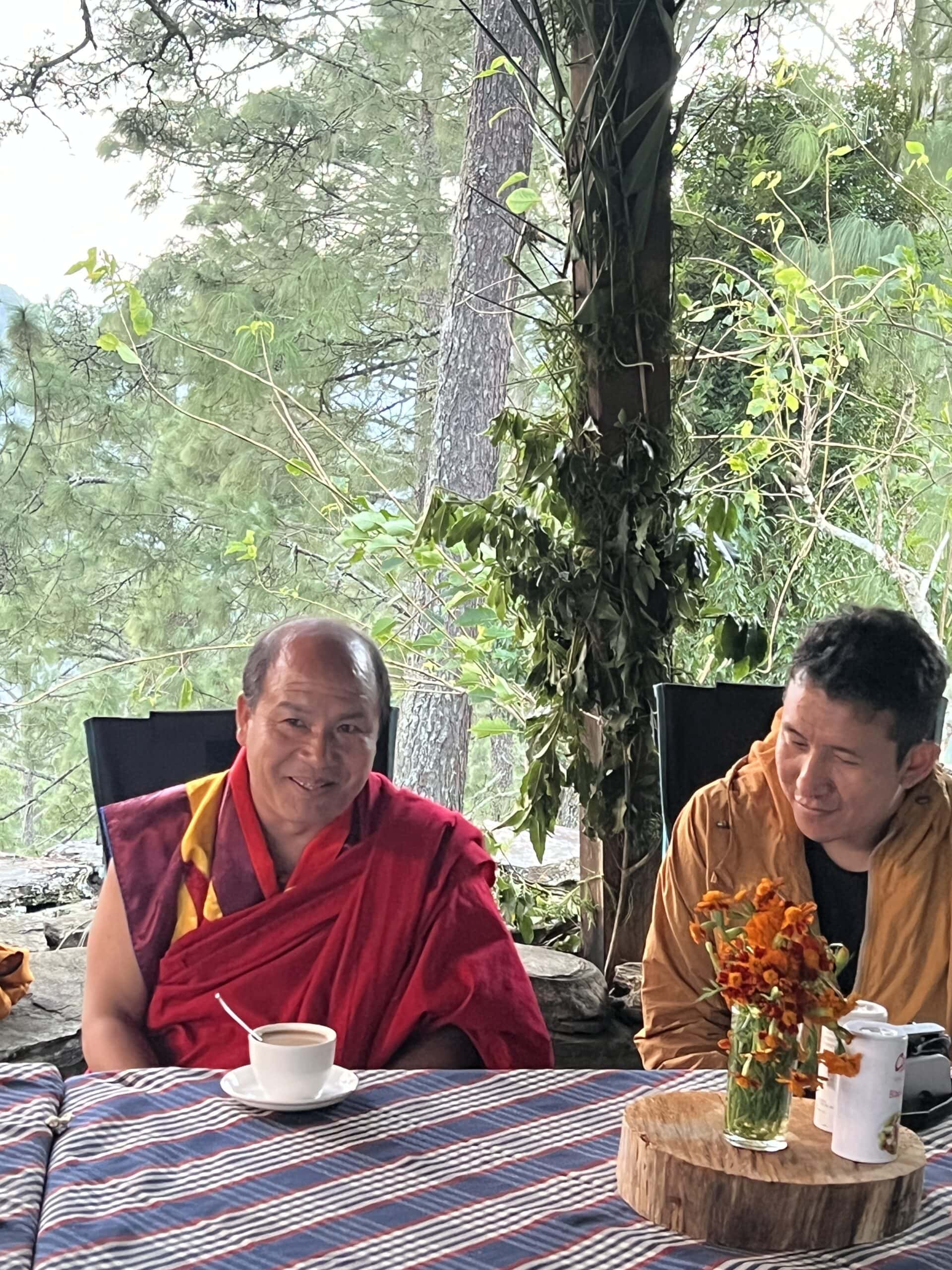
The work is Monpa-led from end to end: Elders, shamans, and the Monpa Lama set the priorities, and TTF funds and helps carry them out. As Lama Dophu shared with us, “if it wasn’t for the Tribal Trust Foundation, we would have lost our culture by now. But there is still work to do.” (TTF, The Monpa)
Our collaborative impact
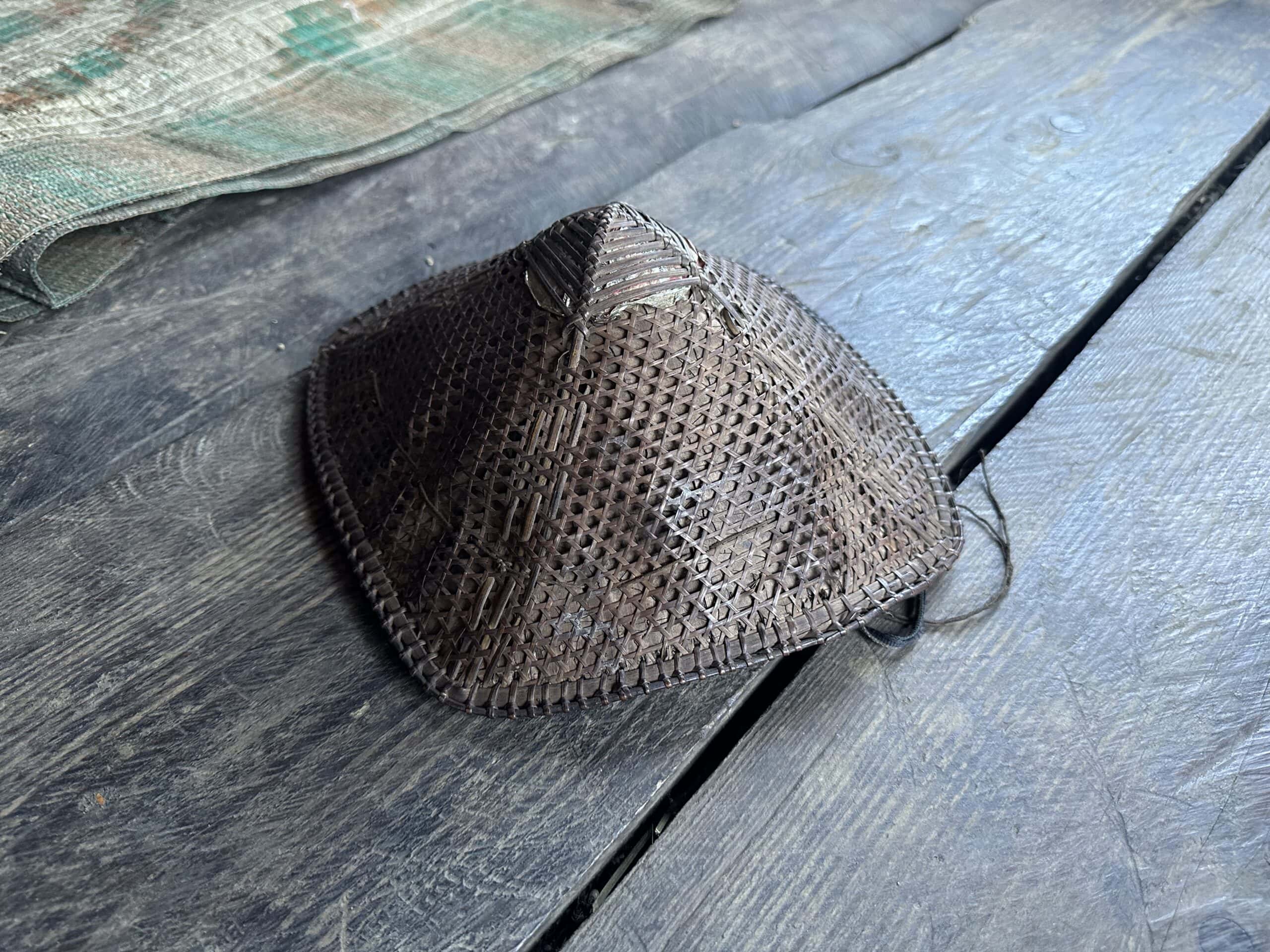
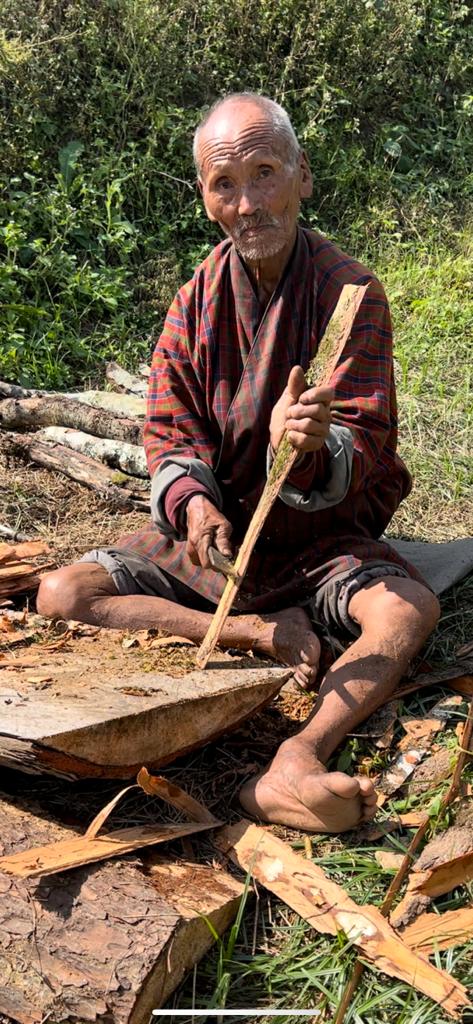
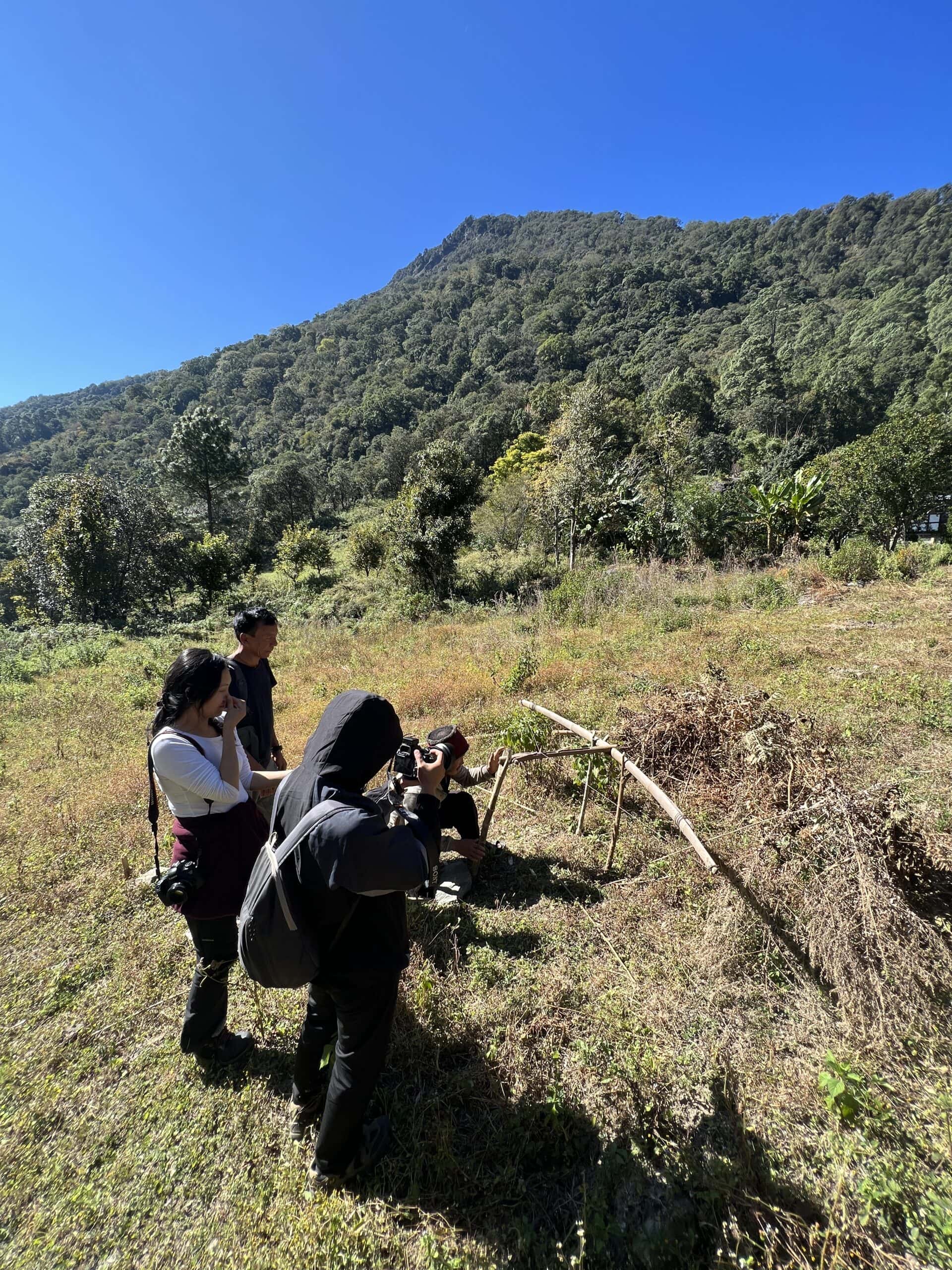
Partnered with the Tarayana Foundation to reintroduce bamboo crafts and basketry tradition restoration.
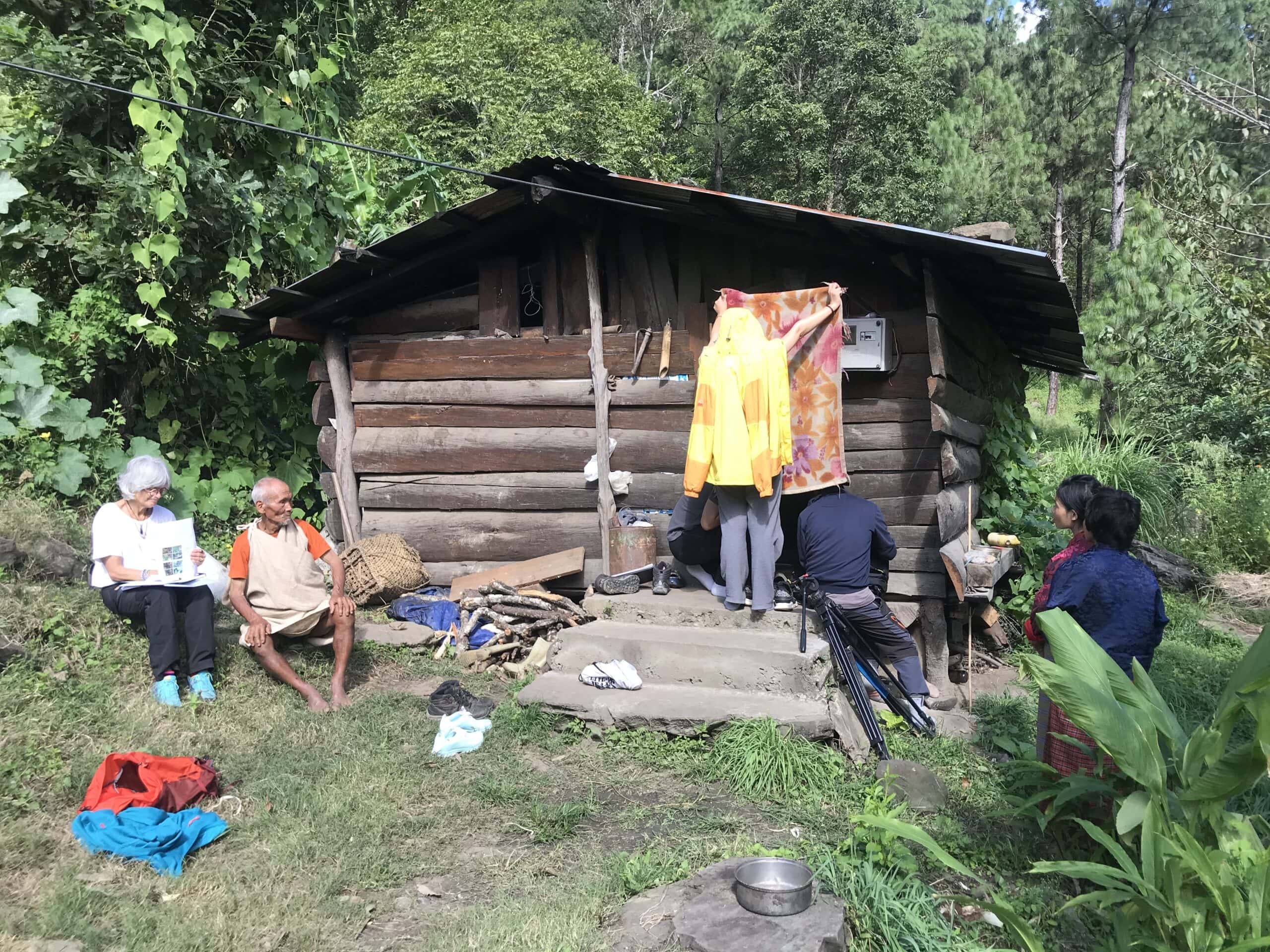
Funded documentation through photography, film, and publications from 2014 to the present, including the Research Project of Indigenous Monpa Culture and Tradition, which has evolved into the Monpa Cultural Heritage Group.
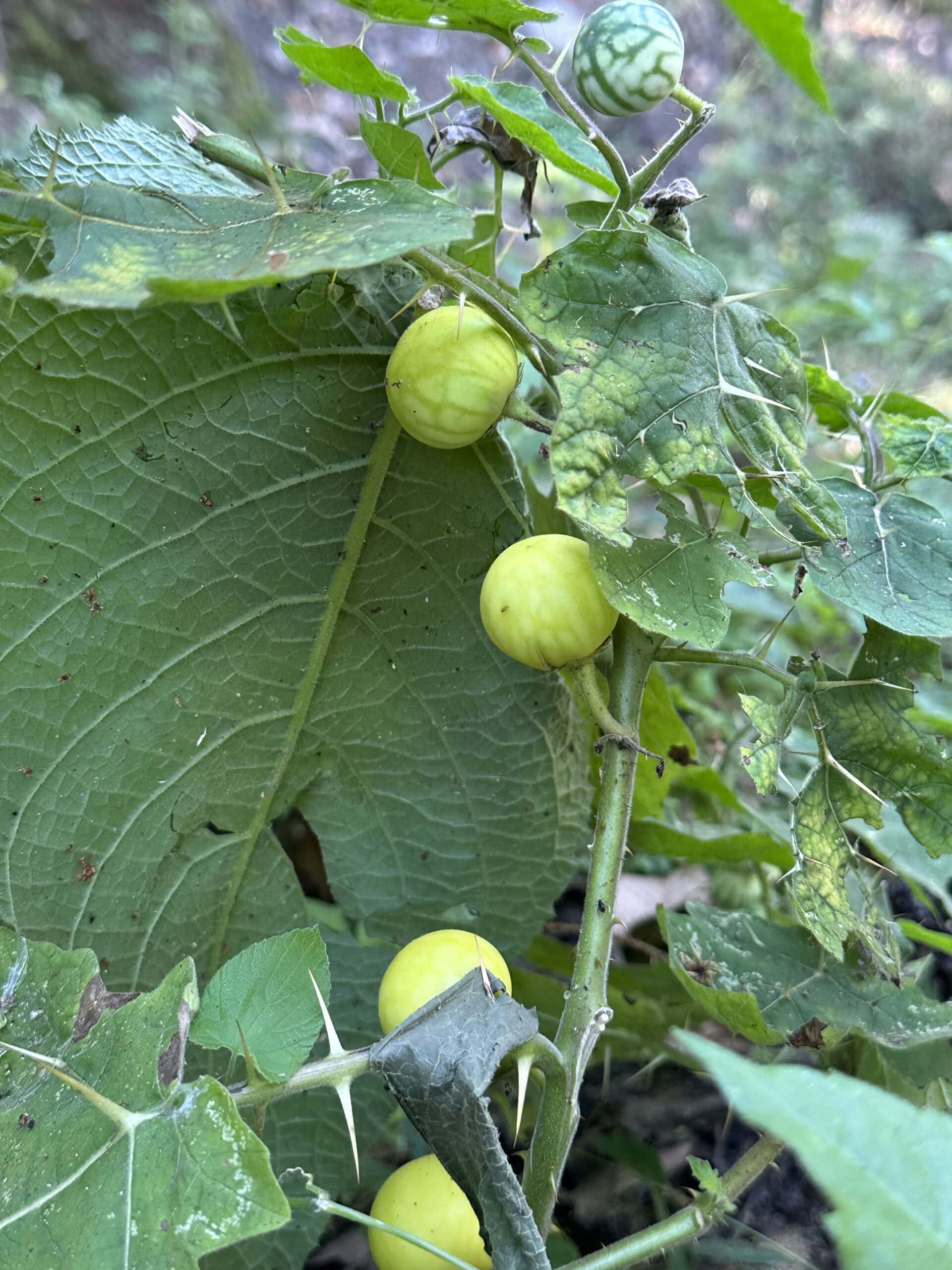
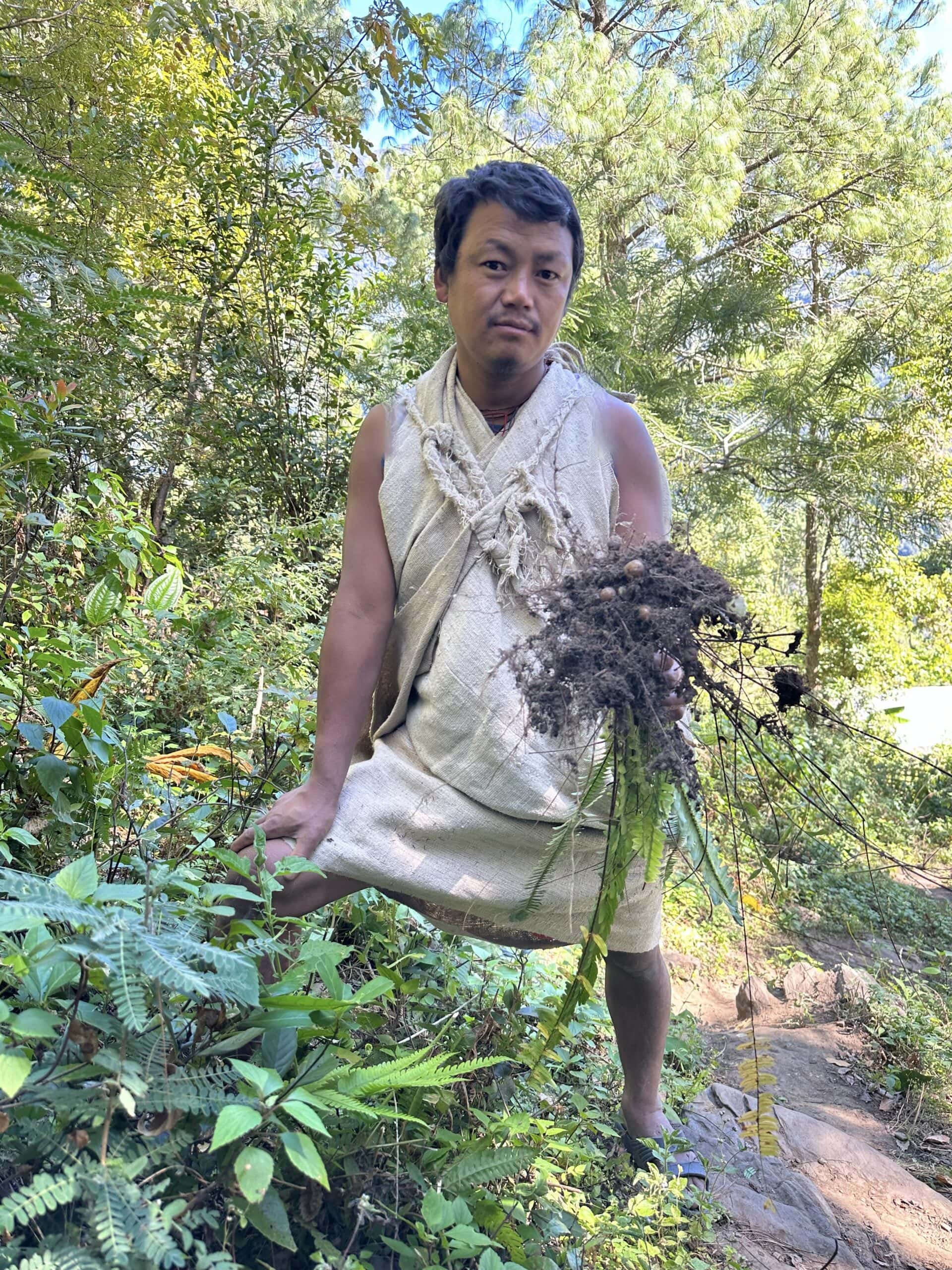
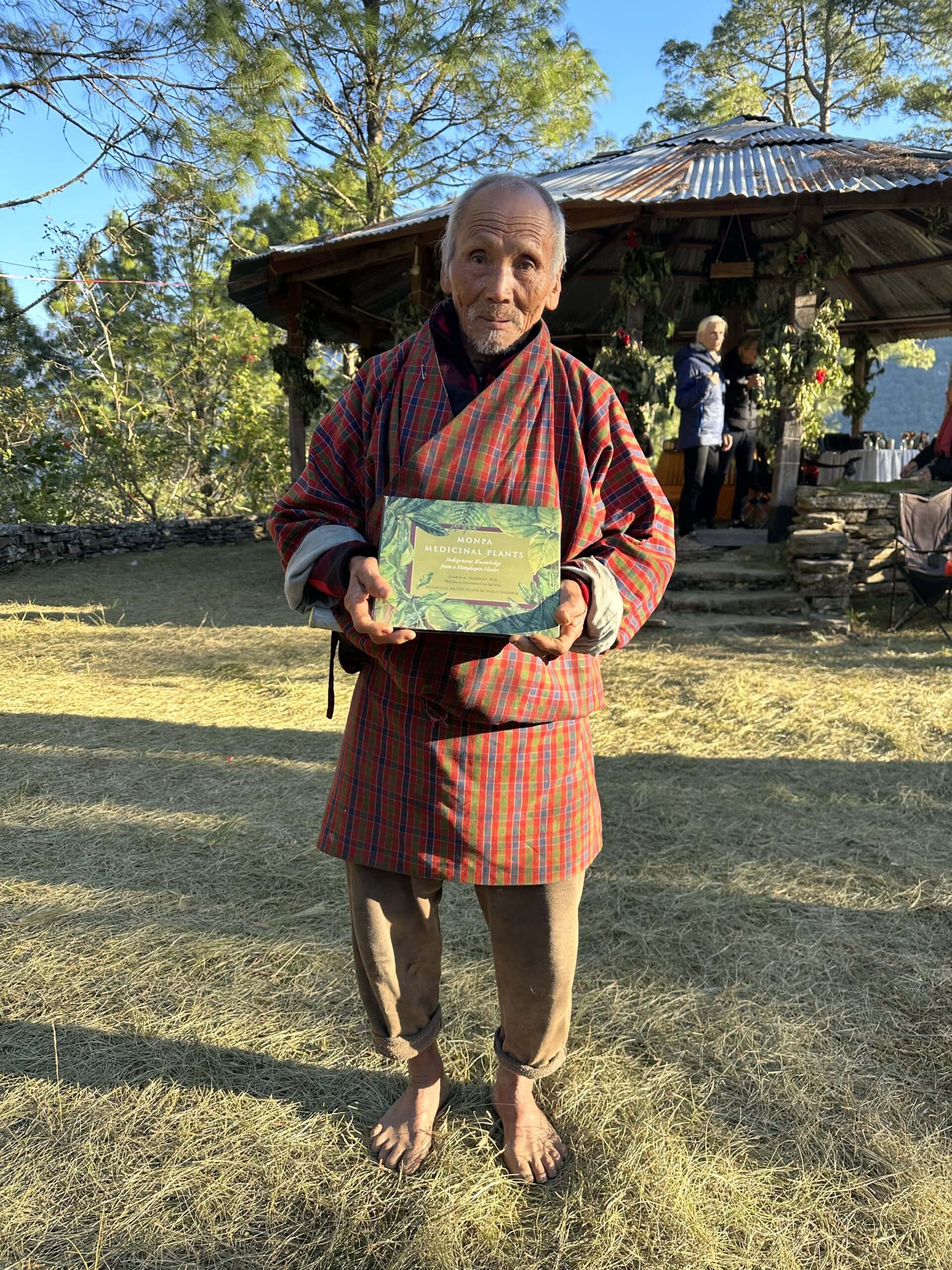
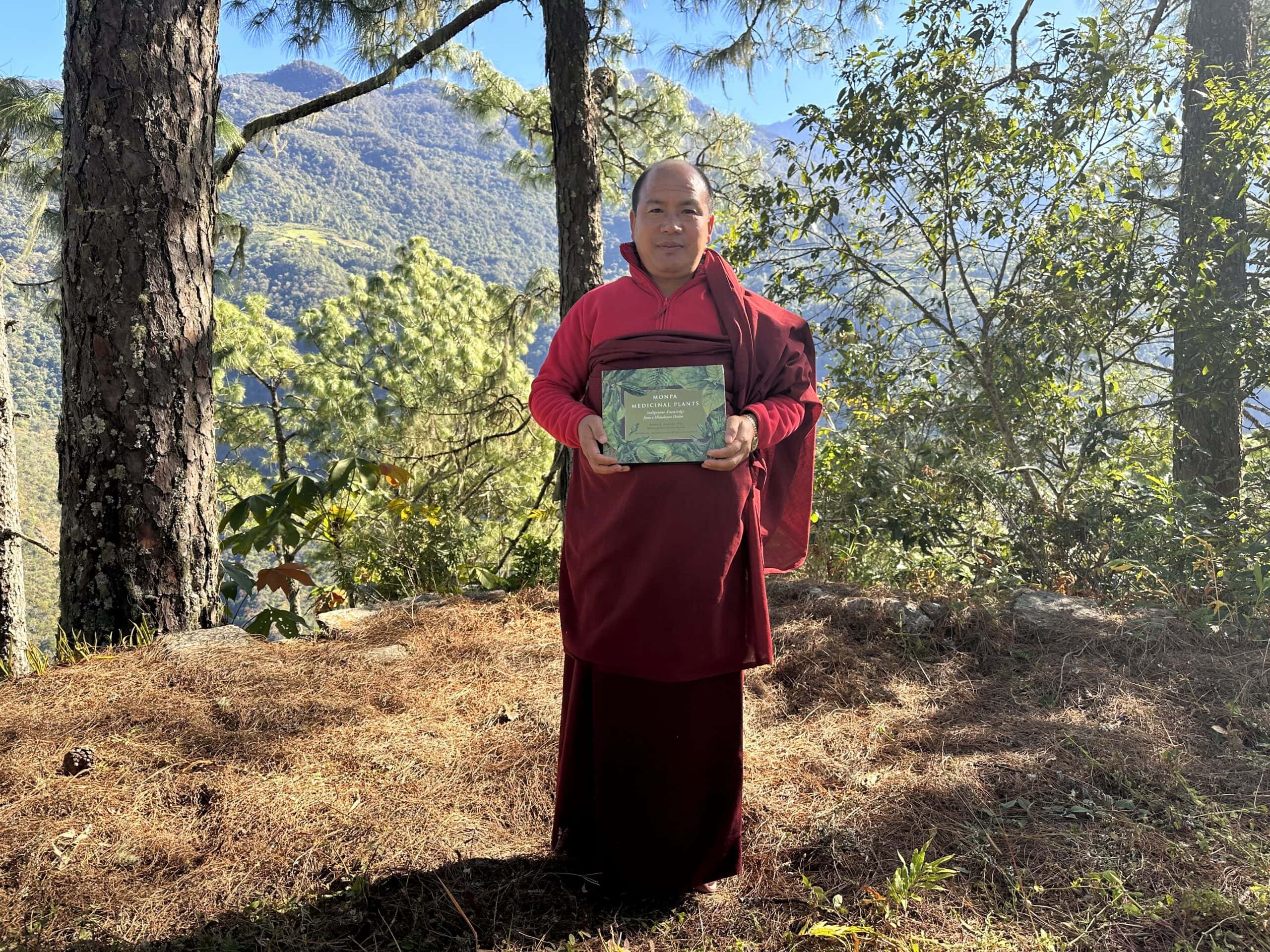
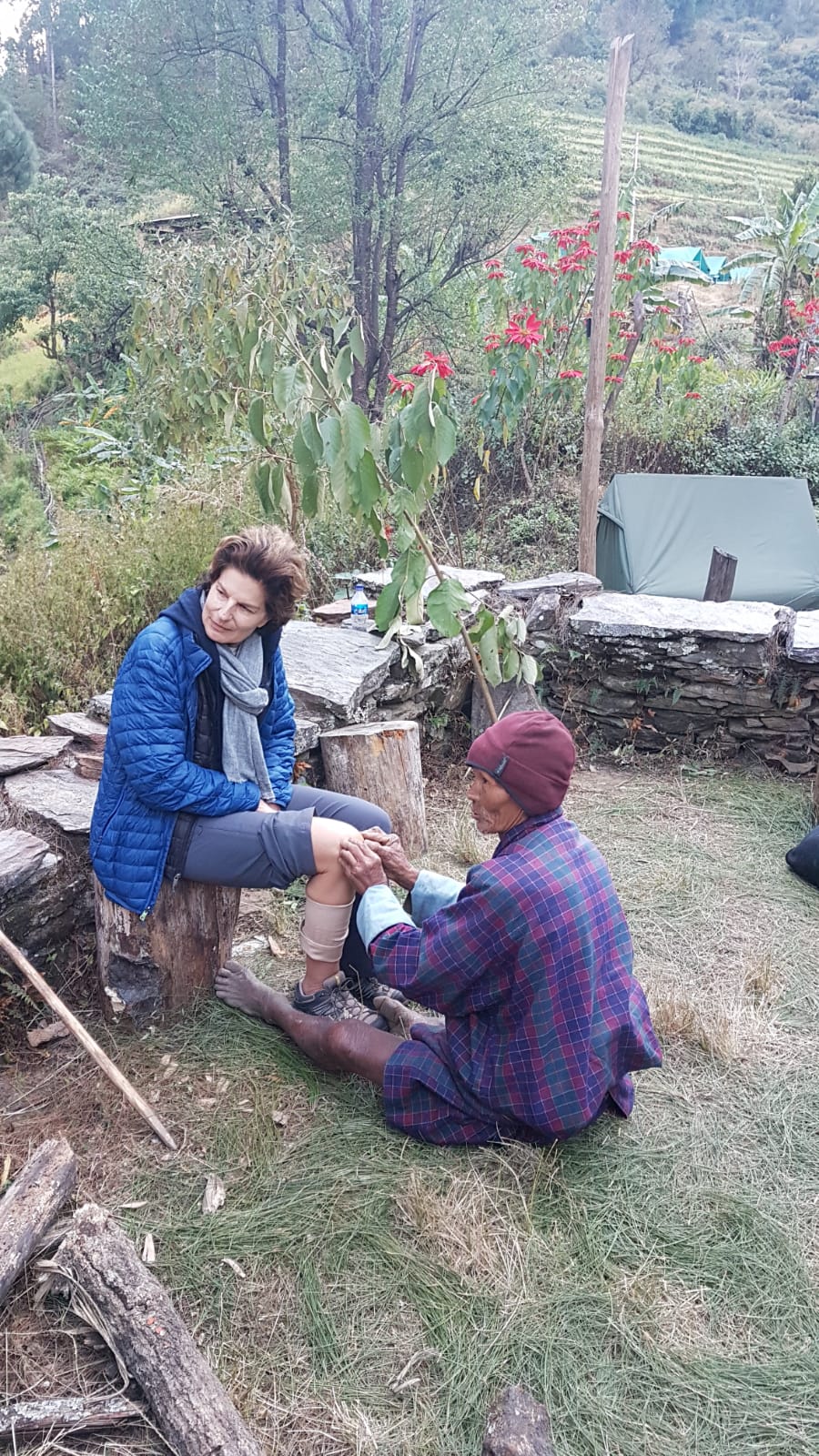
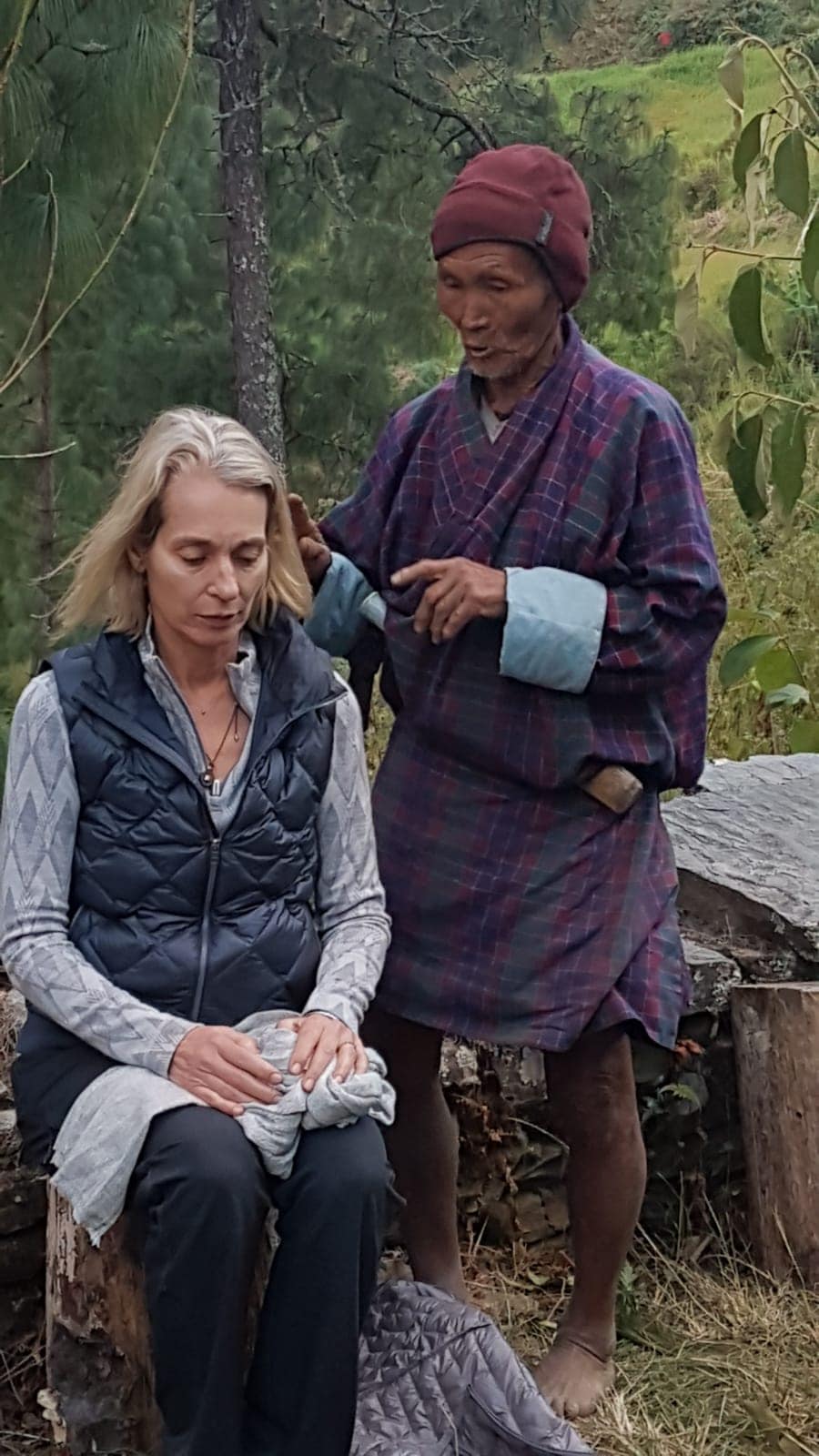
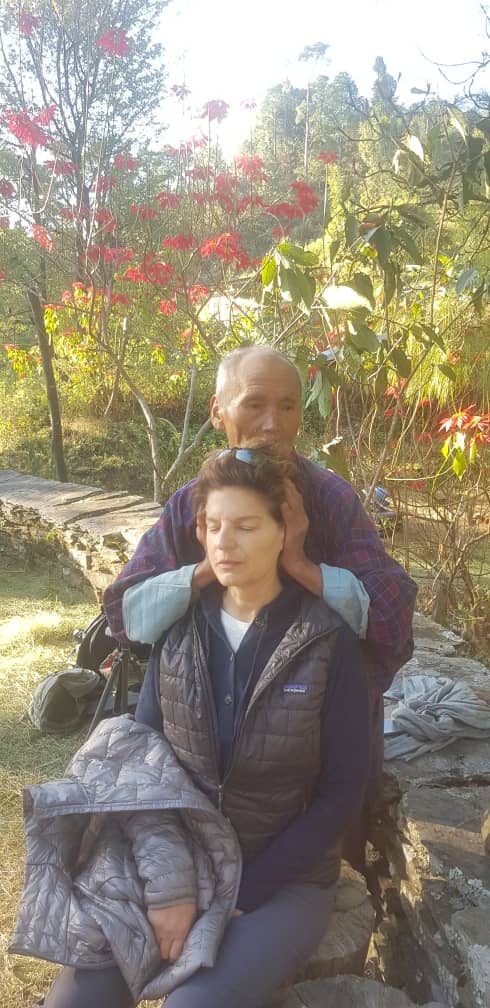
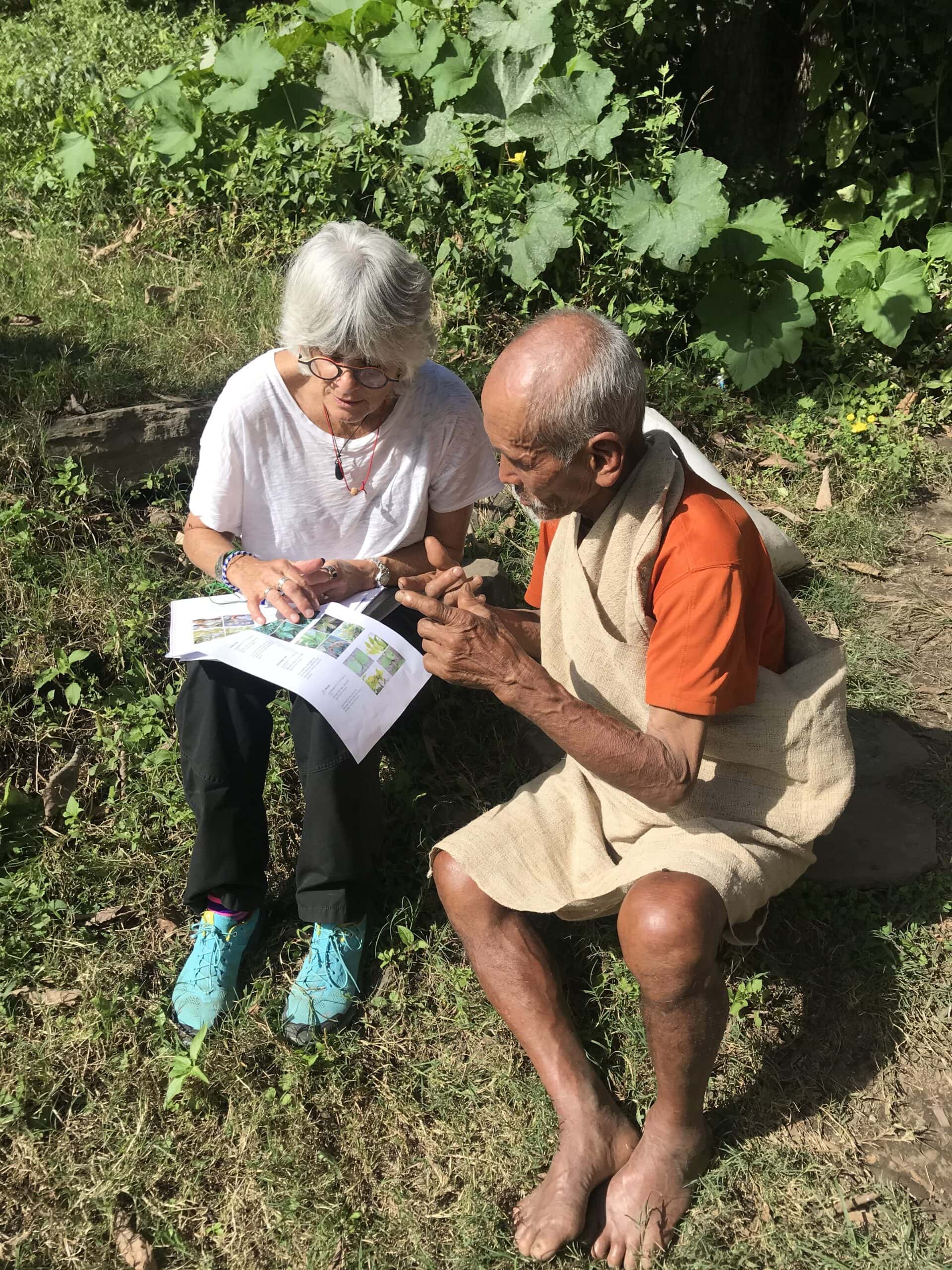
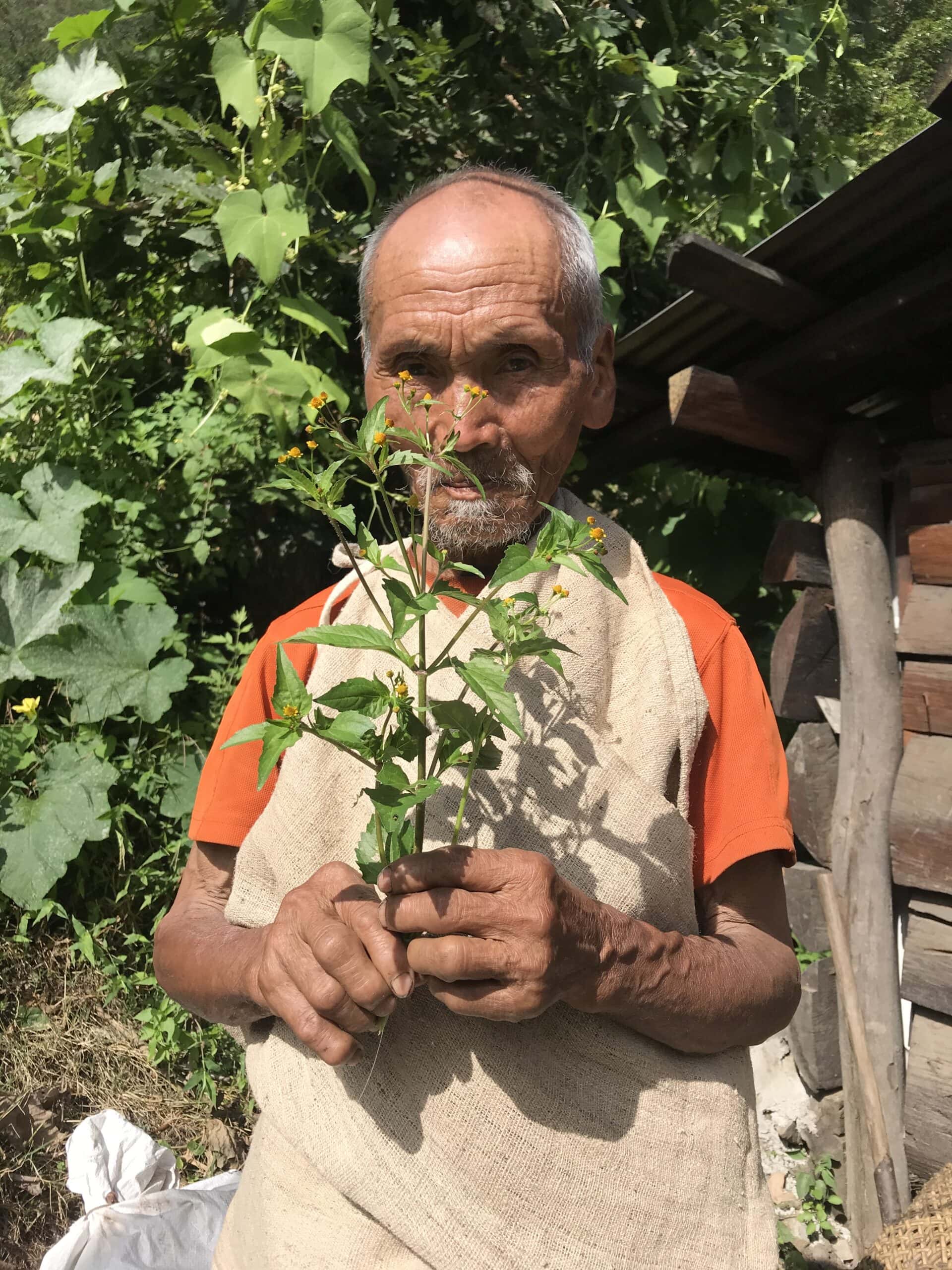
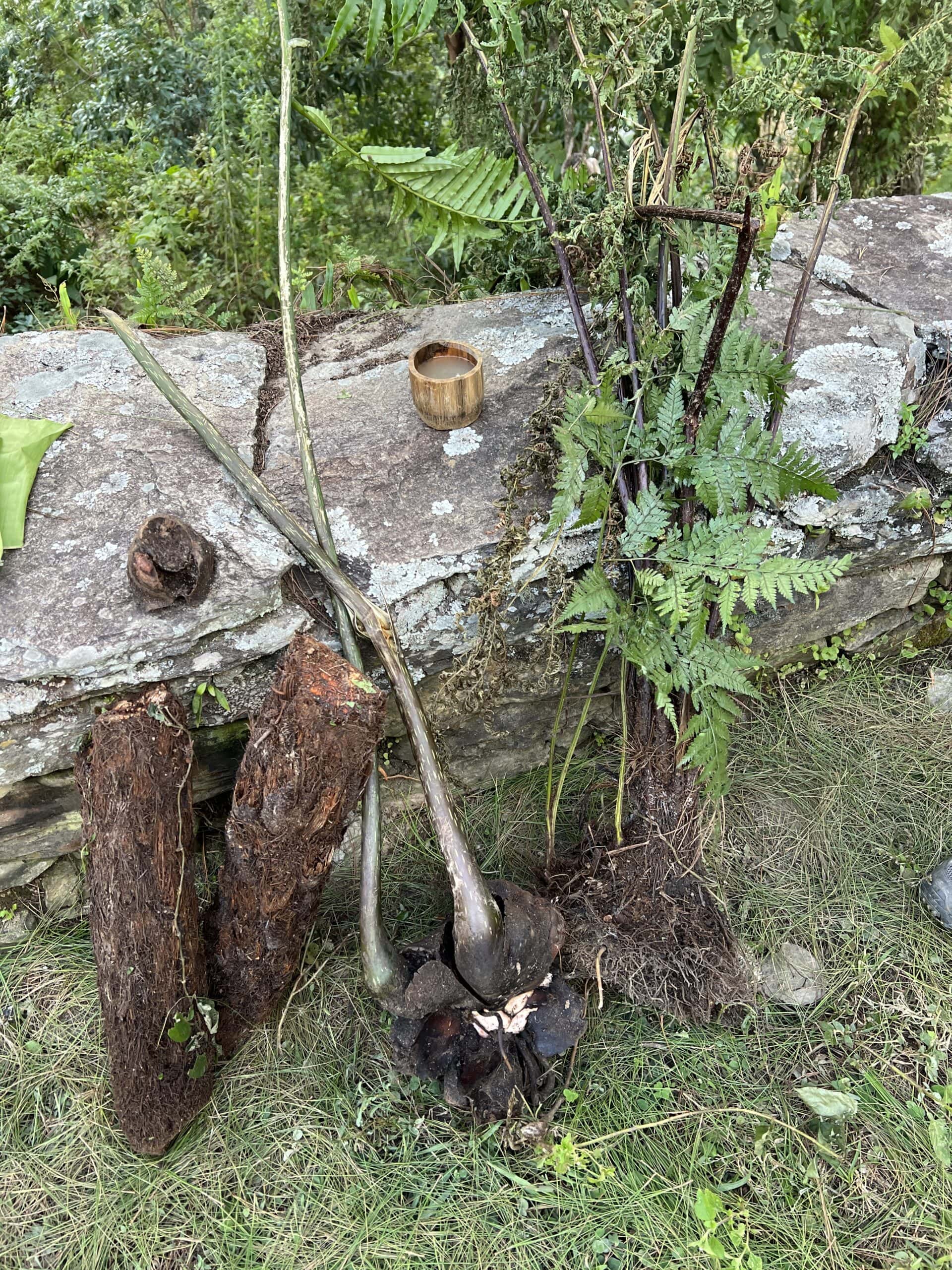
Partnered with the Tarayana Foundation to document the plant medicine knowledge of natural healer Ap Tawla in the book Monpa Medicinal Plants: Indigenous Knowledge From A Himalayan Healer, written by Dr. Dawn Murray, TTF Director of International Education and Research, and illustrated by TTF Board member Holly Sherwin.
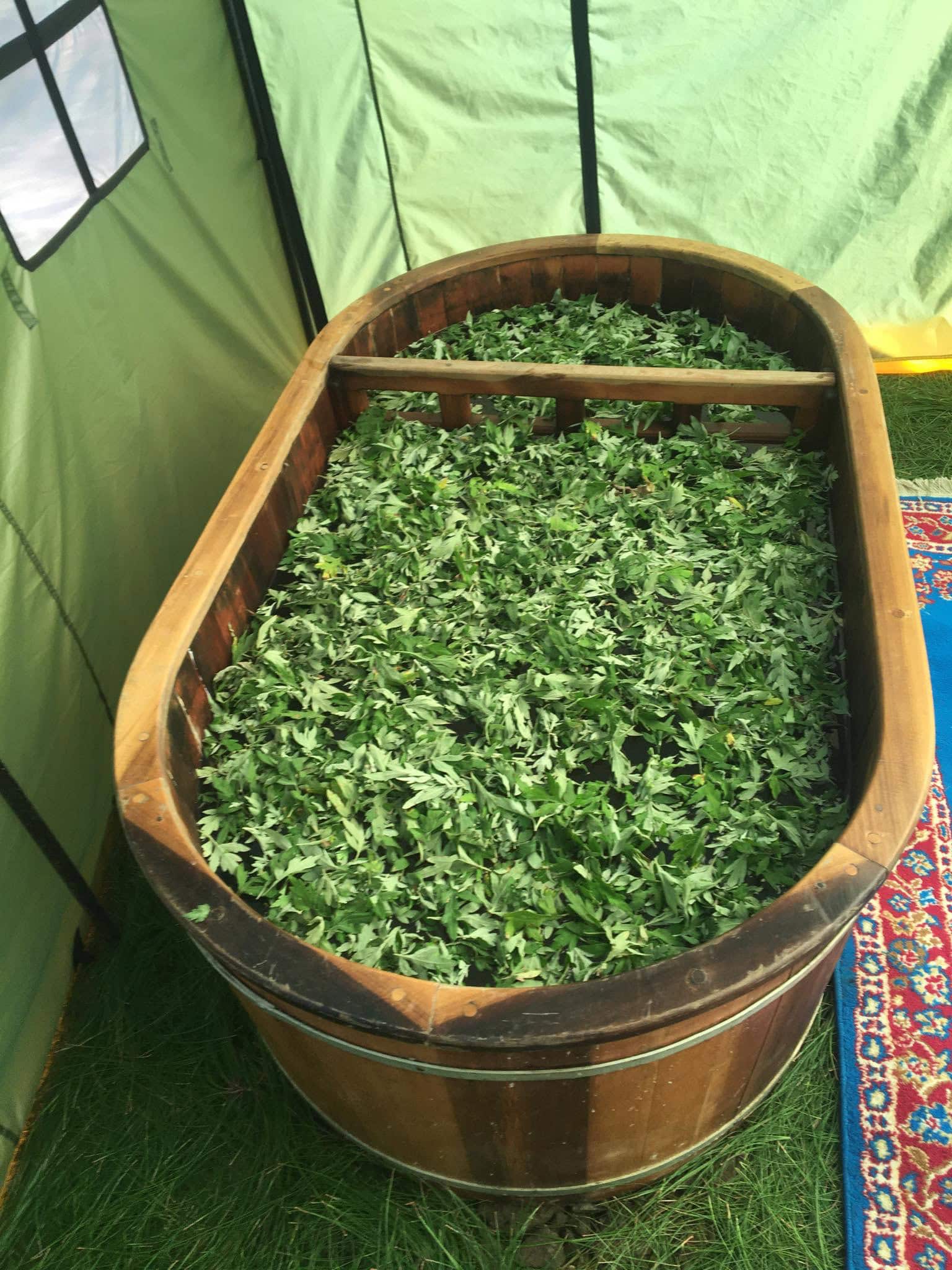
Funded the establishment of a Monpa heritage museum and a medicinal herb garden to domesticate some of the herbs the Monpa Natural Healer uses as medicine with the intention this initiative will lead to preserving the healing tradition.
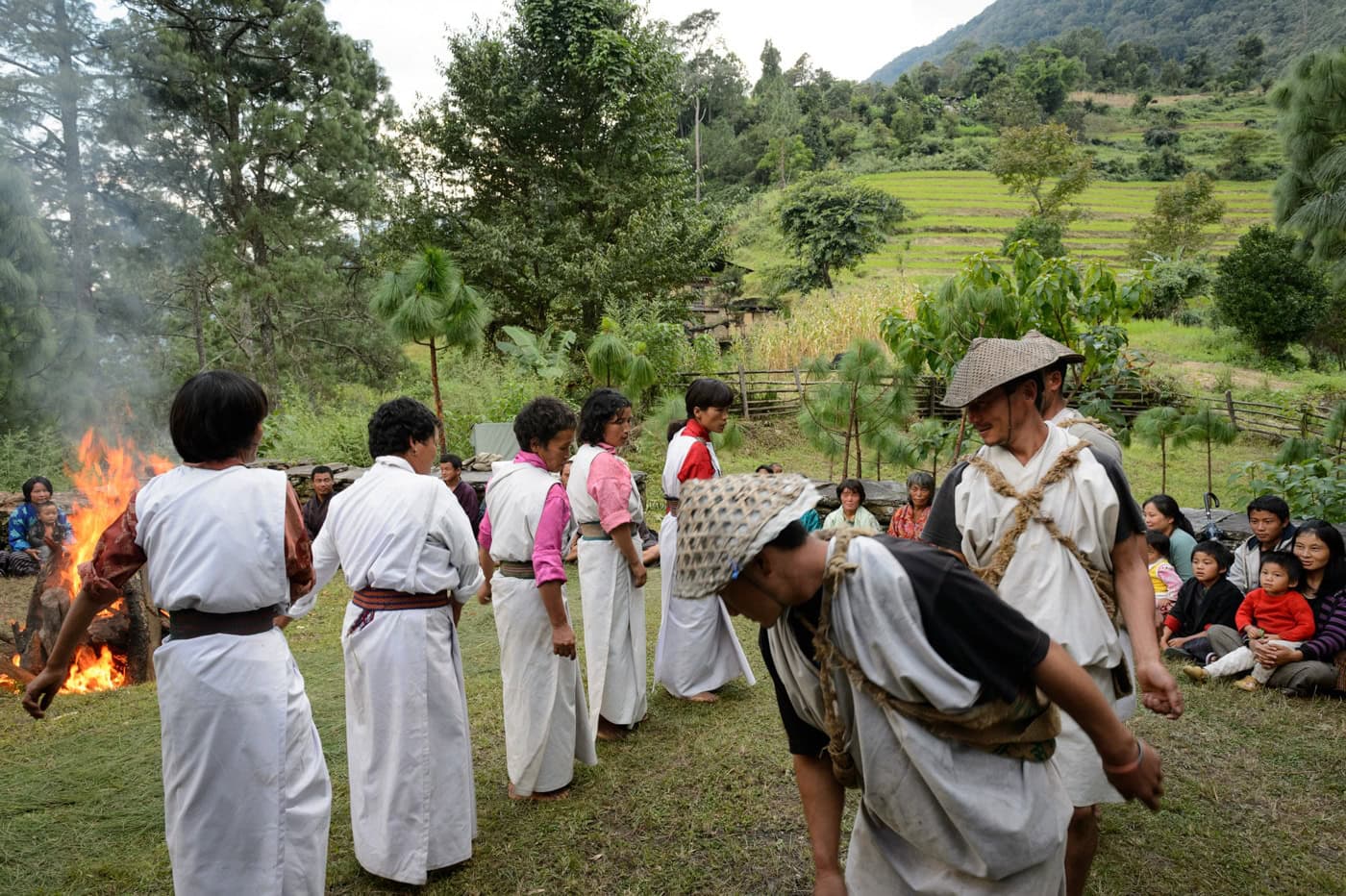
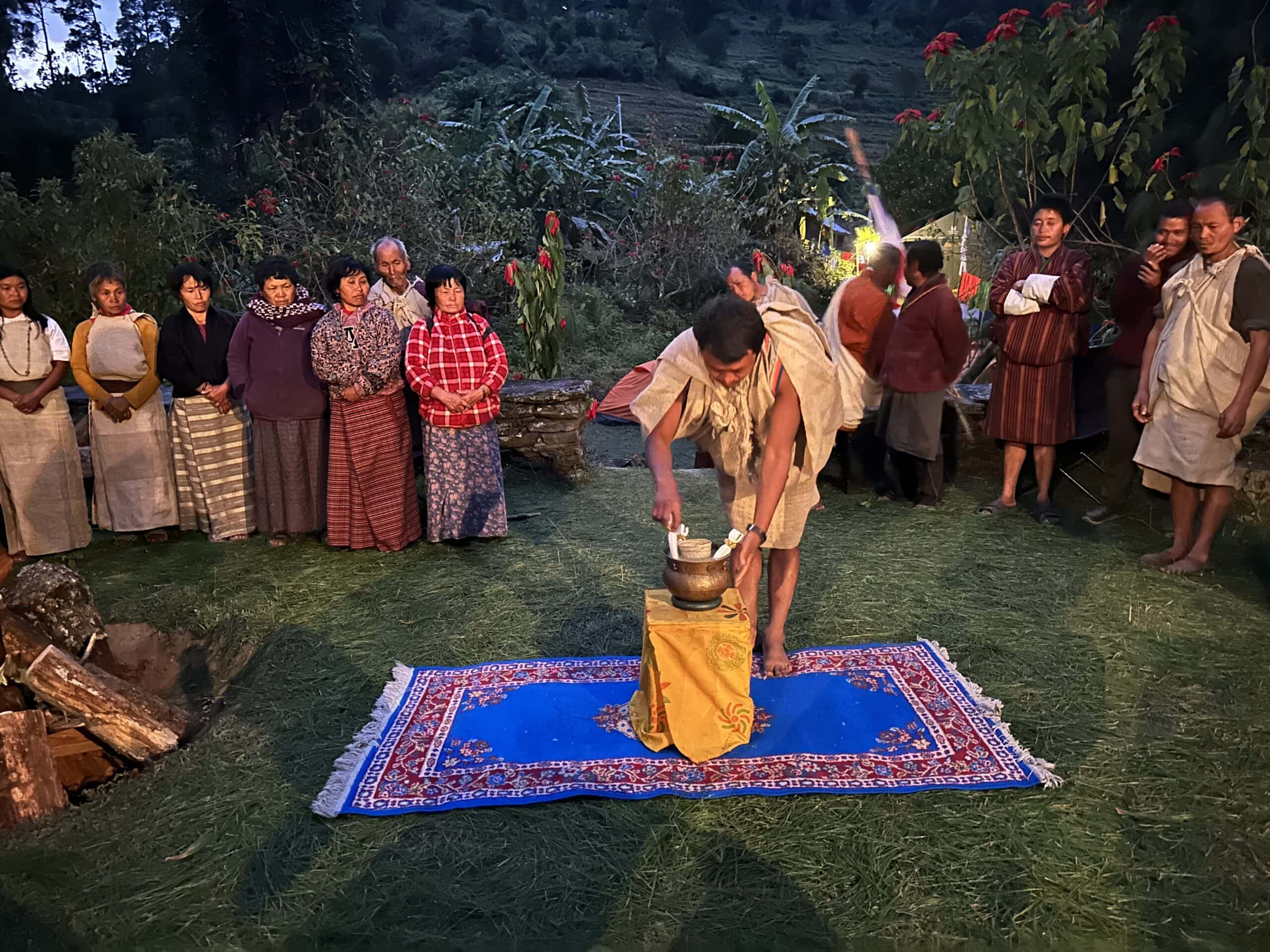
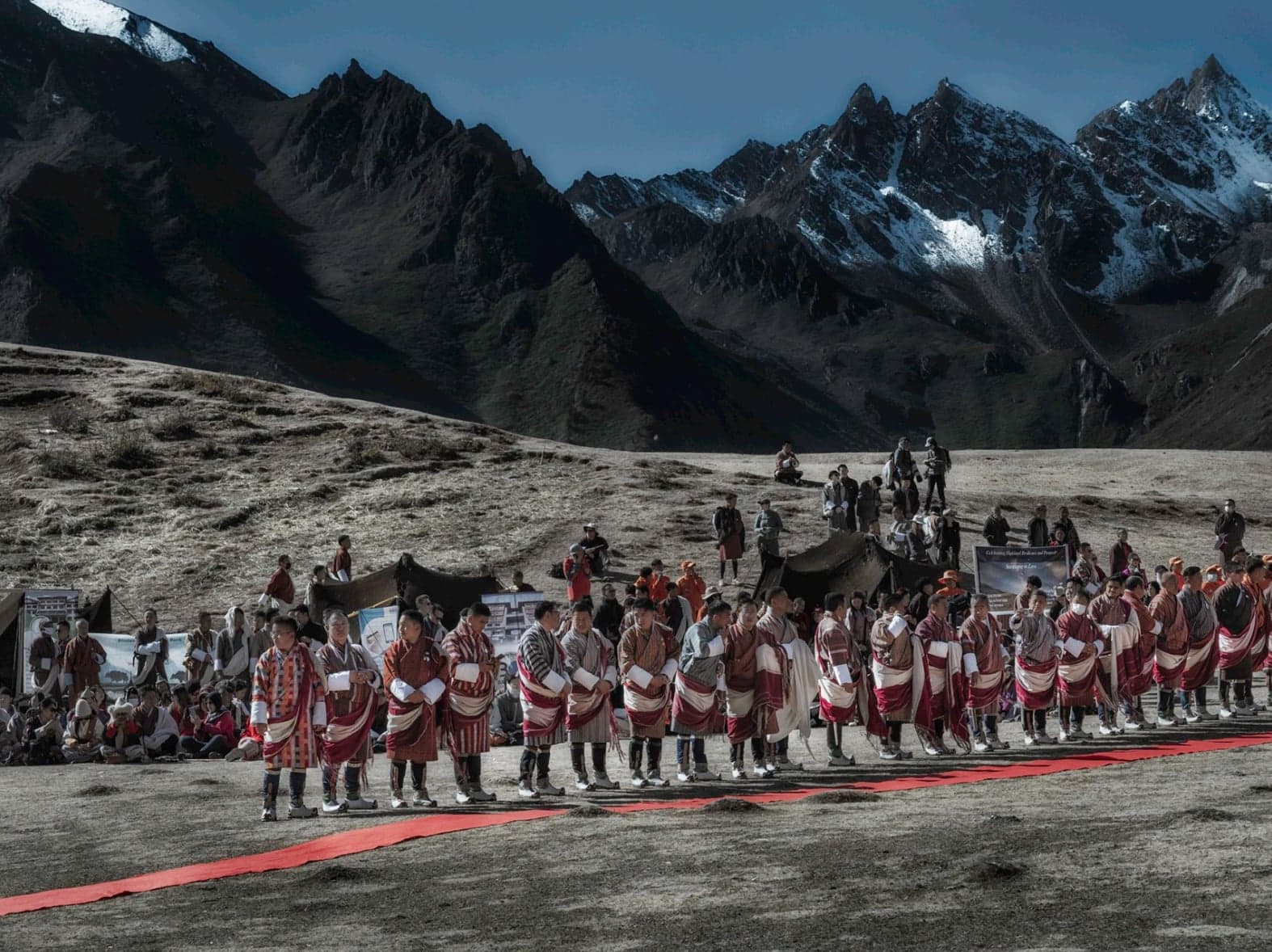
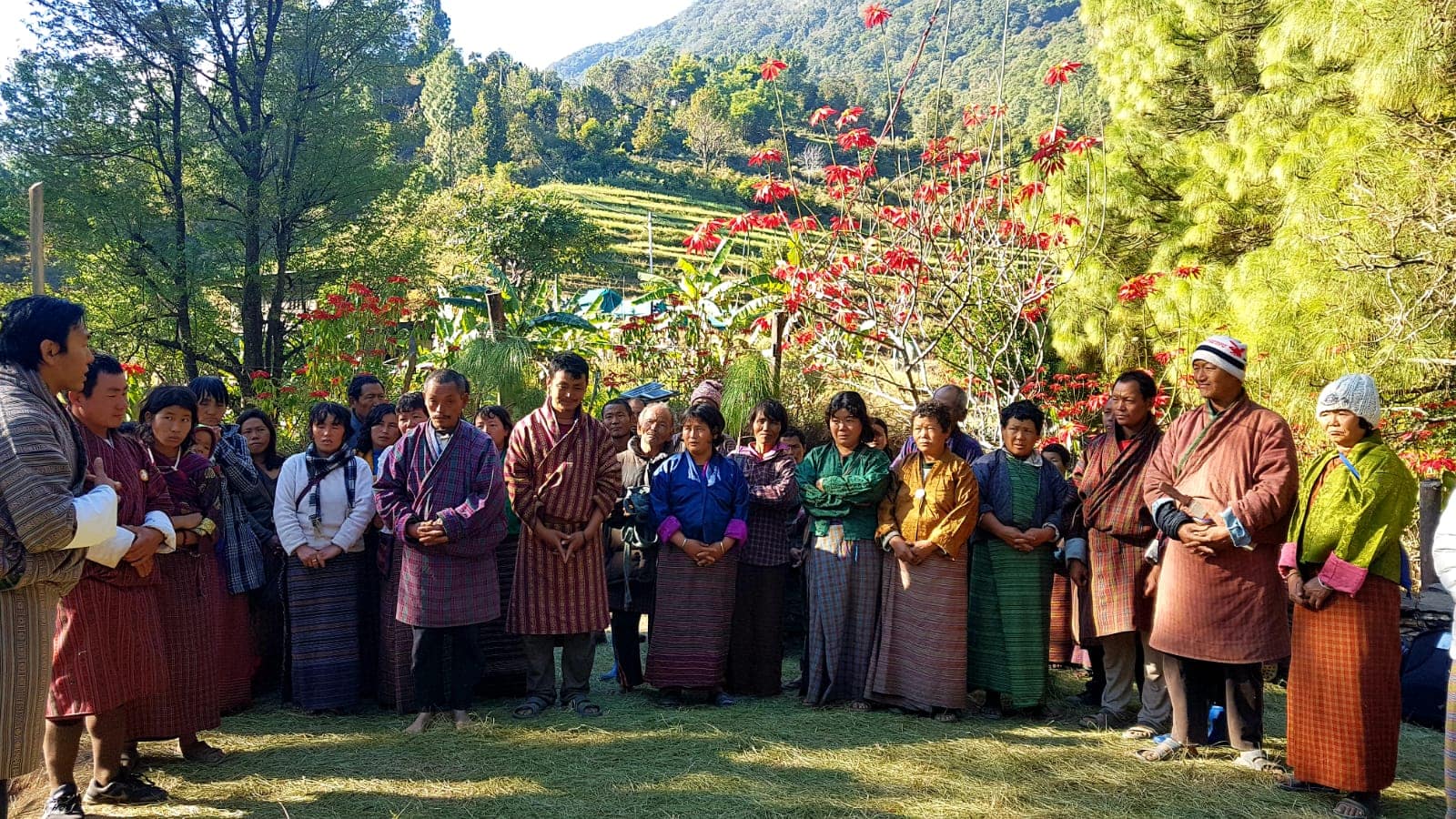
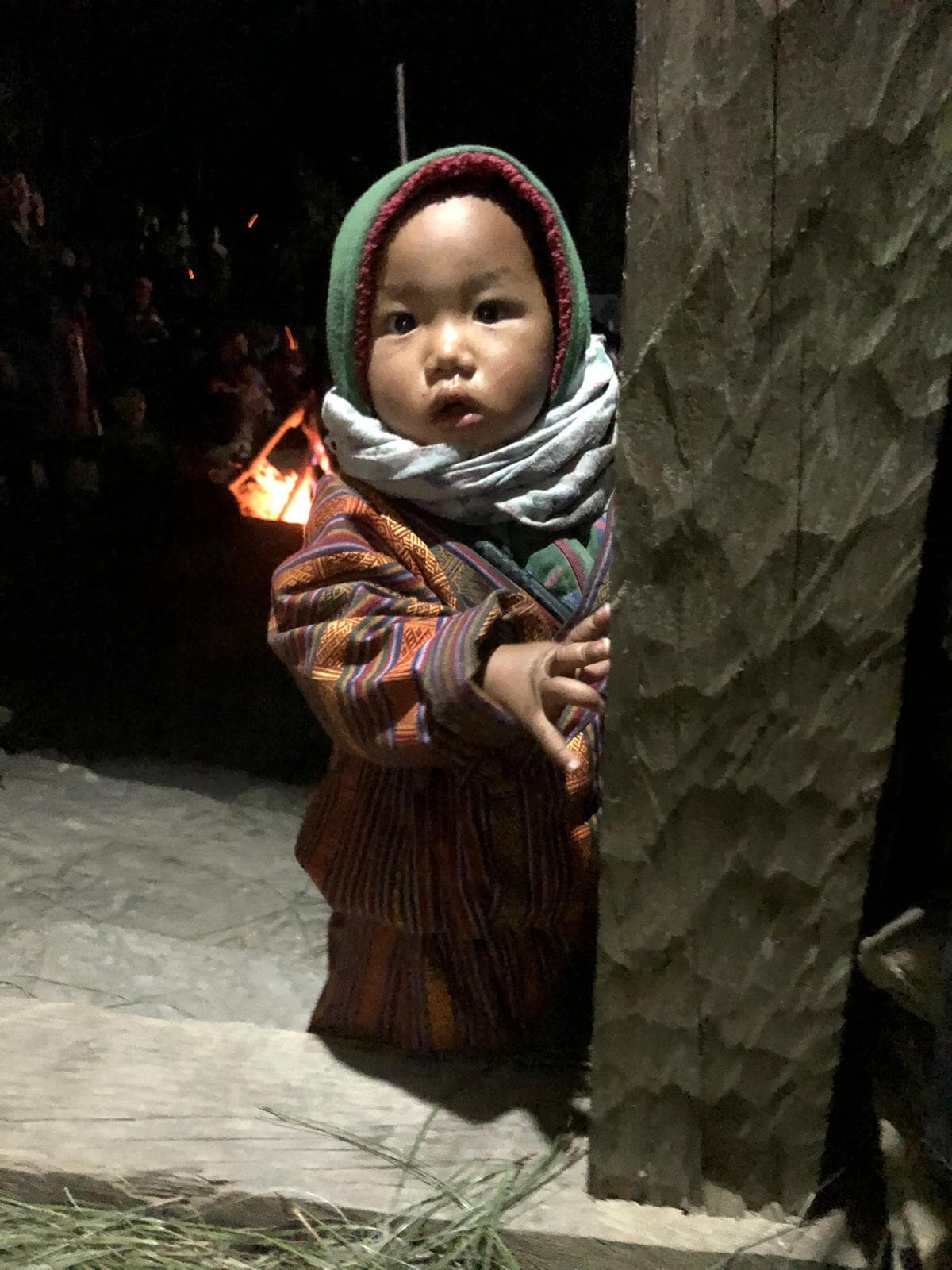
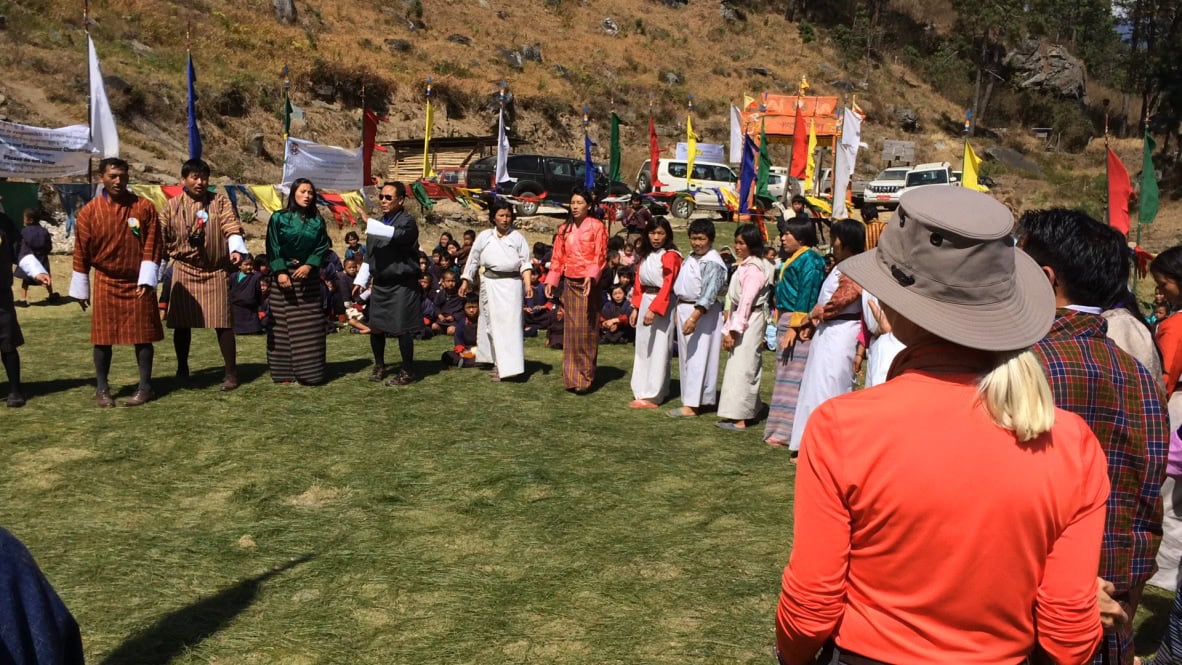
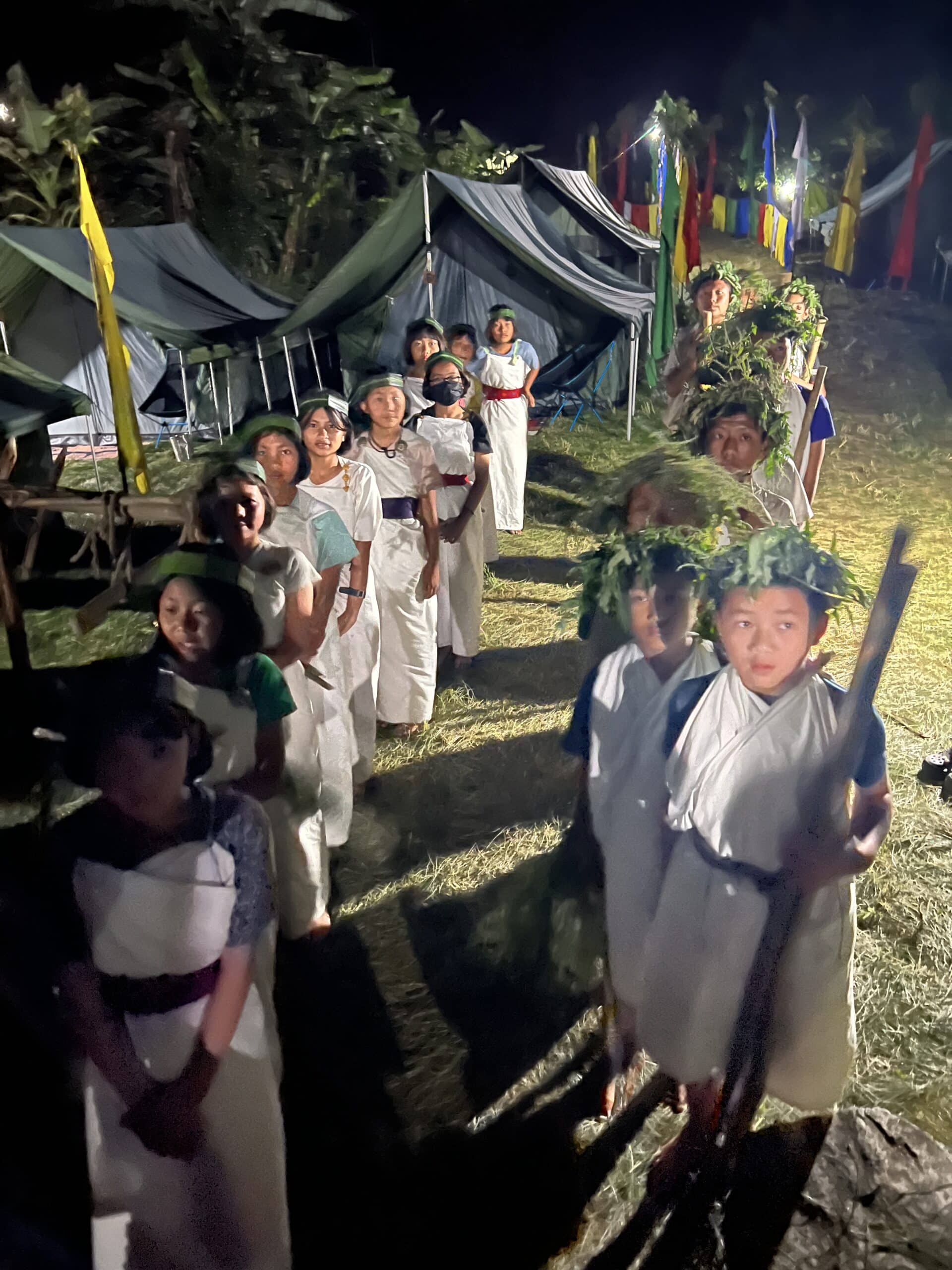
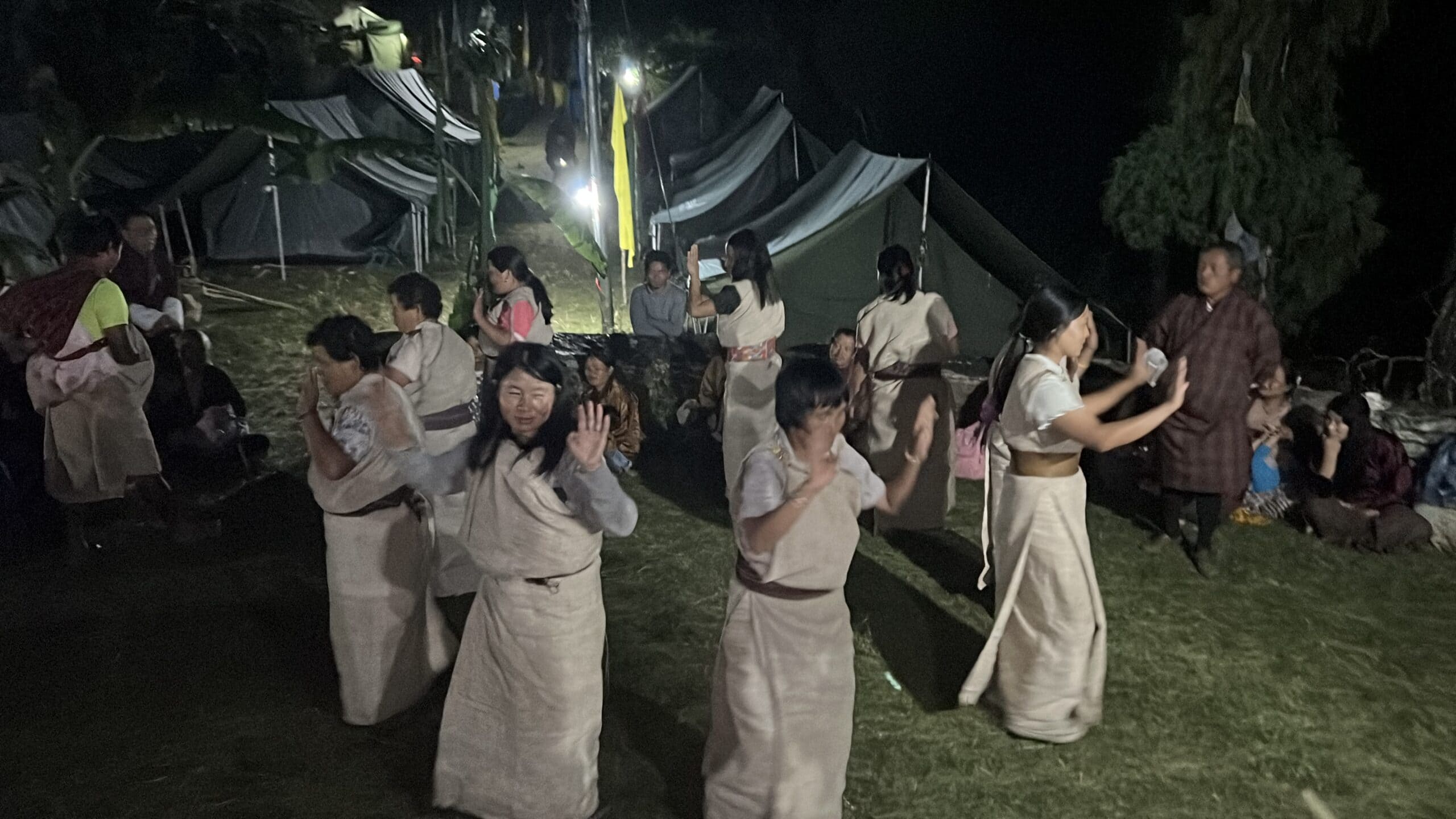
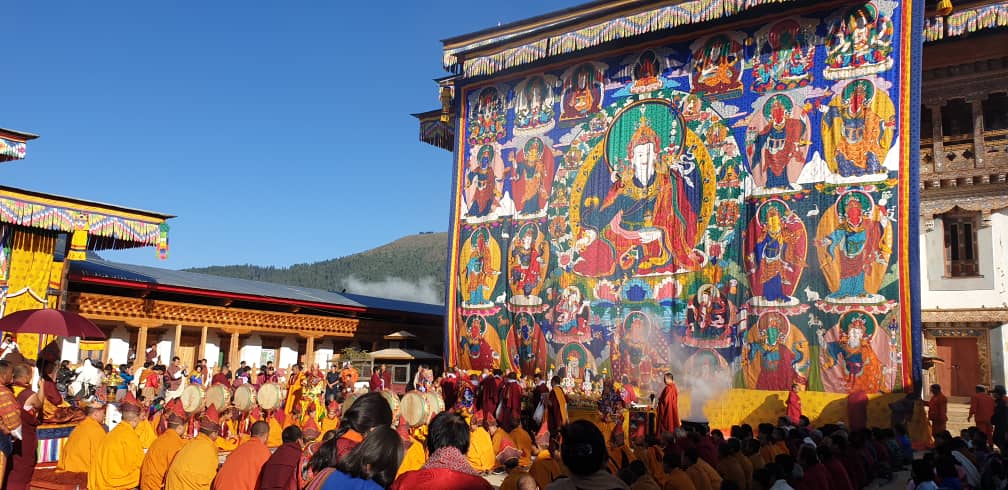
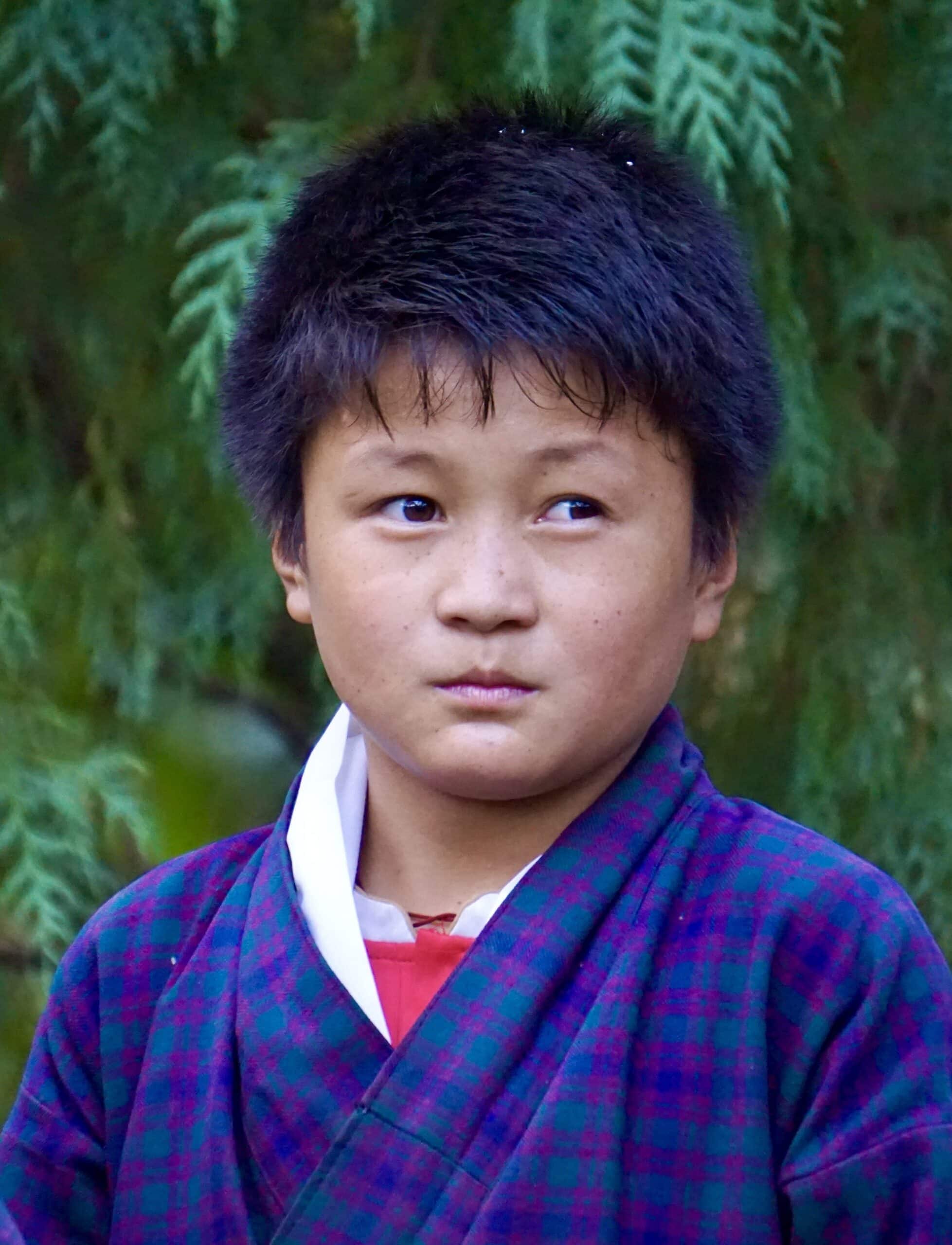
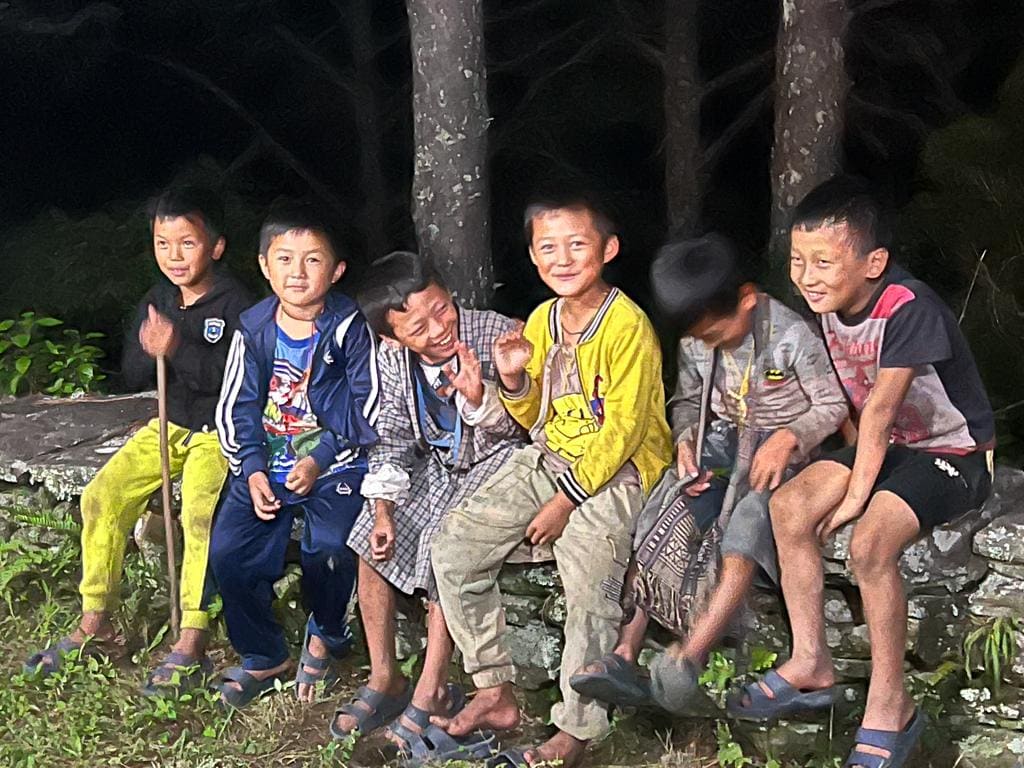
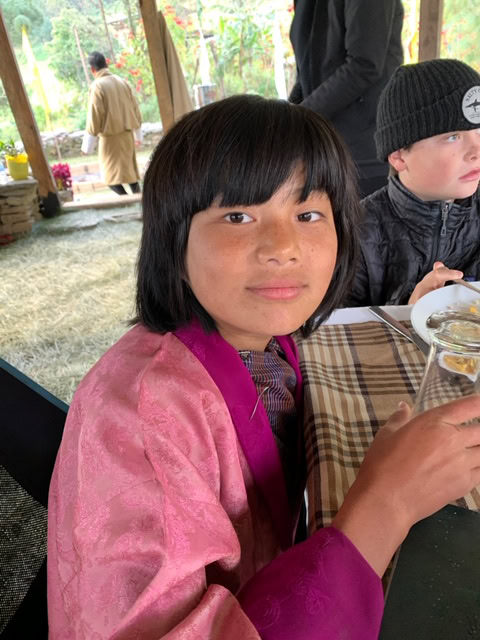
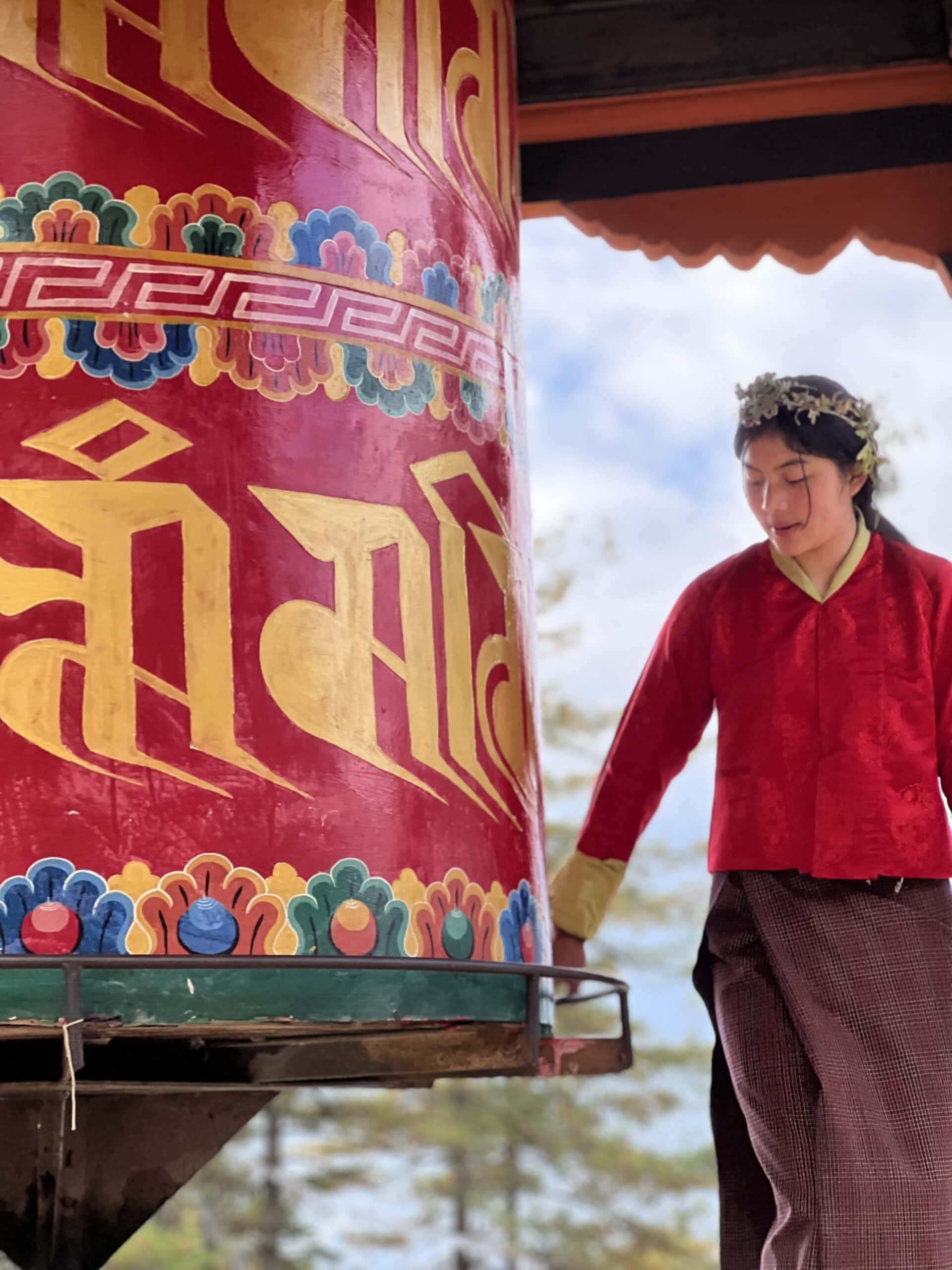
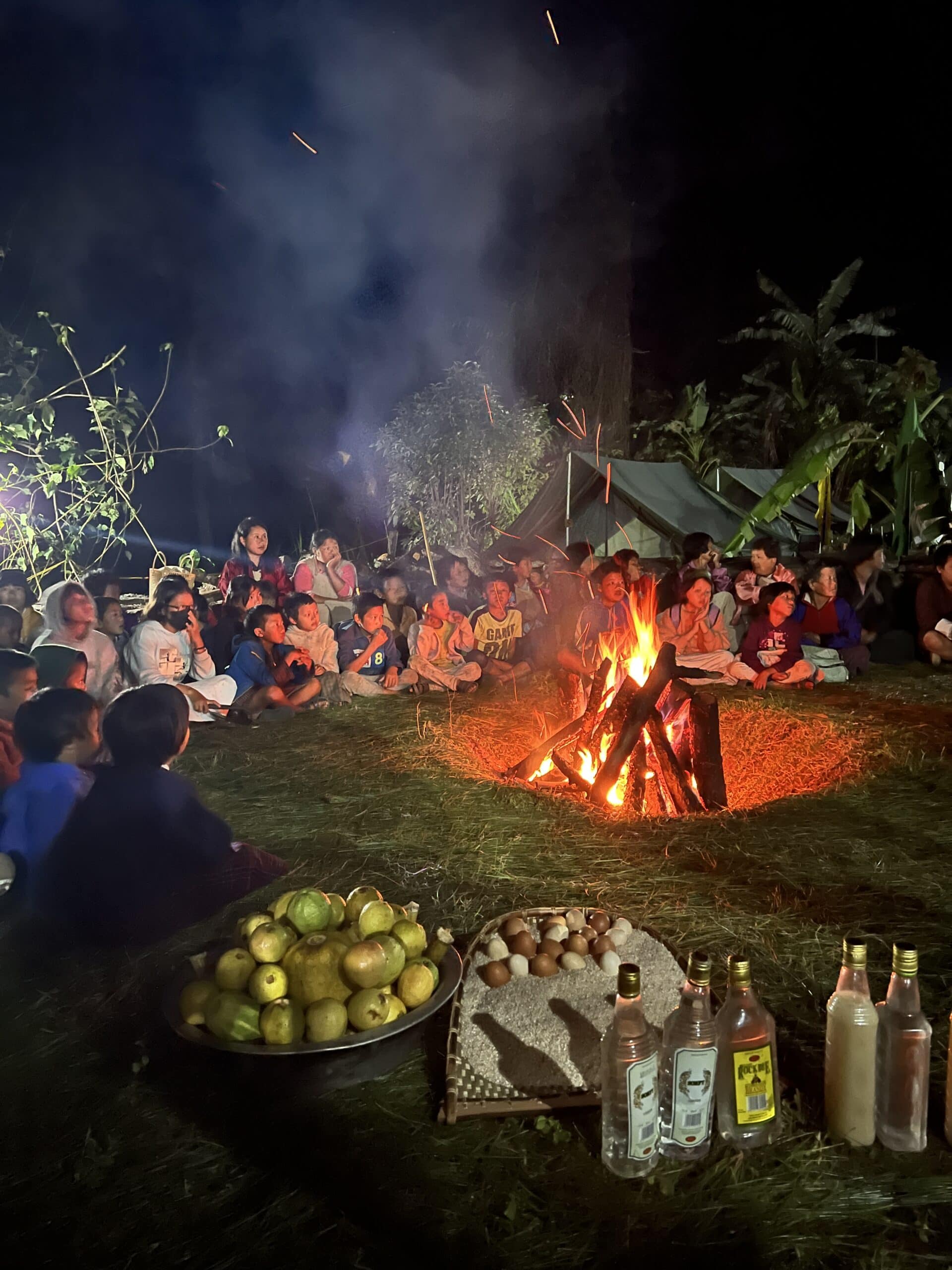
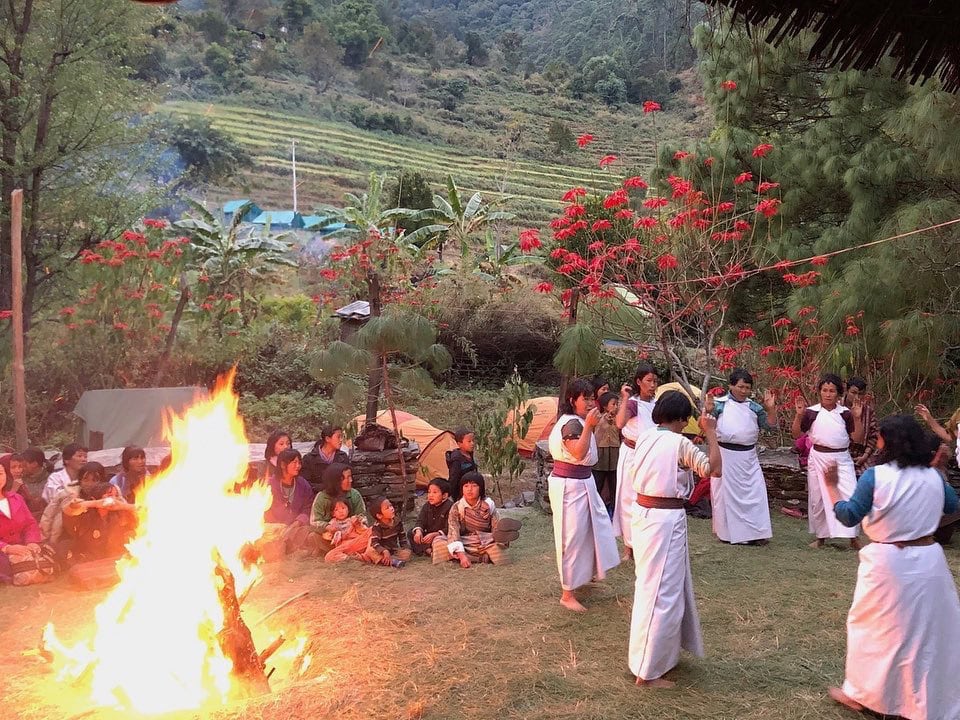
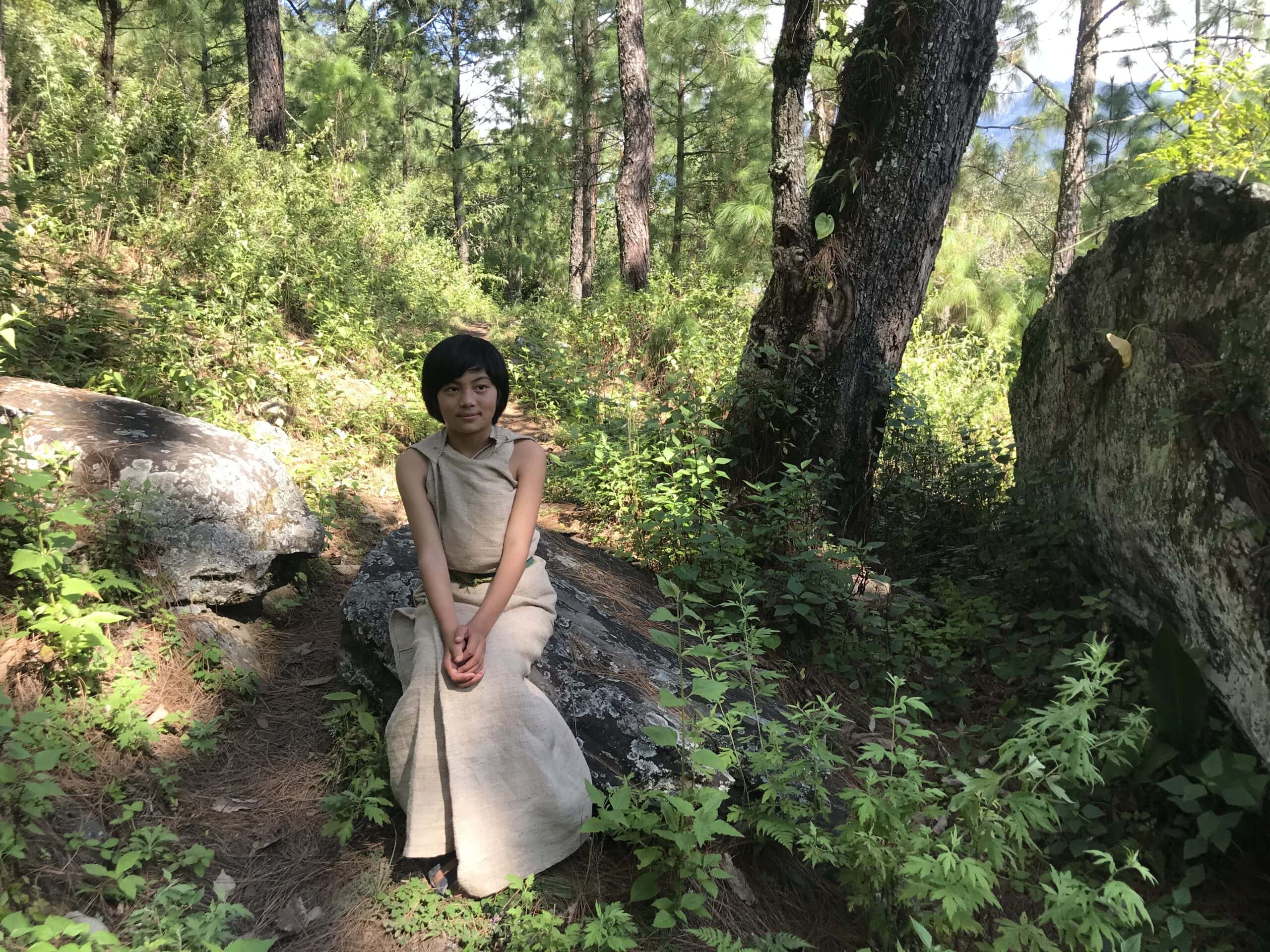
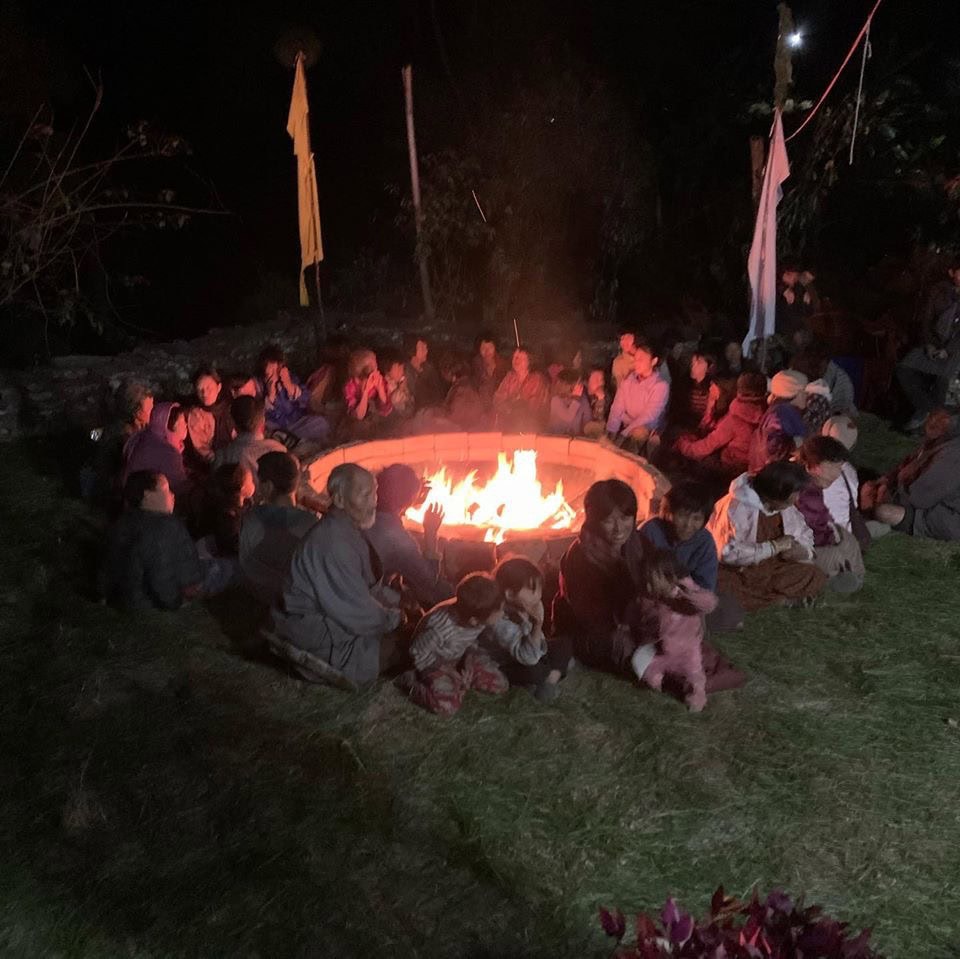
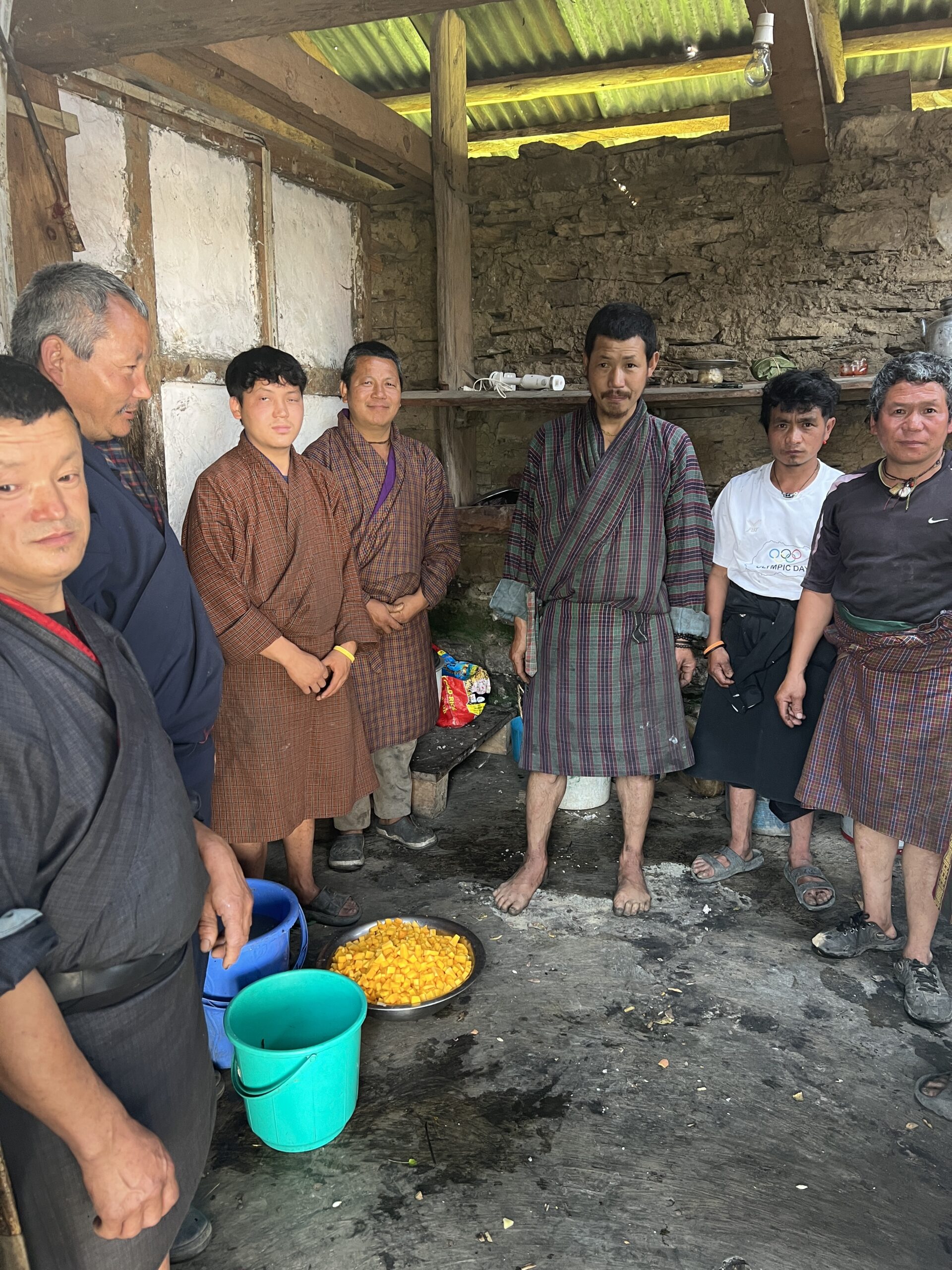
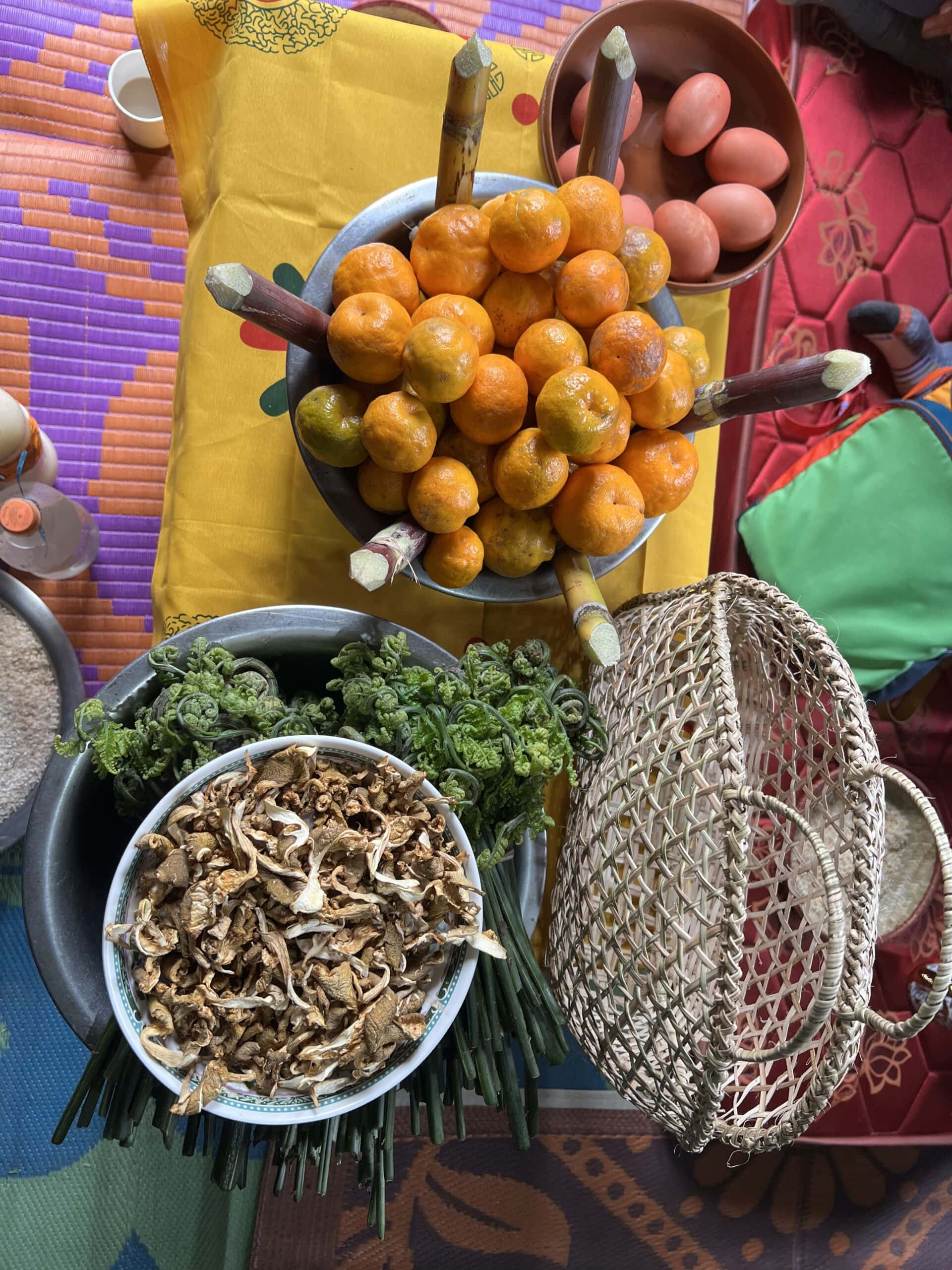
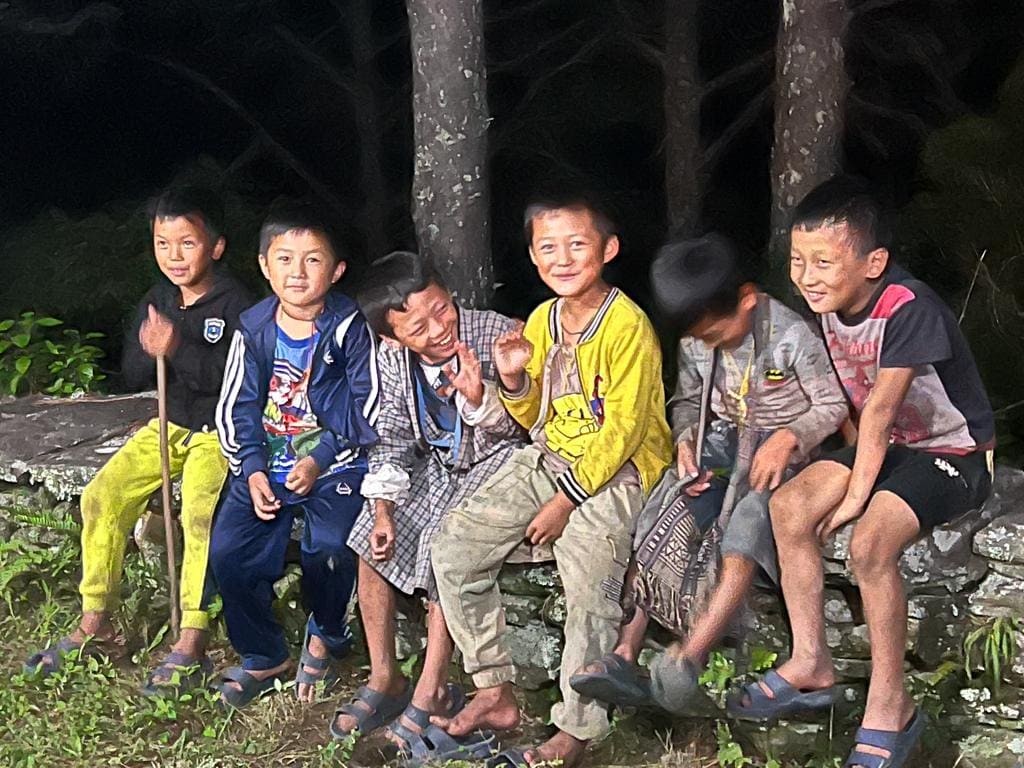
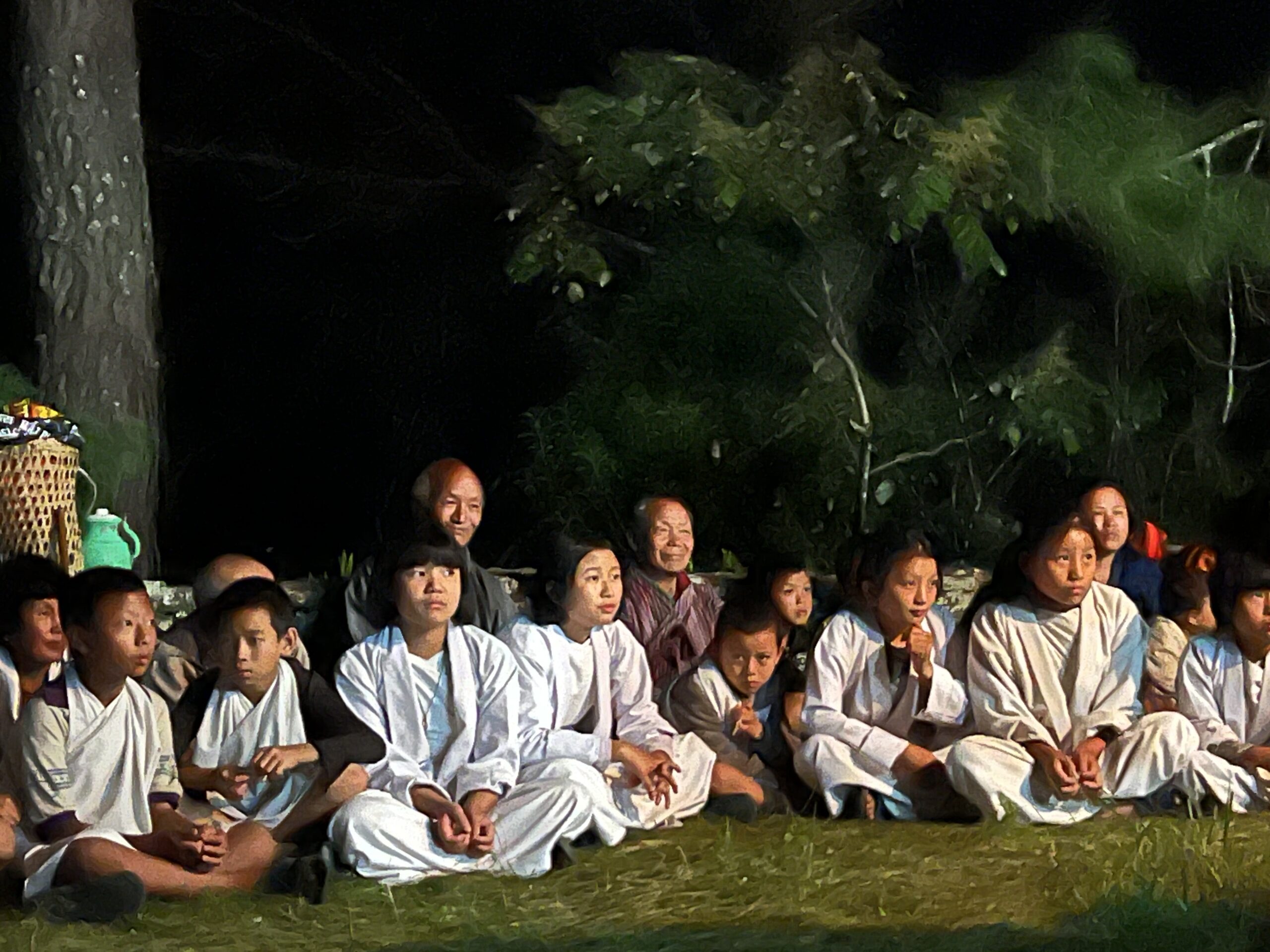
Supported the first Monpa Day festival in December 2019, a celebration that continues today. Teaching Monpa youth about their lineage, religious activities, traditional foods, crafts and dress using nettle cloth, songs, ceremonies, and medicine will culminate again with a Monpa Day celebration on November 27, 2026.
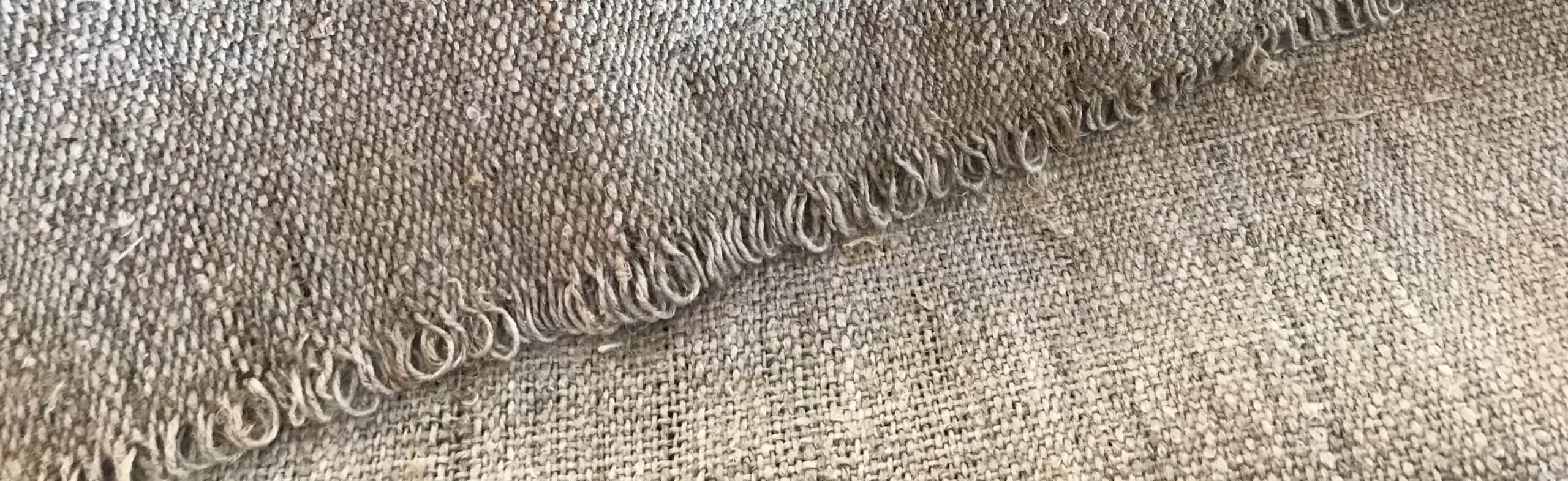
The Nettle Heritage Conservation Project
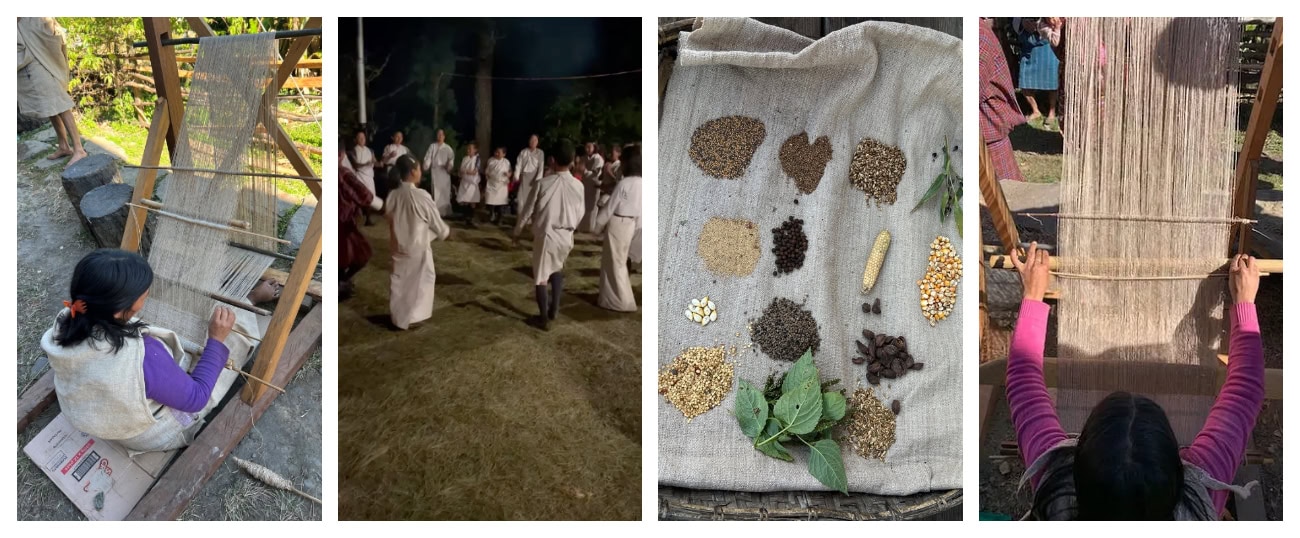
For generations, the Monpa communities residing on their ancestral land, now Jigme Singye Wangchuck National Park, have nurtured a deep connection with nature. With support from the Tribal Trust Foundation, the Nettle Heritage Conservation Project was launched in January 2024 as a collaborative effort between the Monpa people, TTF, and Mountain Crafts Bhutan. Both TTF and the founder of Mountain Crafts have been actively supporting the Monpa communities for over a decade, fostering the preservation of Indigenous knowledge, practices, and local crafts.
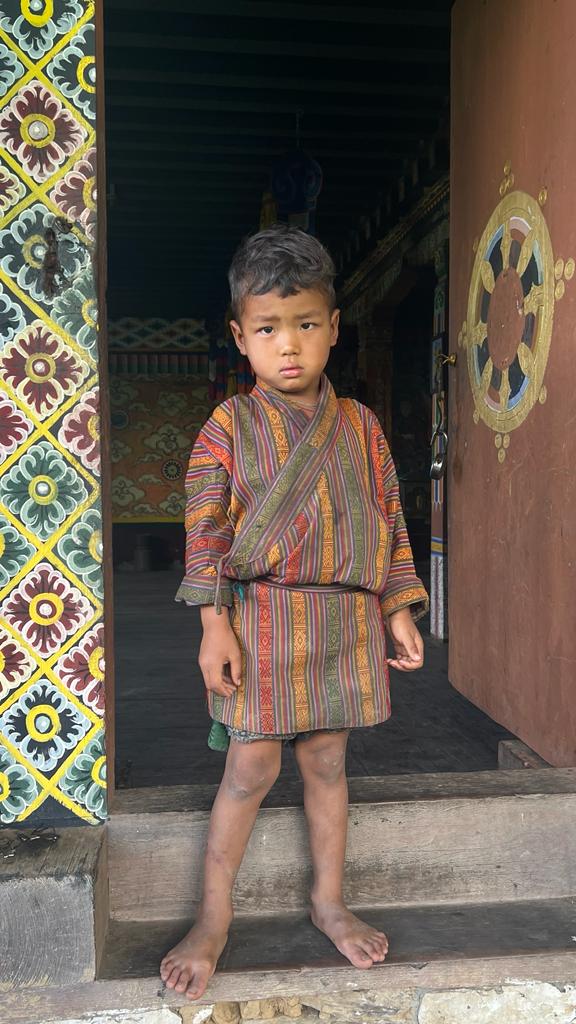
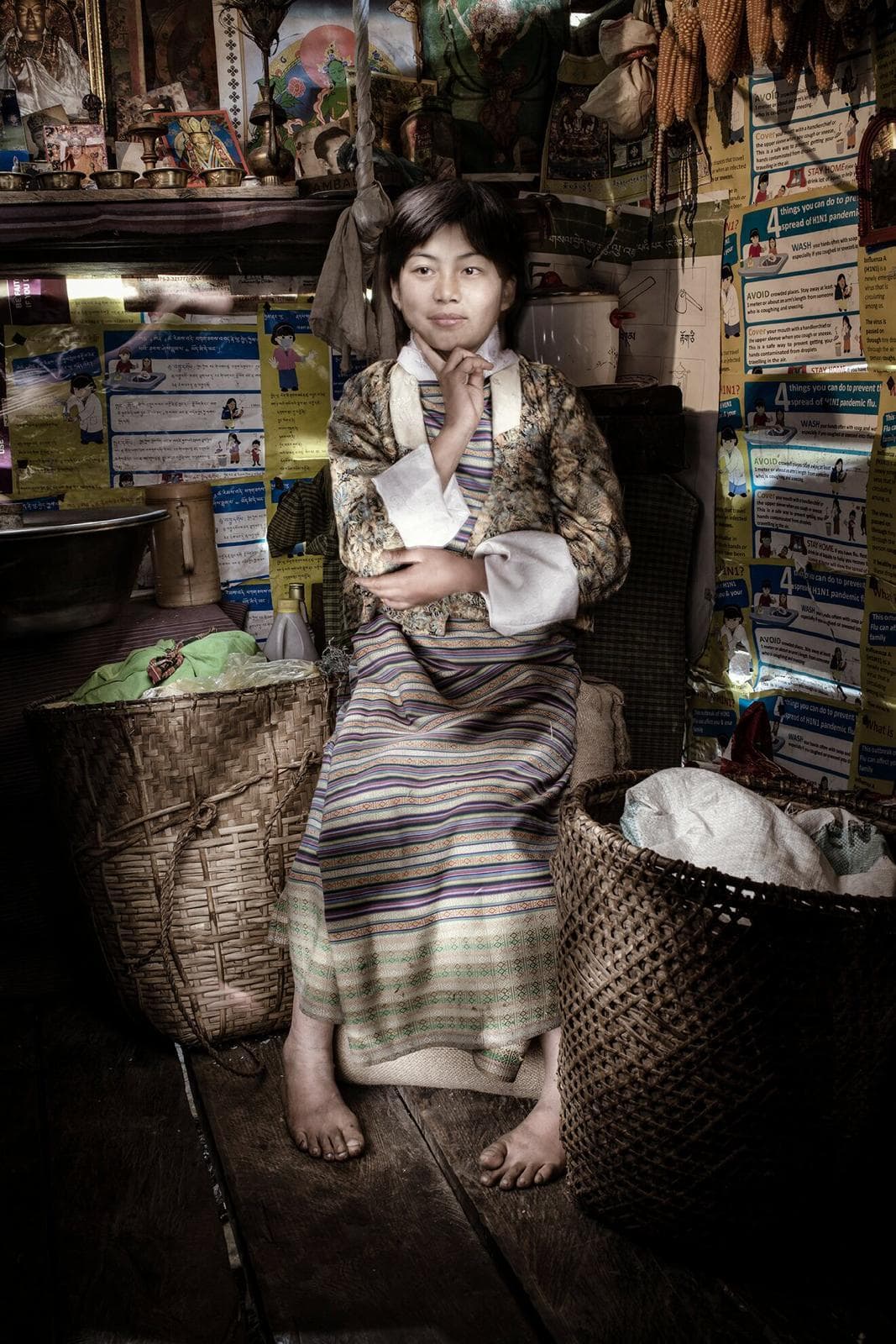
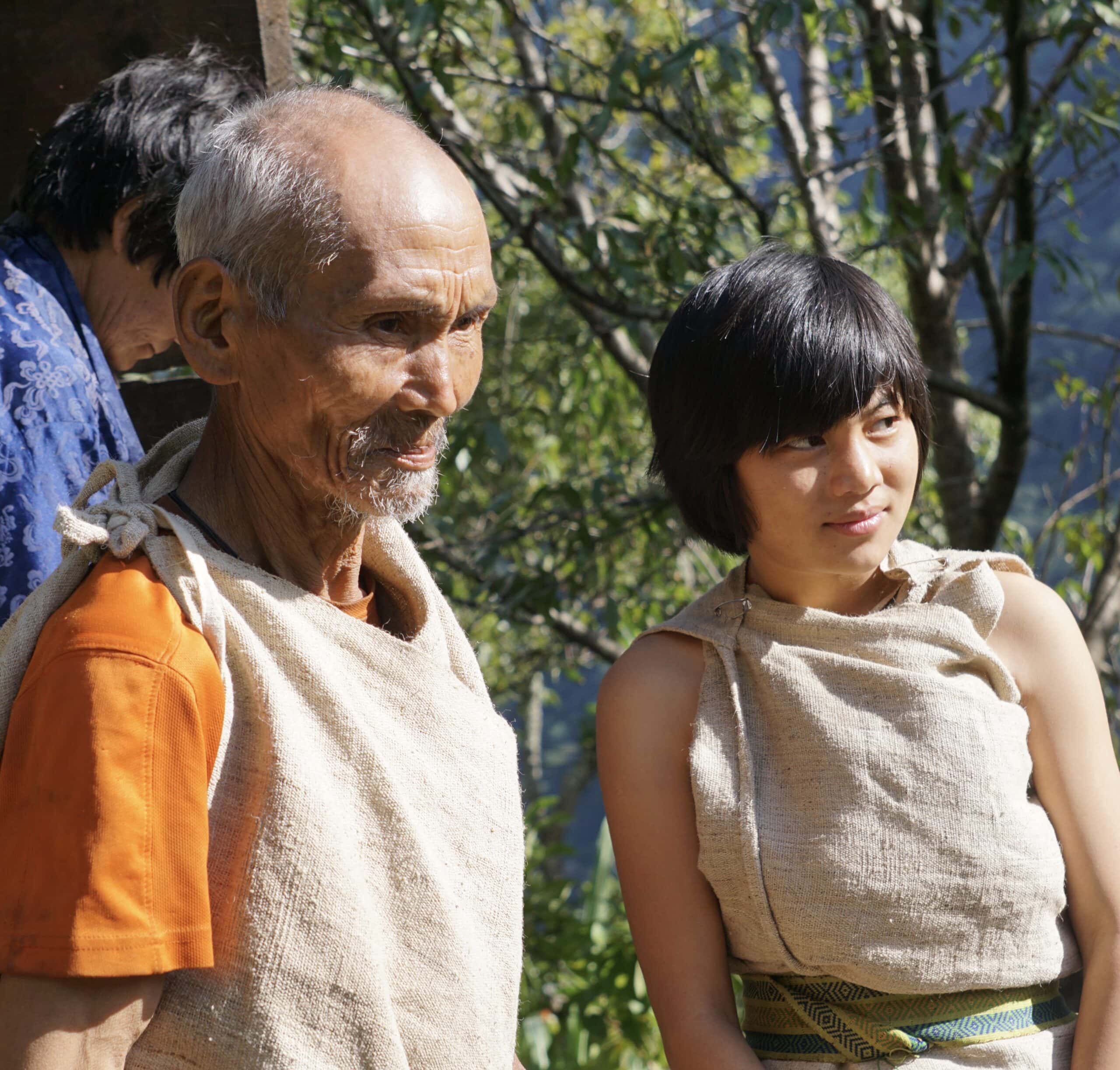
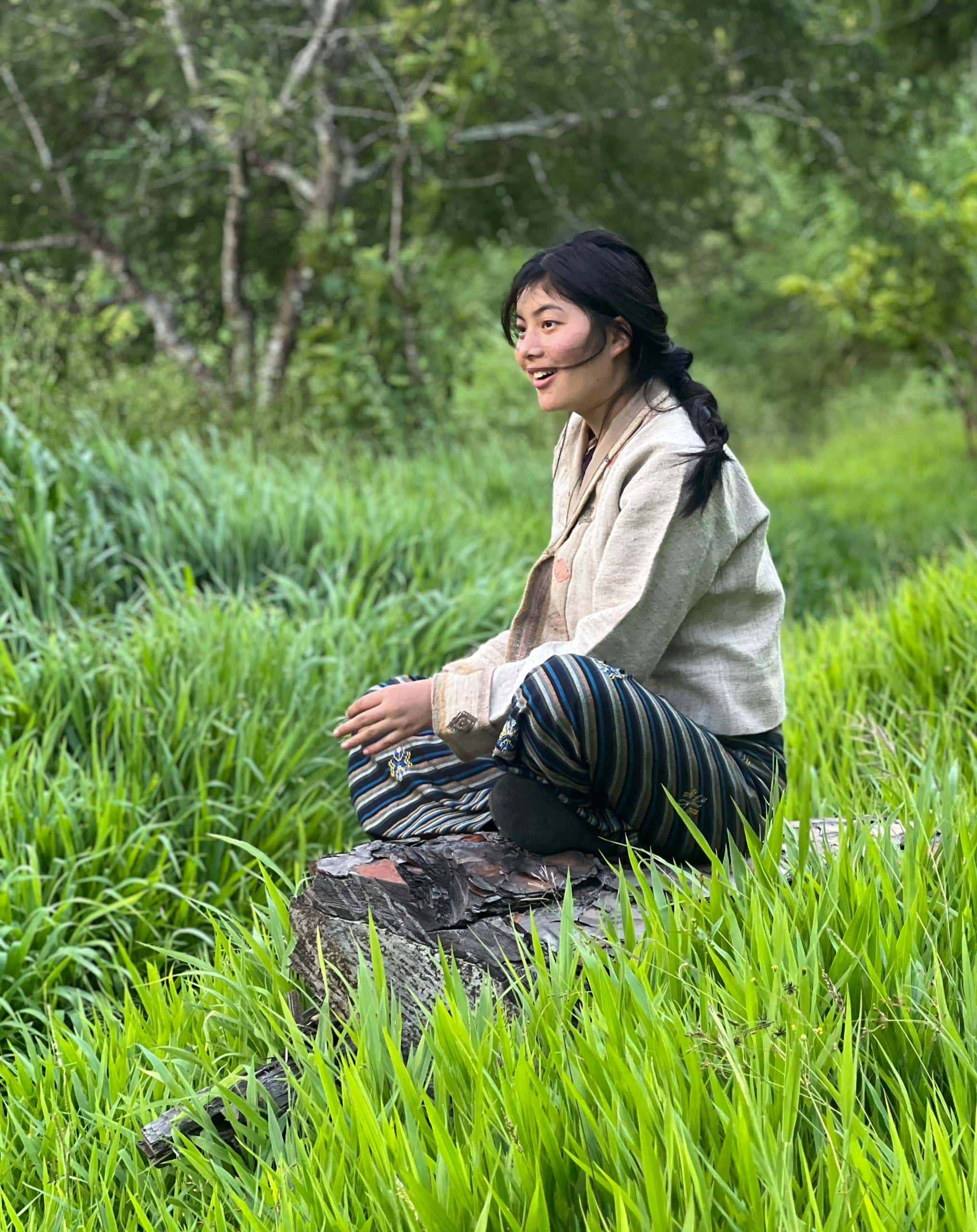
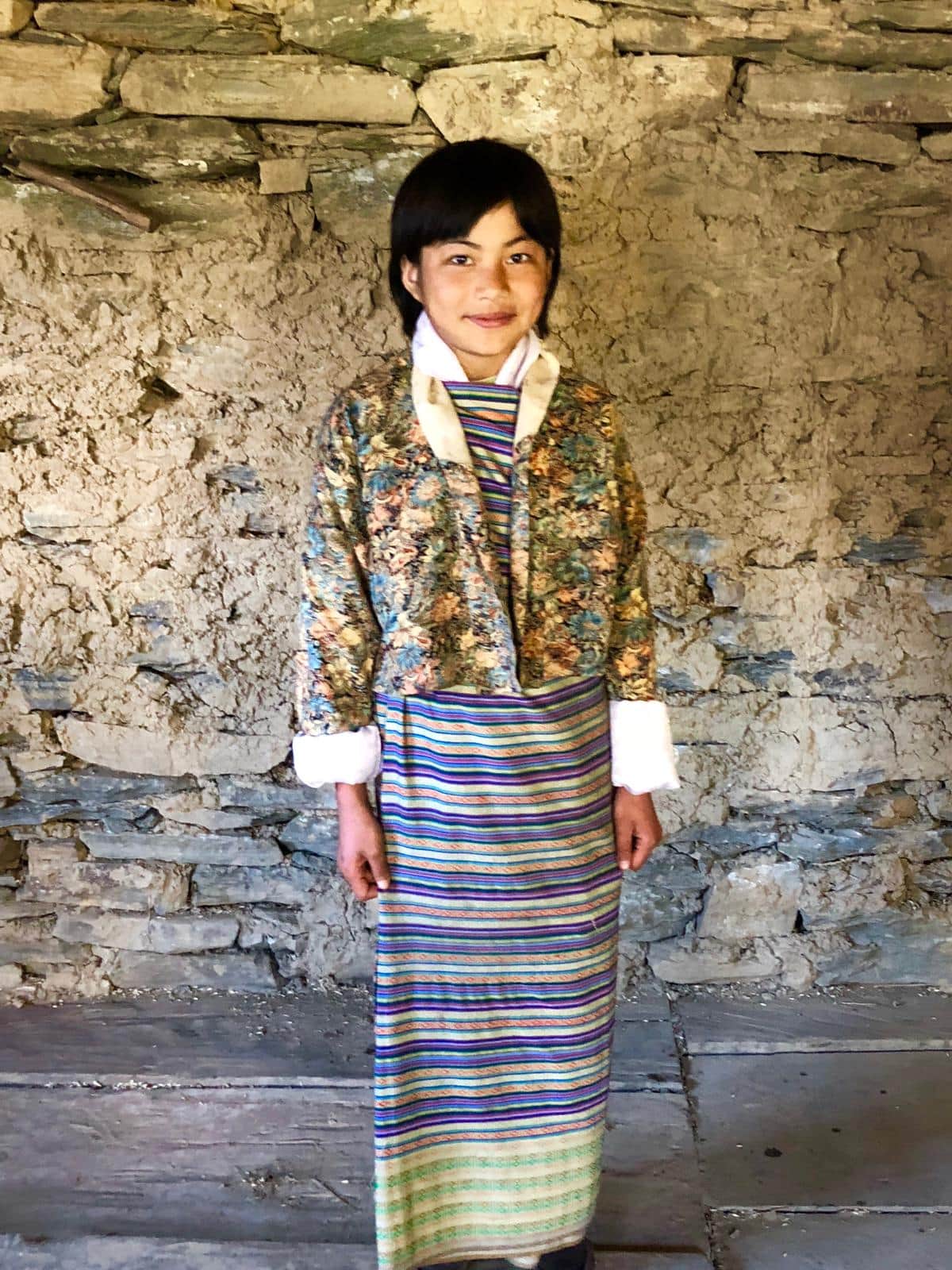
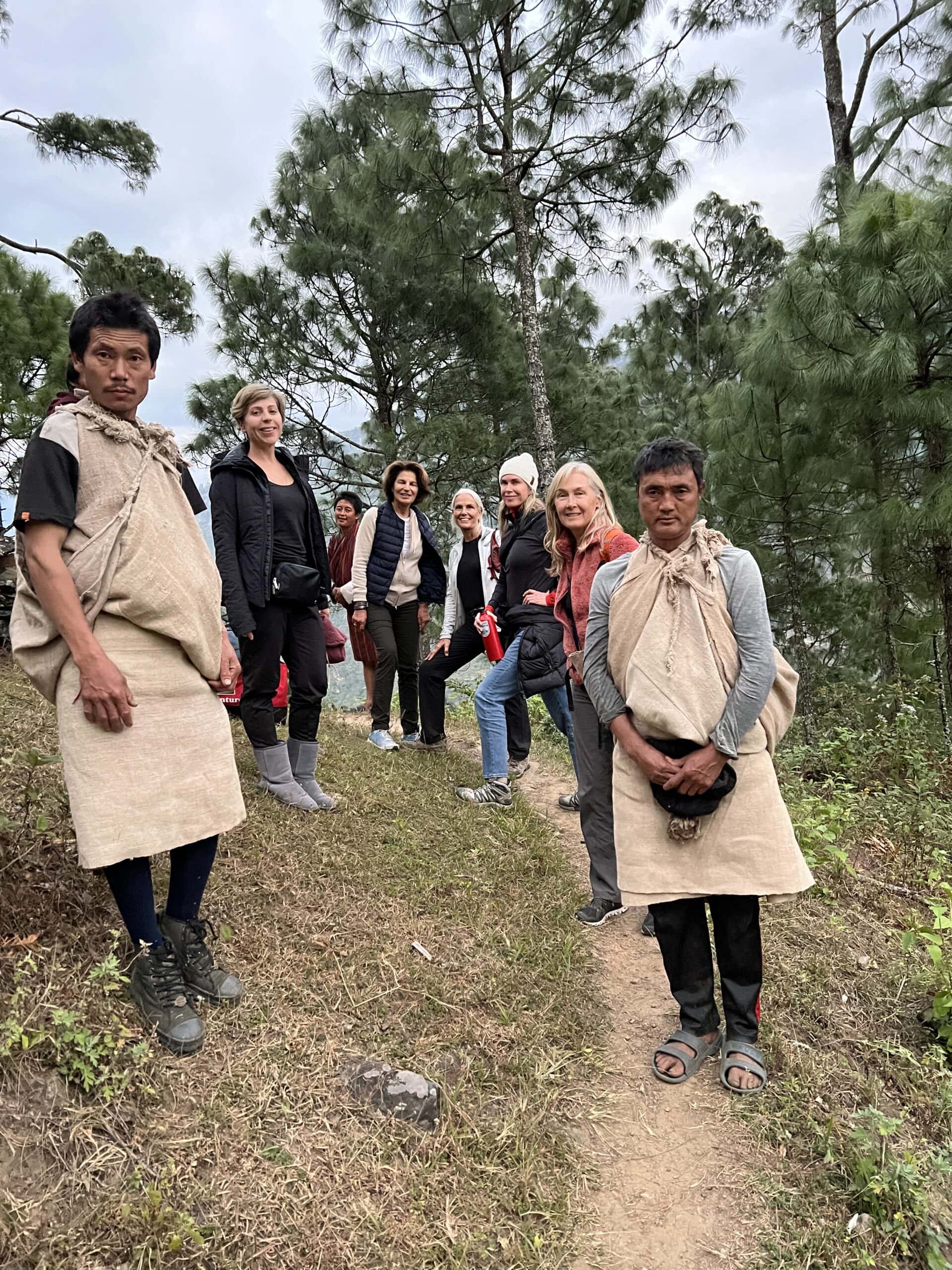
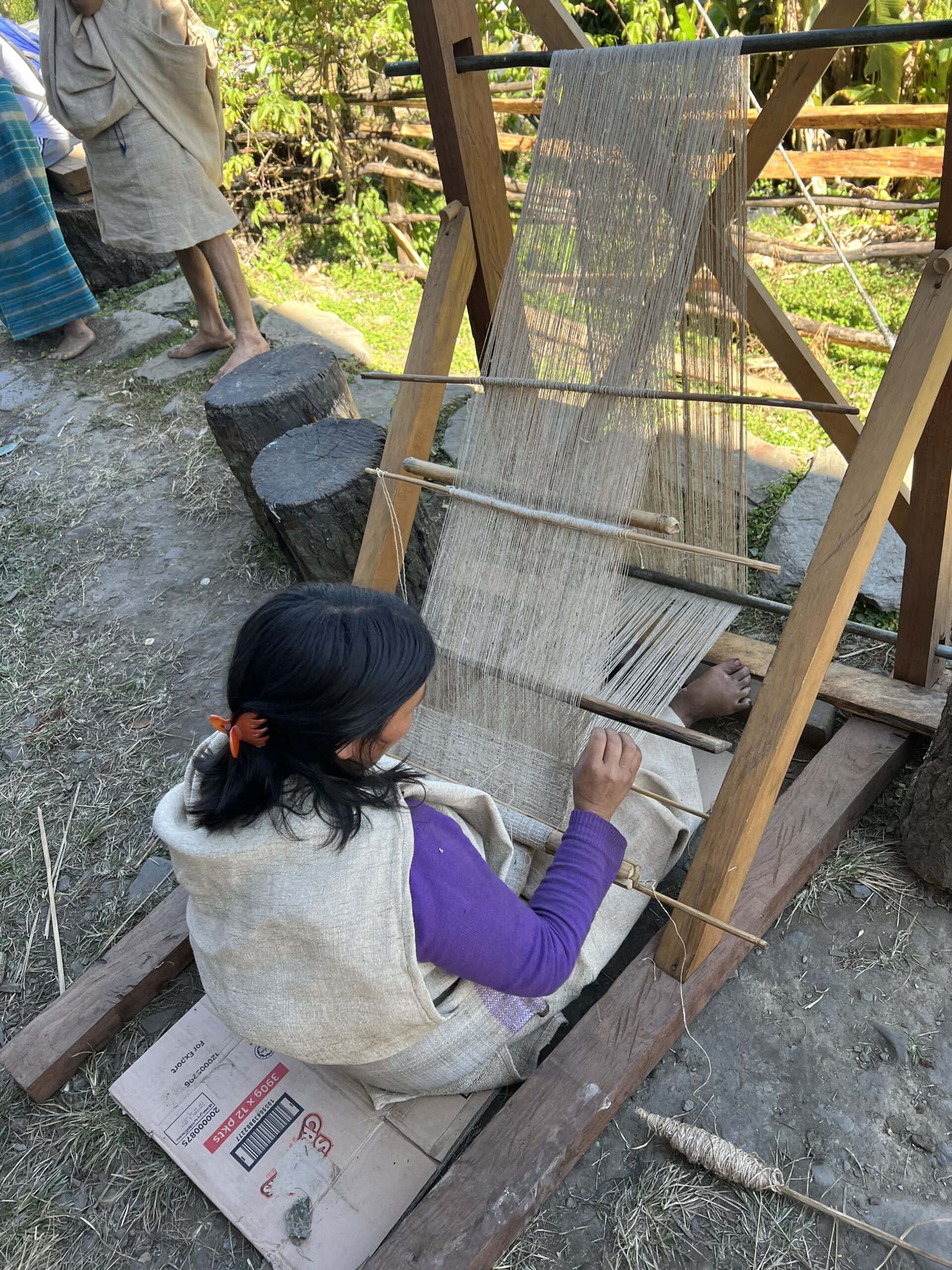
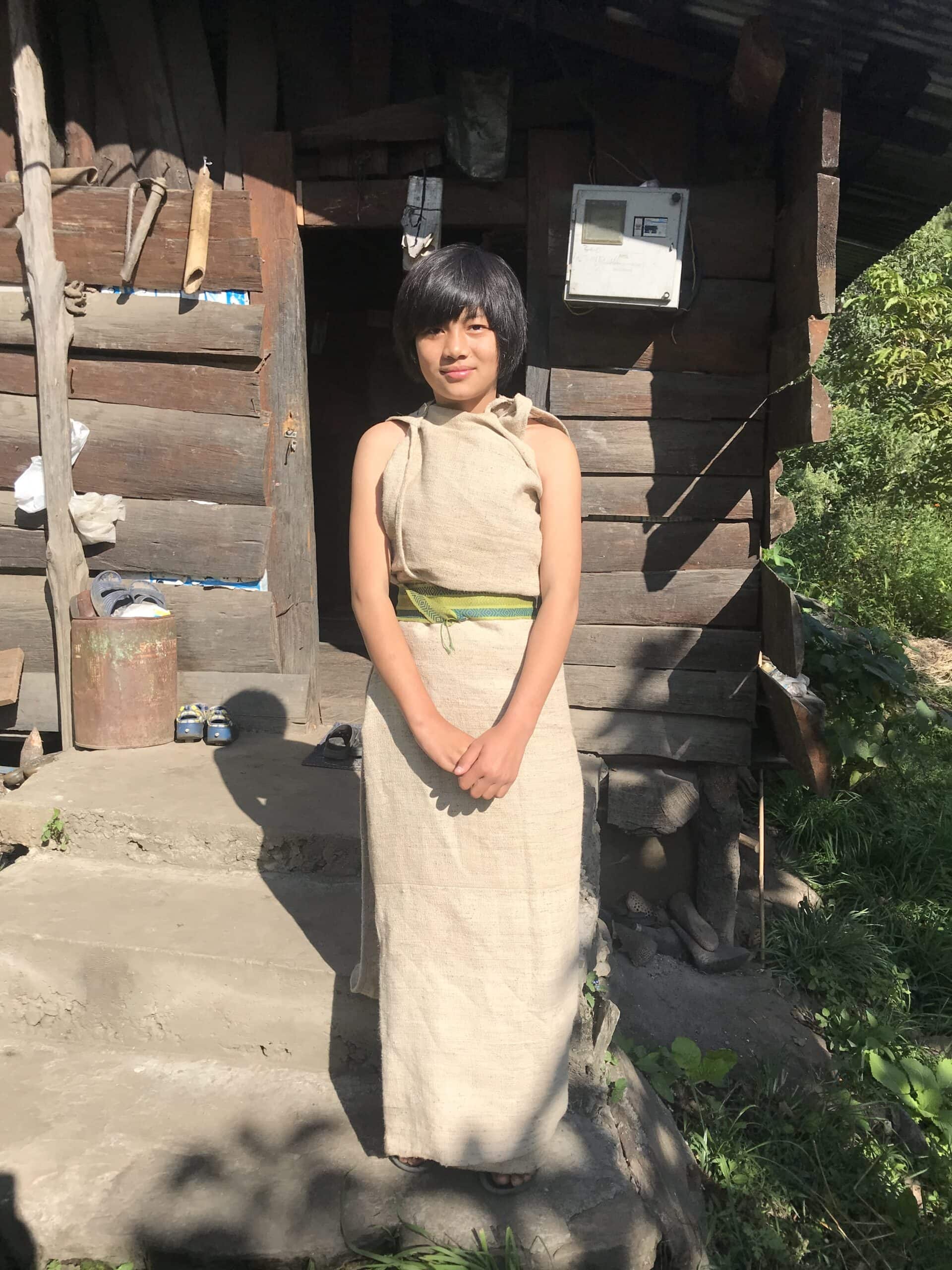
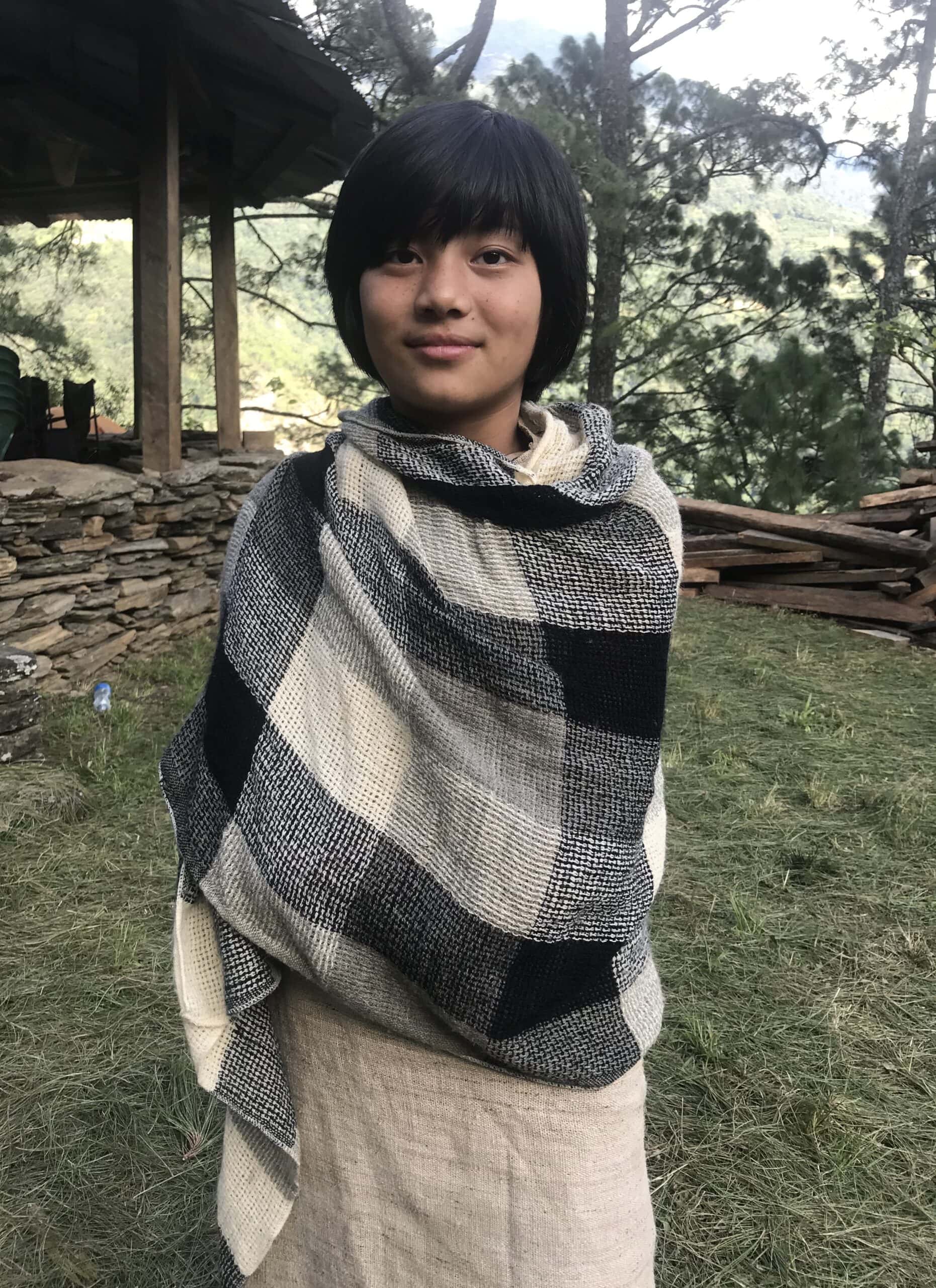
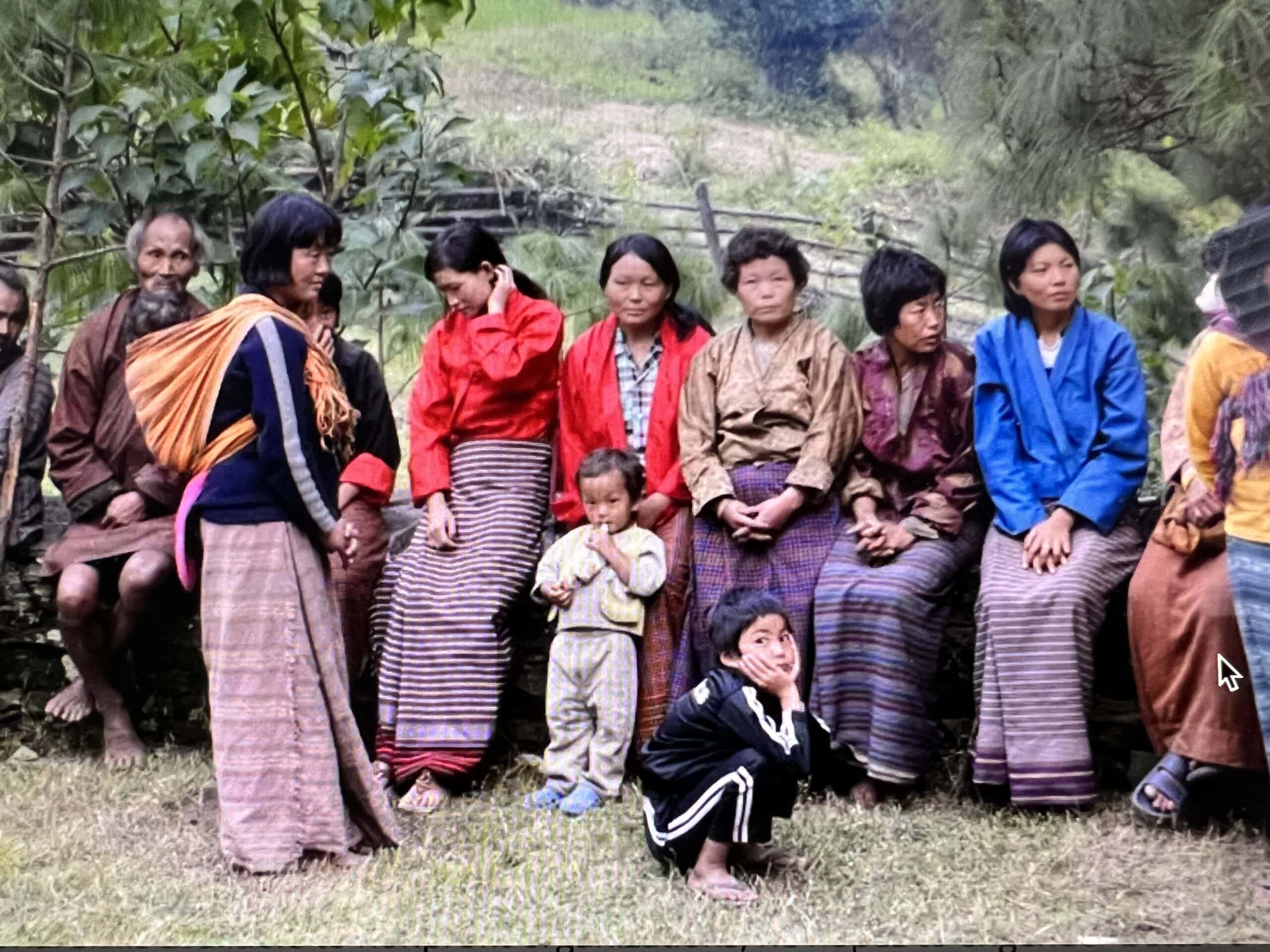
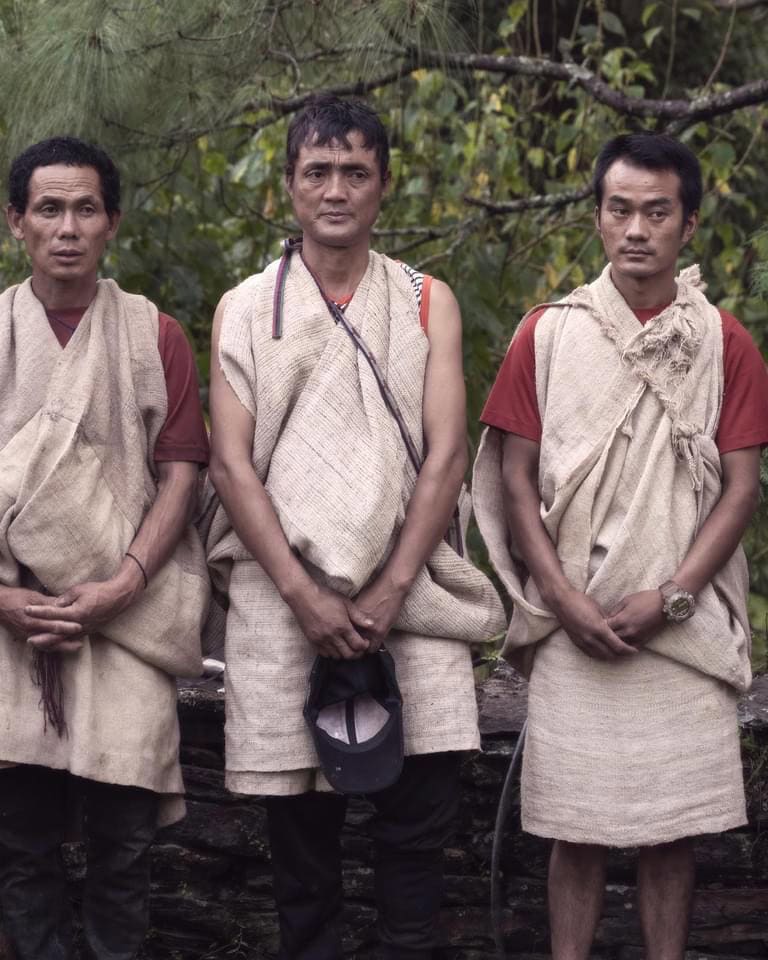
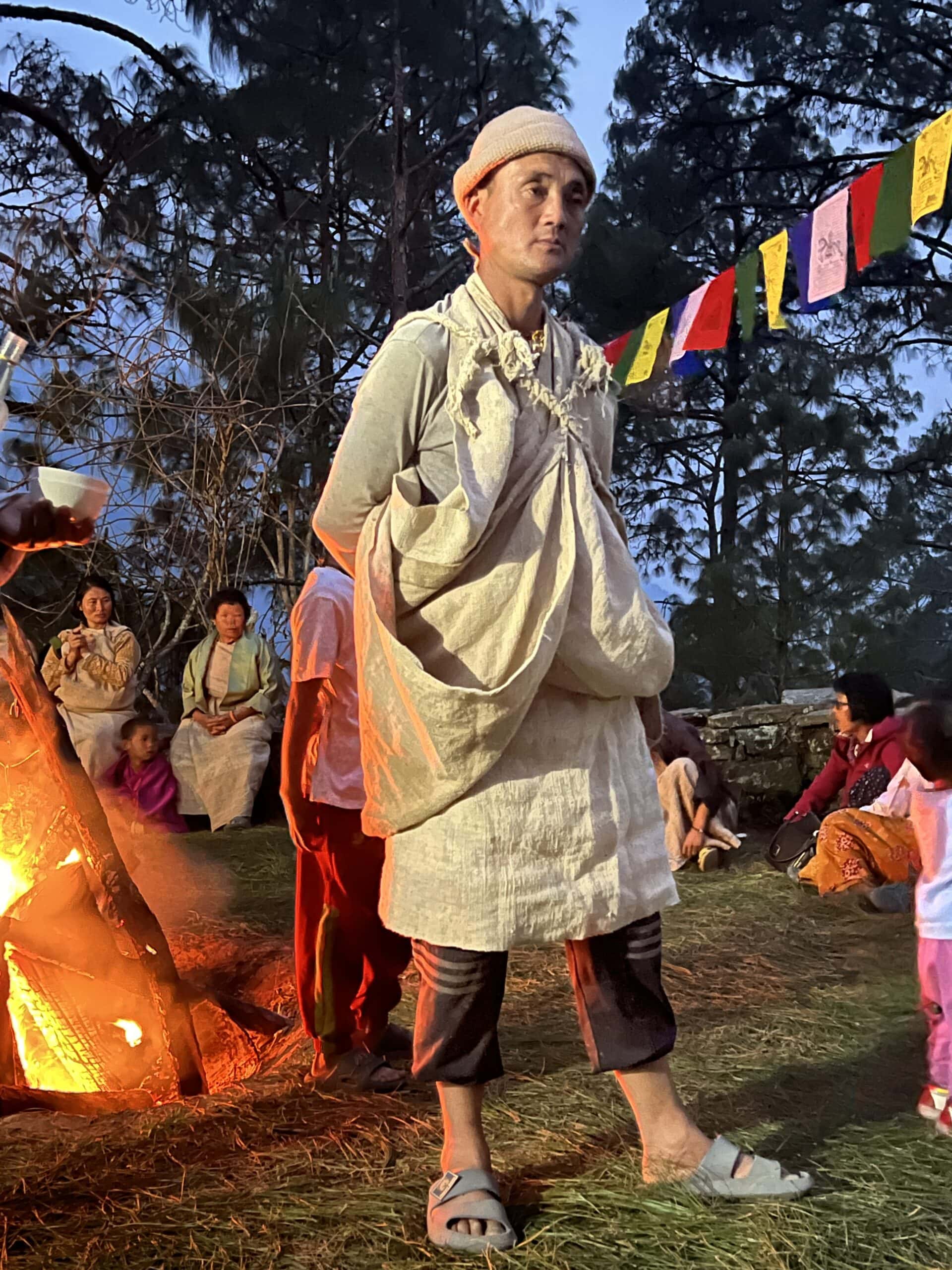
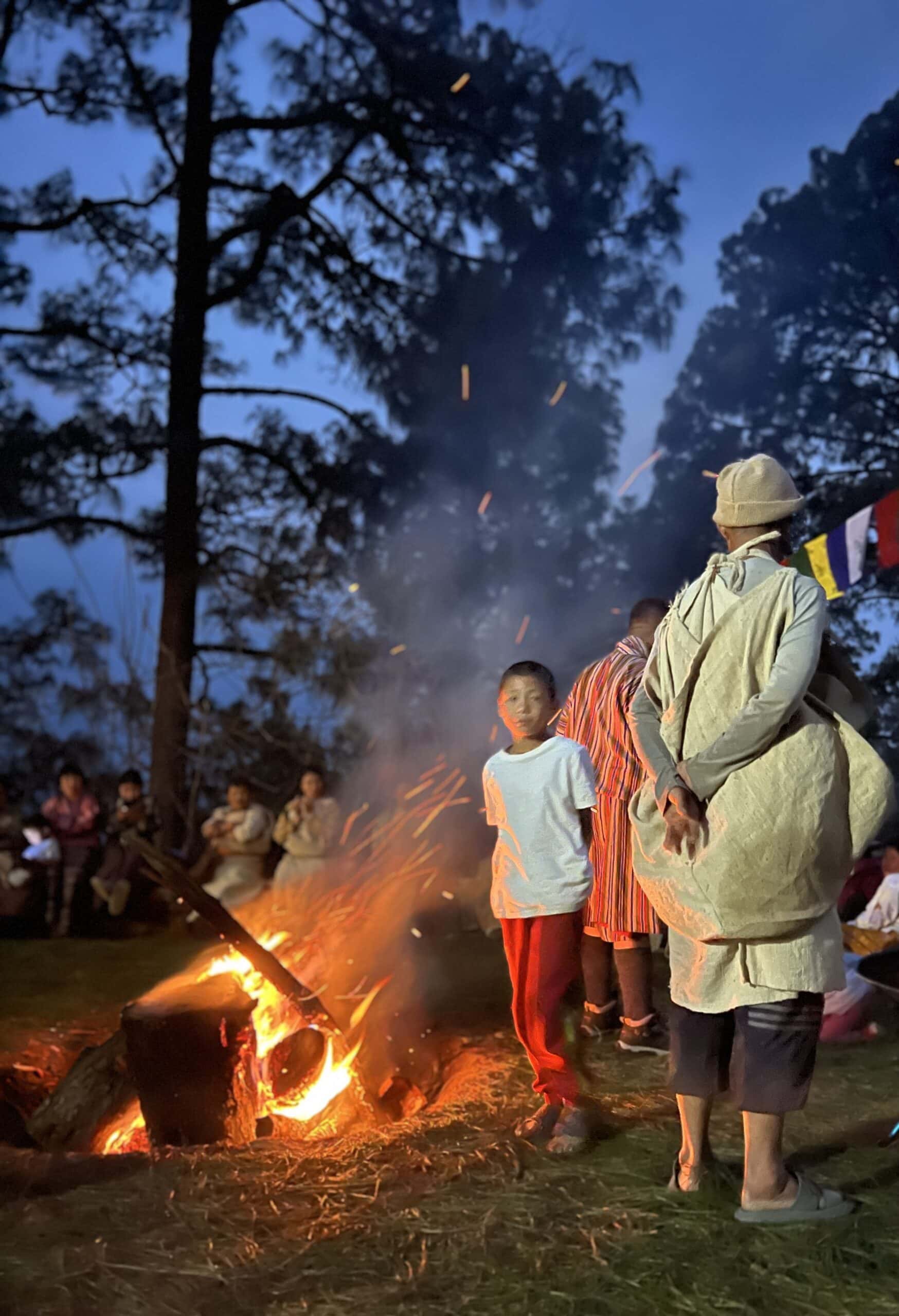
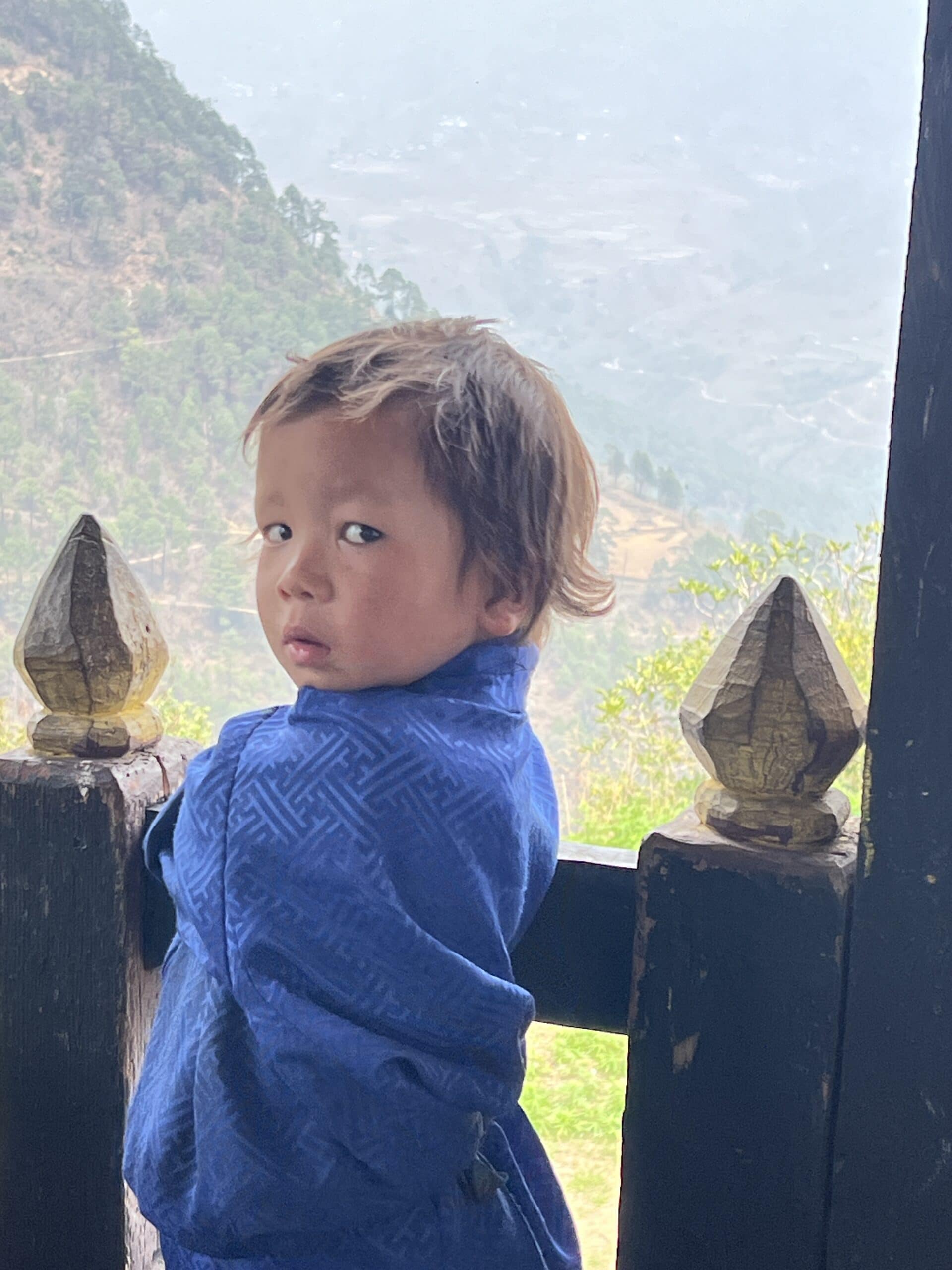
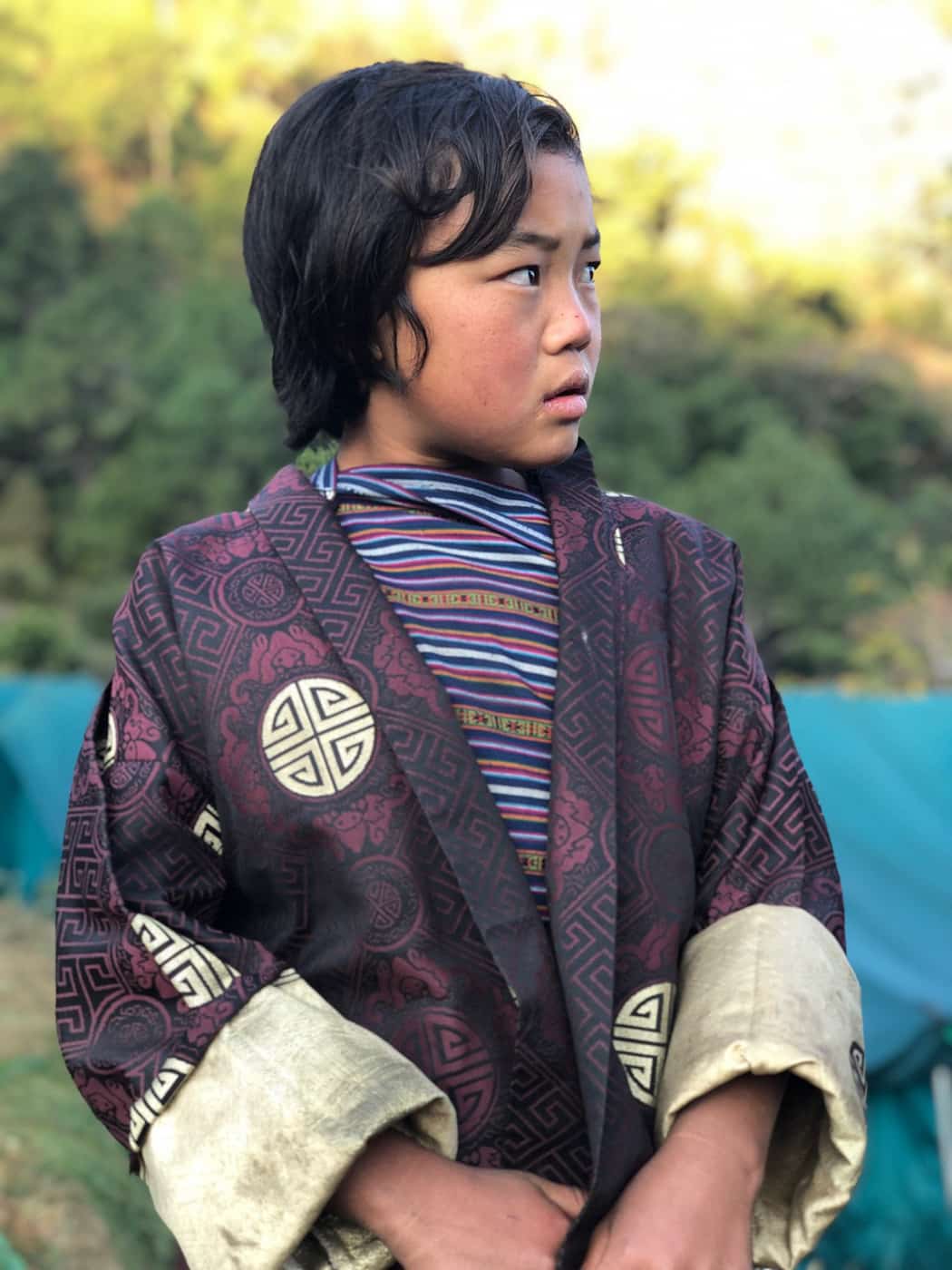
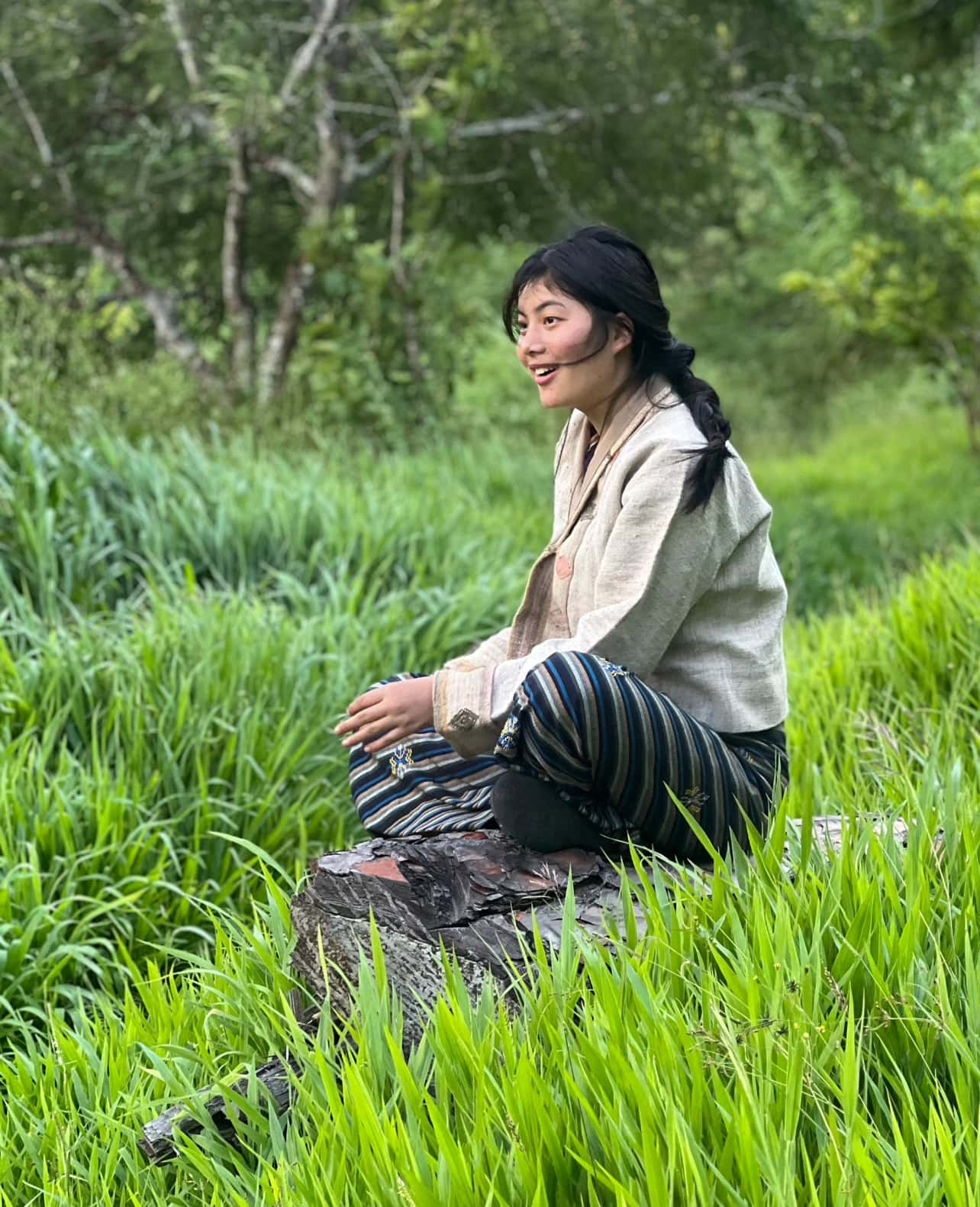
The initiative preserves the natural nettle habitat near Monpa villages while introducing pilot plantations to inspire younger generations to embrace their nettle heritage. Beyond conservation, the project enhances household income by promoting traditional spinning and weaving, expanding the market for nettle-based products, and ensuring access to nettle fiber for crafting the Monpa’s distinctive traditional attire, the Pagay. Through this project, the timeless art of nettle weaving is not only safeguarded but revitalized for future generations.
Sustaining Bonchoe, the original Monpa religion
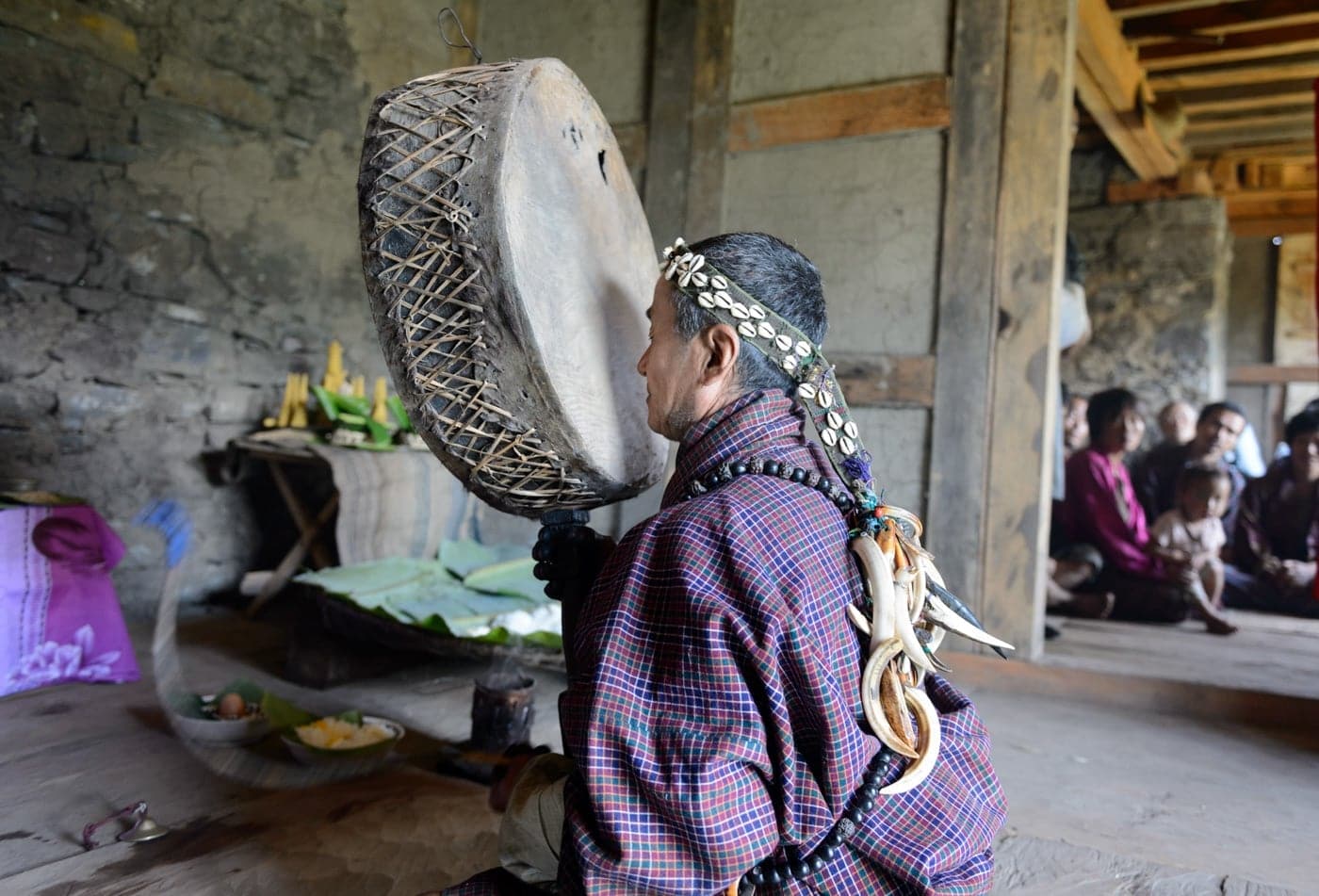
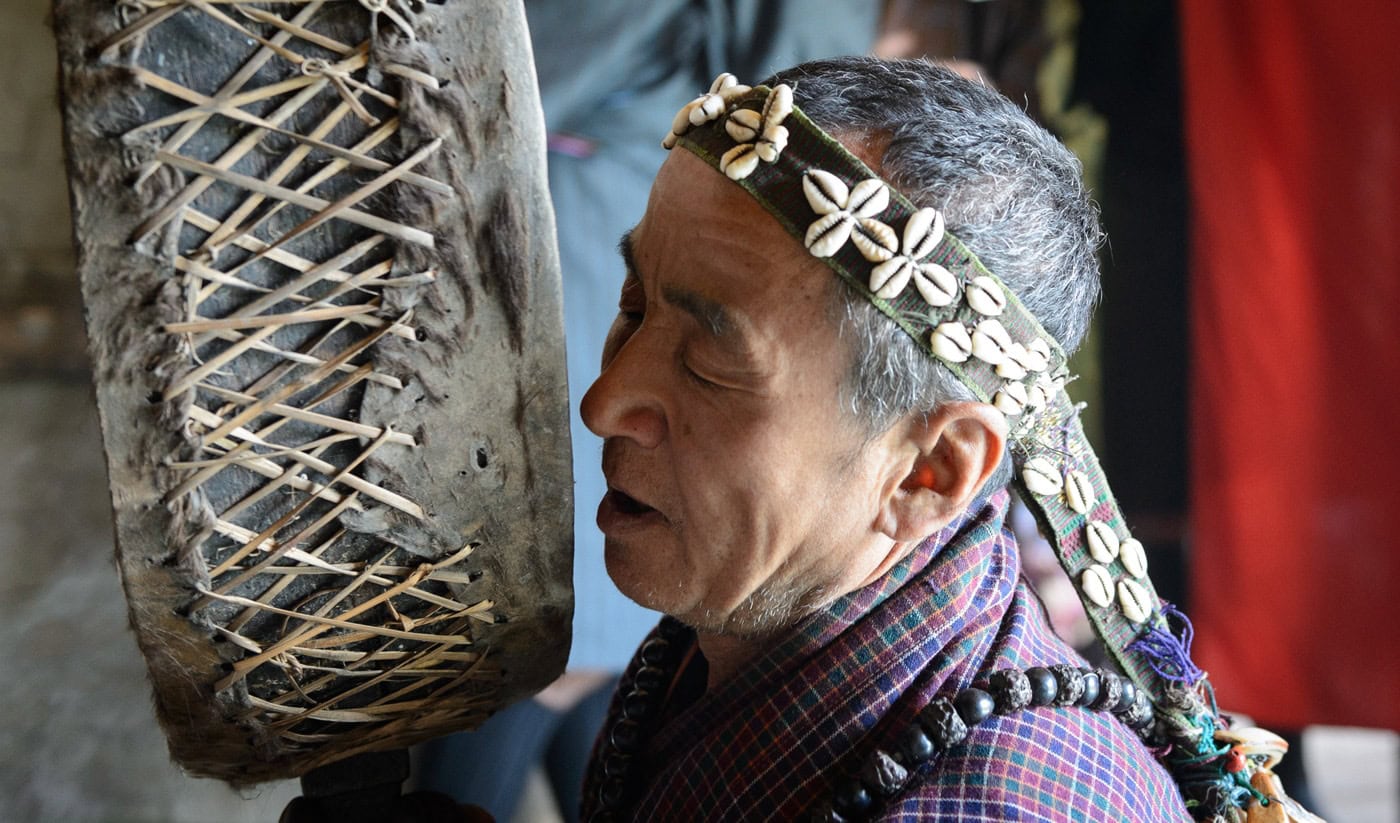
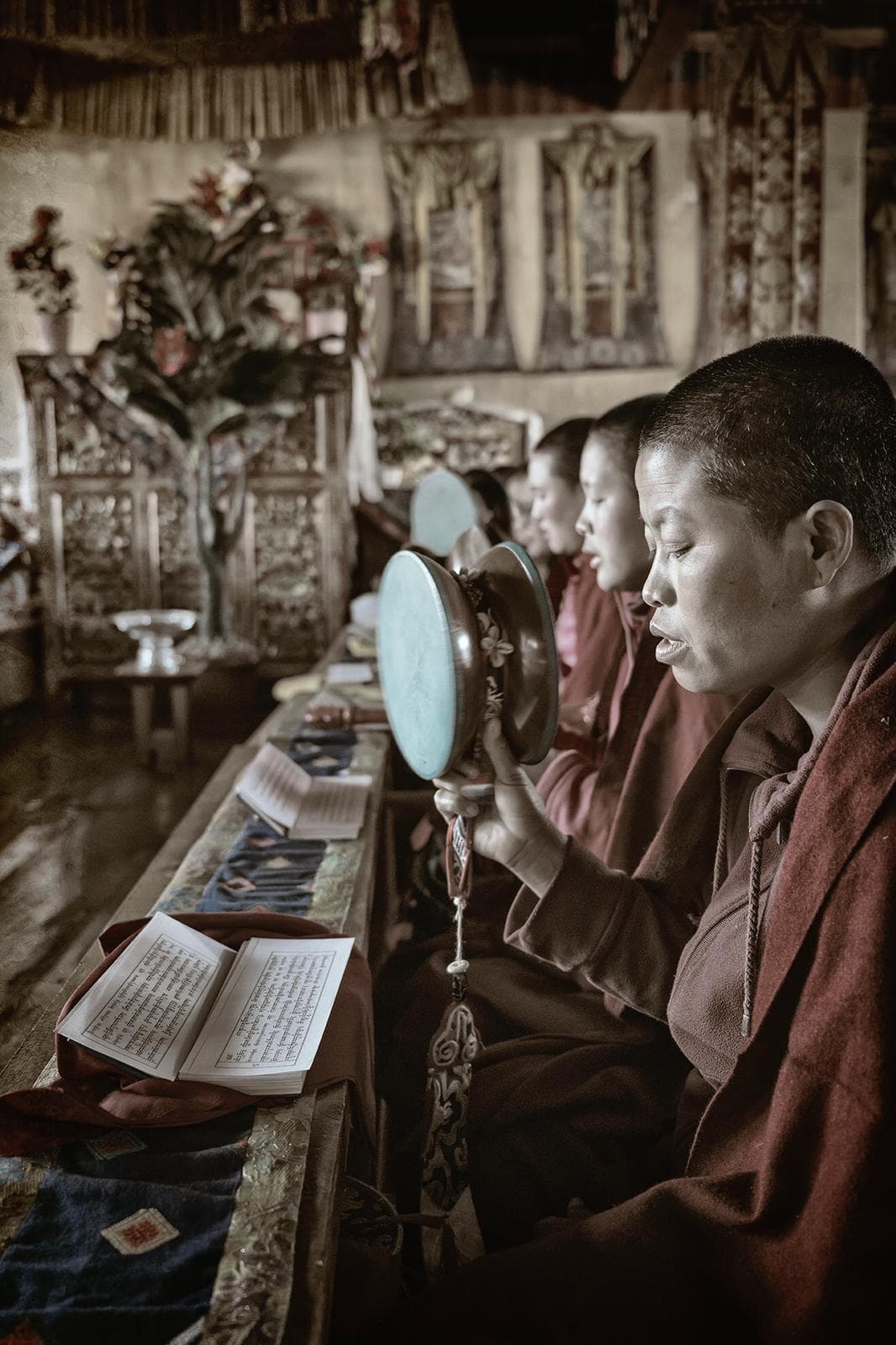
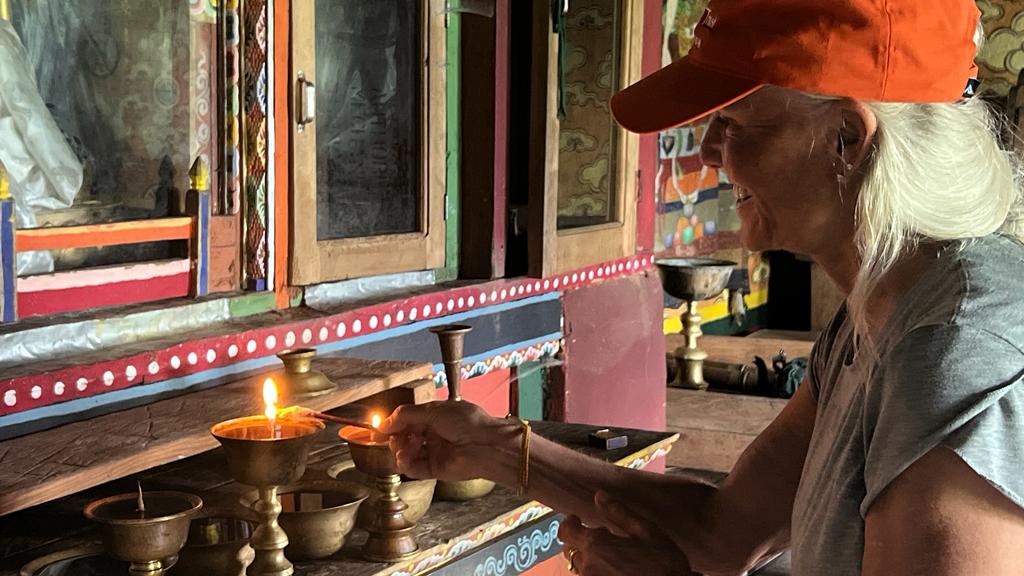
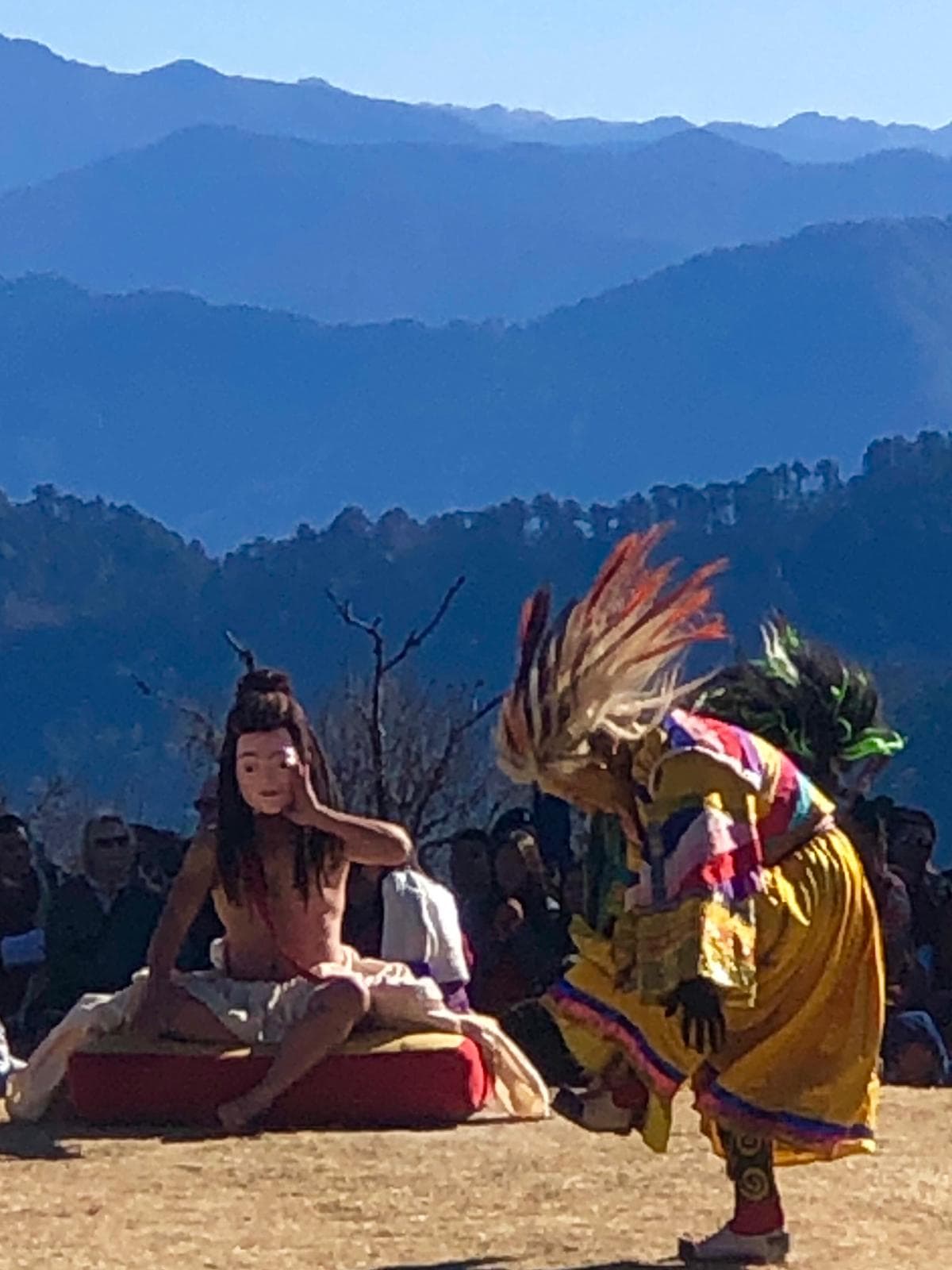
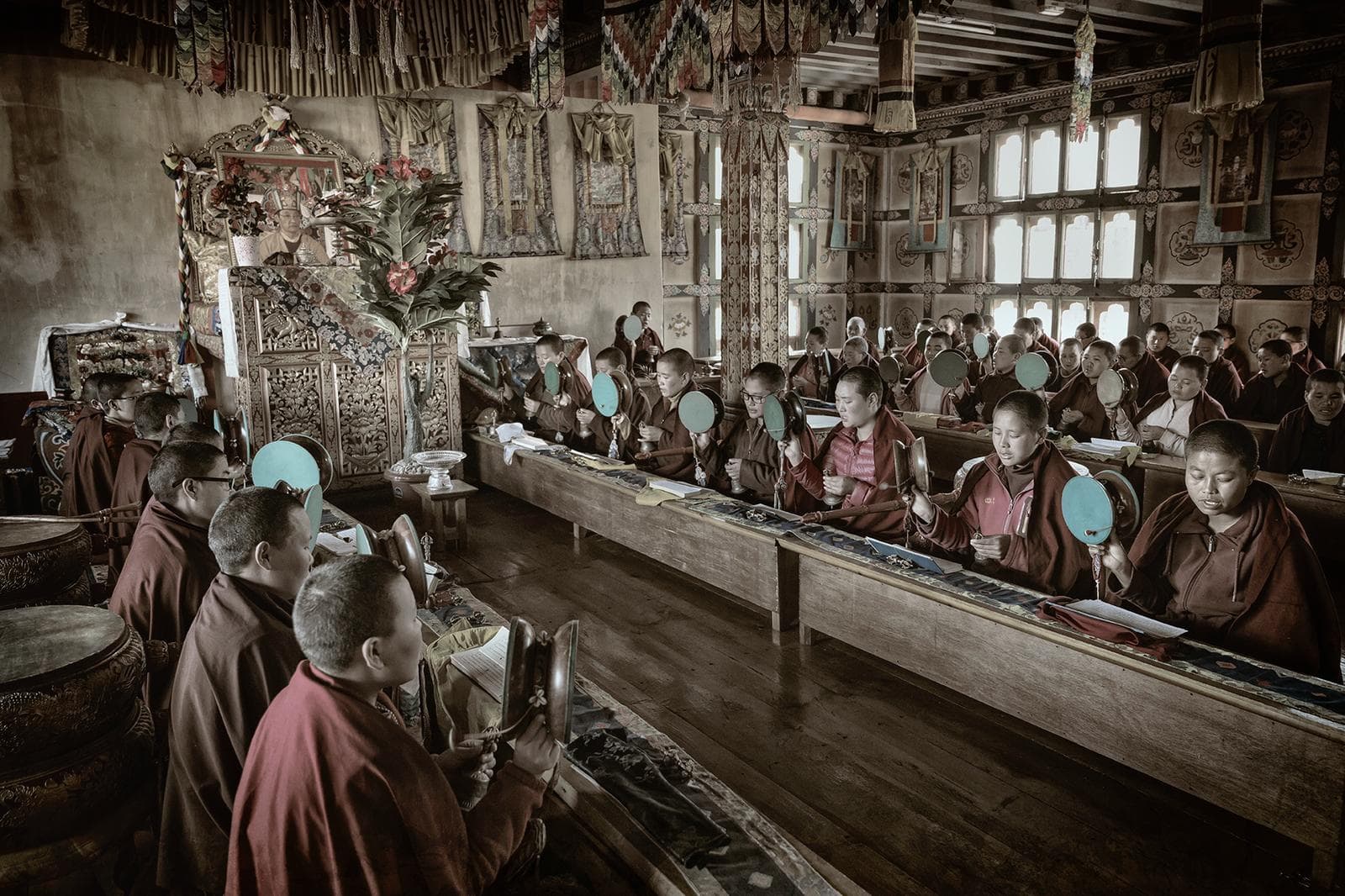
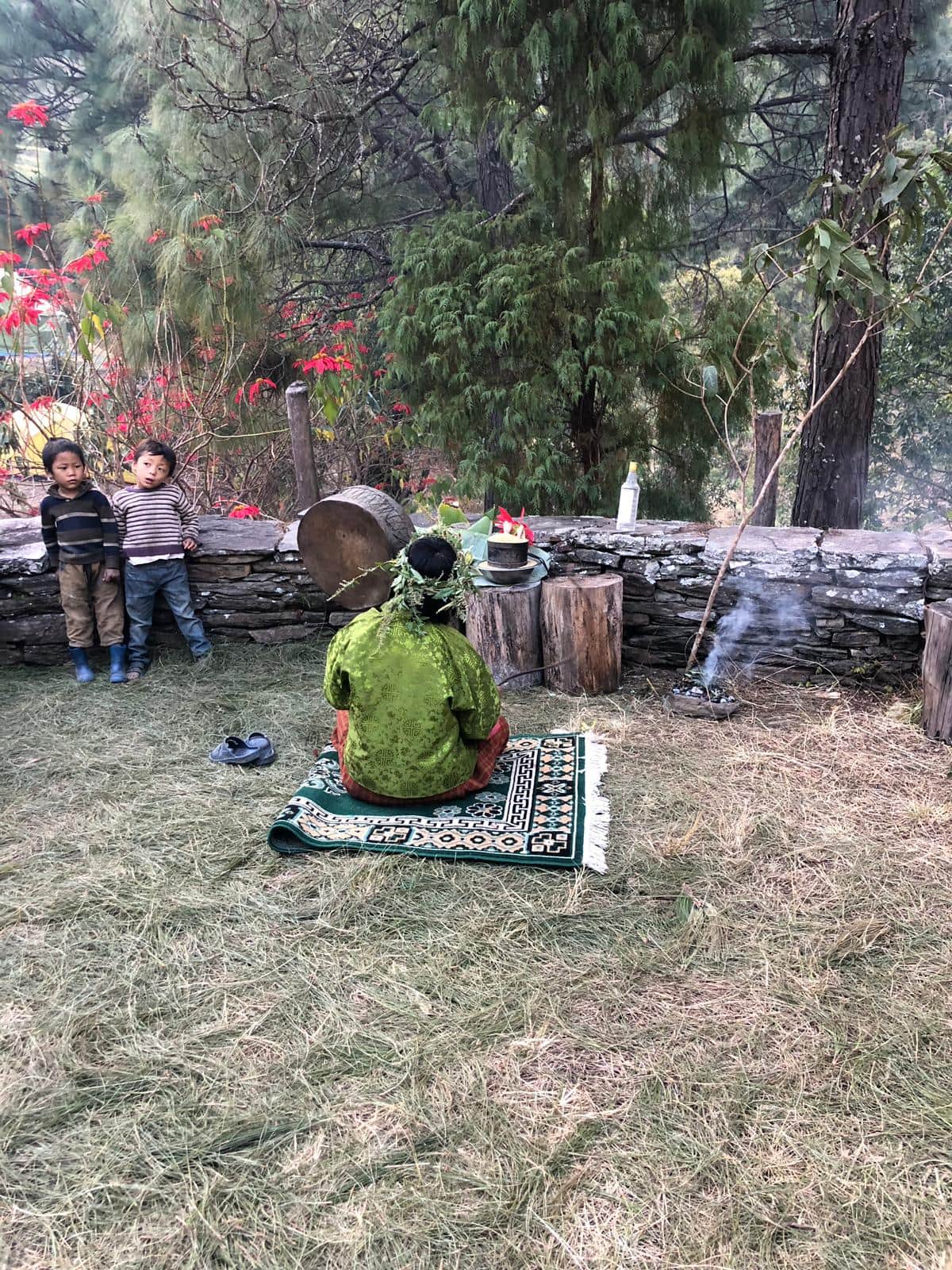
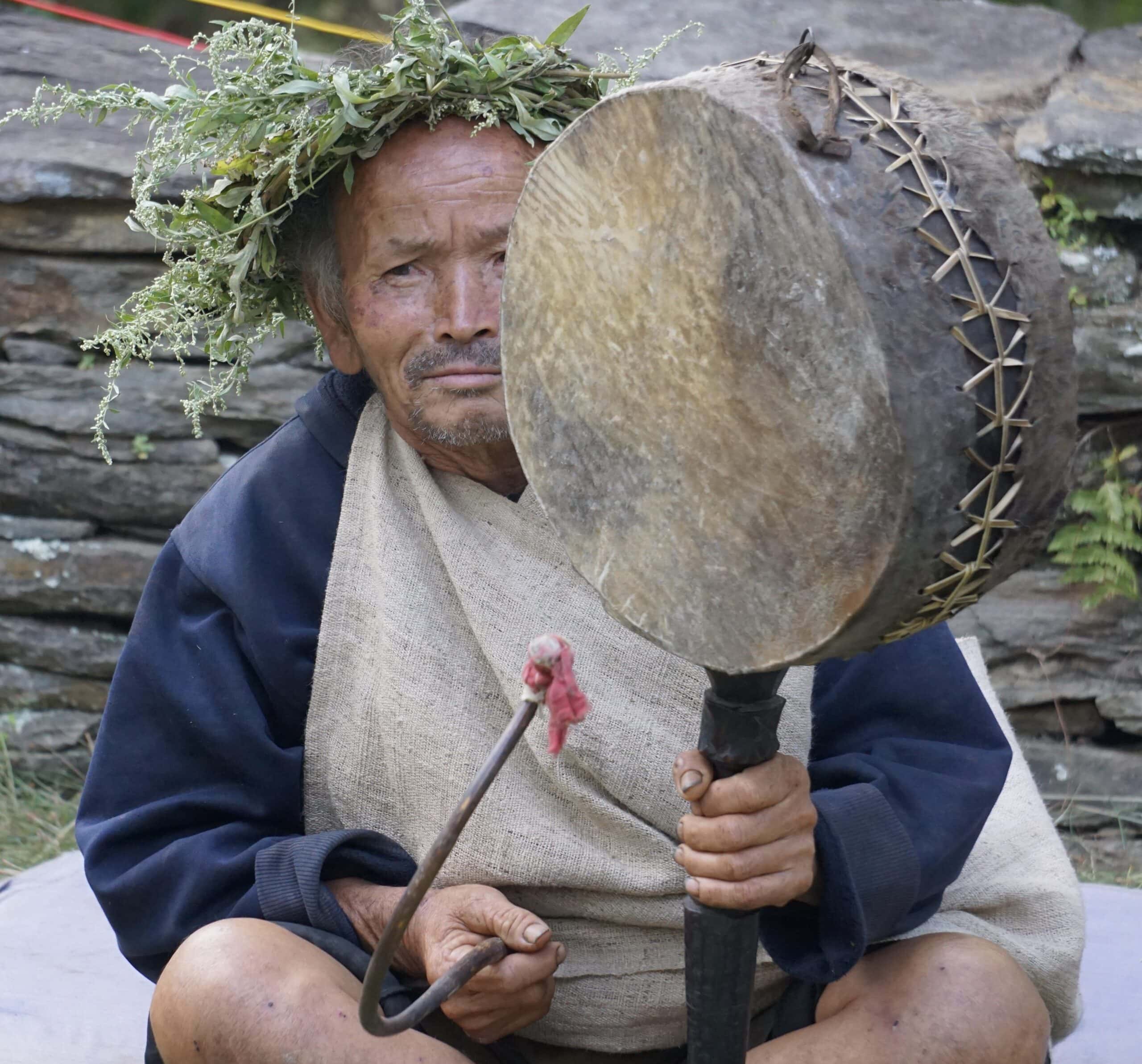
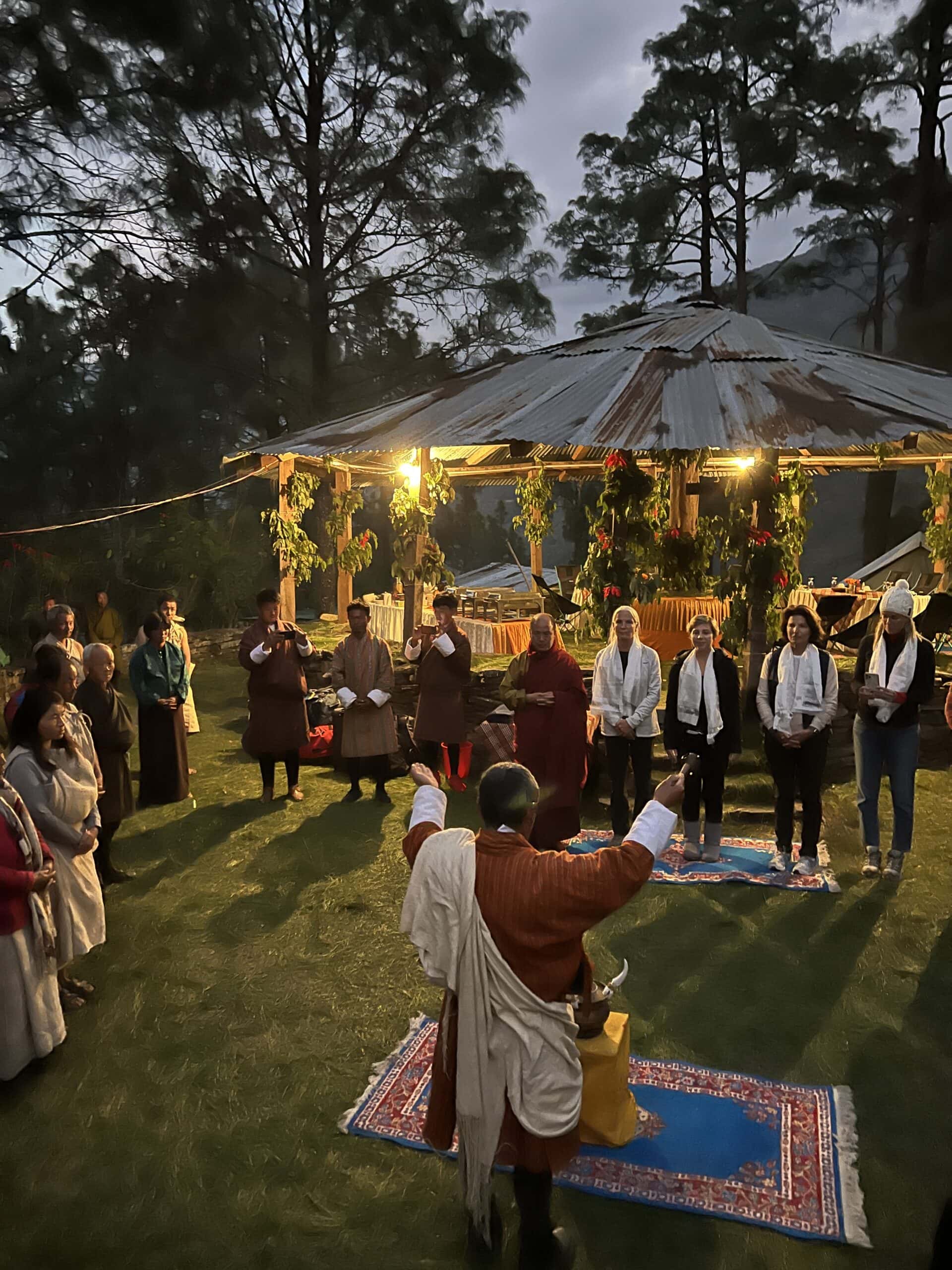
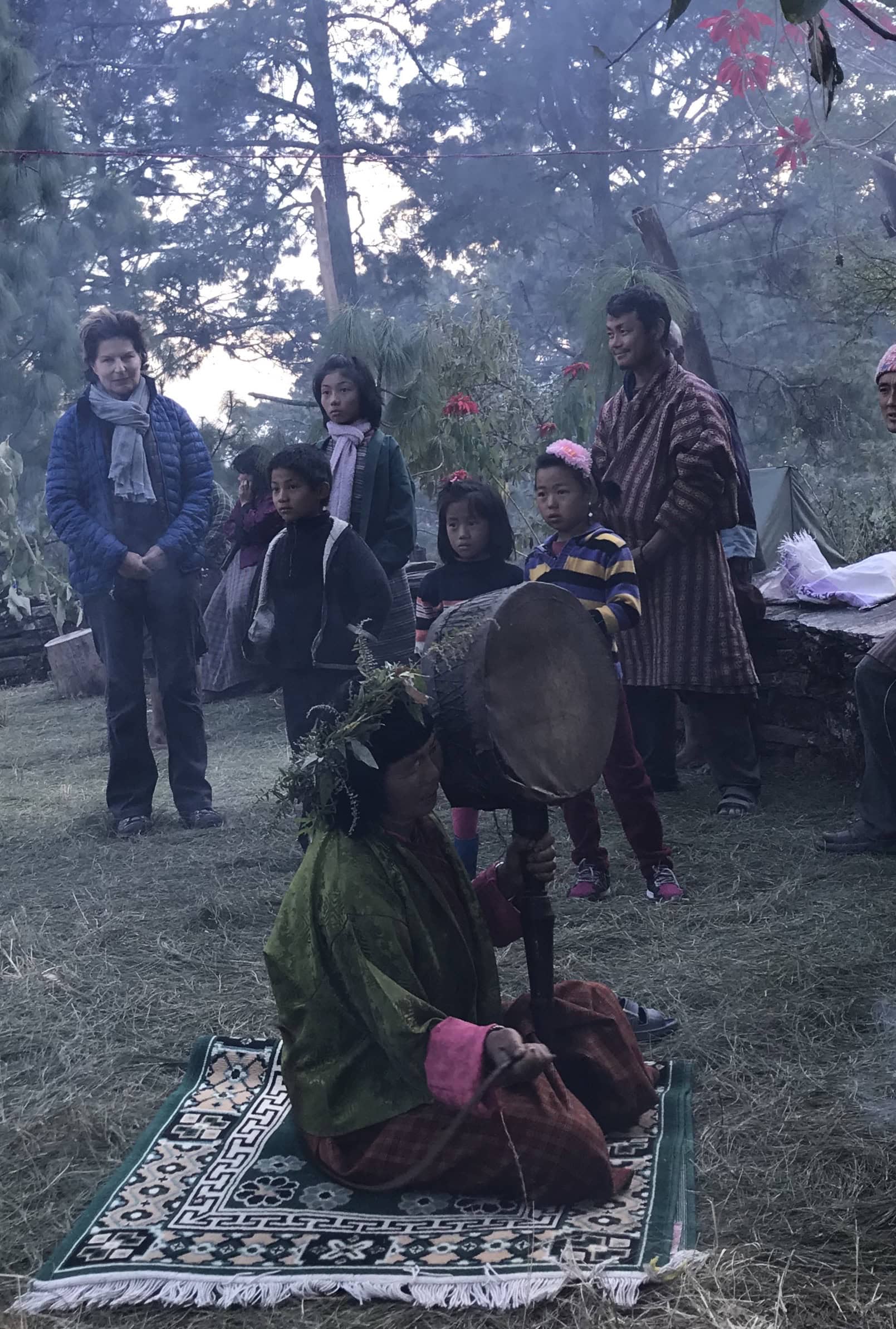
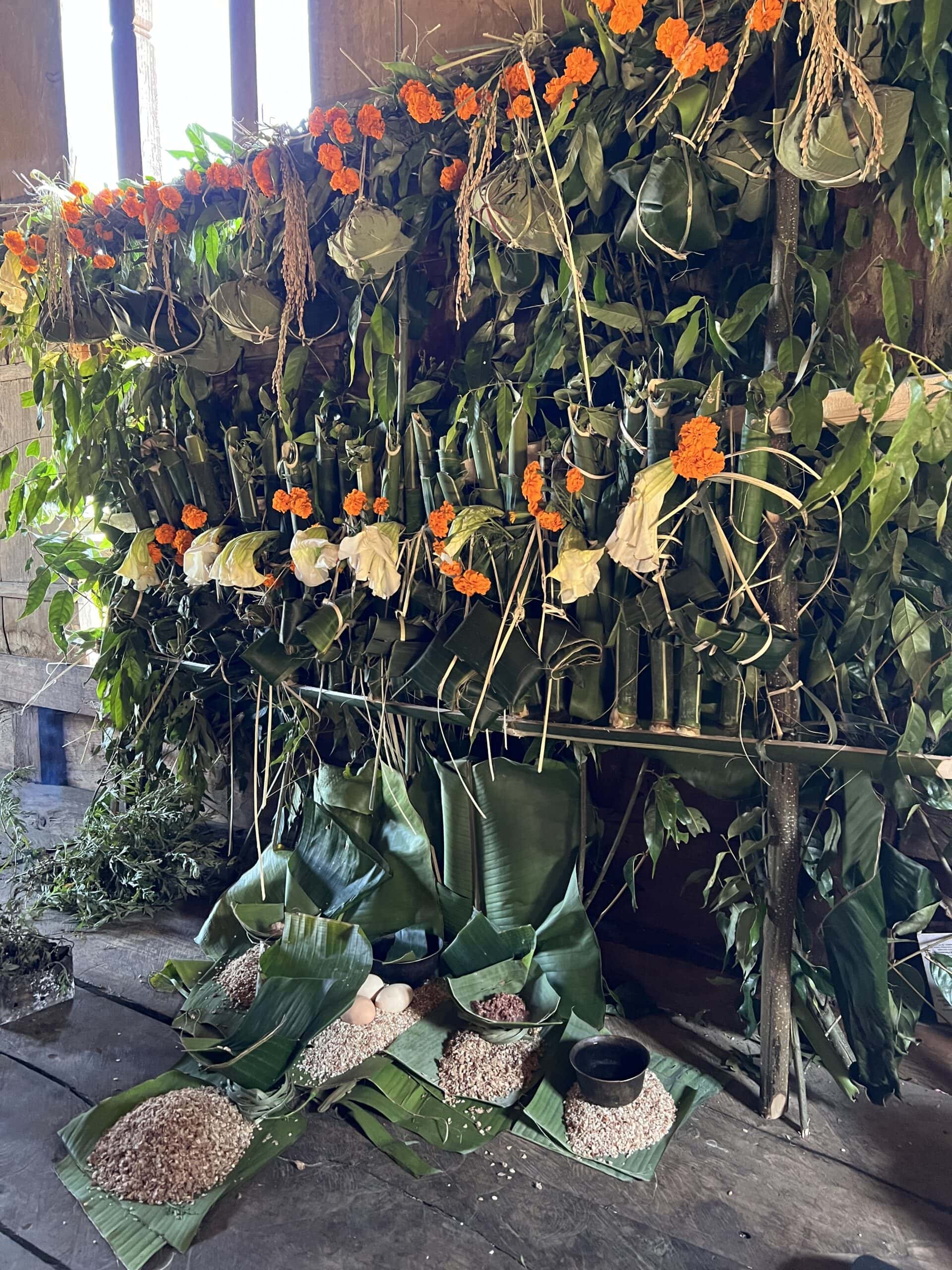
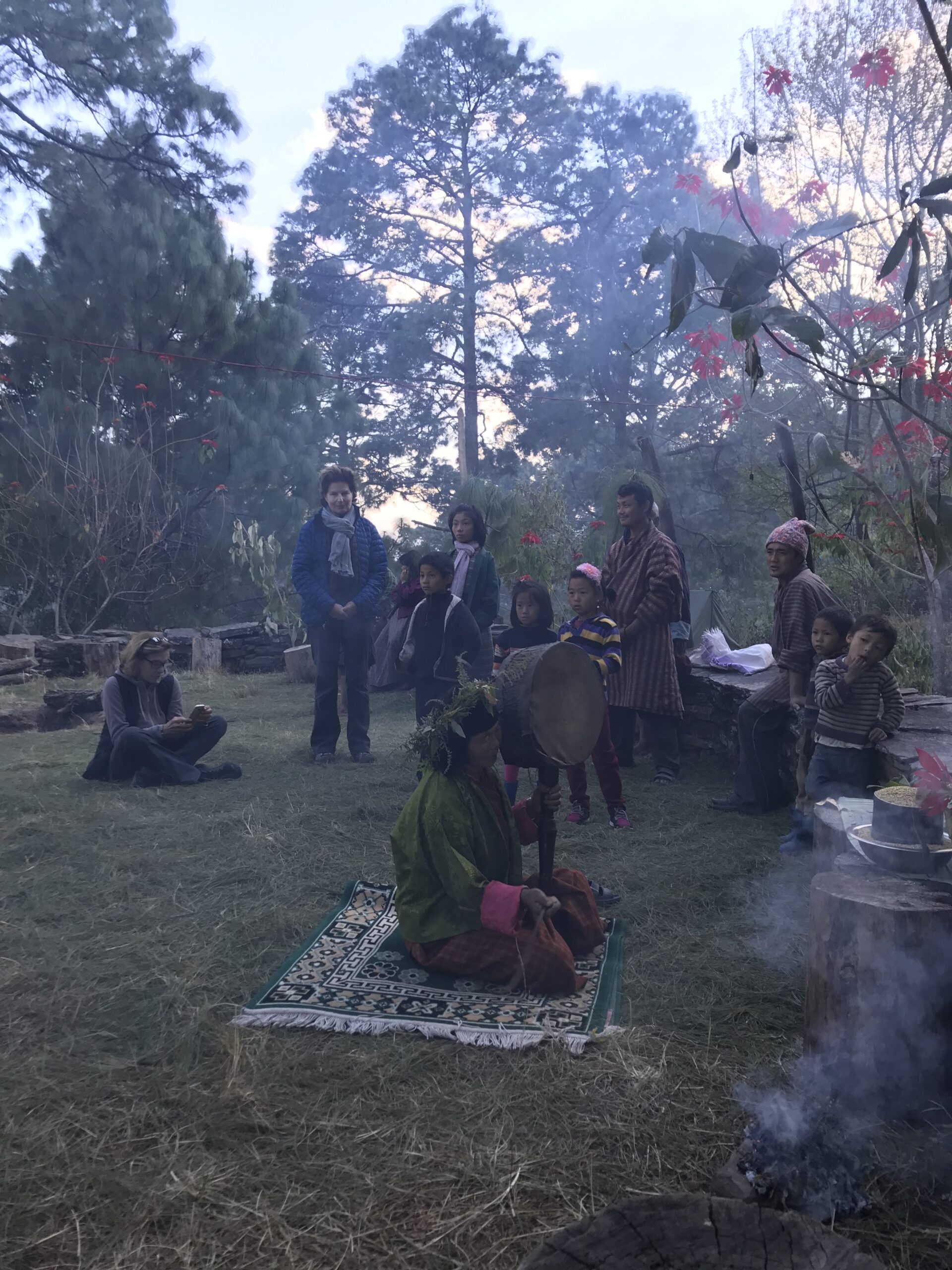
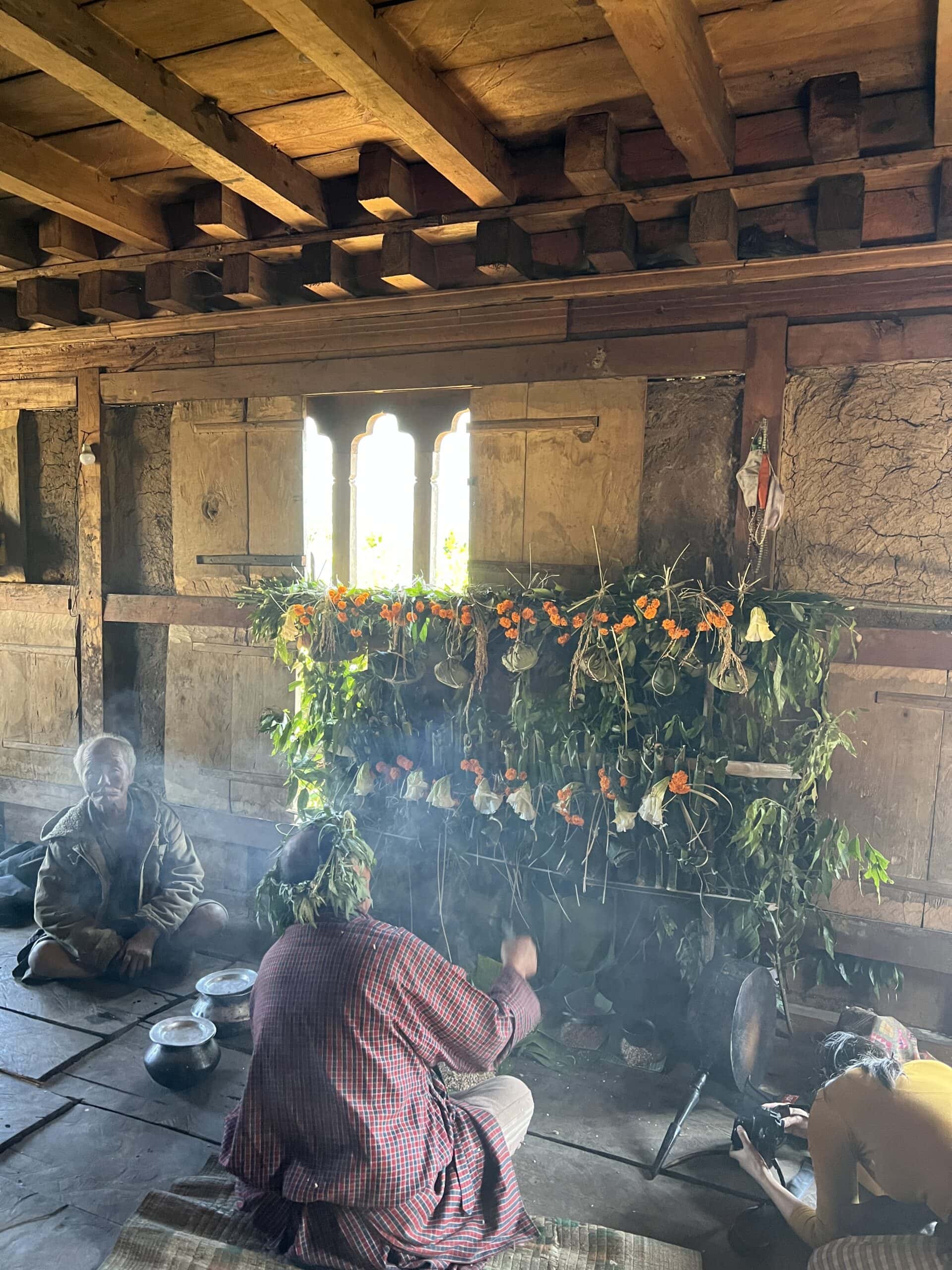
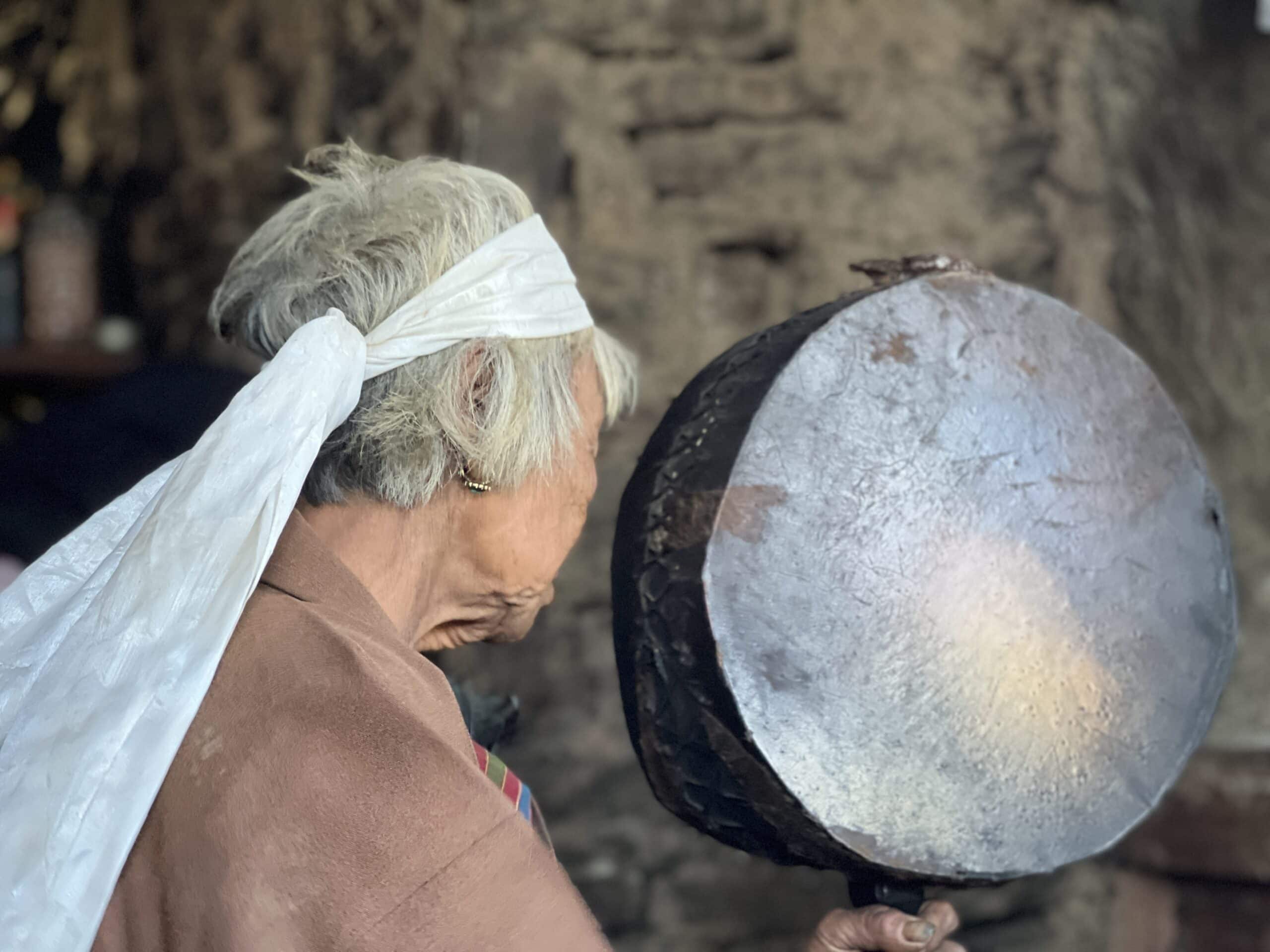
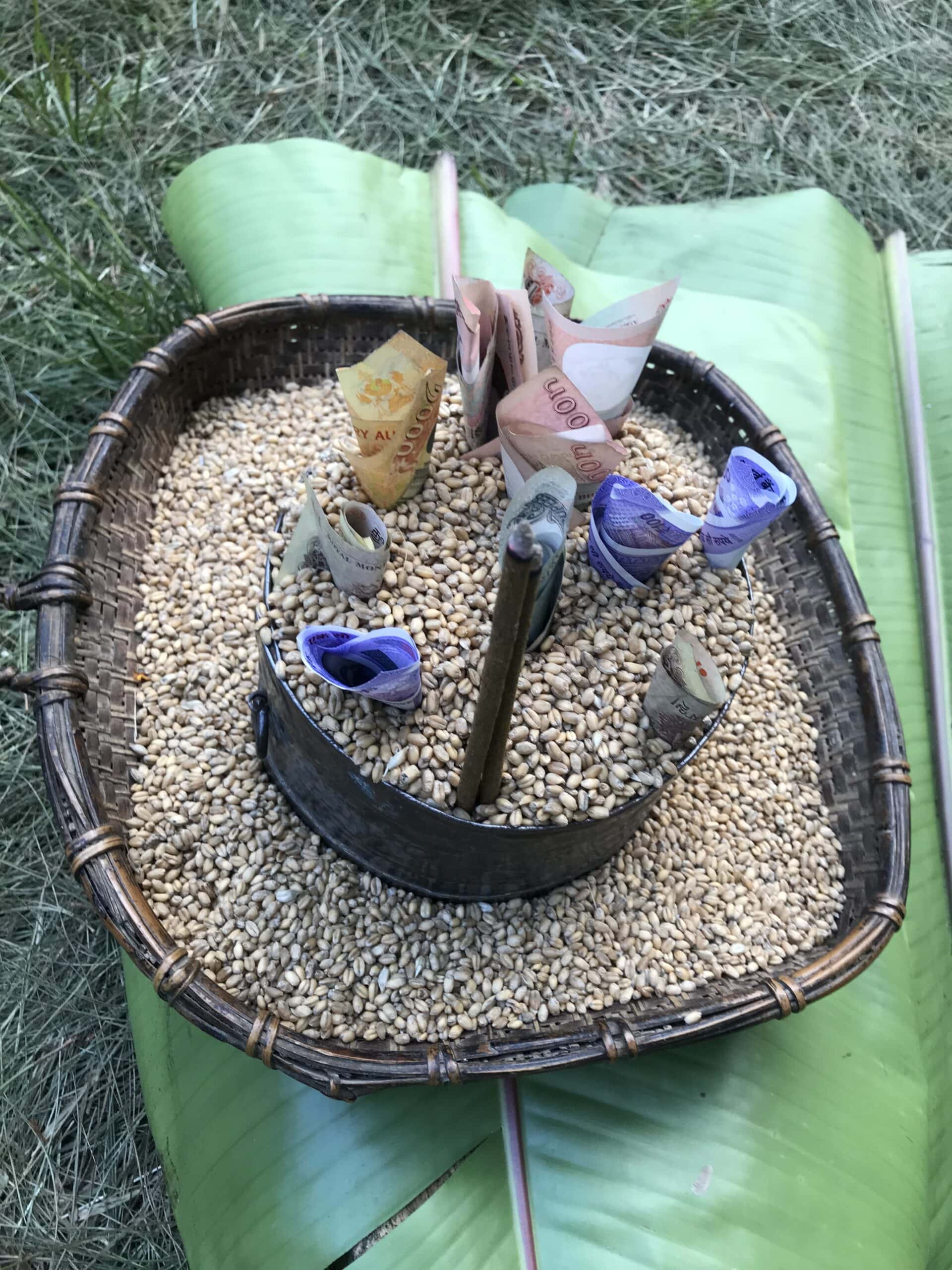
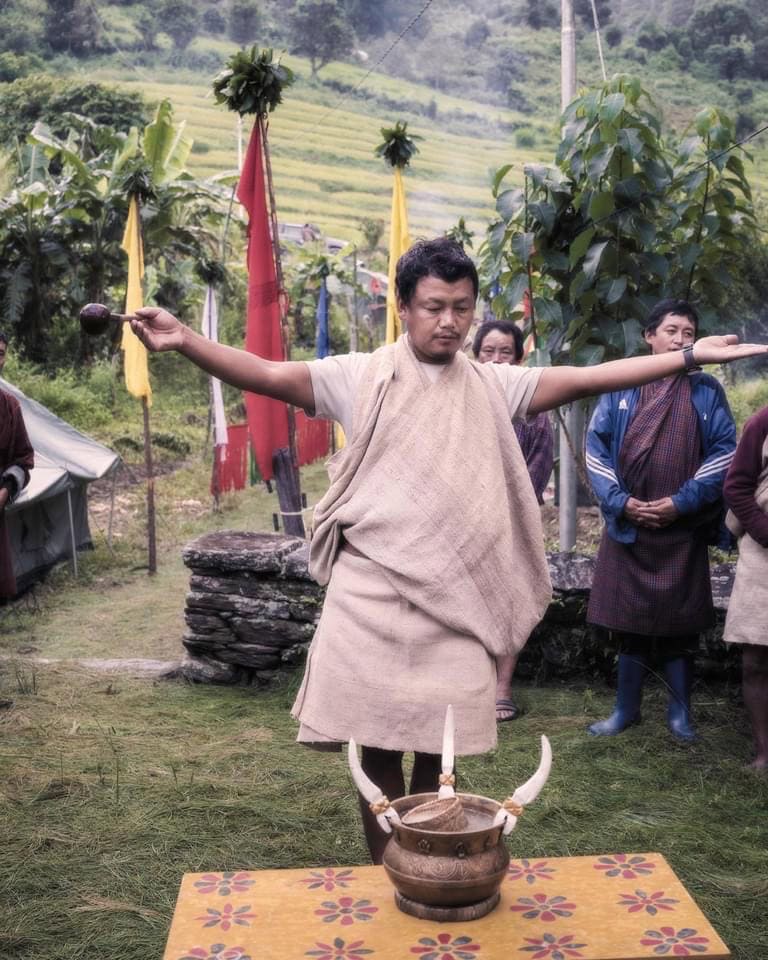
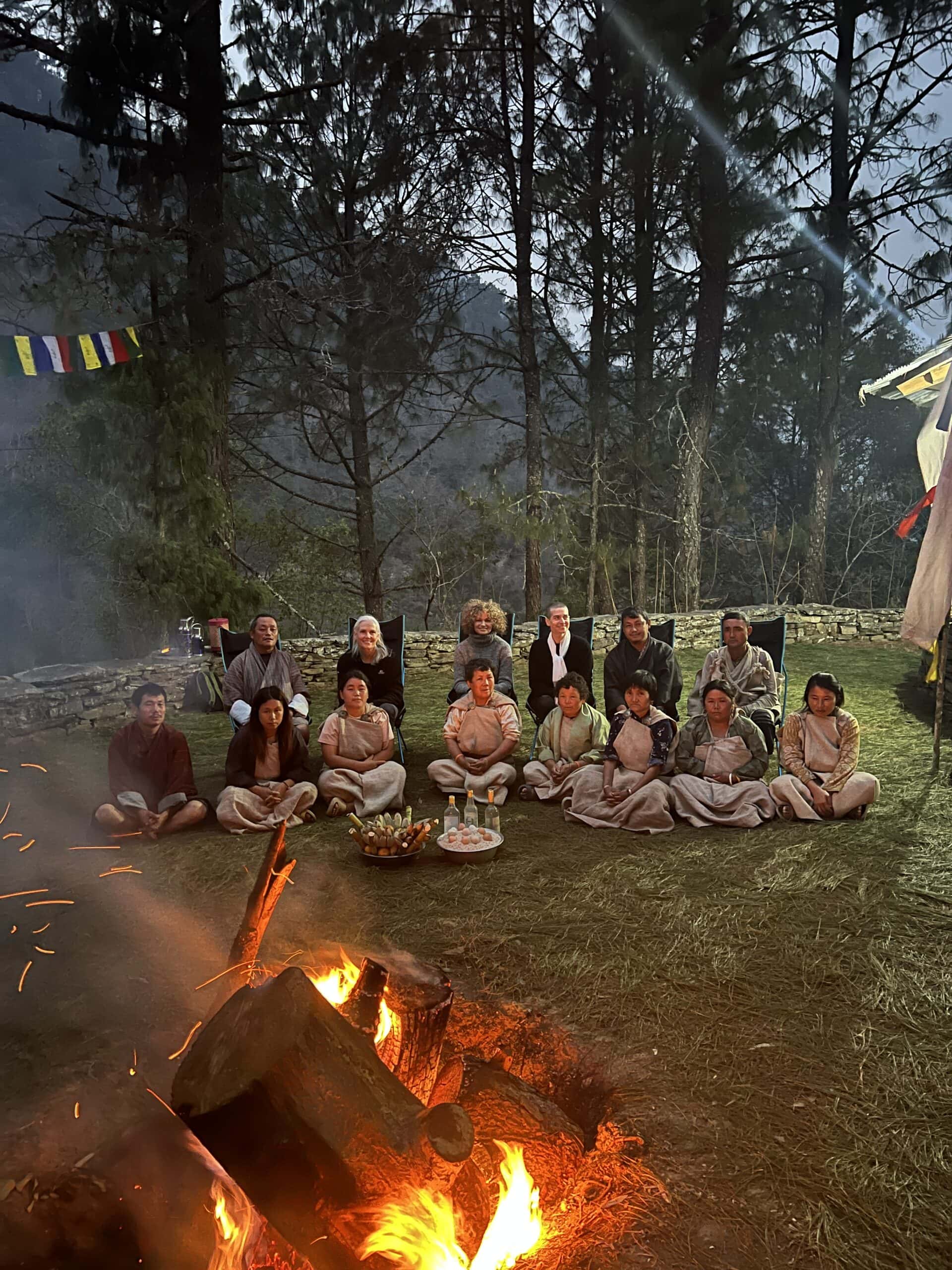
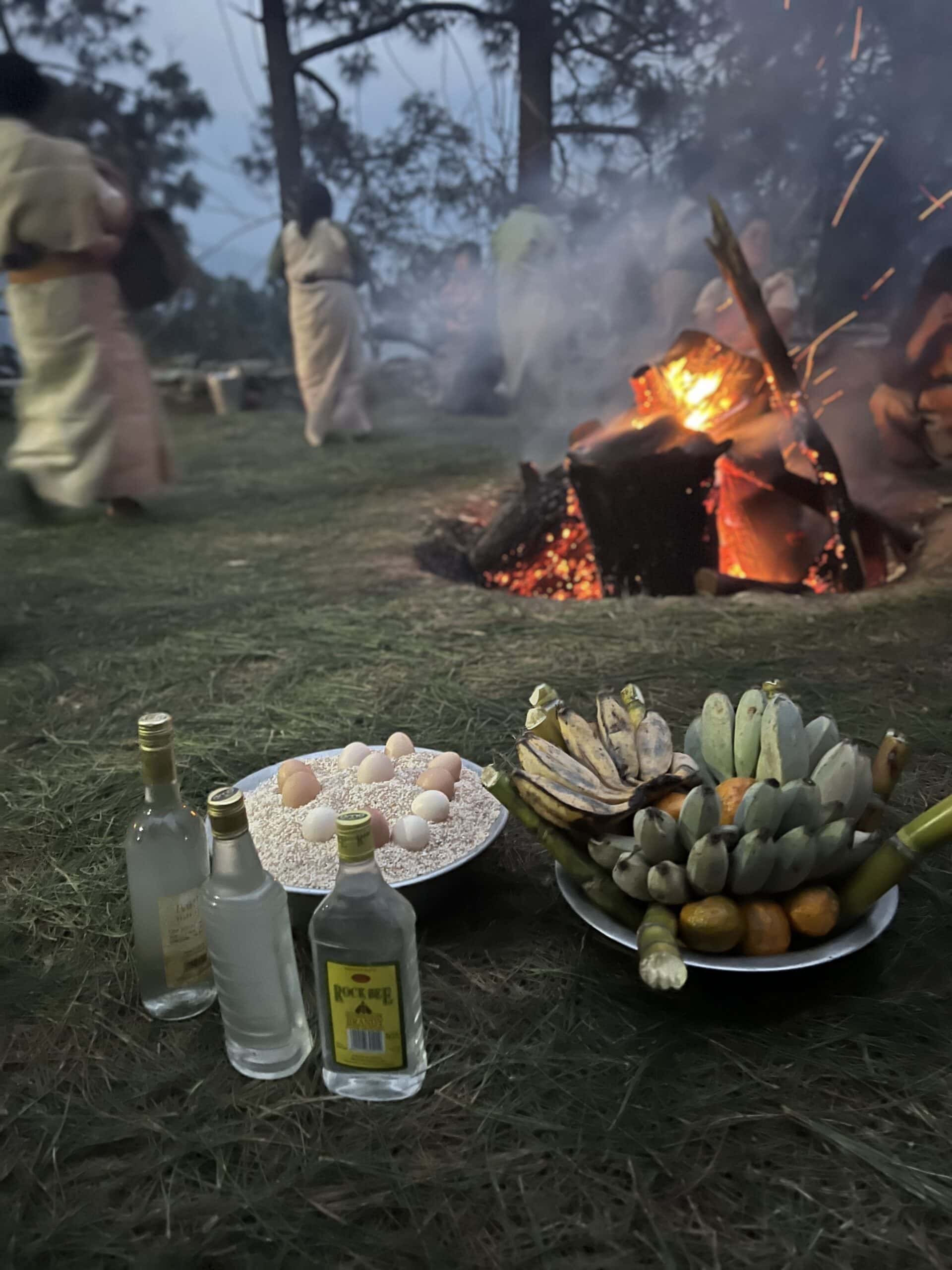
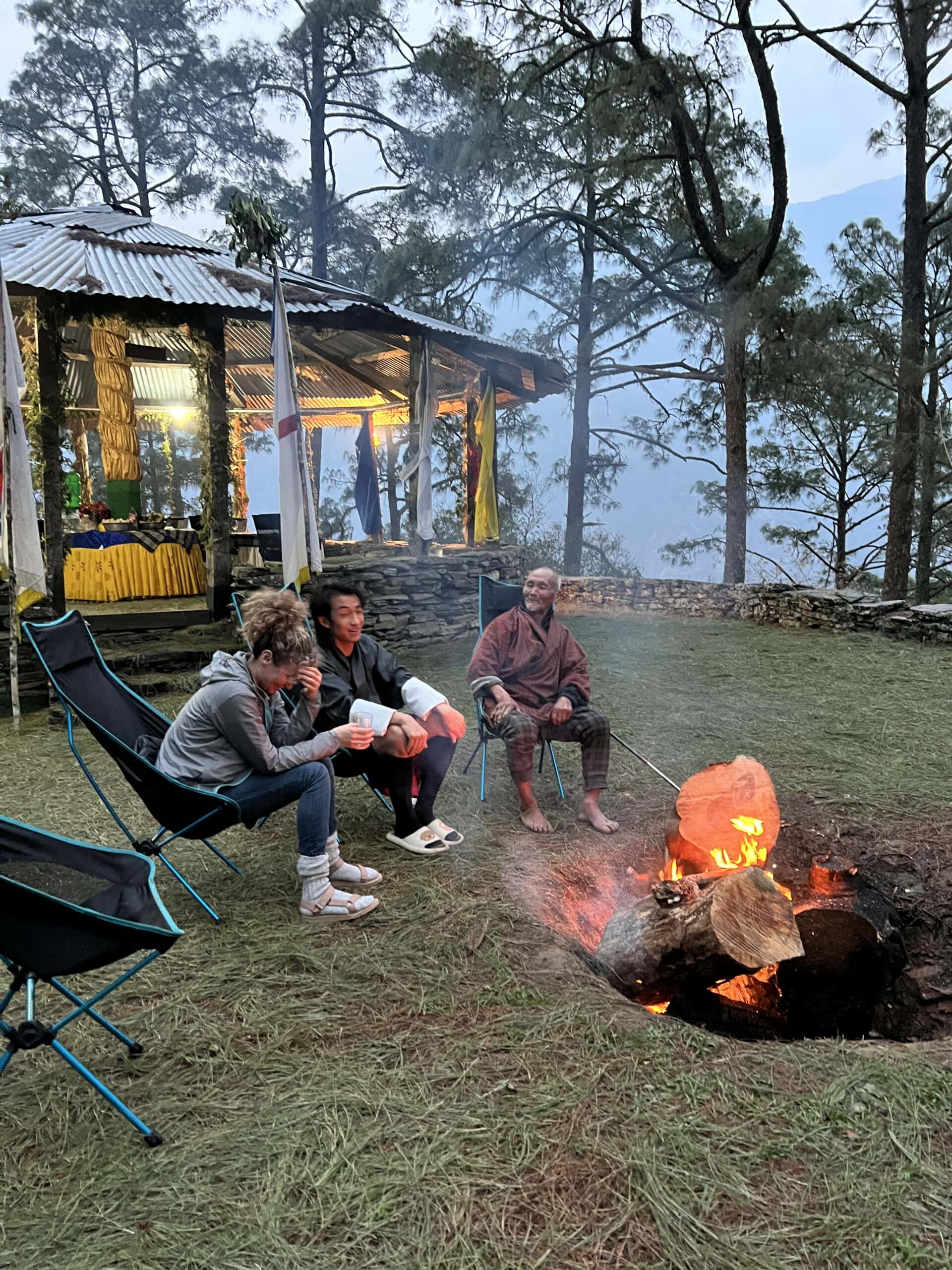
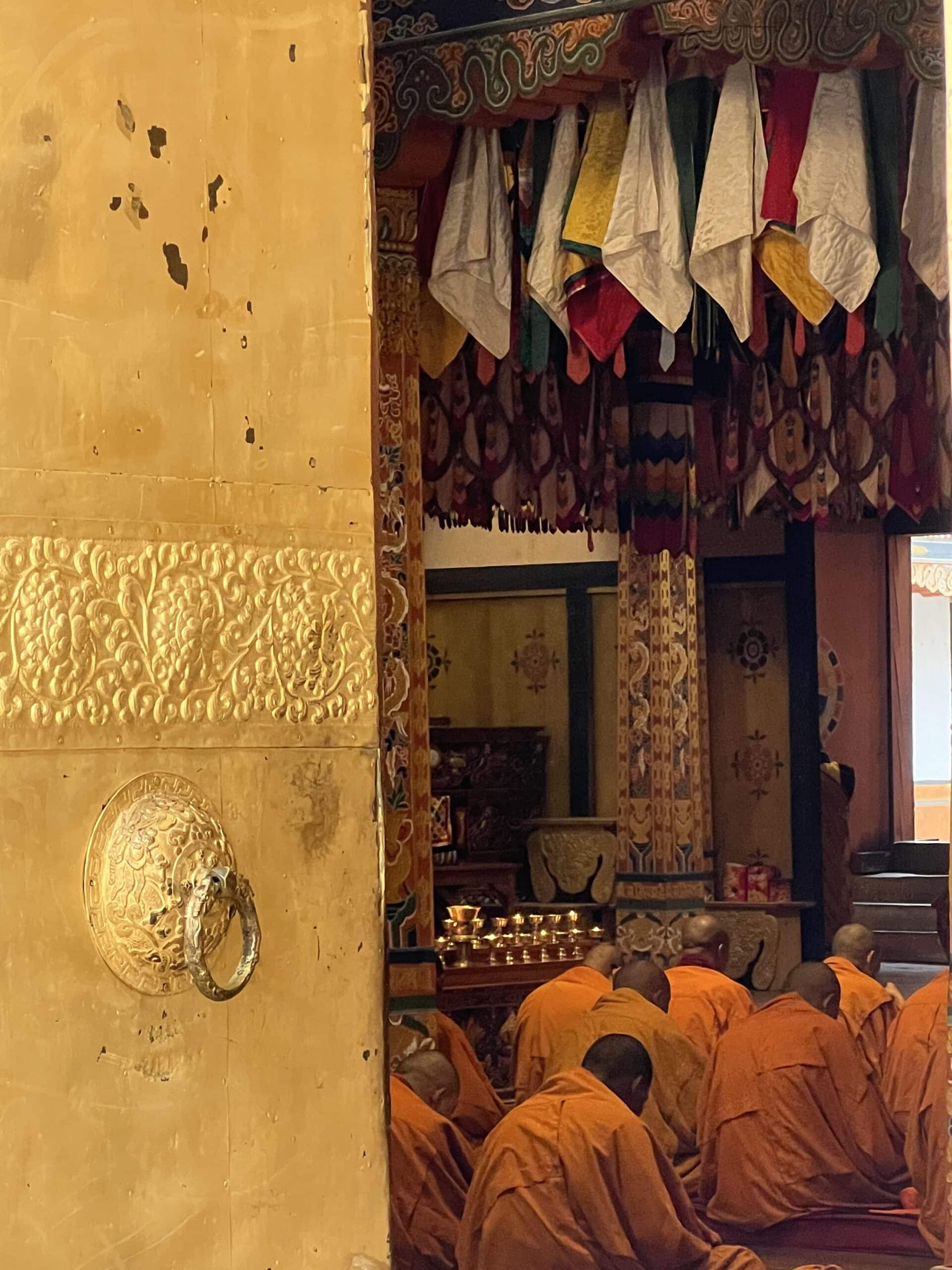
According to the Monpa Elders of Jangbi, Wangling, and Phumzur, “from the time after earth was formed, there lived nine children descended from parents whose names were Tagza and Dungsa, from whom the Monpa tribe originated.” The original religion from that time is Bonchoe, with practices led by Pamo and Pamos, and it continues today only in these three villages. The Monpa recognized that a training program in shamanism was needed to teach the sacred practices and ceremonies and ensure the religion’s sustainability.
From 2023 to 2026, through grant collaboration with Serving Our Spirits, the Monpa shamans (Pamo and Pamos) have been able to sustain and revive their shamanic culture by performing ancient ceremonies while teaching assistants.
Preserving the Monpa language
The Monpa Elders decided to prioritize Indigenous language preservation. Their ancient language is spoken in shamanic ceremonies and traditional songs. They partnered with linguists Gwendolyn Hyslop and Mareike Wulff to record the Monpa language, Mönkha, the oldest language in the Himalayas. The Tribal Trust Foundation supported this project by publishing a traditional teaching fable, Tiger and the Frog. This is first book ever translated from their oral Indigenous language:
Today, Elders are translating their oral language into Dzongkha and English and building a dictionary so it can be taught in the local school.
A Two-Eyed Seeing curriculum
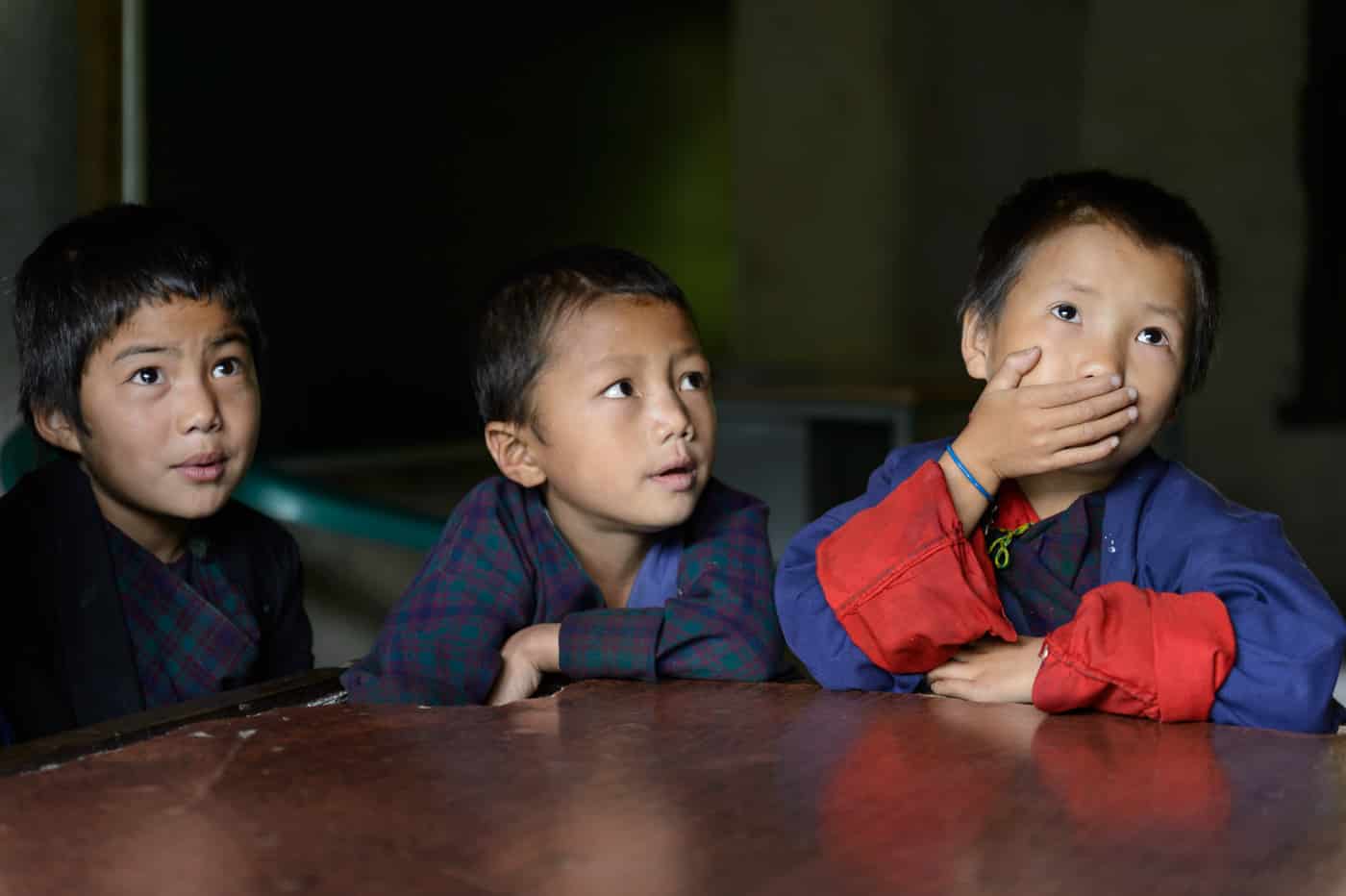
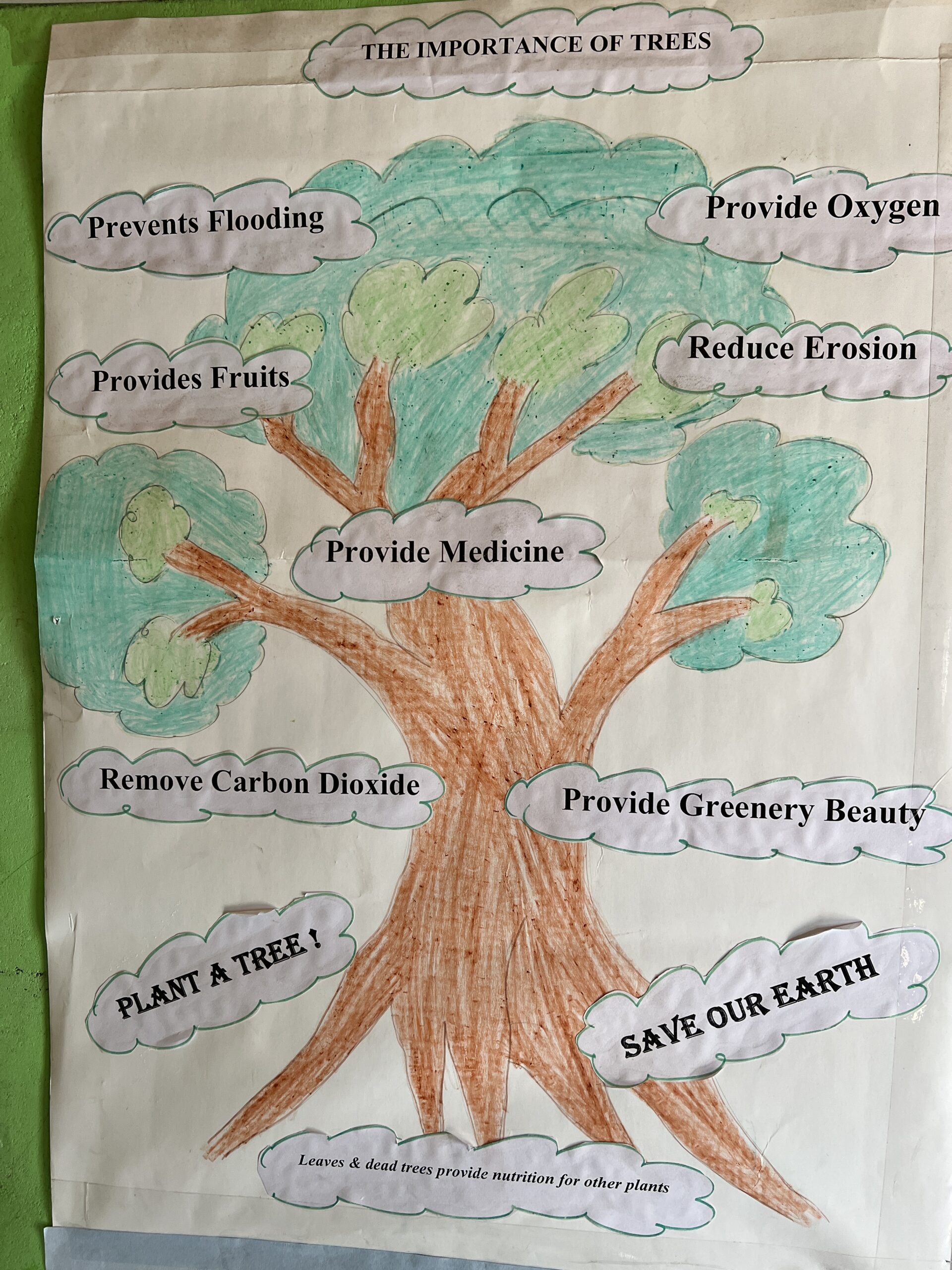
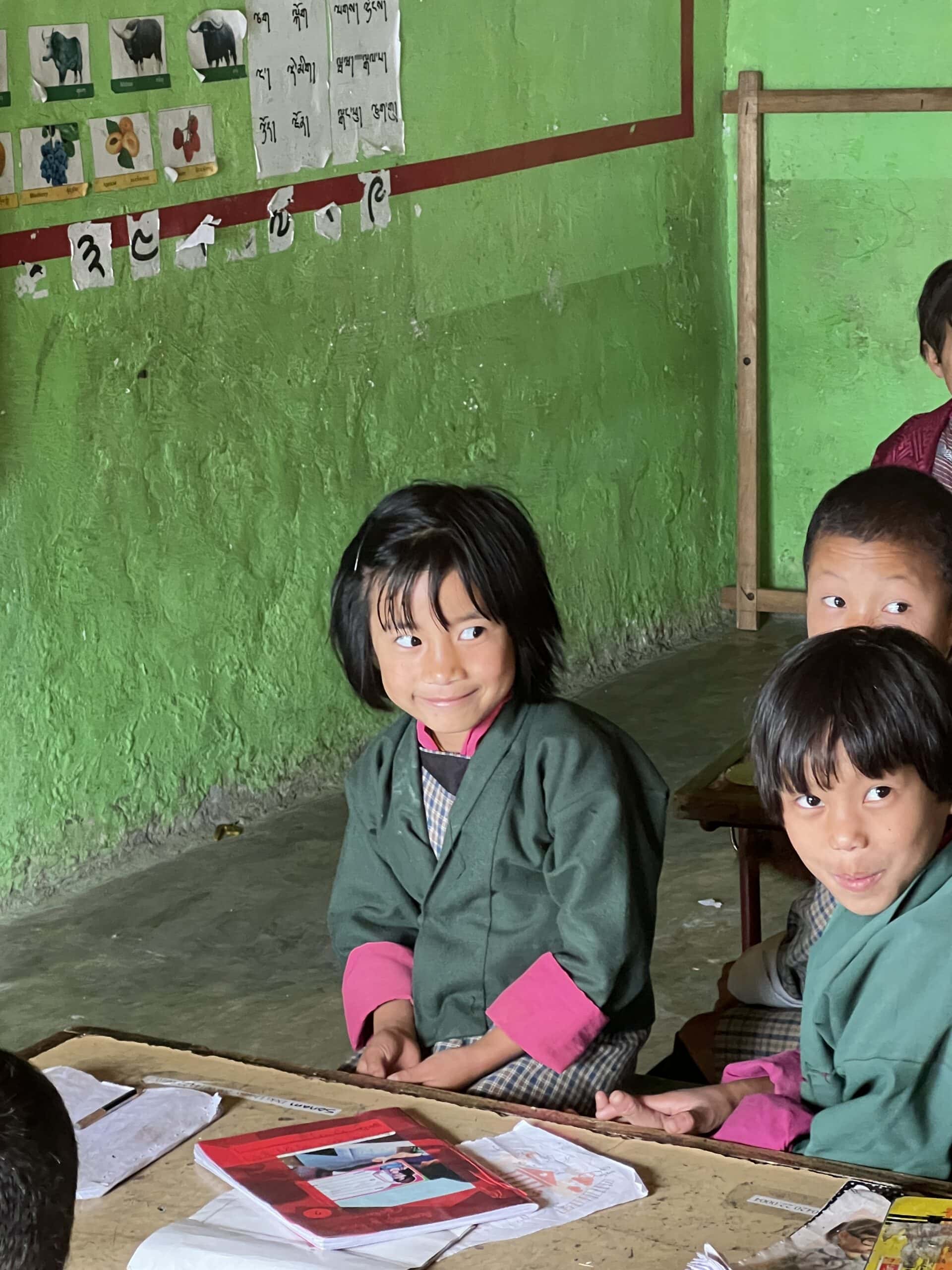
Currently, the boarding school in Monpaland provides only a primary education using a colonial framework focused on modern world information and taught in English. Consequently, the self-esteem of Indigenous youth is compromised, and their studies ultimately undermine the Indigenous culture.
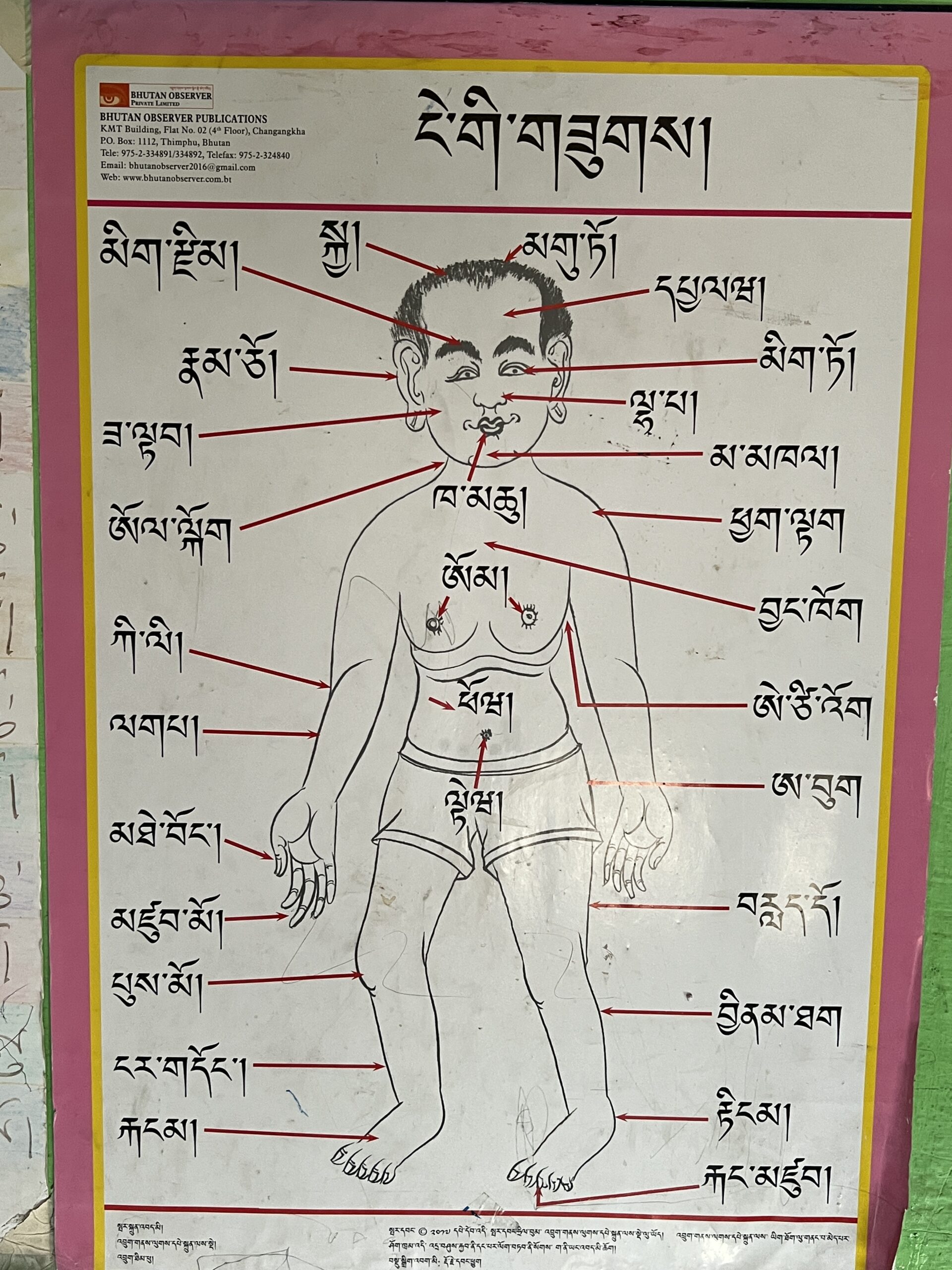
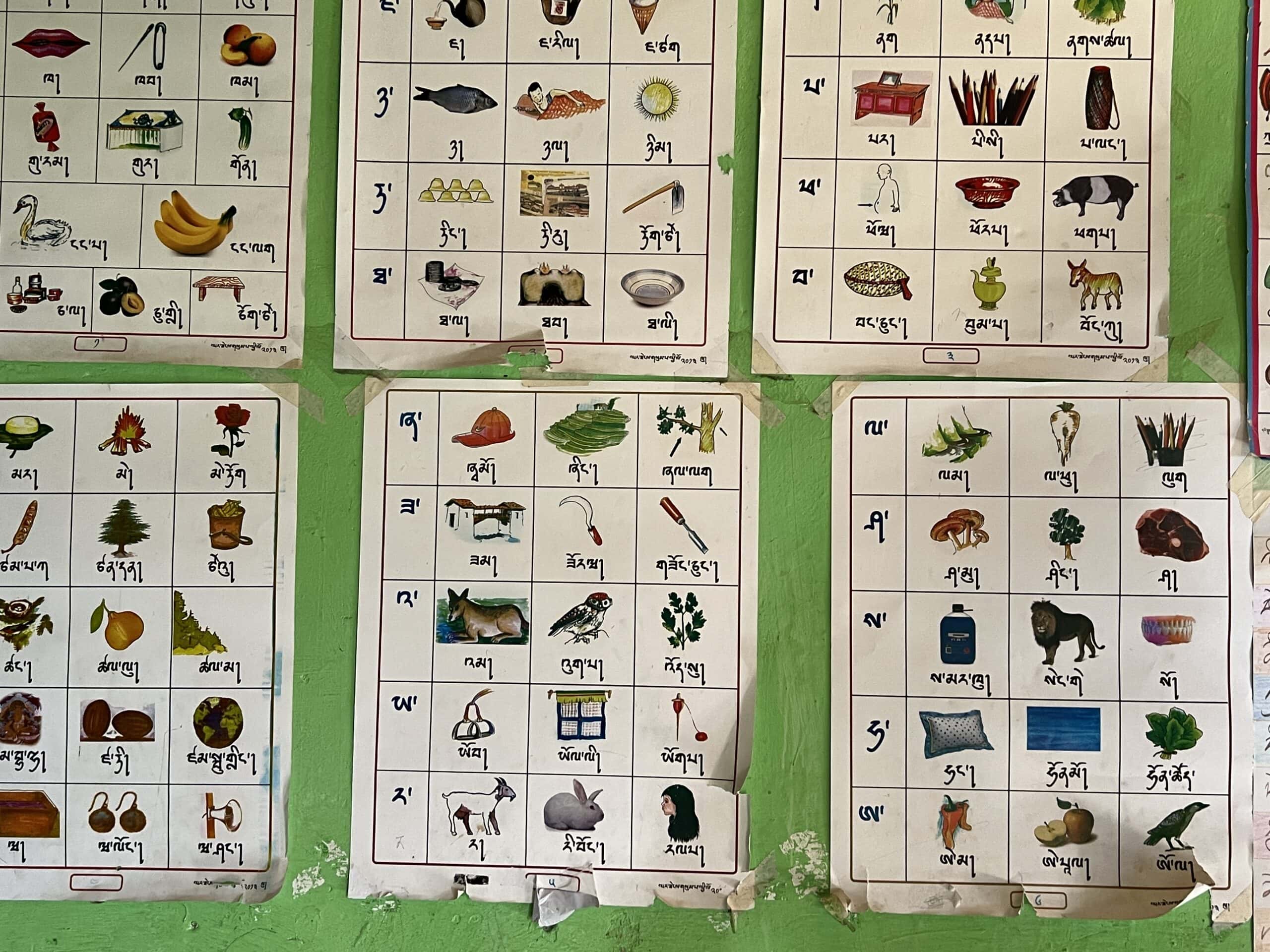
The proposed Indigenous curriculum, taught by community members and led by Monpa Lama Dophu, includes Monpa history as told by Elders; religious activities (shamanic, annual, living, death, and astrological rituals); food; traditional dress (weaving nettle cloth); ceremonies; litigation; ways to count time and date; songs; arts and crafts; traditional medicine; language; and a Monpa language dictionary. The Monpa are now proactive in teaching this curriculum outside of school hours. However, the Monpa written language will be introduced in the classroom in 2027 with language charts and the recently published books.
latest news
Gratitude from A Partner in Bhutan
For sixteen years, the Tribal Trust Foundation has walked alongside the Monpa people of Central Bhutan — not as distant…
Meet the Monpa and experience Bhutan’s culture, ecosystems and Gross National Happiness, including a visit to see nettle cloth weaving knowledge passed from one generation to the next.