
Strategic Indigenous Partners
As our name implies, our history of successful impact is based on relationships built on trust, partnership, and collaboration. We only go where asked to and our programs are Indigenous led, other than locally based events we occasionally host in our non-profit’s home base in Santa Barbara. The regional alliances below are not a full map of everywhere we work. They are the places where long-standing partnerships with Indigenous communities continue to shape lasting, community-led impact. Together we support the cultural continuity, education, and documentation priorities our partners define, bringing Indigenous knowledge and Western tools into conversation and learning through reciprocal relationship and Two-Eyed Seeing. From the San of Namibia to the Shipibo-Konibo of the Peruvian Amazon and the Monpa of Bhutan, here are just a few of the people and places at the heart of The Tribal Trust Foundation’s 30 years of ongoing work.
-
Chumash
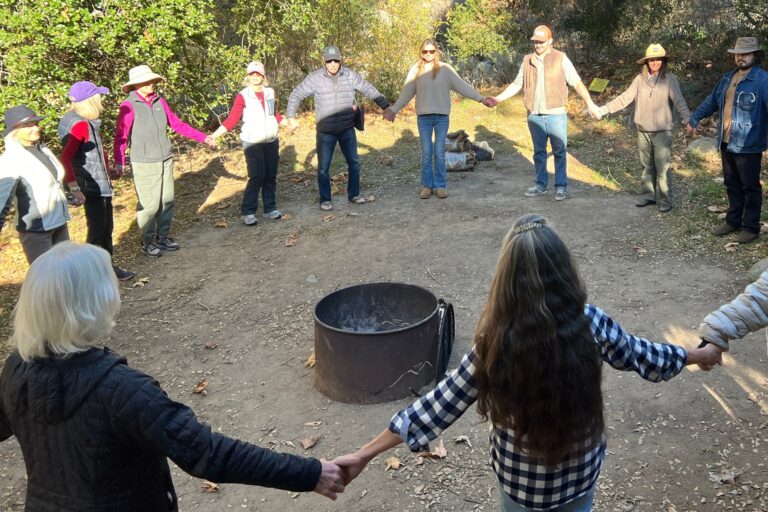
Closer to home, we support Native American youth and cultural continuity, including Lakota partners of the Cheyenne River Sioux Tribe in South Dakota. In our home base of Santa Barbara, we joined local allies in championing Indigenous Peoples Day. -
Hadzabe (Tanzania)
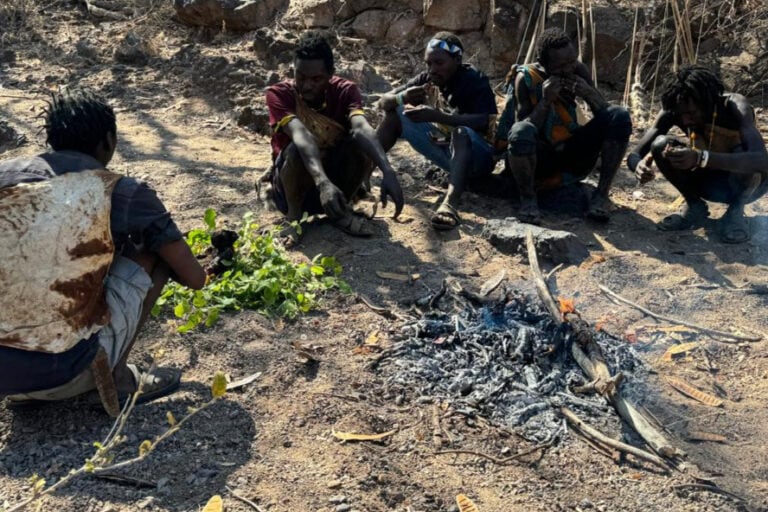
Our relationship with the Hadzabe, among the last Indigenous hunter-gatherers in Tanzania, began on a Tribal Trust safari and grew into work with the Olanakwe Community Fund to bring them a water source. When Hadza families were given just two weeks to leave their ancestral lands, we decided together to focus on education that helps children keep their ancient wisdom and stand strong in the modern world. Thus far, it is working. -
Indigenous Peoples of Ontario, Canada
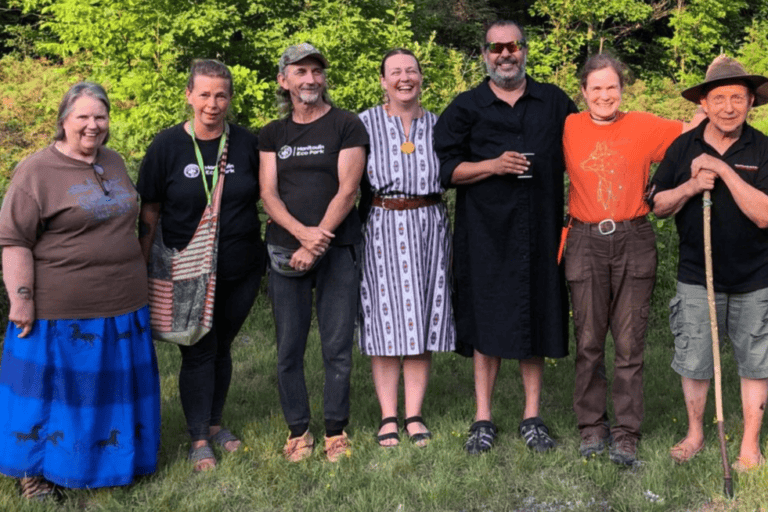
Since 2017, we have a trusted and treasured fiscal partnership relationship with the non profit organization, Circle for Change. They work with First Nations youth in what is now Ontario. This is the ancestral territory of the Anishinaabek, Haudenosaunee, and other nations whose knowledge keepers continue to carry language, ceremony, and teachings of the land. As with all our work, we will follow their lead on what they hope to protect and pass on. -
Ireland & Scotland
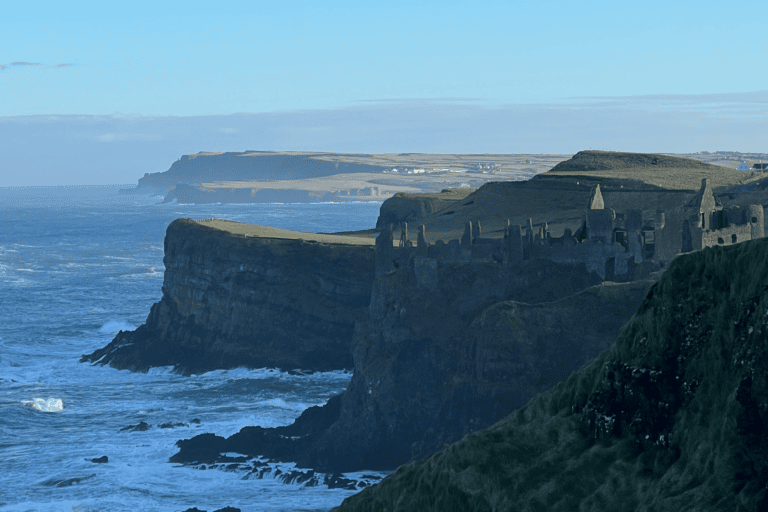
We are beginning new relationships with keepers of the ancestral traditions of Ireland and Scotland, where Gaelic languages, seasonal ceremonies, sacred sites, and oral storytelling still carry a deep relationship with land and sea. As with all our work, we follow the lead of the communities themselves, learning what they hope to protect and pass on. -
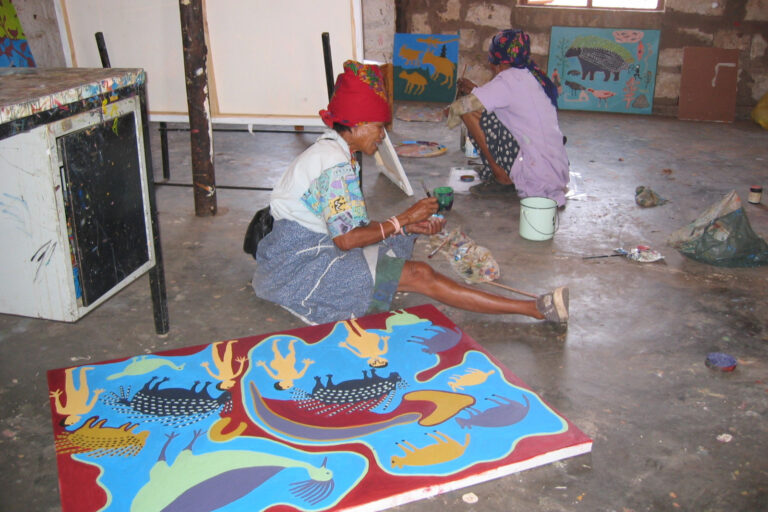
Ju/’hoan San (Botswana)
Our relationship with the Ju/’hoansi San reaches across the Kalahari into Botswana. Nearly two decades ago, we supported the Kalahari Peoples Fund in bringing San human rights activists to the United States to raise awareness of Botswana’s efforts to displace them from their ancestral lands. In 2027, our travelers return to learn with San partners. -
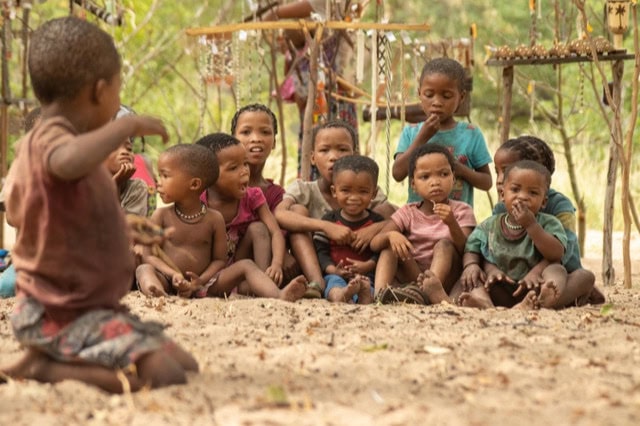
Ju/’hoan San (Namibia)
Since 1998, we have walked alongside the Ju/’hoansi San of the Kalahari, documenting songs, dances, and ceremonies and placing that record in trust for the San at the Smithsonian and the Namibia Museum. Today we support /xoa-//he, a Ju/’hoansi-led village school in Nhoma where children learn in their own language and practice hunting, gathering, and healing trance dance alongside contemporary teachings. -
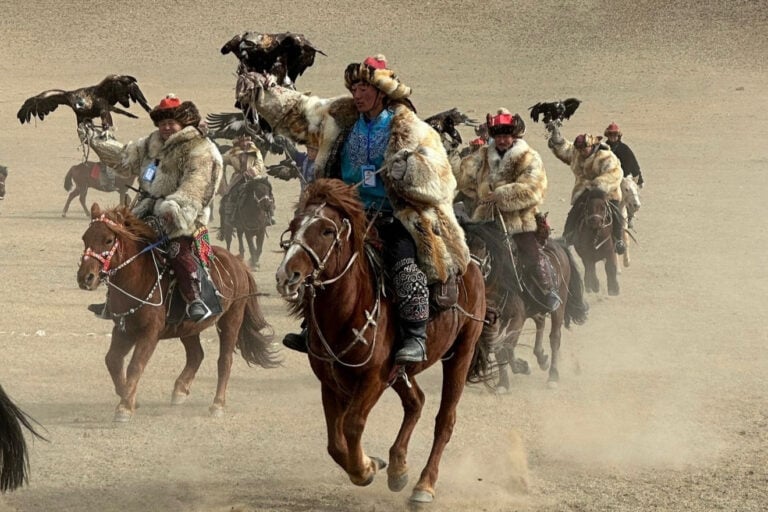
Kazakh
Kazakh herding families carry a centuries-old bond among rider, horse, and golden eagle. On our Mongolia journeys, travelers witness Kazakh equestrian traditions, and their gifts help preserve Kazakh cultural heritage and the people’s relationship with horses and eagles, as celebrated at the Golden Eagle Festival. -
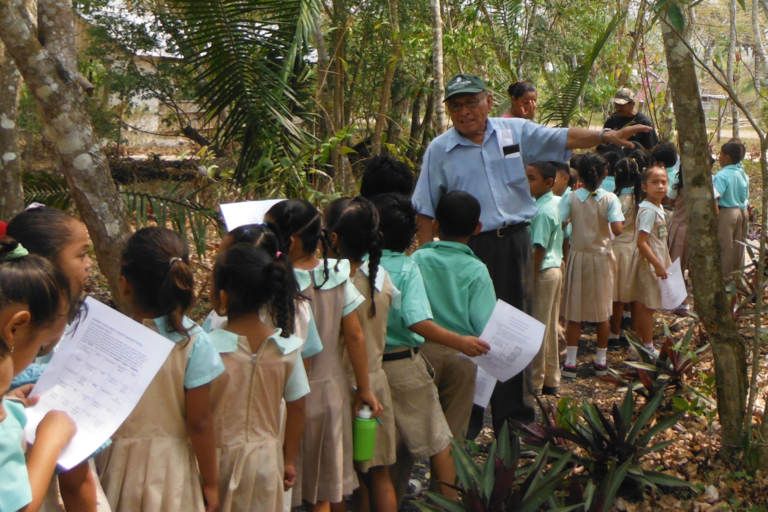
Maya (El Pilar, Guatemala)
At El Pilar, the ancient Maya city on the Guatemala–Belize border, we supported a children’s forest gardening program so young Maya could take part in protecting the Maya forest. We also developed and co-funded the Maya Forest Garden Coloring Book. -
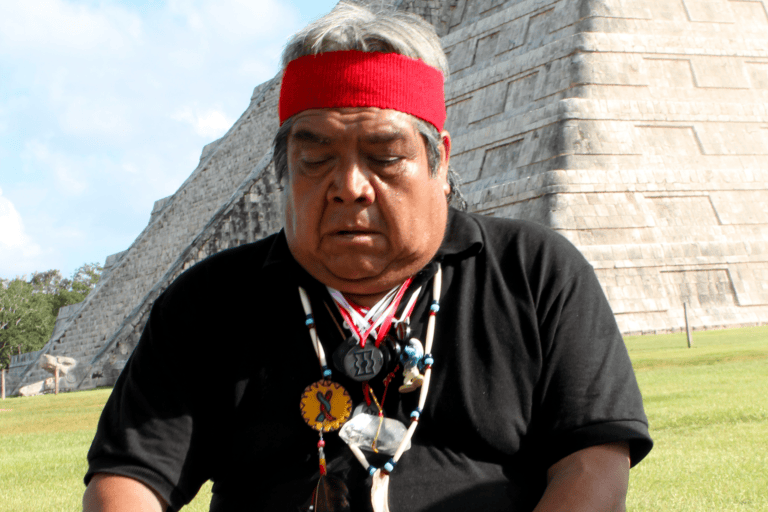
Maya (Tulum, Mexico)
In 2012, at the request of the Maya, we campaigned for environmental justice in Tulum to help protect their traditional, sustainable way of life and campaign for access to their ancestral land. The effort shared the Maya understanding of balance among all life, and brought Maya children and Elders together with educators and environmental advocates. -
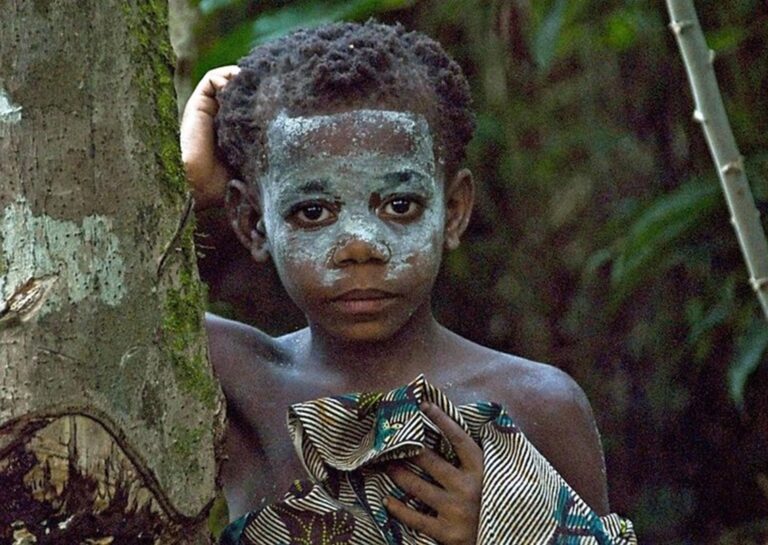
Mbuti
At the request of the Mbuti, we helped create Mbuti: Children of the Forest, a photography exhibition and film documenting life in the Ituri rainforest. Today it is an irreplaceable record of a people and a forest under threat — shared with students and scholars, as the Mbuti asked. -
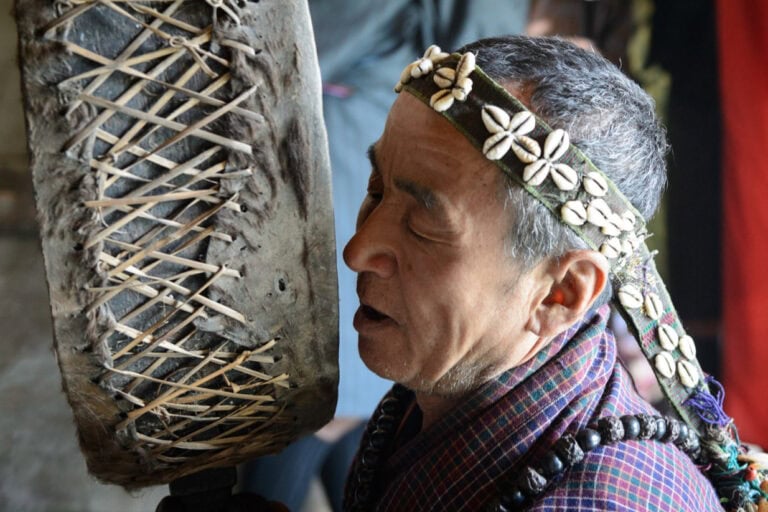
Monpa
Since 2014, at the invitation of Monpa Elders and shamans, we have walked alongside the Monpa of Central Bhutan as they safeguard their creation story, medicinal plant knowledge, nettle cloth weaving, and language. A Monpa documentary more than a decade in the making premieres in early 2027. -
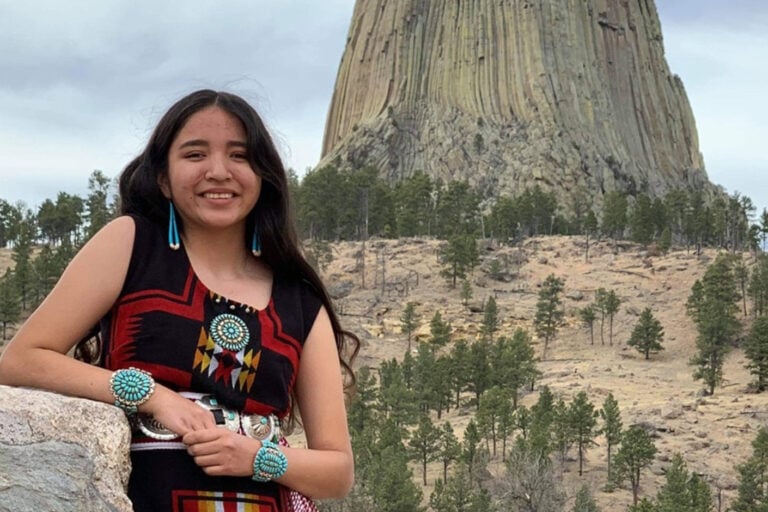
Navajo (Diné)
We helped Diné youth at Navajo National Monument learn the night sky, traditional plant uses, and the arts and science of their ancestors, carrying an endangered oral astronomy tradition forward. During the pandemic, we provided 90 iPads so Navajo students at Monument Valley High School in Kayenta, Arizona could keep learning from home. -
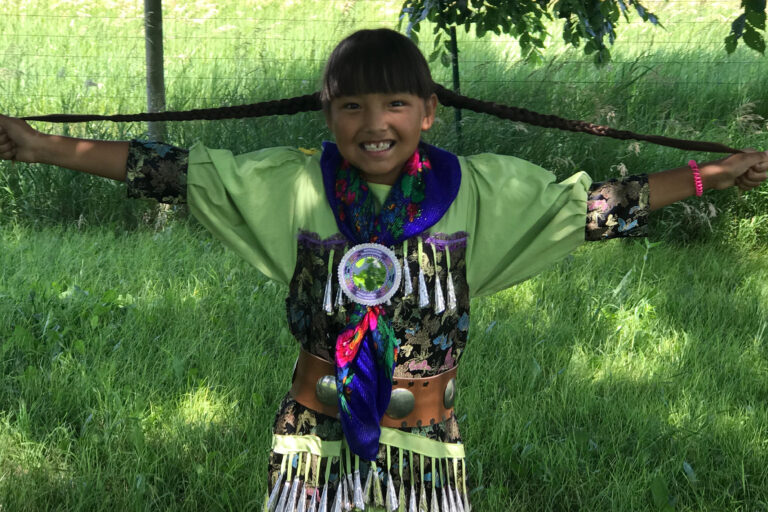
Oglála Lakhóta
In 2016, Tribal Trust Foundation was invited to Pine Ridge Reservation to attend and support a children’s rodeo and equine program empowering Lakota youth. Through this, we saw firsthand the generational trauma caused by the Missing and Murdered Indigenous Women (MMIW) crisis. We became involved in a documentary film project and while that was halted by COVID, we have continued our relationship and collaborations with individuals. As our Lakota partner Chief Izzy Zephier reminded us of Sitting Bull’s call: “Let us put our minds together and see what life we can make for our children. -
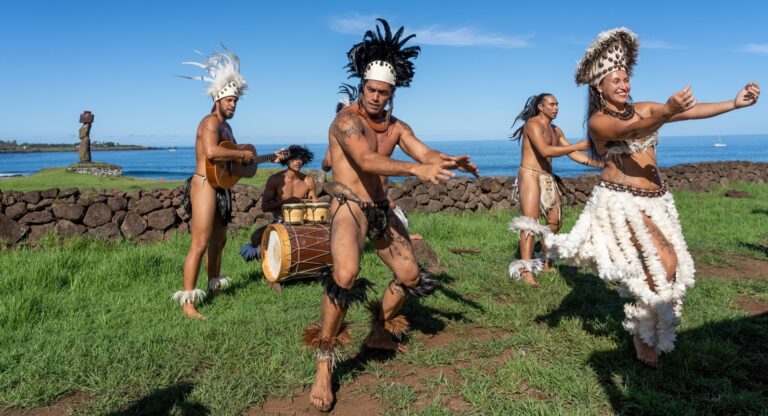
Rapa Nui
In 2016, we helped bring Rapa Nui Elders, dancers, and culture bearers to the Black Hills of South Dakota for the Gathering of Eagles. Alongside Native American wisdom keepers, they united the Eagle of the North and the Condor of the South, as foretold by Black Elk. -
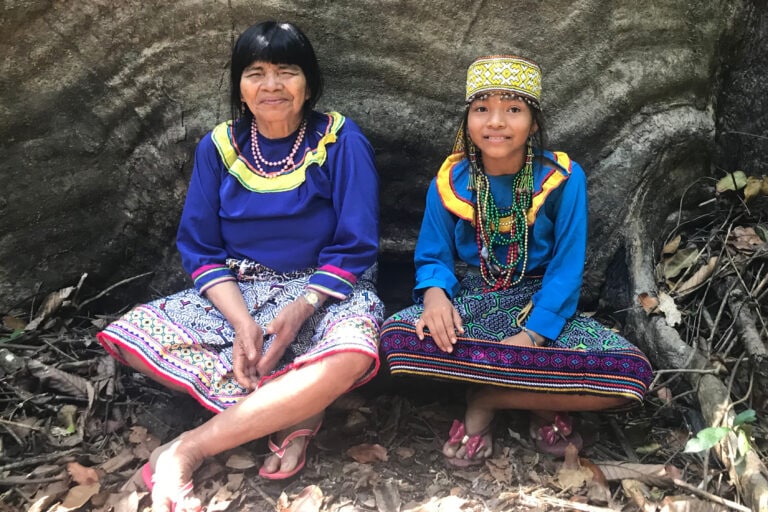
Shipibo-Konibo
Since 2019, we have been working with the Indigenous-led organization Bari Wesna. Together we have built a library that is a community hub for Two-Eyed Seeing education and cultural preservation including with Shipibo-Konibo Elders as teachers as they pass song, plant medicine, and Kené design to the next generation. -
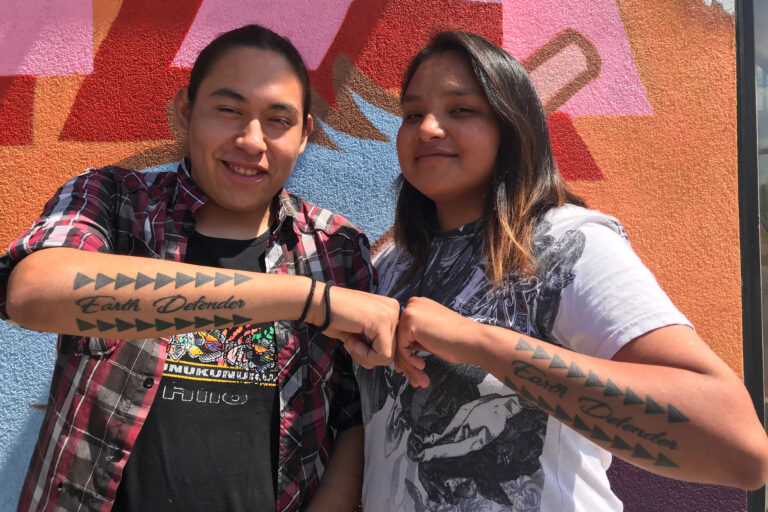
Standing Rock Sioux Tribe
In 2016, we worked with Standing Rock tribal leadership providing legal advice in defense of the water protectors who held their ground through the frigid winter. Our ties also include a Dream Catcher Temple raised on the Medicine Wheel Living Park on the Standing Rock Sioux Reservation. -
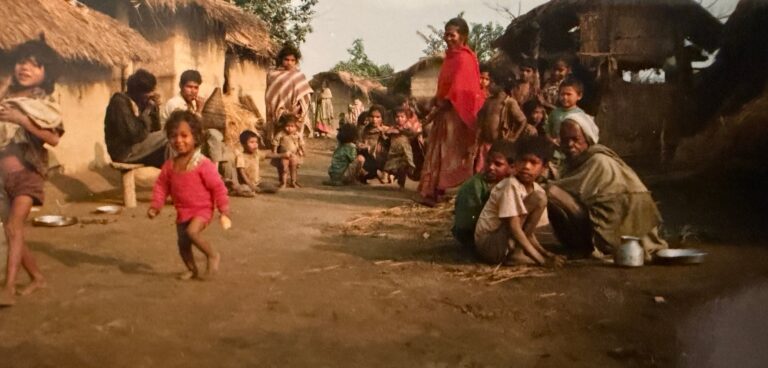
Tharu and Musahar (Chitwan, Nepal)
Our story began in the jungle of Chitwan, Nepal, where the stories of the Tharu opened our founder’s eyes to the knowledge Indigenous traditions hold for all of humanity. In 1996, as decades of in-migration pushed these indigenous peoples toward landlessness and forced unwed young women into sex trafficking in India, we partnered with Heifer International to send the community goats suited to the jungle, a new way to feed their families and we supported the empowerment of a women’s council. -
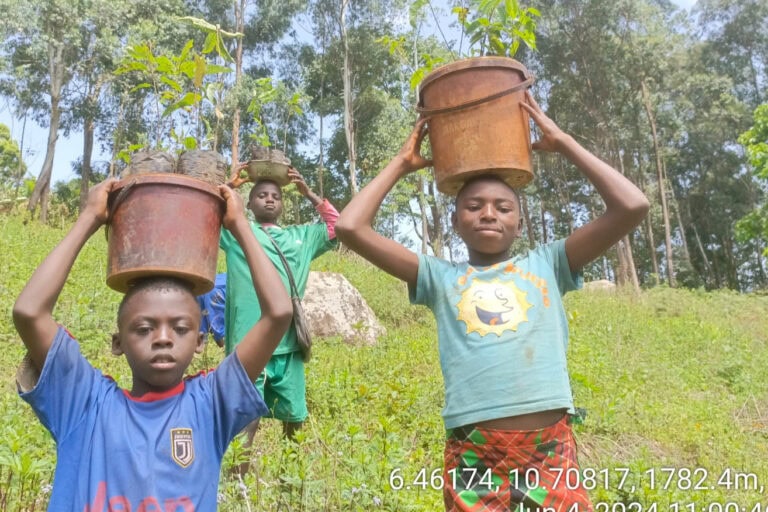
Tikari and Mbororo (Cameroon)
In Cameroon, we are beginning relationships with two peoples. The Tikari are known for the artistry and kingdoms of the Northwest and Adamawa regions. The Mbororo are nomadic pastoralists who have long moved their herds across the country while working to secure recognition and access to land. Our role as a fiscal partner to SURVDEV org., will continue our efforts to support the priorities they set. -
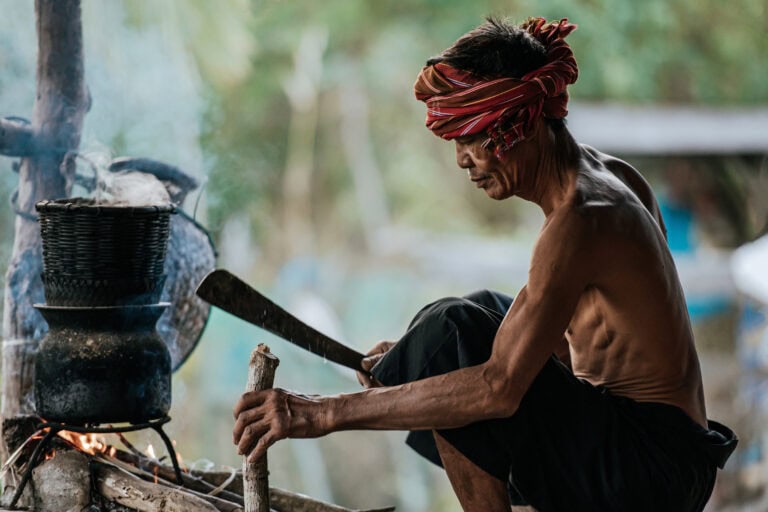
Timorese (East Timor)
With our partner Fundasaun Harii Au Metan, we funded women Elders to travel to remote villages and teach sacred ceremonies with their gongs, including initiation and birthing rites. Seed funding for farming, candles, baskets, and soap helped women build small enterprises while youth reconnected with their traditions. -
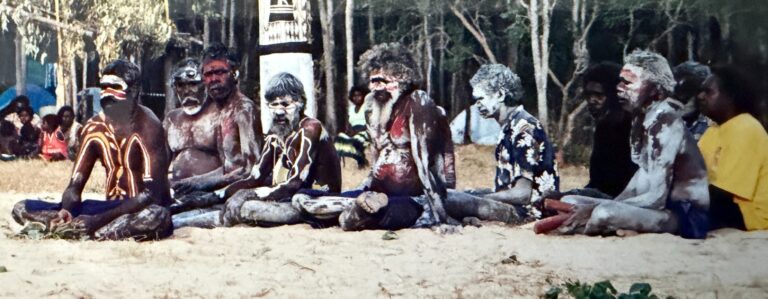
Yolngu (Aboriginal, Australia)
In 2001, we joined the Yothu Yindi Foundation at the Garma Festival in East Arnhem Land, where Yolngu people practice and share bunggul (dance), manikay (song), miny’tji (art), and ceremony. Garma takes its name from a Yolngu word for two-way learning — the same spirit that guides our Two-Eyed Seeing work today.